FREE WORLDWIDE TRACKED SHIPPING

Interior vs exterior paint coverage — at first glance, it seems like it should be the same thing. Paint is paint, right?
Yeah… not quite. If you’ve painted both inside and outside, you probably already felt the difference — even if you couldn’t fully explain it.
If you just want a quick, accurate estimate, use the paint coverage calculator — it adjusts for both interior and exterior projects automatically.
Quick Answer: Interior vs Exterior Paint Coverage
- Interior paint: more consistent, higher coverage (≈8–10 m² per liter / 350–400 sq ft per gallon)
- Exterior paint: less predictable, lower effective coverage due to surface texture and weather exposure
Why Exterior Paint Uses More Than Interior
Surface Texture Makes a Huge Difference
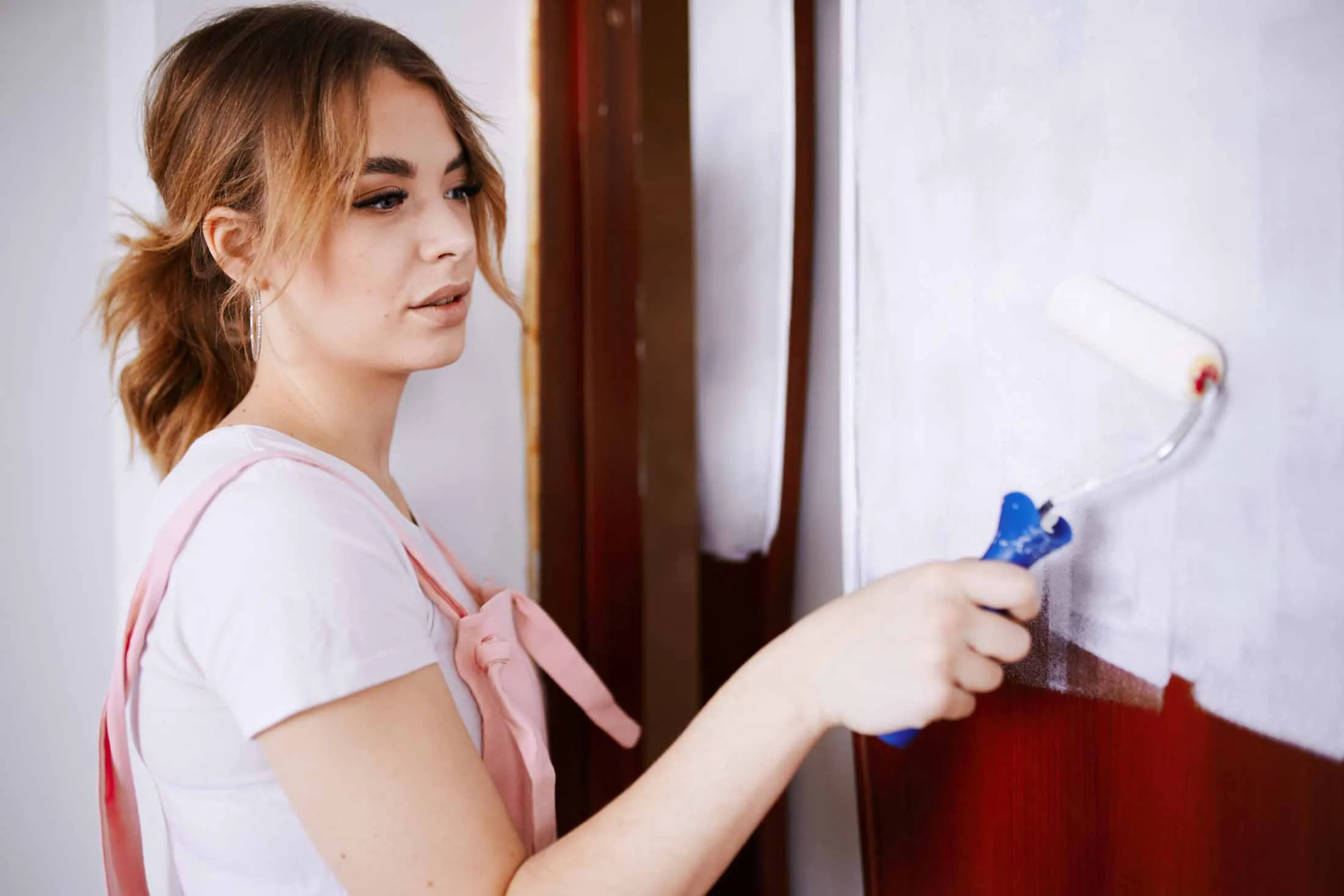
Interior walls are usually smooth. Exterior surfaces — brick, stucco, wood siding, concrete — are more porous and uneven. This means more surface area than it appears, more paint absorption, and less coverage per coat.
Weather Exposure Changes Everything
Exterior paints are formulated to be thicker and more durable against sun, moisture, and temperature changes. That formulation can slightly affect how they spread. Wind can dry paint faster, and surface temperature varies — all of which can mean you need more paint than expected.
Can You Use Exterior Paint Indoors (Or Vice Versa)?
No. Exterior paints often contain fungicides and higher VOC levels that make them unsafe for interior use. Interior paints lack the UV resistance and flexibility needed for outdoor surfaces. Always use the right paint for the right location.
Interior Paint Coverage: What to Expect
Interior painting is more predictable. Typical coverage: 8–10 m² per liter or 350–400 sq ft per gallon, assuming smooth walls, a previously painted surface, and standard roller application.
Exterior Paint Coverage: What to Expect
Coverage varies more here. Smooth siding gives results closer to standard coverage. Wood has moderate absorption. Brick and stucco significantly reduce coverage — which is why underestimating exterior paint is very common.
How to Estimate Interior vs Exterior Paint Correctly
Interior
Measure wall area, subtract doors and windows, apply standard coverage rate, multiply by number of coats.
Exterior
Measure total exterior surface, account for multiple surfaces and shapes, adjust for texture, add a larger safety margin. Exterior estimates should always lean conservative.
Common Mistakes When Comparing Interior and Exterior Paint
- “Coverage is the same inside and outside” → not true
- “One coat is enough outdoors” → rarely
- “Texture doesn’t matter much” → it matters a lot
- “I can estimate exterior like a room” → risky
Plan It Right the First Time
Interior and exterior paint coverage might look similar on paper — but they behave differently in real life. Once you understand that difference, planning becomes much easier. Use the paint coverage calculator to get a tailored estimate for your project.
KŌŌI / KŌŌI Magazine / Living Smarter /


Upgrade Your Bathroom: Stylish and Functional Accessories for a Spa-Like Experience
Transform your bathroom into a luxurious spa-like retreat with stylish and functional accessories. Elevate your bathing experience, enhance organization, and


Collect, Don’t Replace: Interchangeable Design for Modern Living Starts at the Front Door
The front door is one of the most stable architectural elements of a house. It anchors the façade and frames daily movement in and out. But stability does not have to mean stagnation.

Baby Blanket Size Guide: Right Size for Every Stage
Find the perfect newborn or baby blanket size with our guide. Learn dimensions, materials, and expert tips for swaddling, cribs, and strollers

What Makes Modern Interior Doors Look Clean and Timeless
Modern interior doors can transform a space with clean lines and timeless design. Discover styles, materials, and ideas for choosing the perfect doors for your home
How to Measure a Room for Paint (Step-by-Step Guide)
Accurate measurements mean accurate paint estimates. This guide walks you through measuring every surface in a room so you buy exactly what you need
10 Essential Home Organization Hacks for a Clutter-Free Space
A cluttered home can lead to stress and a lack of productivity. However, with the right organization hacks, you can








 Blankets and Throws
 Home Accessories
 Furniture
 Rugs
Rugs Cushions
 Kitchen
 Cutlery and Dinnerware
 Drinkware
 Table Mats and Coasters
 Dining Accessories
 Tablecloths and Napkins
 Decorative Items
 Vases and Planters
 Wall Decor
 Bathroom Accessories
 Bathroom Storage
 Bath and Shower Mats
 Towels