Bauhaus and IKEA: A Marriage of Minimalism, Business, and Utopia

What do a century-old design school and a Swedish retail giant have in common? More than you’d think. Discover how Bauhaus ideals echo through IKEA’s aisles and into our homes today

What happens when the ideals of Bauhaus design—crafted for the needs of the people—collide with the global retail force of IKEA? It’s a fascinating paradox: one rooted in utopian visions of design for a better society, the other a juggernaut of affordability and mass production. And yet, the two are connected, sharing a lineage of simplicity, functionality, and an enduring focus on improving everyday life.

This article dives into the legacy of Bauhaus principles and their echoes in IKEA’s sprawling aisles. Along the way, we’ll look at specific pieces that bridge history and modernity, the human stories behind these designs, and how the spirit of Bauhaus still lives on in unexpected places.

Bauhaus building in Dessau, Germany

Bauhaus: Design for Humanity

Founded in 1919 by Walter Gropius, the Bauhaus school was born in response to a fractured post-World War I society. Cities were overcrowded, poverty was widespread, and design was largely the playground of the wealthy. Gropius envisioned something radically different: art, design, and industry united in service of the people.

Design is neither an intellectual nor a material affair, but simply an integral part of the stuff of life, necessary for everyone in a civilized society.

Bauhaus wasn’t just about style—it was a moral check on industrialism. By rejecting elitist art and unchecked consumerism, Gropius sought to create objects and architecture that balanced function, beauty, and humanity. Here are the hallmarks of Bauhaus design:

  • Minimalism: Stripping objects down to their essentials.
  • Form Follows Function: Every design element serves a purpose.
  • Mass Production: Designs were meant to be reproducible for the masses, not just the elite.
  • Interdisciplinary Approach: Combining crafts, fine arts, and industrial design.

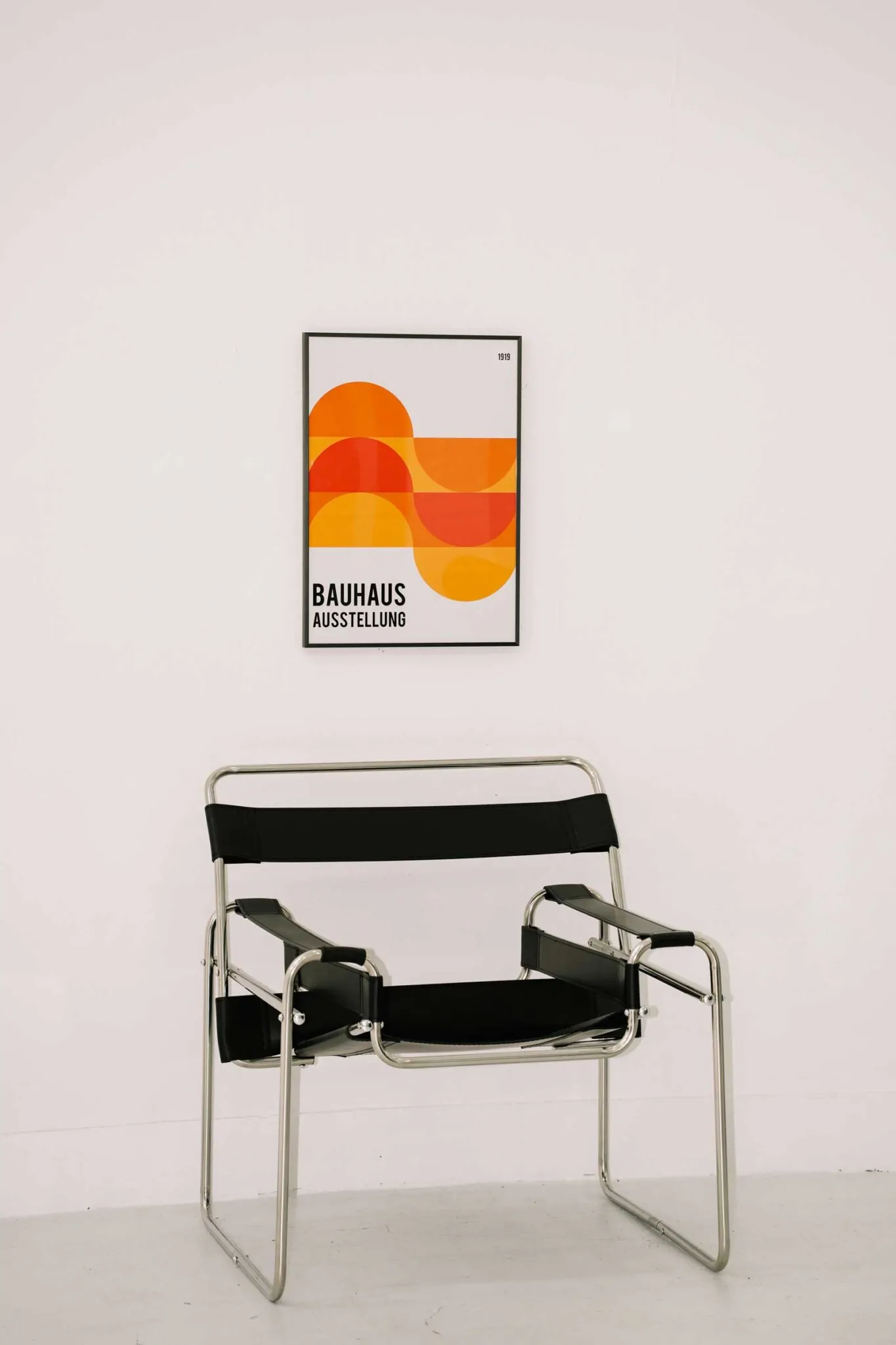
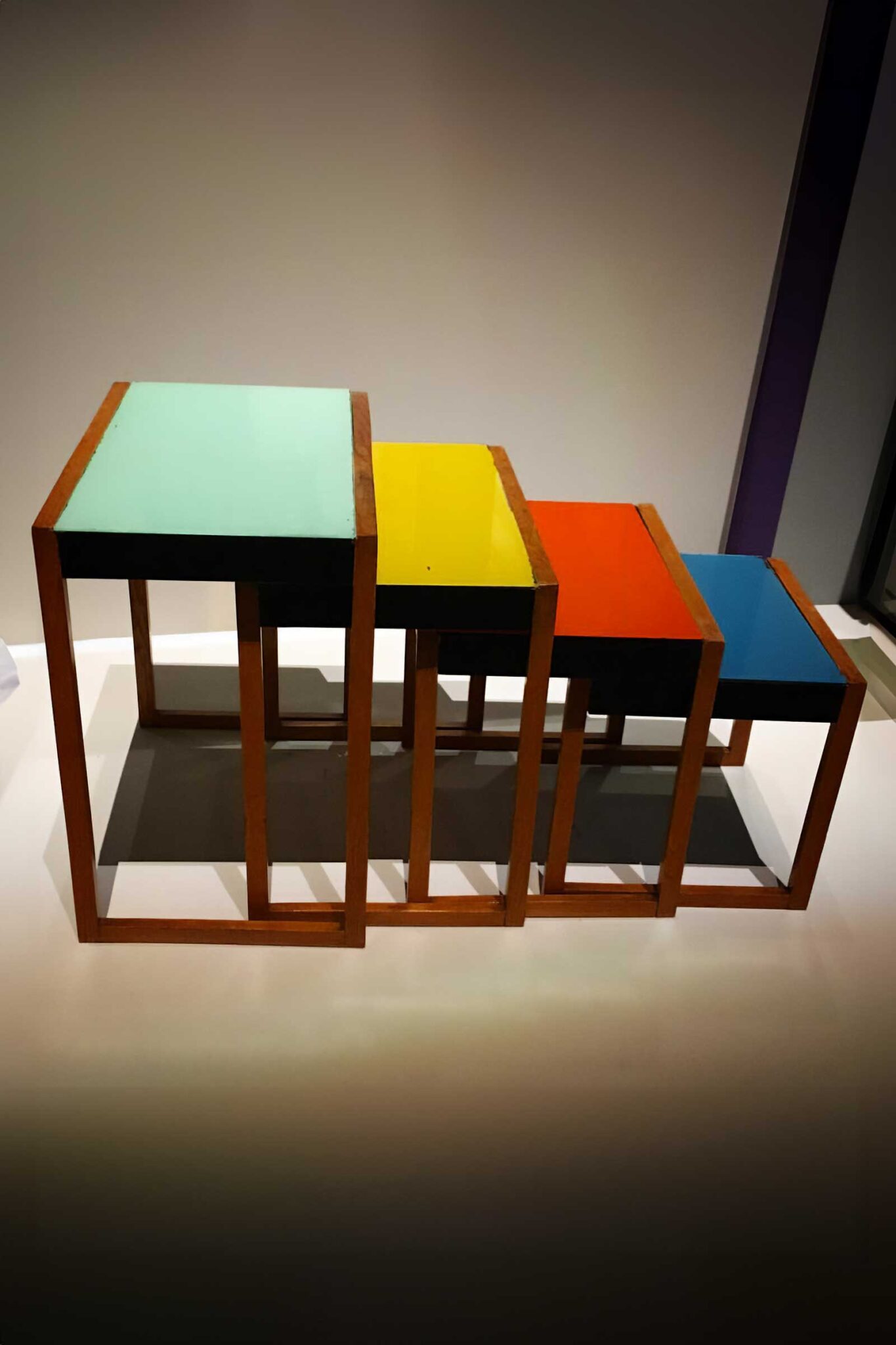
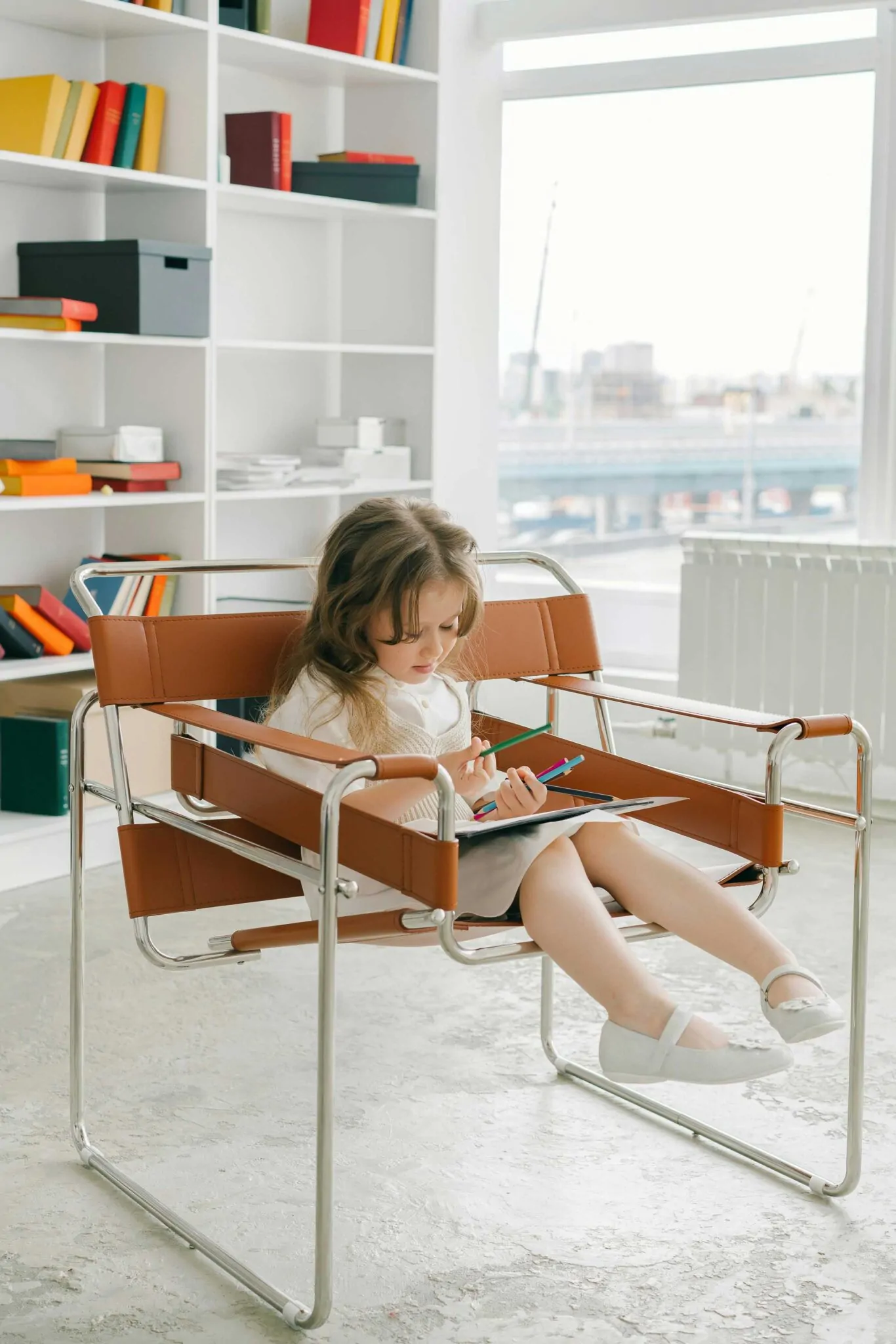
Furniture like Marcel Breuer’s Wassily Chair or Josef Albers’ nesting tables embodied these ideals, showing that good design could be simple, affordable, and transformative.

Other key figures contributed significantly to Bauhaus's vision:

  • Paul Klee and Wassily Kandinsky: Masters of abstract art, who brought a sense of play and experimentation to Bauhaus teaching.
  • Anni Albers: A revolutionary in textile design, combining artistic expression with functional utility.
  • Ludwig Mies van der Rohe: Known for his iconic architectural mantra, “less is more,” and his leadership of the school during its final years.
  • László Moholy-Nagy: A pioneer in industrial design and photography who explored the intersection of light, materials, and technology.

Bauhaus wasn’t just trying to sell chairs; it was trying to build a better world.

IKEA: Bauhaus Principles, Retail Scale

Fast-forward a few decades, and IKEA was unknowingly picking up the Bauhaus torch. Founded in 1943, IKEA became a global phenomenon with its mission to "create a better everyday life for the many people." By perfecting flat-pack furniture, reducing costs through efficient design, and making minimalism mainstream, IKEA brought many Bauhaus ideals to life—albeit on a massive retail scale.

IKEA became a global phenomenon with its mission to "create a better everyday life for the many people". Photo: Adam Kolmacka / Unsplash

Where Bauhaus and IKEA Meet:

  1. Democratizing Design: Bauhaus aimed to make good design accessible; IKEA succeeded in doing so on a global scale.
  2. Flat-Pack Innovation: Like Bauhaus’s dream of mass production, IKEA’s flat-pack furniture revolutionized affordability and accessibility.
  3. Function Over Form: IKEA’s POÄNG armchair, with its ergonomic bentwood frame, echoes the Bauhaus philosophy of practicality and elegance.
  4. Scandinavian Minimalism: Neutral colors, clean lines, and functional forms dominate IKEA’s aesthetic, reflecting Bauhaus’s “less is more” mantra.
  5. Business Meets Design: Bauhaus aimed to merge art and industry for the common good; IKEA merges business and design to make modern living affordable.

However, where Bauhaus sought to uplift humanity, IKEA’s success is often tied to pragmatism. As one critic noted, “For IKEA, form does not follow function. It follows price.”

Bauhaus and IKEA: Shared Aesthetic Roots

At first glance, Bauhaus and IKEA designs might seem worlds apart—one rooted in avant-garde art movements, the other in practical consumerism. But the similarities are striking:

Feature Bauhaus IKEA
Philosophy Functionality meets art Functionality meets affordability
Materials Steel, glass, plywood Fiberboard, pine, composite materials
Design Language Clean lines, geometric forms Clean lines, neutral palettes
Target Audience Theoretically “the masses,” but niche Everyday people, globally accessible

kooihaus.com ikea bauhaus s44 breuer
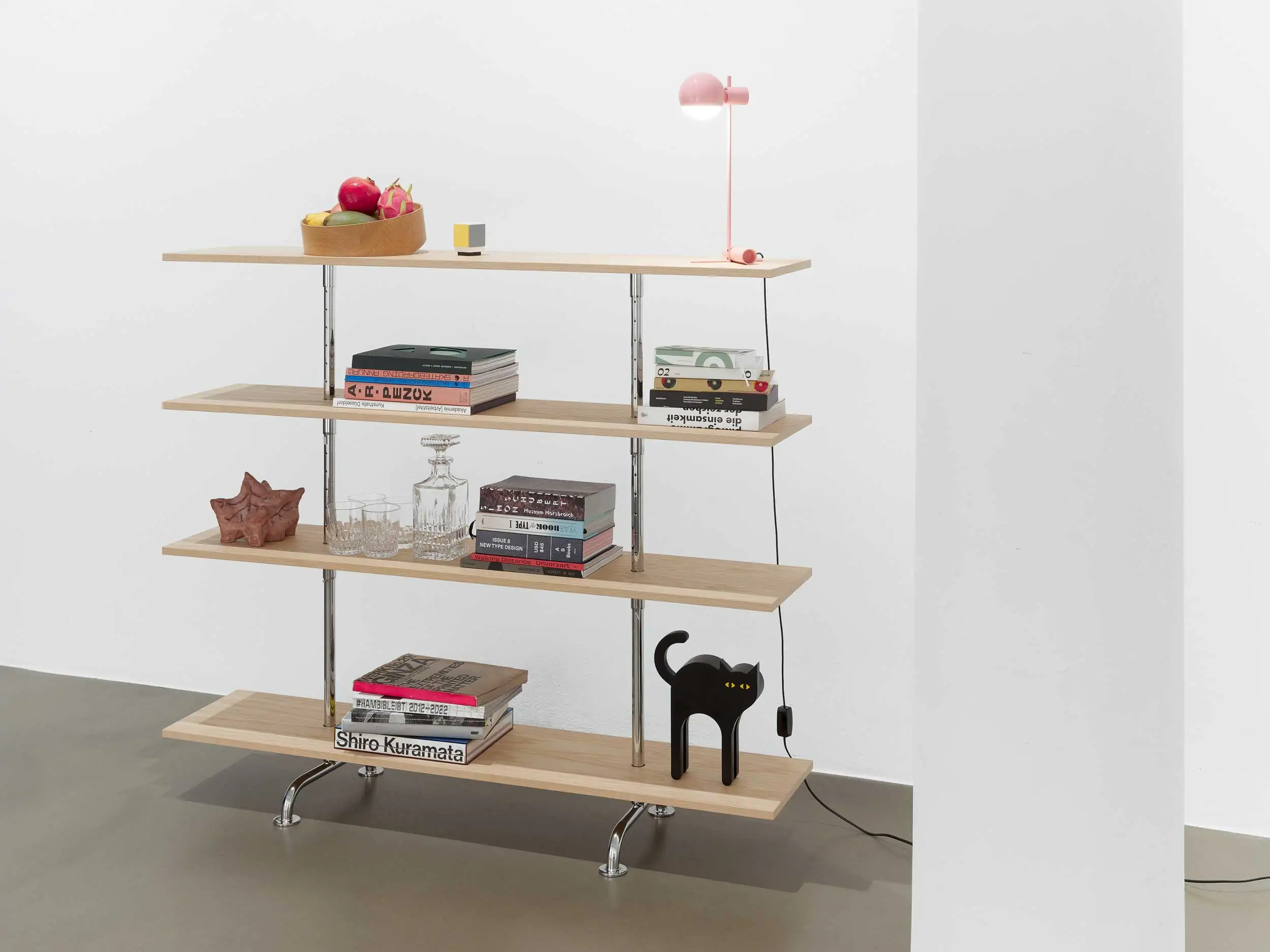
S44 Shelving Unit by Marcel Breuer from 1932. by TECTA, Photo: TECTA

From the tubular steel inspirations of Breuer to the ergonomic comfort of POÄNG, IKEA pieces carry a clear Bauhaus legacy, refined for contemporary lifestyles.

The IKEA Experience: A Modern Paradox

Walking through an IKEA store is as much a psychological journey as a shopping trip. From the moment you follow the dotted floor lines, you’re guided through a maze of compact rooms, miniaturized furniture, and color-coordinated living spaces. It’s a carefully designed experience, one that balances efficiency with a touch of whimsy.

For some, this feels like a celebration of modern living: bright, practical, and endlessly customizable. For others, it’s disorienting—an Alice-in-Wonderland-like distortion of scale where furniture feels smaller than life. This utopia of straight lines and colorful accents invites the question: is IKEA helping us build “home,” or selling us the idea of one?

Bauhaus Revival: IKEA Brings Back Vintage Classics

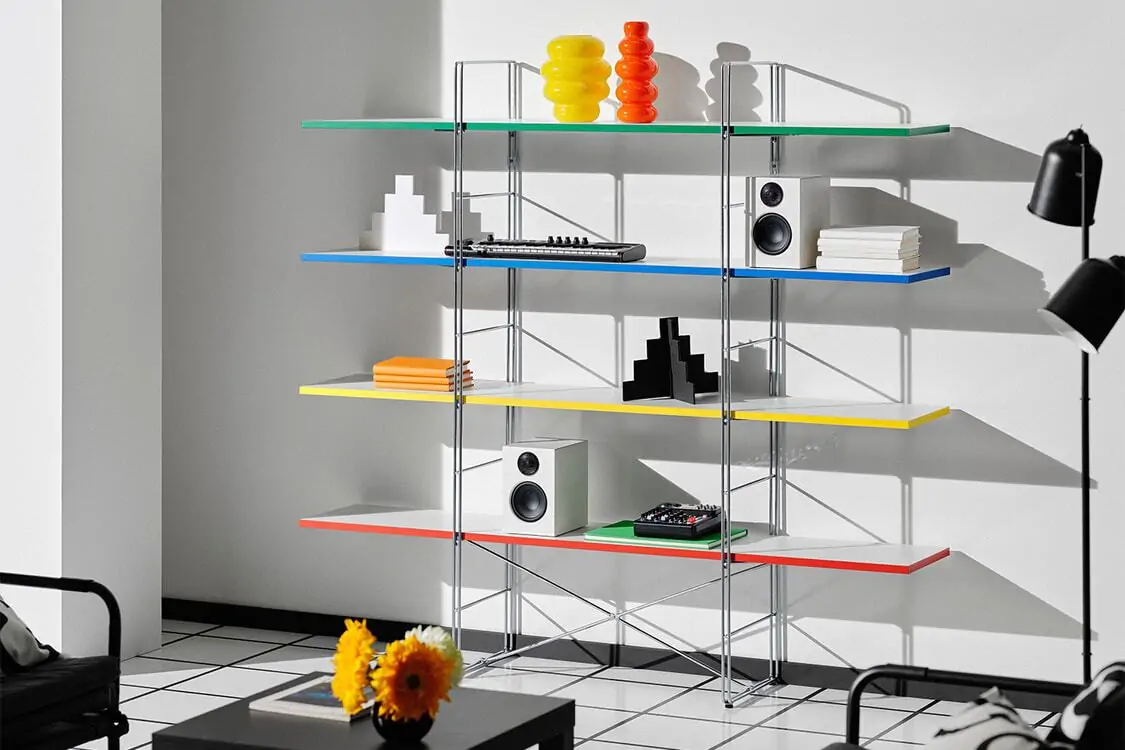
IKEA’s recent announcement of its Nytillverkad collection celebrates some of its most beloved designs from the 1960s, 70s, and 80s. Among these treasures is Niels Gammelgaard’s Guide shelf, a minimalist steel-framed unit first introduced in 1978. Now rebranded as Byakorre, this shelving unit represents everything Bauhaus stood for: affordability, functionality, and timeless design.

The Story Behind Byakorre

Originally named Guide, the Byakorre shelf was an instant hit. Its galvanised steel frame and reversible particleboard shelves (white on one side, anthracite grey on the other) made it highly customizable and practical. Designer Niels Gammelgaard’s clever use of laminate board technology allowed for colorful edge details at no extra cost, while its 170-centimeter height made packaging and shipping highly efficient.

Despite its humble price of approximately $50 when it first launched, Byakorre shelves are now highly sought-after on resale markets, sometimes fetching over $1,000. This demand highlights the enduring appeal of functional, Bauhaus-inspired design.

kooihaus.com bauhaus ikea
BYAKORRE shelf unit by Niels Gammelgaard from 1985, reissued in 2005, Photo: IKEA

More Bauhaus inspired pieces in IKEA’s Collection

The Byakorre shelf isn’t the only piece tying IKEA to Bauhaus’s legacy. Other stars in the Nytillverkad collection include:

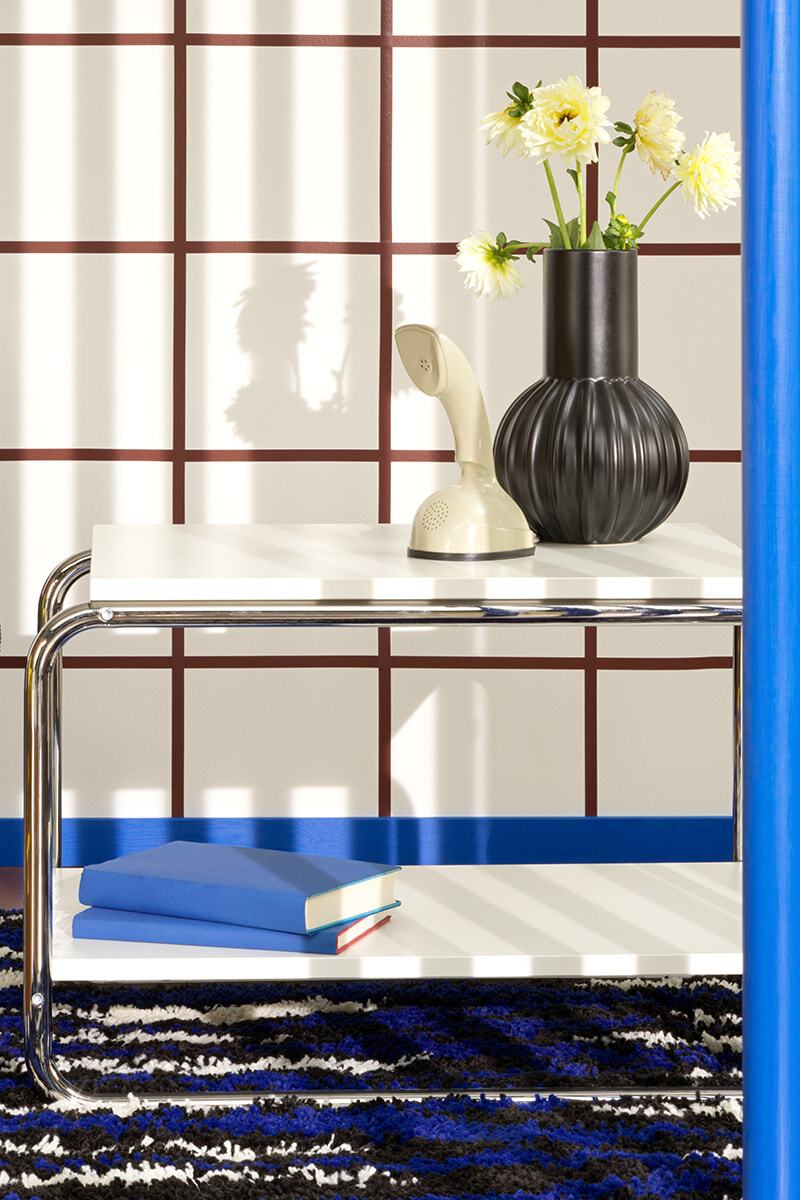
  • BAGGBODA Side Table: Originally released in the 1970s as CROMI and inspired by Marcel Breuer, BAGGBODA’s clean lines and functional design are quintessentially Bauhaus.
  • Tajt Lounge Chair (1973): Designed by Gillis Lundgren, this fold-out chair combines comfort, portability, and a retro-modern aesthetic.
  • Novette Bench (1963): Created by Erik Wørts, this oakwood bench is a masterclass in simplicity and versatility.

These revivals prove that good design doesn’t age—it evolves to meet the needs of each new generation.

Why It Matters: The Bauhaus Legacy in Modern Living

The reissue of pieces like Byakorre and BAGGBODA invites us to reflect on the enduring relevance of Bauhaus principles. These designs represent more than nostalgia; they’re a testament to how functionality, simplicity, and beauty can stand the test of time.

But the story doesn’t end here. As design faces global challenges like sustainability and waste reduction, Bauhaus ideals offer a roadmap for the future:

  • Durability Over Disposability: Building products that last.
  • Sustainable Materials: Reducing waste without sacrificing quality.
  • Human-Centered Design: Crafting pieces that adapt to the needs of diverse users.

So, what might Gropius say if he walked into an IKEA store today?

kooihaus.com ikea bauhaus walter gropius

Walter Gropius, Photo: TECTA

A Nod of Approval

At first glance, Gropius might admire IKEA’s commitment to bringing well-designed furniture to the masses. After all, the Bauhaus dream was about democratizing design, and IKEA has made that vision a reality on a global scale. From the BYAKORRE shelving unit to the POÄNG chair, many IKEA pieces embody the Bauhaus principles of simplicity, functionality, and minimalism.

Gropius might see flat-pack furniture as a clever solution to mass production challenges—a practical realization of Bauhaus’s desire to combine art and industry for the common good. He would likely appreciate how IKEA prioritizes accessibility and affordability, making thoughtfully designed furniture available to people of all income levels.

A Raised Eyebrow

However, Gropius was also deeply committed to creating products that were built to last—a far cry from today’s culture of disposable furniture. He might question whether IKEA’s focus on cost-effectiveness sometimes compromises longevity. Gropius once said, “We aimed at realizing standards of excellence, not creating transient novelties.” Could IKEA’s affordability-first philosophy be at odds with the Bauhaus emphasis on enduring value?

Furthermore, Gropius might critique IKEA’s reliance on engineered materials like fiberboard, which, while practical, don’t carry the same sense of durability and craft as the steel and hardwoods favored by Bauhaus designers.

A Challenge for the Future

Gropius, ever the optimist, might see IKEA’s global reach as an opportunity. He would likely challenge IKEA to go further in addressing modern design problems: reducing waste, designing modular pieces for changing lifestyles, and creating furniture that lasts generations rather than years. In a world grappling with climate change and resource scarcity, Gropius might argue that true innovation lies in rethinking sustainability while staying true to Bauhaus principles of function and beauty.

In the end, Gropius would likely give IKEA a balanced critique: admiration for its success in democratizing design, tempered by a call to think more deeply about longevity and sustainability. His presence might even inspire the Swedish giant to take its mission one step further—not just designing for today’s homes, but for tomorrow’s world.

Continuing the Conversation: A Century of Design for Everyone

A Shared Humanity in Design

Good design? It’s all about people.

When you step back and really think about it, the connection between Bauhaus and IKEA is more than just a shared aesthetic—it’s a shared purpose. Both movements, despite being separated by decades, believed in one simple but revolutionary idea: design should make life better.

Bauhaus envisioned a world where art and utility walked hand in hand, creating harmony between how something looks and how it works. IKEA? They took that same philosophy and brought it into modern homes, offering furniture that isn’t just functional and stylish—it’s also affordable.

And let’s be real. That affordability has been a game-changer for countless people.

The Heart of It All: Design for Everyone

Here’s what makes this connection so special: it’s not about exclusivity.

Both Bauhaus and IKEA embraced the idea that design should be for everyone—not just the wealthy or elite. Bauhaus championed the marriage of form and function, making everyday objects beautiful and useful. IKEA? They took that dream, flat-packed it, and shipped it into homes around the globe.

This shared ethos thrives today in some of the most unexpected places, like the IKEA Hackers community.

Have you seen what people are doing there? It’s amazing.

Bauhaus and Ikea: Creativity Meets Accessibility

The IKEA Hacks movement is a vibrant community-driven phenomenon where creativity meets accessibility. At its core, it’s about taking affordable, mass-produced IKEA furniture and reimagining it into something entirely unique—personalized, functional, and often downright ingenious.

From turning basic bookshelves into custom-built storage walls to transforming plain cabinets into designer-inspired masterpieces, IKEA Hacks showcase how everyday people can infuse their style and ingenuity into ordinary furniture.This movement isn’t just about DIY; it’s a celebration of the idea that great design doesn’t have to come with a hefty price tag. It’s a playful, empowering nod to the idea that anyone can be a designer with the right tools, a little inspiration, and a touch of creativity.

The IKEA Hacks movement is a testament to the enduring spirit of accessible design, where creativity breathes new life into mass-produced furniture. It’s not just about personalization—it’s about transforming the ordinary into the extraordinary.

The IKEA Hacks movement isn’t just a DIY trend—it’s a platform where art, design, and personal expression converge, echoing the ideals of Bauhaus and IKEA.

Artists like Jeff Carter expand this idea, using IKEA materials as a medium for creative storytelling. As part of The Common Citizenship of Forms, Carter created a series of seven sculptures with altered IKEA products, transforming ordinary pieces into tributes to Bauhaus’s founder. This project also memorializes demolished Chicago buildings, preserving their architectural essence in new forms. It’s a powerful reminder that while structures may vanish, their influence endures, proving that art and design are deeply interconnected and accessible to all.

The Shared Mission

At the end of the day, Bauhaus and IKEA are fighting for the same cause: design for the people.

For Bauhaus, it was about breaking down the barriers between art and everyday life, making beauty and utility inseparable. For IKEA, it’s about making that vision tangible, with furniture that fits our lives—and our budgets.

Because design? It’s not really about the objects.

It’s about the lives those objects touch.

If Bauhaus was the intellectual, utopian designer of modern life, IKEA is its pragmatic, capitalist descendant. Together, they show us that design is never neutral—it reflects the values of its time, shaping not just how we live, but why.

Next time you assemble a Byakorre shelf or a POÄNG chair, take a moment to reflect: you’re not just following instructions. You’re participating in a century-long conversation about design’s role in shaping humanity.

Let’s just hope Bauhaus would forgive us for skipping the instructions once in a while.

KŌŌI / KŌŌI Magazine / Home Decor and Inspirations / Bauhaus and IKEA: A Marriage of Minimalism, Business, and Utopia

Still hungry? Here’s more