FREE WORLDWIDE TRACKED SHIPPING

A residential door keeps the world out, and it welcomes you in. For a long time, the hardware industry focused almost entirely on the first part. Locks, although highly secure, were heavy, industrial, and clinky.
If you wanted smart features, you had to bolt a plastic keypad to your door that looked like it belonged on a vending machine. For homeowners who care about design, this was a dealbreaker. You don’t want to ruin a carefully curated entryway with a piece of tech that beeps and constantly flashes blue lights.
Fortunately, the approach to home security has shifted. We are finally seeing hardware that adds to a home’s aesthetics while delivering the convenience we want.
Materiality First
Materials matter. We look for textures like linen, wool, unpolished wood, and matte metals. But the clash between such organic materials and the glossy plastic of early smart locks was jarring.
The solution lies in upgrading finishes. The best modern locks have moved away from the techie look. Manufacturers are now producing smart deadbolts in aged bronze, matte black, satin brass, and more. These finishes absorb light rather than reflect it, helping the technology blend into, say, the door’s wood grain.
Some newer models hide the technology even further. You can find locks where the keypad is invisible until you touch it, or where the mechanism is entirely hidden on the interior side of the door.
From the street, it looks like a standard, classic deadbolt. This allows the entryway to maintain a classic visual feel without sacrificing keyless entry.
The Practical Utility
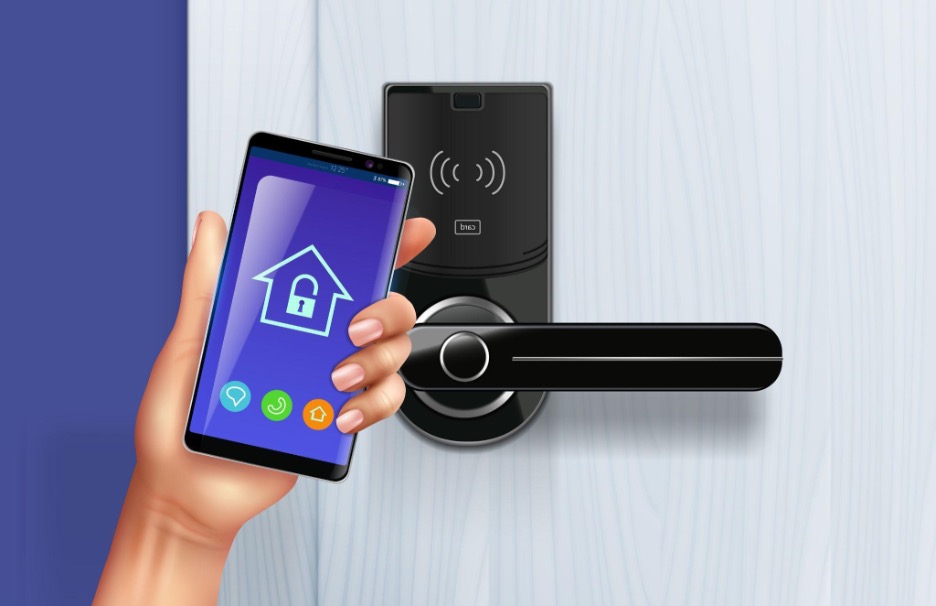
Let’s assume you come home with your hands full. You have groceries, a bag, or a coffee mug. With a traditional lock, you have to stop, put everything down, find your key, and unlock the door. It is a minor friction point, but it can occur every day.
A smart lock removes that hassle. If your model supports features like geofencing or fingerprint access, you can unlock the door in seconds, often before you even reach for your keys. It supports a slower, easier way of living by removing a daily annoyance.
Ditching the Doormat Routine
We have all hidden a key under a mat or inside a fake rock at some point. While convenient, it can also be a security nightmare.
Smart locks eliminate this need entirely. If you have a dog walker, a cleaner, or friends staying for the weekend, you can just issue them a temporary code.
It works while they are there, and you delete it when they leave. No keys to copy, no keys to lose, and no worrying about who has access to your home.
Mixing and Matching
A common mistake in buying smart locks is thinking you have to buy a matching set. You’ll sometimes see smart lock kits that include a handle, but the hardware can feel lighter than traditional door sets.
You’ll usually get a better result by separating the two. Start by choosing quality residential door hardware for your handle or lever. Opt for something that feels substantial in your hand, since you’ll touch it every day. Once you have the grip set you love, find a smart deadbolt that matches the finish code.
Retrofit Option
If you’re renovating an older home, you might have a vintage handle you want to keep. In that case, look for a retrofit smart lock.
These replace the thumb-turn on the inside of the door, allowing you to keep your original exterior hardware and existing keys. It’s the most respectful way to add technology to a historic or mid-century home.
The Analog Backup
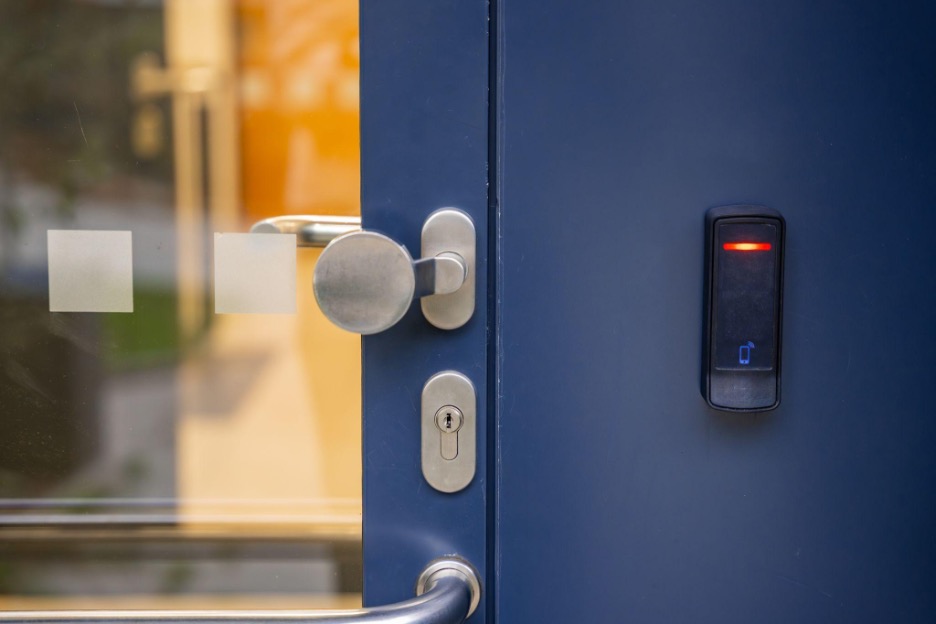
While keyless entry is convenient, fully removing keyholes everywhere might not be ideal. Batteries eventually die, and electronics need updates and maintenance regularly.
For a main entry door, it is always wise to keep a physical keyway. It gives you a failsafe. It also accommodates guests, relatives, or family members who might not be comfortable using an app or a code.
A home should work for everyone who lives there, not just the tech-savvy ones.
Parting Thoughts
Technology in the home works best when it stays functional without being too loud. We don’t need our front doors to show off. We just need them to work.
We need smart hardware that greets us when our hands are full and locks securely when we leave. By focusing on the material and mechanics first, you can build an entry that feels solid and looks great. As a bonus, it is also smart enough to let you in without a key. That is the balance worth aiming for! For those rethinking the visual character of their entry too, our piece on interchangeable front door design shows how adaptability and style can evolve together.
KŌŌI / KŌŌI Magazine / Living Smarter /



How to Install Recessed Lighting in a Kitchen
Learn how to install recessed lighting in kitchen spaces that brighten your home and boost its value!


Maximizing Comfort and Space: A Guide to Modern Beds in Winnipeg
From Murphy beds to adjustable and bunk designs, modern bed solutions reshape how compact homes function-balancing comfort, flexibility, and thoughtful space planning.
My Journey to Finding the Perfect Modern Cutlery Designs
Embark on my quest for chic table settings! Discover the ultimate modern cutlery designs for your dining delight.

Japandi Pronunciation: Mastering How to Pronounce Japandi and Understand Its Meaning
Learn how to pronounce Japandi and embrace cozy living with my simple guide to this fusion lifestyle!

Currently On Our Nightstand: The Little Book of Hygge
Discover how “The Little Book of Hygge” can cozy up your city life with minimalist decor and comfy rituals!
The Evolution of Contemporary Furniture in Modern Home Design
Contemporary furniture has evolved from early modernist principles into the warm, flexible, and functional designs shaping today’s interiors. Discover how architecture, materials, proportion, and comfort define modern home design.








 Blankets and Throws
 Home Accessories
 Furniture
 Rugs
Rugs Cushions
 Kitchen
 Cutlery and Dinnerware
 Drinkware
 Table Mats and Coasters
 Dining Accessories
 Tablecloths and Napkins
 Decorative Items
 Vases and Planters
 Wall Decor
 Bathroom Accessories
 Bathroom Storage
 Bath and Shower Mats
 Towels