FREE WORLDWIDE TRACKED SHIPPING

Do I need primer before painting — this is one of those questions people usually ask right before they open the paint can. Primer feels like an extra step. So the natural instinct is: can I skip it? Sometimes you can. Sometimes you really shouldn’t.
Quick Answer: Do You Need Primer?
- Yes — for new surfaces, major color changes, stains, or repairs
- No — for repainting similar colors on clean, smooth walls
What Does Primer Actually Do?
Primer isn’t just extra paint. It helps paint stick better, seals porous surfaces, creates an even base, and improves final color appearance. Think of it as a foundation — without it, paint can behave unpredictably, especially on tricky surfaces.
When You Definitely Need Primer
New Drywall or Bare Surfaces
Fresh drywall absorbs paint unevenly. If you skip primer, paint soaks in inconsistently, you use more paint overall, and the finish can look patchy. Primer seals the surface so your paint sits evenly.
Major Color Changes
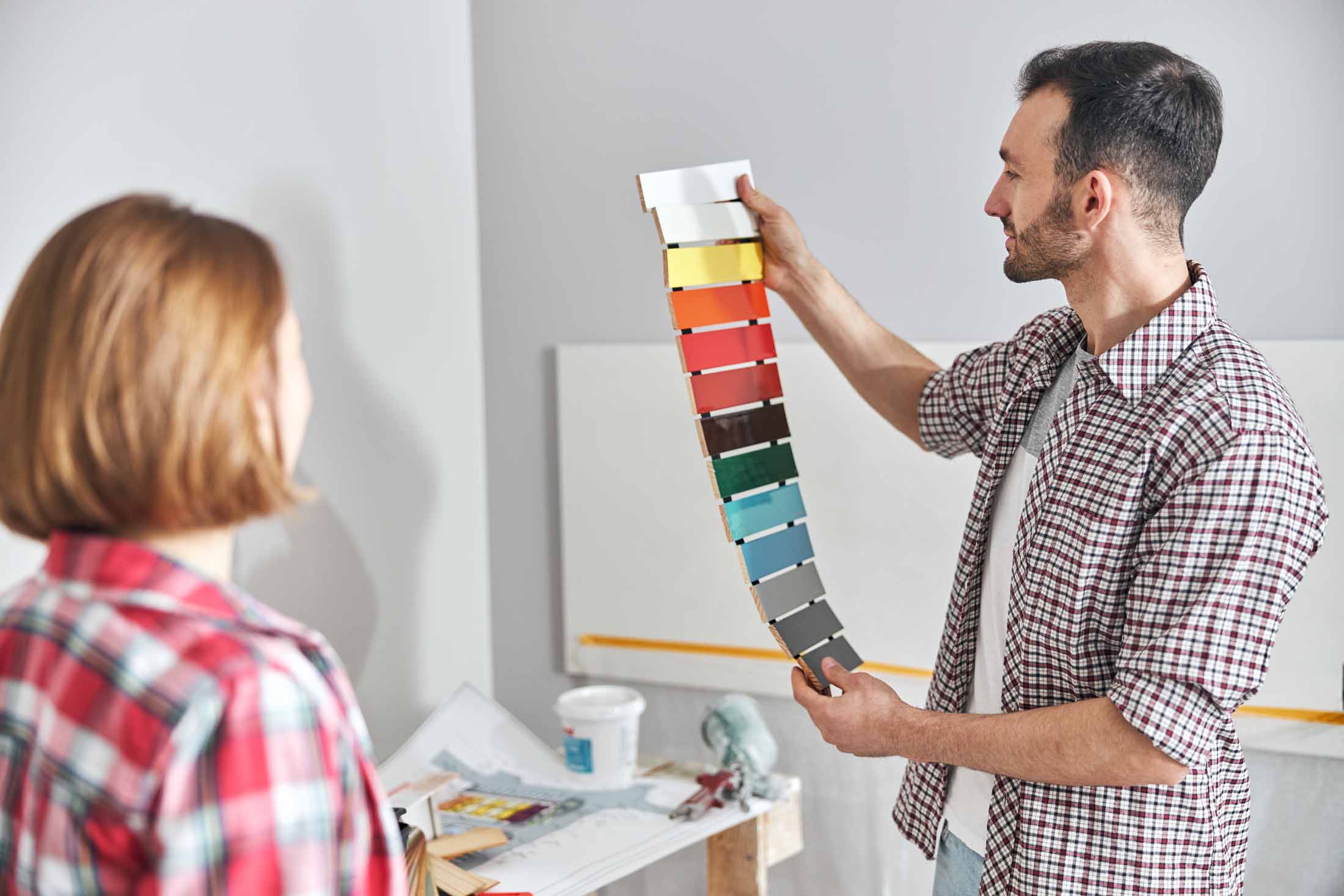
Going from dark to light without primer means extra coats, more paint than expected, and still possibly not getting full coverage. Primer reduces that struggle significantly.
Stains, Smoke, or Grease
These bleed through regular paint if not sealed properly. A stain-blocking primer stops them cold.
Repaired Walls
Patched areas absorb paint differently. Without primer, those spots show through the final coat — that’s usually the cause of that “flashy” uneven look.
When You Can Skip Primer
- Repainting the same or similar color on good-condition walls
- Clean, dry, smooth, previously painted surfaces
Paint-and-primer combo products can work for simple repaint jobs — but don’t rely on them for raw drywall, stains, or big color changes.
How Primer Affects Paint Coverage
This is the part most people don’t think about. Without primer, walls absorb more paint, you need extra coats, and coverage becomes inconsistent. With primer, paint spreads more evenly, you often need fewer coats, and total paint usage can actually decrease.
So primer can save paint — which is ironic, since people skip it to save money. To see exactly how your surface choice affects quantities, use the paint coverage calculator.
How to Decide Quickly
- New surface → use primer
- Big color change → use primer
- Stains or repairs → use primer
- Same color repaint on good walls → probably skip it
Primer Isn’t Always Necessary — But It’s Often Worth It
In the situations where you do need it, primer makes a huge difference: better coverage, fewer coats, cleaner finish. Combine that with a solid estimate from the paint coverage calculator and you’ll go into your project with a clear plan.
KŌŌI / KŌŌI Magazine / Living Smarter /


Upgrade Your Bathroom: Stylish and Functional Accessories for a Spa-Like Experience
Transform your bathroom into a luxurious spa-like retreat with stylish and functional accessories. Elevate your bathing experience, enhance organization, and


The Evolution of Contemporary Furniture in Modern Home Design
Contemporary furniture has evolved from early modernist principles into the warm, flexible, and functional designs shaping today’s interiors. Discover how architecture, materials, proportion, and comfort define modern home design.

Common Mistakes When Washing Weighted Blankets
Discover the most common mistakes people make when washing weighted blankets and how to avoid them. Keep your blanket fresh and damage-free with our expert tips.

10 Cozy Hygge Decor Ideas to Transform Any Space
Discover cozy hygge decor ideas that transform any space into a warm, inviting haven. Let’s get cozy!

How to Measure for Recessed Lights
Learn how to measure for recessed lights like a pro! I’ll share tips for perfect placement and design.

Creating a Home Exterior That Matches Your Interior Style
When the outside of your home reflects what’s inside, it creates a polished, welcoming look that feels intentional.








 Blankets and Throws
 Home Accessories
 Furniture
 Rugs
Rugs Cushions
 Kitchen
 Cutlery and Dinnerware
 Drinkware
 Table Mats and Coasters
 Dining Accessories
 Tablecloths and Napkins
 Decorative Items
 Vases and Planters
 Wall Decor
 Bathroom Accessories
 Bathroom Storage
 Bath and Shower Mats
 Towels