FREE WORLDWIDE TRACKED SHIPPING

How to measure a room for paint — this is the step most people rush… and then regret later. Measuring sounds simple, but using the wrong approach means running out mid-wall or buying way too much.
If you want to skip the math completely, use the paint coverage calculator — just plug in your dimensions and it handles everything. But here’s the full process so you understand what’s happening.
What You’re Actually Measuring (It’s Not the Floor)
You’re not measuring floor space. You’re measuring wall surface area. Even if you know your room is 12 × 12 ft, that doesn’t tell you how much paint you need. Wall height changes everything.
Step-by-Step: How to Measure a Room for Paint
Step 1: Measure Each Wall
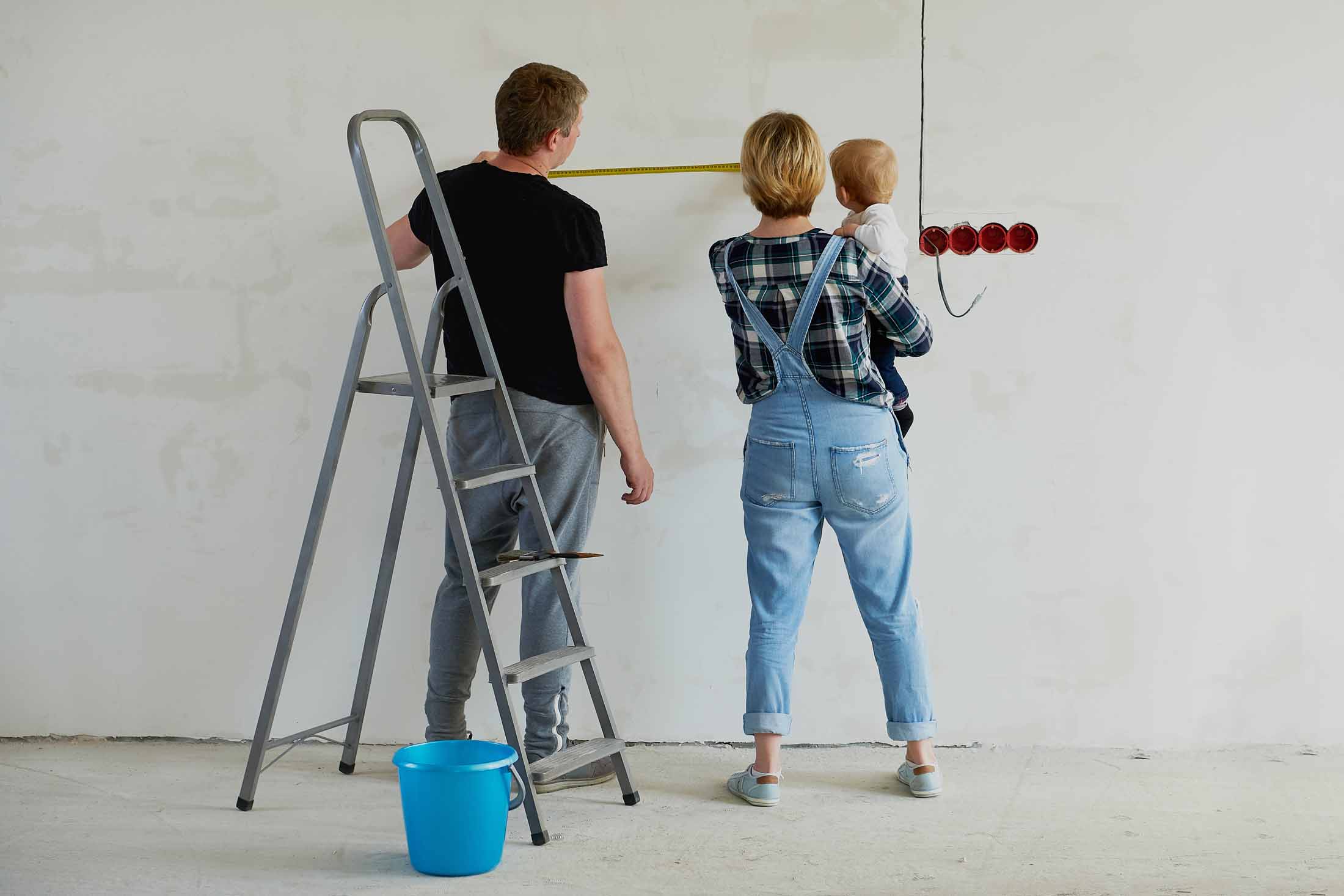
Measure the perimeter of the room and multiply by wall height. Perimeter × height = total wall area. This gives you your base number.
Step 2: Include the Ceiling (If Painting It)
If you’re painting the ceiling, add length × width to your total area. Simple, but easy to forget.
Step 3: Subtract Doors and Windows
Standard estimates: Door → ~20 sq ft (≈2 m²) | Window → ~15 sq ft (≈1.5 m²). You don’t need to be exact — just reasonably close. Skipping this step usually leads to overbuying.
Step 4: Multiply by Number of Coats

1 coat → keep your total as-is. 2 coats → double it. Most projects need two coats. Don’t skip this step.
Step 5: Convert Area to Paint Quantity
Divide your total area by paint coverage rate: approximately 350–400 sq ft per gallon or 8–10 m² per liter. That’s your paint estimate.
Example: Measuring a 12 × 12 ft Room
- Perimeter = 48 ft
- Wall area = 48 × 8 ft = 384 sq ft
- Subtract doors and windows → slightly lower
- Two coats → ~768 sq ft total
That adds up faster than people expect.
Common Mistakes When Measuring for Paint
- Using floor area instead of wall area
- Forgetting wall height
- Ignoring the second coat
- Not subtracting doors and windows
- Rounding too aggressively down
Always Round Up Slightly
Real-world painting includes touch-ups, uneven surfaces, and application differences. Rounding up slightly is much safer than running short mid-wall.
Measure Once, Paint With Confidence
Once you understand you’re measuring wall area — not floor space — everything makes more sense. Follow the steps, don’t forget the second coat, and use the paint coverage calculator to get a precise estimate in seconds.
KŌŌI / KŌŌI Magazine / Living Smarter /



Currently On Our Nightstand: The Little Book of Hygge
Discover how “The Little Book of Hygge” can cozy up your city life with minimalist decor and comfy rituals!


How to Position and Arrange a Throw on a Sofa: Style Ideas
Discover how to position a throw on a sofa with my easy styling tips for a cozy and modern living space!
Why European-Style Custom Cabinetry Is Redefining Modern Kitchen Design
As kitchen design moves toward clarity and efficiency, European-style custom cabinetry offers a measured approach built on precision, material integrity, and thoughtful use of space.

Simple Renovation Projects That Make a Big Lifestyle Impact
Simple renovation projects can change the way you feel about your home without turning life upside down. A few thoughtful

What Is Japandi? The Ultimate Guide to the Design Style That’s Taking Over Homes Everywhere
Japandi is where Japanese minimalism meets Scandinavian warmth. This guide breaks down the style, mindset, and must-haves so you can create a calm, cozy, and clutter-free home that actually feels like you.

What Makes Modern Interior Doors Look Clean and Timeless
Modern interior doors can transform a space with clean lines and timeless design. Discover styles, materials, and ideas for choosing the perfect doors for your home








 Blankets and Throws
 Home Accessories
 Furniture
 Rugs
Rugs Cushions
 Kitchen
 Cutlery and Dinnerware
 Drinkware
 Table Mats and Coasters
 Dining Accessories
 Tablecloths and Napkins
 Decorative Items
 Vases and Planters
 Wall Decor
 Bathroom Accessories
 Bathroom Storage
 Bath and Shower Mats
 Towels