FREE WORLDWIDE TRACKED SHIPPING

A coffee corner can do a lot for a home. It can make a kitchen feel more intentional, give the morning routine a calmer shape, and turn an ordinary counter into a small daily ritual.
The problem is that coffee corners can get crowded fast. Mugs multiply. Spoons drift. Syrups and jars take over the tray. What starts as a quiet little setup can become one more place that needs tidying.
The best version is not the most decorated one. It is the one that feels good to use every day. A calm coffee corner should make the space look finished, but it should also make it easier to pour, reach, wipe, and reset without thinking about it too much.
Here is the approach we use when we want a coffee corner to feel collected instead of cluttered.
Start with the routine, not the props
Before buying trays, baskets, or shelf decor, look at how the coffee corner is actually used.
Ask a few simple questions:
- How many people use it each day?
- Is it mainly for coffee, tea, or both?
- Is the space used in a hurry on weekdays or slowly on weekends?
- Does it need to work for guests too?
- Is the coffee maker tall enough for the cabinet or shelf above it?
These details matter more than styling trends. A coffee corner for one person who drinks a quick mug before work will look different from a family setup that gets used all day.
When the layout follows the routine, it stays useful. When it follows only a visual idea, it usually looks good for one afternoon and then starts feeling awkward.
Keep the mug selection small on purpose
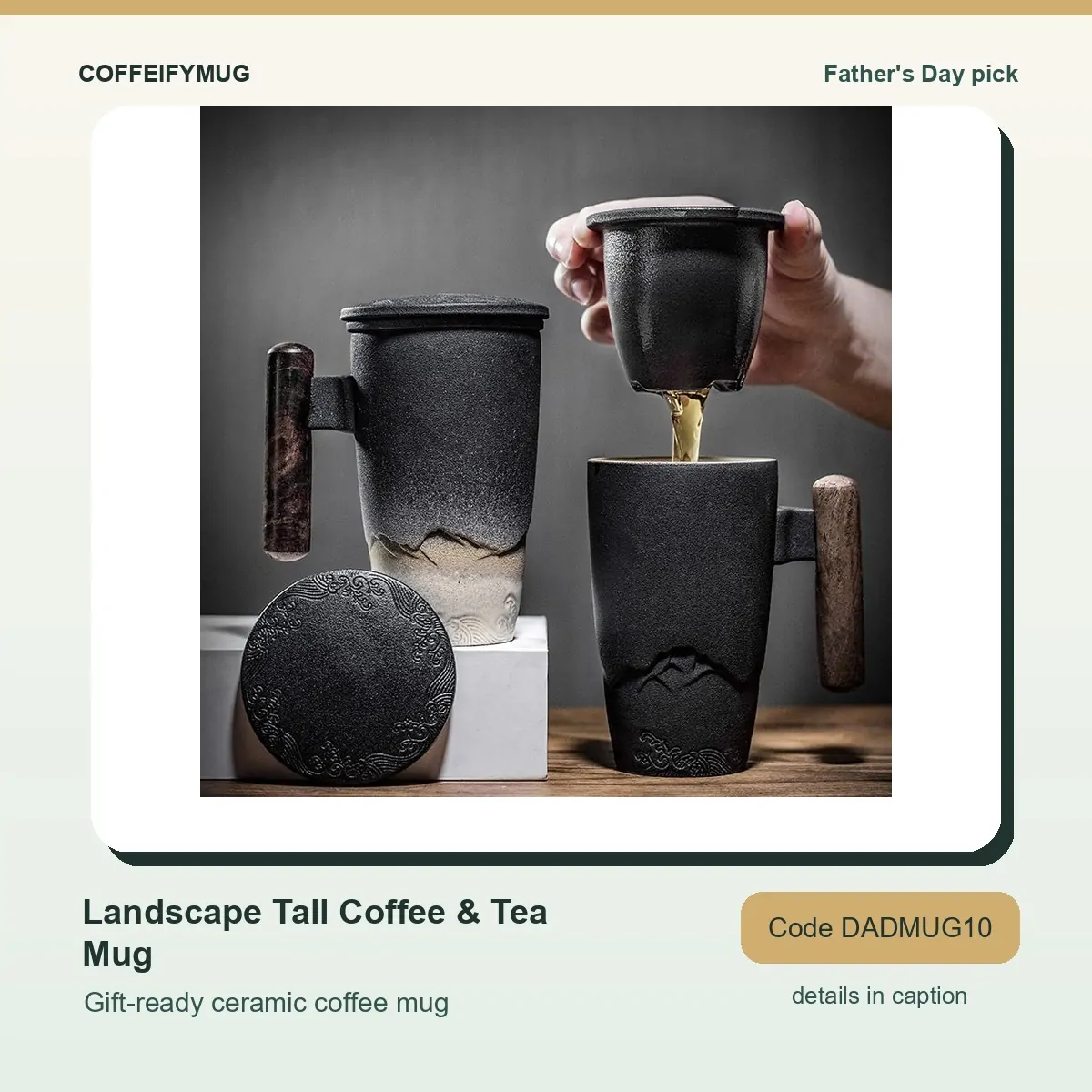

One of the easiest ways to make a coffee corner feel calmer is to reduce the number of mugs on display.
Most homes only need a few mugs within reach:
- one everyday mug
- one backup mug for another person
- one smaller cup for tea or slower sipping
That is usually enough to create a warm, lived-in feel without filling every inch of the shelf.
If you like collecting mugs, store the rest elsewhere and rotate them by season or mood. A display feels more relaxed when it is edited rather than packed.
For readers comparing proportions and silhouettes, the Coffee Mug Photo Picker can help narrow the size and shape before styling the corner.
Use one tray to define the zone
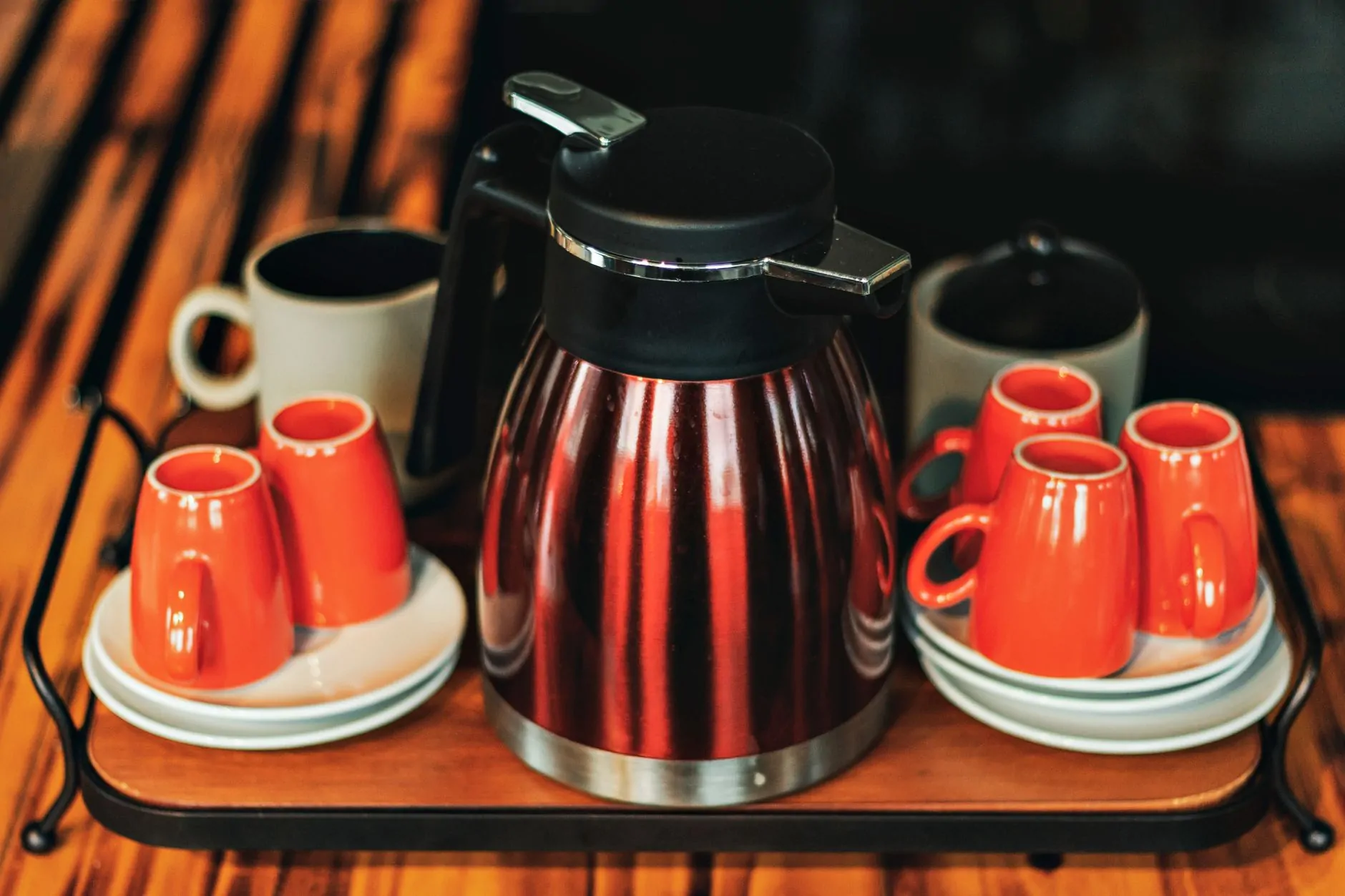
A tray is one of the simplest tools for making a coffee corner feel intentional.
It gives the setup a boundary. It keeps little objects from spreading across the whole counter. It also makes cleanup easier because everything can lift at once.
A good tray usually holds only the essentials:
- mugs in active rotation
- sugar or sweetener
- a small jar of coffee or tea
- one spoon rest or napkin stack
- maybe one small plant or candle
Once the tray becomes a storage bin for everything, the calm feeling disappears. The tray should support the ritual, not swallow it.
Let materials do the styling
The quietest coffee corners usually work because the materials repeat in a gentle way.
That does not mean everything has to match perfectly. It simply helps when the pieces feel related.
For example:
- ceramic mugs with a wood tray
- matte metal with a linen cloth
- stoneware with a simple glass jar
- neutral mugs with one textured accent nearby
When too many finishes compete at once, even a small coffee corner can feel busy. Repeating just two or three materials creates more visual rest.
Color matters too. Soft neutrals, muted greens, warm white, and earthy tones tend to feel calmer than a setup that uses every bright accent at once.
Leave breathing room on purpose
A coffee corner does not need to be full to feel complete.
In fact, one of the most common styling mistakes is trying to fill every available inch. A little open space helps the corner breathe and makes the whole kitchen feel less visually heavy.
That breathing room also matters for daily use. You still need space to:
- place a mug down without moving something else
- pour from a kettle or coffee pot
- open a tin or container
- wipe a spill quickly
If the coffee corner only looks good when nothing is touching, it is probably too crowded.
Keep the storage nearby, not inside the display
The most practical coffee corners usually hide the backup items somewhere close by.
That might mean:
- extra filters in a drawer
- tea bags in a small bin
- spare pods in a cabinet
- infrequently used mugs in another shelf
The display area should hold the active pieces. The rest can stay close without being visible.
That balance is what keeps a coffee corner from turning into a catch-all.
Add one personal detail, then stop
A coffee corner feels warmer when it includes one small personal touch.
That could be:
- a tiny framed print
- a plant
- a folded linen napkin
- a favorite mug with a distinctive glaze
- a candle that fits the room
One or two personal details are enough. When every object tries to become decor, the setup starts to feel busy again.
The best corner usually has one object that gives it character, and the rest simply support the routine.
Make cleanup part of the design
A calm coffee corner only stays calm if it is easy to reset.
That means choosing pieces that are easy to wipe, easy to move, and easy to put back in place. If a setup takes five minutes to straighten every time, it will eventually feel like work.
The easiest coffee corners to maintain usually share a few traits:
- wipeable tray surface
- mugs that stack or store easily
- few loose items
- simple containers
- clear landing space for a used mug
Design is not just about how a space looks at its best. It is also about how quickly it comes back to normal after a busy morning.
Final thought
A coffee corner works best when it supports the habit instead of trying to perform for the room.
Start smaller than you think. Keep the mug count low. Let a tray define the zone. Repeat a few quiet materials. Leave some open space. Then add just one personal detail that makes the corner feel like it belongs in your home.
That is usually enough to make the setup feel calm, useful, and easy to keep up.



Modern Paving Choices for Stylish Outdoor Spaces
Discover modern paving choices for stylish outdoor spaces, including materials, finishes and design ideas for practical exterior living.


The Hidden Life of Carpets: How Floor Textiles Shape Comfort, Freshness, and Everyday Living
Carpets do more than soften a room visually. They shape comfort, freshness, and the everyday atmosphere of a home in ways that are often overlooked

The Growing Popularity of Bespoke Garden Spaces
Explore the growing popularity of bespoke garden spaces, from garden rooms and studios to flexible outdoor living areas.

How to Downsize Without Losing What Matters
Downsizing home can reduce expenses and simplify life when planned carefully. Learn how to evaluate finances, declutter efficiently, choose the right property, and transition smoothly

The Basics: How to Keep Your Home from Piling Up
People often treat decluttering like it’s a one-time event. But lasting order comes from small, steady actions—not giant sprints that leave you wiped out and right back where you started in six months.

Recessed Lighting Templates for Different Room Sizes
Discover my recessed lighting template for any room size and create the perfect ambiance in your home!








 Blankets and Throws
 Home Accessories
 Furniture
 Rugs
Rugs Cushions
 Kitchen
 Cutlery and Dinnerware
 Drinkware
 Table Mats and Coasters
 Dining Accessories
 Tablecloths and Napkins
 Decorative Items
 Vases and Planters
 Wall Decor
 Bathroom Accessories
 Bathroom Storage
 Bath and Shower Mats
 Towels