FREE WORLDWIDE TRACKED SHIPPING

When Fitness Becomes Part of Everyday Living
In recent years, the boundaries between living, working, and wellness spaces have increasingly dissolved. Homes have become offices, offices have softened into lounges, and the once separate world of fitness has quietly migrated into the fabric of everyday life.
As a result, a new design philosophy is emerging—one that no longer seeks to hide the tools of personal wellbeing, but instead integrates and displays them with intention.
The Rise of Marble Dumbbells and Kettlebells in Modern Interiors
Among the most intriguing expressions of this shift is the rise of aesthetic marble dumbbells and kettlebells objects that deliberately blur the line between functional training equipment and collectible design.
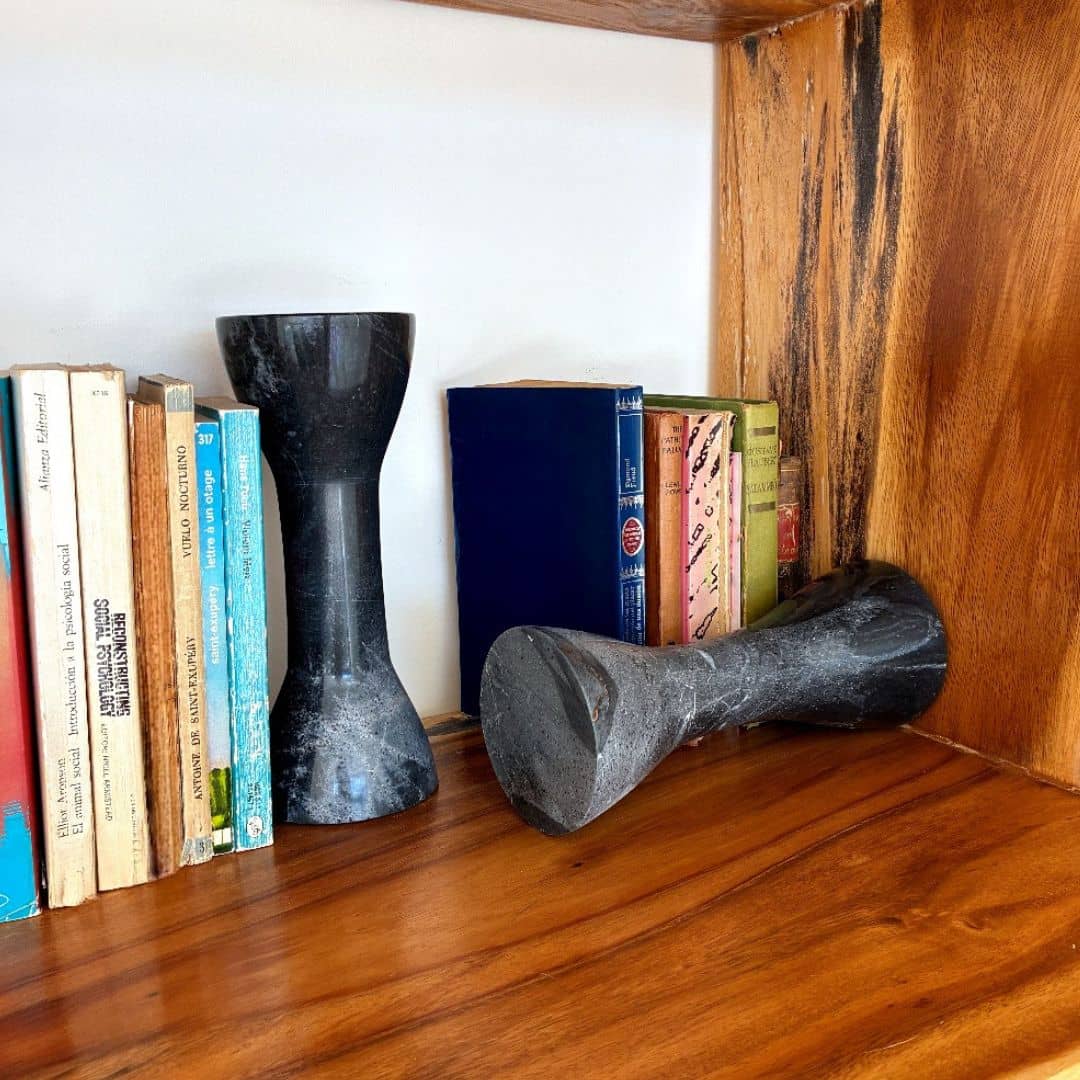
This trend is not about luxury for luxury’s sake. Rather, it reflects a deeper cultural movement: the desire to integrate health seamlessly into daily life, without the visual noise or disruption traditionally associated with gym gear. For many people—especially those navigating demanding professional and personal schedules—the idea of dedicating a separate room, or even a full uninterrupted hour, to exercise feels increasingly unrealistic. The future of wellness, it seems, lies in objects that adapt to the rhythm of real life rather than insisting life adapt to them.
Visibility as Invitation, Not Disruption
For most people, the greatest barrier to consistent exercise is not a lack of motivation, but a lack of time. A full workout session can feel impossible between work, family, and personal commitments. Yet movement does not need to be lengthy to be effective. Ten or fifteen minutes a day, repeated consistently over time, can meaningfully support strength, mobility, and balance. The challenge has always been accessibility—making those moments of movement easy to begin and effortless to repeat.

Conventional fitness equipment often works against this goal. Bulky, visually intrusive, and designed to be stored out of sight, traditional gym tools tend to disappear into closets and corners. When exercise equipment is hidden, it also disappears from daily awareness. Design-led marble dumbbells propose the opposite approach: visibility as invitation. When a weight already belongs to the environment—resting on a shelf, beside a desk, or near a sofa—it becomes easier to pick it up, engage in brief movement, and return it without friction or mental resistance.
Why Material Choice Matters
Material choice plays a central role in this philosophy. Marble, long associated with classical sculpture and architecture, carries an inherent sense of permanence and calm. Its weight feels grounded and honest in the hand, while its cool, tactile surface creates a sensory experience absent from synthetic materials. Unlike plastic or rubber, marble ages with dignity, developing subtle marks that speak of use rather than deterioration. In this context, weight becomes more than resistance; it becomes a physical dialogue between the body and something elemental and enduring.
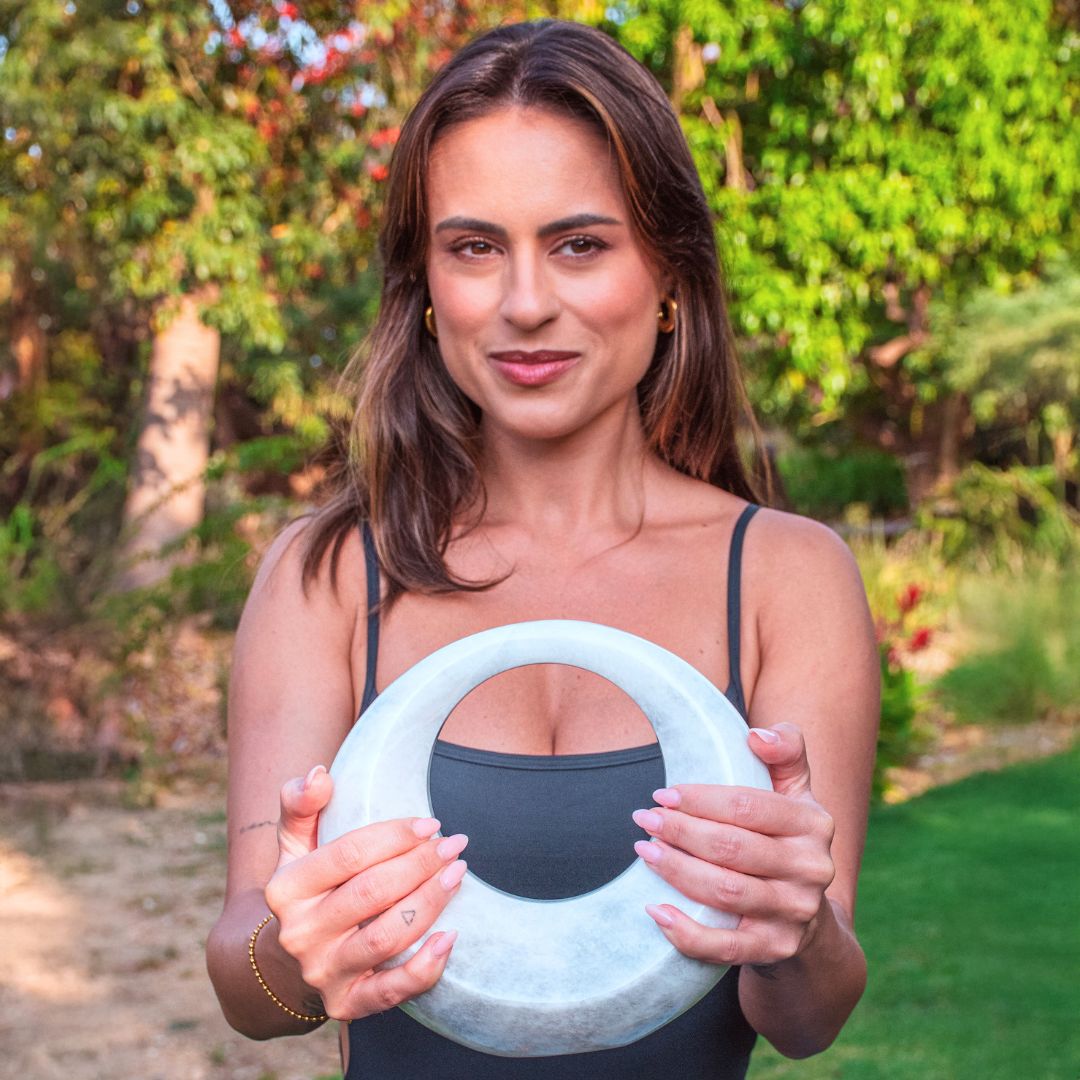
Form is equally essential. These dumbbells are not conceived as industrial tools, but as sculptural objects defined by soft geometry and balanced proportions. Their shapes are intentionally ambiguous—at once training equipment and abstract statue. When an exercise session ends, they do not need to be hidden away. They remain present, contributing to the atmosphere of a room whether placed in a living space, a private gym, or even an office environment. This merging of utility and art echoes a long-standing tradition in design, where the most successful objects enrich daily life on multiple levels.
Marble Dumbbells and Kettlebells as Objects of Daily Ritual
There is also a psychological dimension to this dual purpose. When fitness tools feel visually aligned with one’s surroundings, they no longer interrupt daily life but become part of it. Movement shifts from an obligation to a rhythm—something that adapts naturally to the flow of the day. A few repetitions between meetings, a short routine while waiting for coffee, or a grounding moment at the end of the afternoon. Over time, these small gestures accumulate into lasting physical benefit.
Design, Longevity, and the Rejection of Disposable Fitness
This approach closely aligns with contemporary lifestyle values: sustainability, intentionality, and quality over quantity. Rather than owning multiple pieces of equipment with singular purposes, one thoughtfully designed object can fulfill both practical and aesthetic roles. It reduces clutter, encourages mindful consumption, and supports long-term use. In this sense, sculptural dumbbells are as much about living thoughtfully as they are about training effectively.
Design studios exploring this territory often draw inspiration from both classical art and modern interiors. One such example is Forzini, whose work with marble reflects a broader interest in merging craftsmanship, natural materials, and contemporary living. Within ongoing discussions about how natural stone can re-enter everyday rituals—not merely as decoration, but as functional companion—such projects are increasingly referenced as part of a wider dialogue between design and wellbeing.
Importantly, this trend does not suggest replacing professional training or transforming every home into a gallery. Instead, it acknowledges diversity in lifestyles. For those who travel frequently, work long hours, or prefer a more fluid relationship with exercise, having a beautiful object that supports short, consistent movement can be quietly transformative. It reframes fitness as adaptable, personal, and integrated rather than rigid or separate.
A Quiet Shift Toward Integrated Wellness
As our environments continue to shape our habits, the objects we choose matter. Sculptural marble dumbbells represent a subtle but meaningful shift—from hiding effort to acknowledging it, from separating beauty and function to allowing them to coexist. They remind us that strength can be quiet, that movement can be brief yet powerful, and that even the simplest daily rituals deserve thoughtful design.
In the end, the true innovation lies not in the object itself, but in the mindset it encourages—one where wellbeing is not scheduled away from life, but lived, lifted, and shaped within it. For those optimizing a smaller space around this lifestyle, our guide to smart interior changes that work in small homes covers the design decisions that make it possible.


10 Essential Home Organization Hacks for a Clutter-Free Space
A cluttered home can lead to stress and a lack of productivity. However, with the right organization hacks, you can
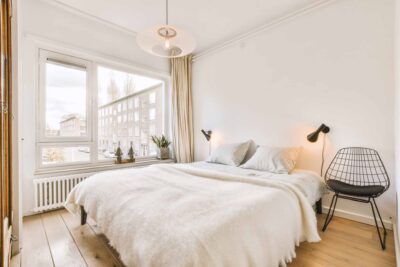
Bedroom Hygge Decor: 7 Simple Tips for a Relaxing Sleep Space
Transform your space with bedroom hygge decor! Discover 7 tips for a cozy, minimalist sanctuary.


How to Dry a Weighted Blanket: Tips for Best Results
Learn how to dry a weighted blanket safely with these expert tips. Discover the best methods for air-drying and tumble-drying without causing damage.

Get Your Home Office in Order: Must-Have Products for Increased Productivity
Working from home has become the norm for many, making it essential to have a well-organized and efficient home office.
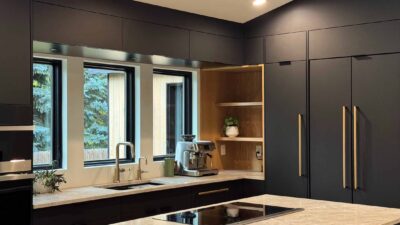
Why European-Style Custom Cabinetry Is Redefining Modern Kitchen Design
As kitchen design moves toward clarity and efficiency, European-style custom cabinetry offers a measured approach built on precision, material integrity, and thoughtful use of space.

Best Detergents for Washing Weighted Blankets
Find out which detergents are safest for washing weighted blankets. Protect your blanket from damage with these gentle, hypoallergenic options.








 Blankets and Throws
 Home Accessories
 Furniture
 Rugs
Rugs Cushions
 Kitchen
 Cutlery and Dinnerware
 Drinkware
 Table Mats and Coasters
 Dining Accessories
 Tablecloths and Napkins
 Decorative Items
 Vases and Planters
 Wall Decor
 Bathroom Accessories
 Bathroom Storage
 Bath and Shower Mats
 Towels