FREE WORLDWIDE TRACKED SHIPPING

Modern kitchens have evolved far beyond simple food preparation spaces. Today, they function as social hubs, design statements, and highly engineered environments where aesthetics and performance must work in harmony. As homeowners and designers continue to prioritize clean lines, intelligent layouts, and long-term durability, European-style custom cabinetry is gaining momentum—and for good reason.
Rather than following short-lived trends, this approach to cabinetry emphasizes thoughtful design, advanced materials, and precision hardware. The result is a kitchen that feels calm, intentional, and built to last.
The Shift Toward Purpose-Driven Kitchen Design
In recent years, kitchen design has shifted toward minimalism and efficiency. Open floor plans, integrated storage, and streamlined surfaces have become increasingly desirable, especially in urban and contemporary homes. European-inspired kitchens address these needs by focusing on function-first design, where every cabinet, drawer, and panel serves a clear purpose.
Custom cabinetry plays a critical role here. Instead of working around standard cabinet sizes, designers can tailor storage to the space itself—maximizing usability while maintaining visual balance. This flexibility allows kitchens to feel more spacious, even when square footage is limited.
Why Custom Cabinetry Makes the Difference
Custom cabinetry allows designers to respond to how a kitchen is actually used. Pantry storage can be built around cooking habits, drawer systems can be sized for specific cookware, and cabinet heights can align perfectly with appliances and architectural features.
More importantly, custom cabinetry offers control over materials and construction methods, which directly impact durability and performance. This level of precision is especially important in kitchens, where heat, moisture, and daily use demand materials that perform consistently over time.
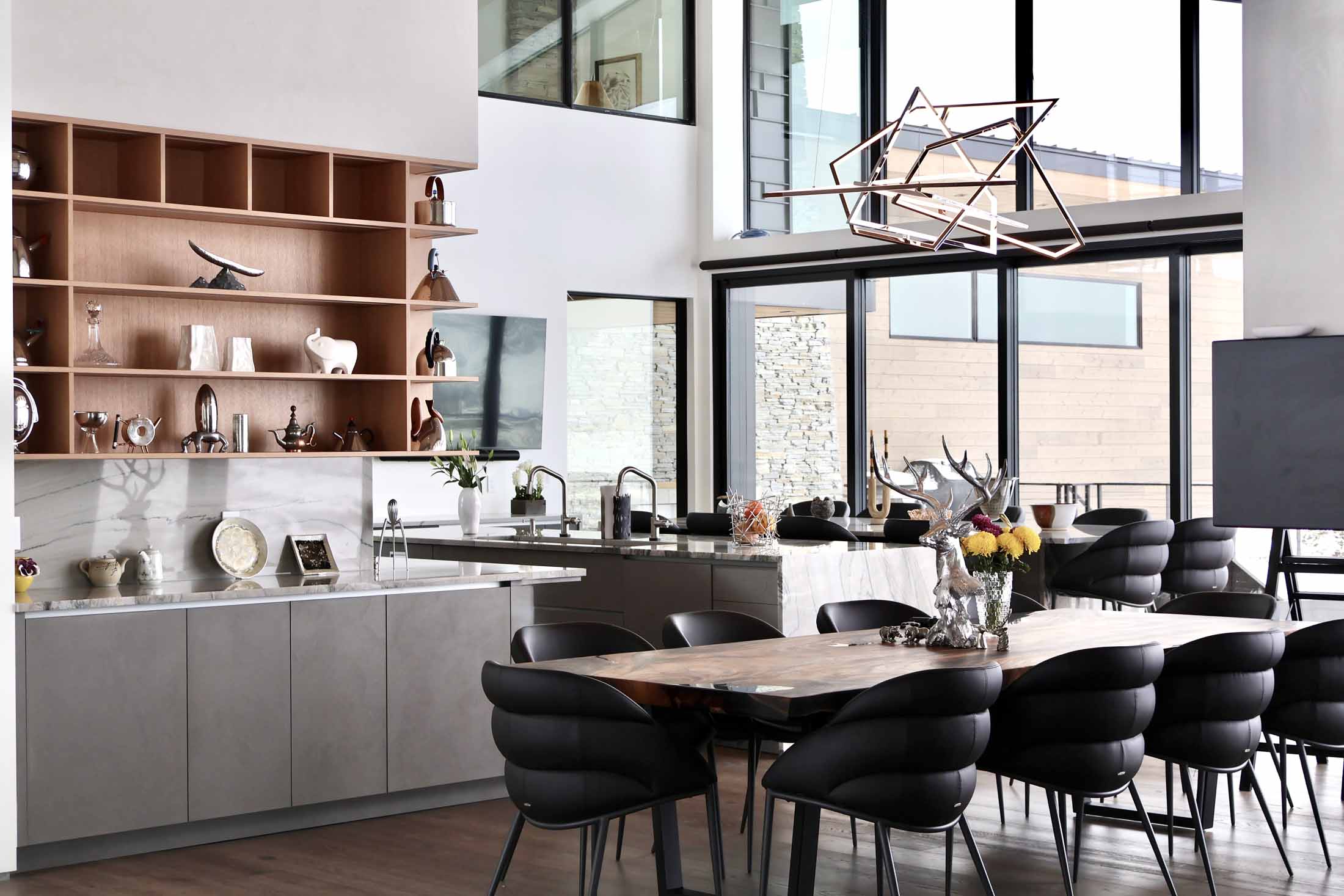
The Importance of Material Selection
Materials define both the appearance and longevity of cabinetry. European-style kitchens often rely on engineered panel systems designed for stability, surface consistency, and resistance to wear.
Common material choices include:
- High-pressure laminates (HPL) with matte or soft-touch finishes for fingerprint resistance and durability
- Veneered panels that combine real wood aesthetics with engineered cores for dimensional stability
- Painted MDF or HDF panels, finished in controlled environments for smooth, seamless surfaces
- Acrylic and ultra-matte panels for reflective or velvety textures with modern appeal
These materials offer predictable performance while maintaining a refined aesthetic—an essential balance in contemporary design.
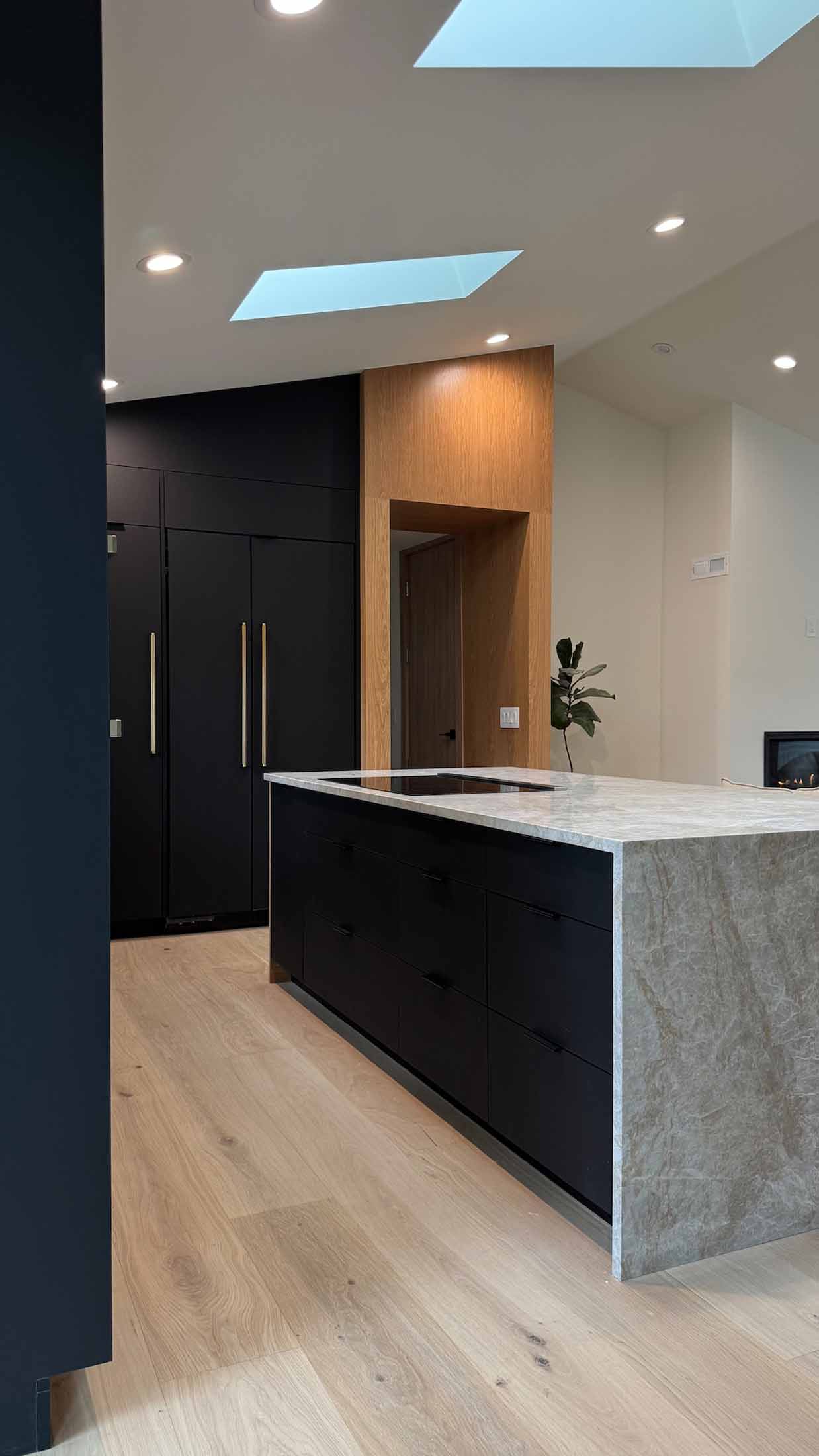
Hardware: The Hidden Engine of Cabinetry
While surfaces attract attention, hardware defines how cabinetry feels in daily use. European cabinetry systems prioritize precision-engineered hardware, often sourced from manufacturers known for innovation and longevity.
Soft-close hinges, synchronized drawer runners, lift systems, and integrated organizers ensure smooth movement and quiet operation. Just as importantly, these components support heavier loads and maintain alignment over years of use.
When paired with custom cabinetry construction, high-quality hardware transforms storage into an intuitive experience—one that feels effortless rather than mechanical.
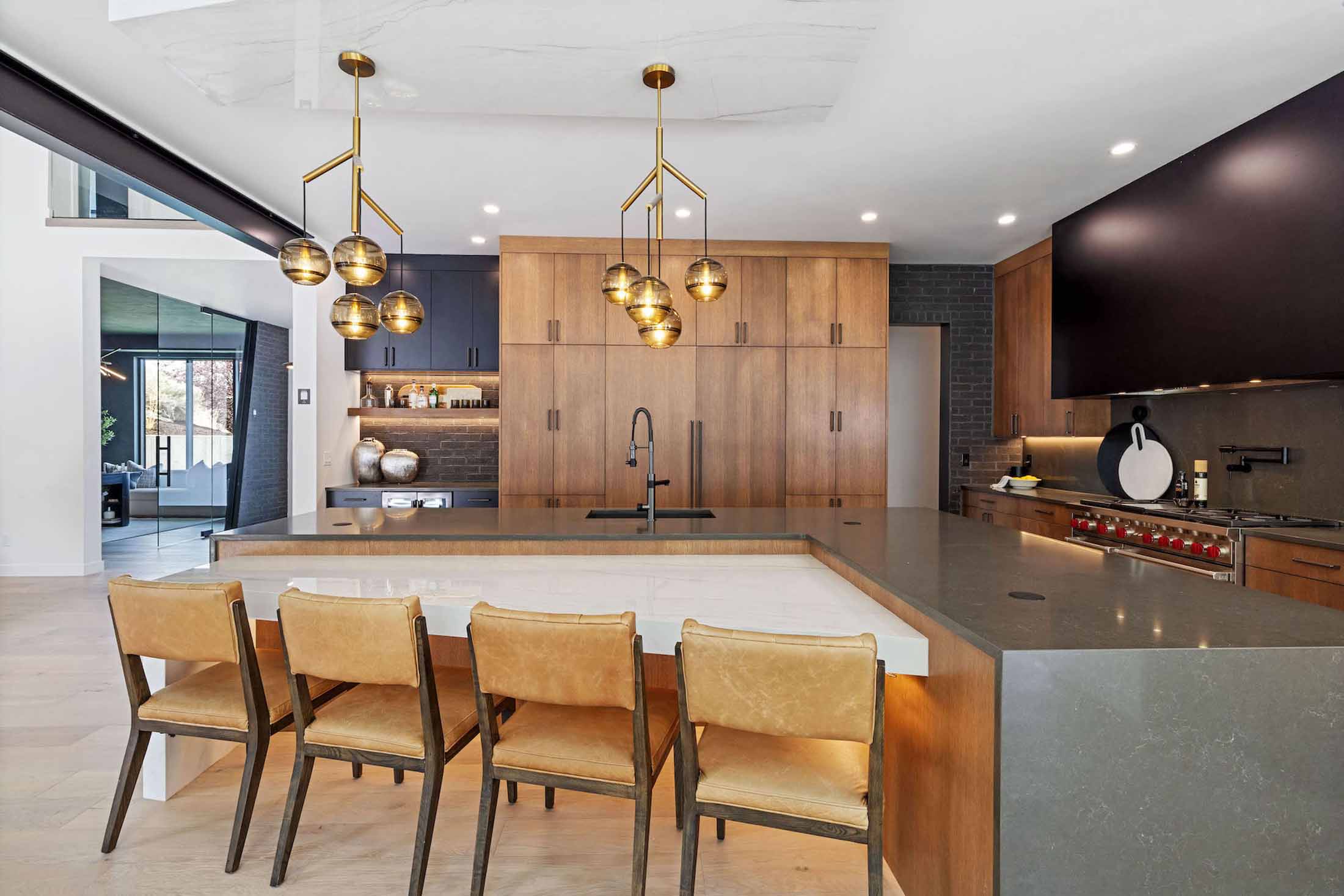
Pantry Design as a Functional Centerpiece
The modern pantry has become a focal point in kitchen design. No longer hidden or secondary, pantry cabinetry now supports both storage and organization in highly intentional ways.
European-style pantry solutions often include:
- Full-height cabinets for maximum vertical storage
- Pull-out systems for visibility and accessibility
- Integrated lighting for improved usability
- Clean, handle-less fronts that maintain visual continuity
By designing the pantry as part of the cabinetry system rather than an afterthought, kitchens achieve both efficiency and cohesion.

Why European Design Is Gaining Popularity
European cabinetry aesthetics resonate with homeowners seeking calm, clutter-free interiors. Flat-panel doors, muted color palettes, and minimal ornamentation allow materials and proportions to take center stage.
Beyond appearance, European cabinetry reflects a design philosophy rooted in precision manufacturing and long-term performance. Every component—from panel cores to edge treatments—serves a functional purpose, reducing visual noise while improving usability.
As a result, kitchens designed around this approach feel timeless rather than trendy.

A Design Approach Built to Last
European-style custom cabinetry aligns seamlessly with modern living. It supports evolving lifestyles, adapts to architectural constraints, and prioritizes quality over excess. When combined with thoughtful material selection and high-performance hardware, it creates kitchens that function beautifully for years to come.
For homeowners and designers alike, this approach represents a shift toward intentional design—where every detail contributes to both form and function.



The Hidden Life of Carpets: How Floor Textiles Shape Comfort, Freshness, and Everyday Living
Carpets do more than soften a room visually. They shape comfort, freshness, and the everyday atmosphere of a home in ways that are often overlooked


How I Chose the Best Minimalist Cutlery Sets for My Home
Join me on a journey to find the best minimalist cutlery sets for your home sweet home!

What Size Recessed Lights Should I Use?
Wondering what size recessed lights should I use? Learn tips to brighten your home beautifully!

Throw Placement and Styling: Tips for a Stylish Living Room
Discover my favorite tips for throw placement on couch to create a cozy, stylish living room you’ll love!
6-Inch vs 4-Inch Recessed Lights: Which is Better?
Join us as we explore 6 inch vs 4 inch recessed lights to find the perfect fit for your home’s lighting!
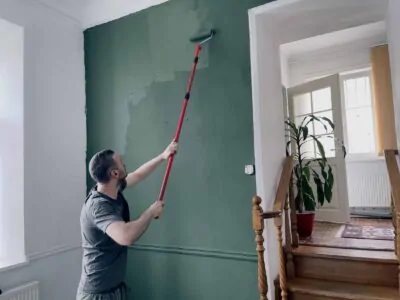
How to Paint a Room: Step-by-Step Guide for Beginners and Pros
A practical step-by-step guide to painting any room like a pro — from surface prep and tools to applying the final coat without the mess.








 Blankets and Throws
 Home Accessories
 Furniture
 Rugs
Rugs Cushions
 Kitchen
 Cutlery and Dinnerware
 Drinkware
 Table Mats and Coasters
 Dining Accessories
 Tablecloths and Napkins
 Decorative Items
 Vases and Planters
 Wall Decor
 Bathroom Accessories
 Bathroom Storage
 Bath and Shower Mats
 Towels