Turning your side hustle into a legitimate business can be exciting, but it can also feel overwhelming, especially when rapid growth is unexpected. Most founders view sustainability as an item to include at some point after their financials have stabilized; however, companies that are truly successful today include it in their model from inception. Sustainability results in clean margins, clean relationships with customers, and a clean head for the founder(s).
The list below outlines a practical and contemporary road map for entrepreneurs looking to grow while maintaining the three main items above: a healthy home life, a healthier environment, and a business model that will continue to be viable regardless of trends.
The New Era of Growth: Where Sustainability Meets Practicality
There is a shift happening in small business culture. People want to support brands that operate with intention. They want to know that the founder cares about the way things are sourced, packaged, disposed of, and reused. This isn’t about perfection. It is about quiet decisions that show thoughtfulness.
Sustainability also makes the business easier to run. It reduces clutter in your processes, in your supply chain, and in your overhead. A founder who understands how to build a streamlined operation ends up with more time to create value in places that matter. And this is exactly how a side hustle begins to feel like an actual company.
Start With the Space You Already Own
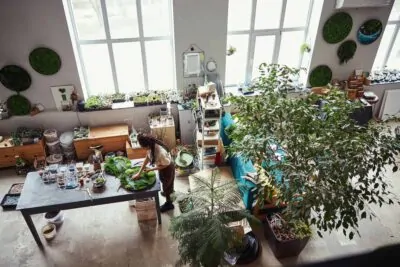
Every business begins in a home. Maybe you’re creating candles, building custom furniture, running a micro-cleaning service, or offering workshops around lifestyle transformation. Whatever the model, your home environment sets the tone for how your business behaves.
Keeping the workspace clean is more than hygiene. It is a system for protecting your energy and working efficiently. Dedicate zones for storage, production, packaging, and admin tasks. Avoid mixing life clutter with business clutter because the moment those lines blur, everything else follows.
Build a Brand People Can Actually Feel Good About
Customers are looking for companies they can feel good about purchasing from. Customers know what shortcuts look like, even if it appears as though a company has invested in a well-designed website. Customers seek evidence that a business cares. It is the details that tell the customer’s story.
When selecting products, select them with thought. When choosing shipping, choose options that provide a reasonable trade-off between the price you pay and the potential negative long-term effects on the environment. Create a simple return/reuse option so that customers will be encouraged to interact with your brand again. While a small gesture may not establish a customer base, consumers appreciate knowing their purchase is supporting a thoughtful business and not one that is careless.
There is an unexpected benefit to being responsible. An ethical business builds credibility beyond attracting customers. Responsible businesses attract not only customers but also other responsible businesses (collaborators/suppliers) and even landlords that wish to do business with organizations that operate responsibly.
Profitability and Sustainability Are Not Opposites
A surprising number of founders believe sustainability is expensive. In reality, it just forces you to design operations with discipline. Efficiency always makes money.
Consider packaging. Over-packaging drains profit margins and adds no value to the customer experience. Streamlined packaging cuts cost, strengthens your brand story, and reduces your environmental footprint. Another example is energy usage. Switching to LED lighting or more strategic working hours keeps your utility bill in check while making your operations cleaner.
Profitability is shaped by the decisions you make long before you scale. Build lean systems early, and scaling becomes an advantage instead of a problem you have to solve retroactively.
Sustainable Marketing: Reach the Right People Without Wasting Effort
Marketing can become wasteful when it is guided by panic or imitation. Sustainable marketing works differently. It is targeted, intentional, and rooted in value.
Focus on platforms where your audience already behaves with commitment. The goal is not to appear everywhere. It is to appear meaningfully in the places that matter. Create content that makes customers feel smarter, more capable, or more inspired. People return to brands that give them something beyond a product.
The right tools make this kind of marketing easier. For example, entrepreneurs in eco-focused home services often use a dumpster rental leads app to gather local demand without spending endless hours on ineffective ads. Tools like these are the bridge between intentional marketing and predictable revenue.
Clean Systems Generate Trust – Turn Operations into Rhythm and Ritual
Businesses are successful when they develop a rhythm or a ritual in their daily activities. Habitual routines may help with efficiency, but they will rarely create clarity and order in a growing organization. In an environment with systems that operate in harmony, customers trust the reliability of the business.
Weekly cleanups of your workspace keep you focused. Monitor the amount of waste you generate and identify areas of waste generation. Develop a regular review process of how many supplies you have used and find vendors who align with your values. This creates long-term stability and builds an internal culture of sustainability regardless of whether you are working by yourself or as a group.
Many people don’t understand that sustainability is primarily based on a rhythmic pattern, a pattern that supports the type of founder you wish to be.
Planet-Friendly Practices That Scale With You
The beauty of modern entrepreneurship is how accessible greener systems have become. You can adopt small changes that scale naturally.
Digitize what you can. Reduce physical paperwork. Encourage customers to opt for digital receipts and instructions. Use suppliers that offer carbon-neutral delivery. Think about second-life opportunities for your products, like refill options or repurposing programs.
These aren’t features reserved for big brands. They are tools available to every entrepreneur willing to think three steps ahead.
Final Thoughts: Build Something Worth Keeping
A sustainable business is not defined by size. It is defined by longevity. When you build with intention, the business lasts long enough to become meaningful. You get to grow without compromising your values. Your customers get a brand they trust. The planet gets fewer unnecessary footprints. That same mindset applies at home — our guide to extending the life of interior furniture takes the same approach to thoughtful, low-impact living.
KŌŌI / KŌŌI Magazine / Living Smarter / From Side Hustle to Sustainable Business: Keeping Your Home, Planet, and Profits Clean
 FREE WORLDWIDE TRACKED SHIPPING
















 Blankets and Throws
 Home Accessories
 Furniture
 Rugs
Rugs Cushions
 Kitchen
 Cutlery and Dinnerware
 Drinkware
 Table Mats and Coasters
 Dining Accessories
 Tablecloths and Napkins
 Decorative Items
 Vases and Planters
 Wall Decor
 Bathroom Accessories
 Bathroom Storage
 Bath and Shower Mats
 Towels