FREE WORLDWIDE TRACKED SHIPPING
Why the Most Used Objects in a Home Are Rarely the Most Visible
 By Laura Jones
The objects that shape our days most consistently are rarely the ones we notice.
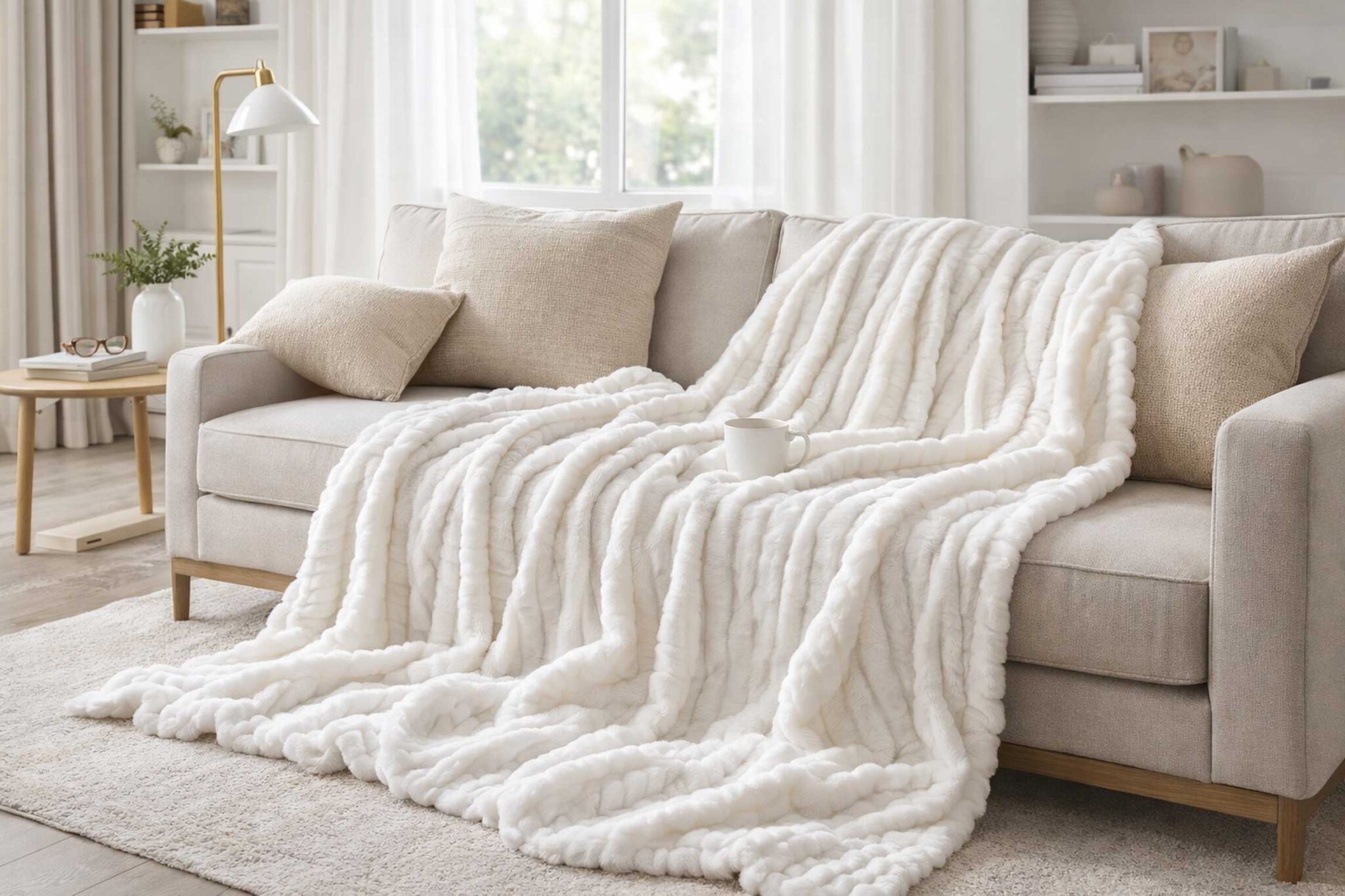
At first glance, the rooms we remember tend to be defined by what stands out.
A sculptural chair.
A striking artwork.
A light fixture that commands attention.
But when you step back and think about how a home is actually lived in, a different story emerges.
The objects that shape our days most consistently are rarely the ones we notice.
They don’t ask to be seen.
They simply wait, quietly doing their work.
In many ways, the success of a home isn’t measured by what draws the eye, but by what supports life without interruption.
Use Leaves Traces, Not Statements
The most used objects in a home carry a particular kind of intimacy.
They are handled absentmindedly.
Folded into routines.
Taken for granted.
Throws pulled closer on cool evenings.
Lamps switched on without looking.
Trays, baskets, and surfaces that receive what we set down at the end of the day.
These objects accumulate use rather than admiration.
Their value isn’t visual impact, but reliability.
And because they are so integrated into daily life,
they often fade into the background of awareness.
Design culture tends to celebrate what photographs well.
Everyday use, by contrast, rarely does.
Softness doesn’t translate easily into an image.
Comfort isn’t dramatic.
Repetition is quiet.
Yet these qualities are exactly what allow a home to feel steady and lived-in rather than staged.
The Design of Touch
Visibility in interiors is often visual, but use is tactile.
We experience our homes through touch far more than we realize.
The weight of a fabric.
The give of a cushion.
The way something settles around us rather than sitting rigidly in place.
These sensations influence how relaxed we feel in a space, often more than color or form.
Objects designed primarily for touch tend to recede visually by necessity.
They are meant to blend, not compete.
Their success depends on how they feel after the tenth use, not the first glance.
This is why so many highly used items are neutral in tone and simple in shape.
Not because they lack character, but because their character is expressed through interaction.
They become familiar.
Predictable.
Trustworthy.
In a well-considered home, these objects form the soft infrastructure of daily life.
When Function Dictates Presence
Highly visible objects often perform a symbolic role.
Highly used objects perform a practical one.
The more an item is meant to be reached for, adjusted, or lived with, the less it benefits from visual dominance.
Instead, it needs to coexist peacefully with its surroundings.
Think of the items that naturally find their way to the sofa, the bed,
or the edge of a chair.
They don’t need to announce themselves.
Their placement alone signals usefulness.
Over time, they become part of the home’s landscape, much like light or air.
Even when sourced from established marketplaces, objects chosen with this mindset aren’t about novelty.
They’re about fit – with the space,with the routine, with the way people actually move through their homes.
A simple example of this kind of quietly functional object is a throw blanket for couch – not as a focal piece, but as an illustration of how everyday items often live just outside the spotlight. When that everyday layer needs more coverage than a standard throw, the 60×70 blanket size is a useful reference point.
The Invisible Layer of Comfort
Comfort, by nature, resists display.
The most comforting objects are those that don’t require decision-making.
You don’t think about whether to use them.
You just do.
Their presence is assumed, which is perhaps the highest compliment an object can receive.
This invisibility isn’t accidental.
It’s the result of alignment.
When an object fits seamlessly into a home’s rhythms, it stops feeling like an addition and starts feeling like a given.
Over time, these objects absorb traces of life.
Slight creases.
Familiar weight.
The sense that something belongs exactly where it is.
None of this is particularly visible, but all of it is deeply felt.
Quiet Objects Create Calm Spaces
Homes that feel calm often share one thing in common: very little is asking for attention.
When too many objects compete visually, even beautiful ones, the space can feel restless.
By contrast, when everyday items are allowed to remain understated, they create room for the mind to settle.
This doesn’t mean the home lacks personality.
It means personality is expressed through use rather than display.
Through the way objects support routines instead of interrupting them.
In this kind of environment, visibility is reserved for what truly needs to be seen.
Everything else operates quietly, confidently, in the background.
What We Notice Only When It’s Missing
Perhaps the clearest sign of an object’s importance is how quickly it’s noticed when it’s gone.
The absence of a familiar layer of comfort is immediately felt.
The room may look the same, but it no longer functions the same way.
This is the paradox of the most used objects: their success lies in being unremarkable until they’re missing.
They don’t define a space visually, but they define how a space is experienced.
Living With Intention, Not Attention
A thoughtful home isn’t one where every object competes to be seen.
It’s one where each object understands its role.
The most used items often choose humility over spectacle.
They support daily life quietly, asking for nothing in return.
And in doing so, they shape the emotional tone of a home far more than their visibility would suggest.
In the end, design that lasts is rarely loud.
It’s consistent.
It’s supportive.
And it’s felt more than it’s seen.
These are the objects that make a house not just designed, but lived in. For the practical side, our guide to keeping your home from piling up covers the daily habits that make the biggest difference.










 Blankets and Throws
 Home Accessories
 Furniture
 Rugs
Rugs Cushions
 Kitchen
 Cutlery and Dinnerware
 Drinkware
 Table Mats and Coasters
 Dining Accessories
 Tablecloths and Napkins
 Decorative Items
 Vases and Planters
 Wall Decor
 Bathroom Accessories
 Bathroom Storage
 Bath and Shower Mats
 Towels