FREE WORLDWIDE TRACKED SHIPPING
Indoor Plants That Transform a Room
 By Laura Jones
The right indoor plant can do more for a room than a new sofa. Here are the most transformative picks and where to place them.
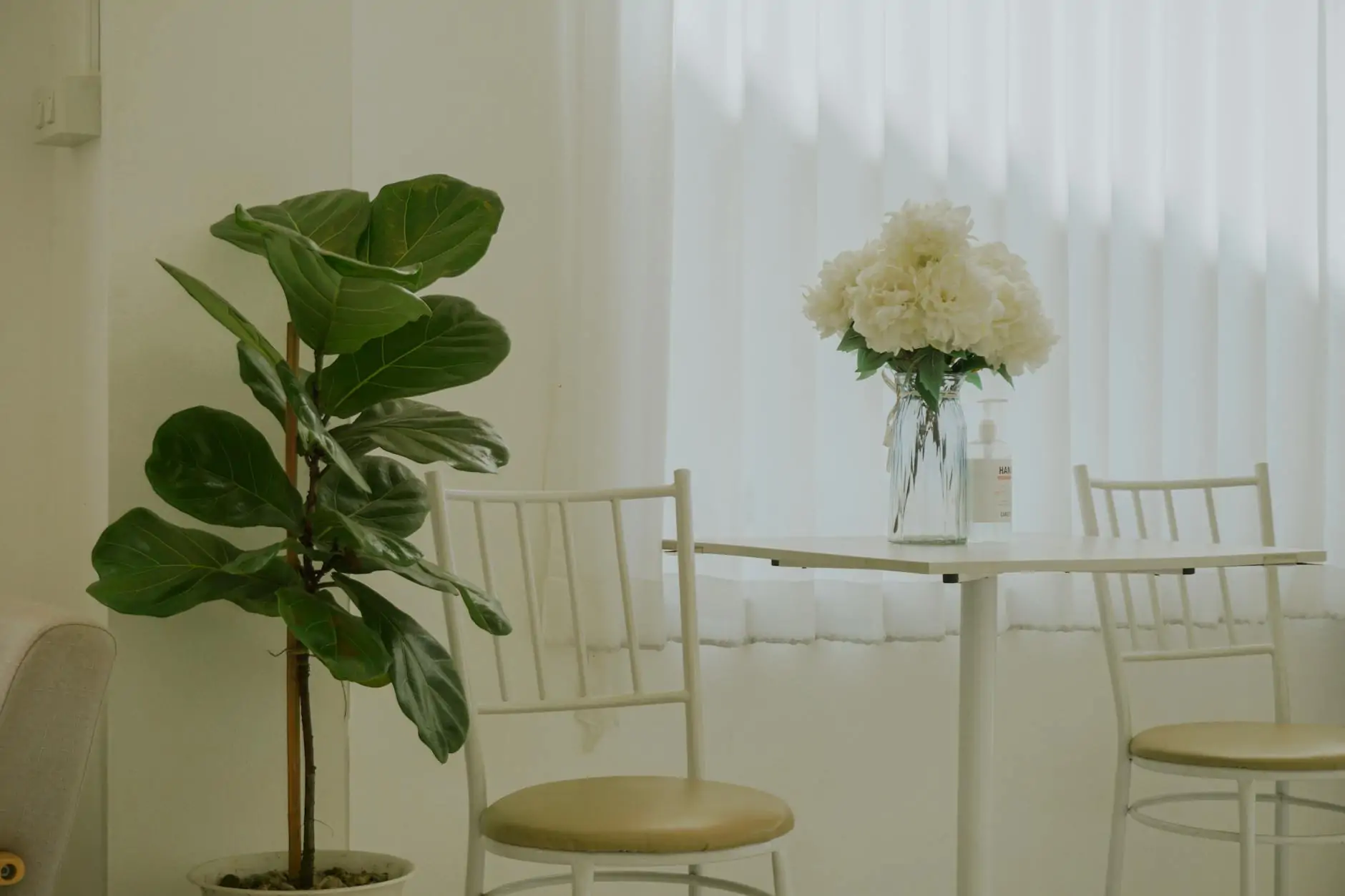
Indoor plants for interior design: a single statement plant beats a whole shelf of small ones.
The right indoor plant can do more for a room than a new sofa. Indoor plants for interior design are not just decoration; they shift the air, soften hard architecture, fill awkward corners, and turn a styled room into a living one. The trick is choosing the few that work for your light, your habits, and your space — and giving them enough room to actually be seen.
Why Indoor Plants Belong in Every Room
Plants do something furniture cannot. They break vertical lines, soften corners, add motion when sunlight catches a leaf, and bring a quiet biological warmth that no styling object can replicate. A single fiddle leaf fig in the corner of a quiet living room turns the whole space from a magazine spread into a home.
Beyond aesthetics, plants change how a space feels. The visual presence of greenery is consistently shown to lower stress and improve focus, and even modest amounts of indoor plant life slightly improve air quality and humidity. None of this is the main reason to have plants — they are beautiful — but it is a quiet bonus.
Choosing the Right Plant for Your Space
The most common plant mistake is buying for the look without checking the conditions. A fiddle leaf fig in a north-facing apartment with no direct sun will be sad for a year and dead in two. The plant has to match the light, the humidity, and your tolerance for plant care.
Three questions get you 90% of the way there:
- How much direct sunlight does the spot get each day? If you put your hand in the spot at noon and feel direct warmth on your skin, you have at least a few hours of direct sun. If not, you are in indirect or low light territory.
- How dry is the air? Forced-air heat and air conditioning dry indoor air dramatically. Tropical plants struggle in low humidity unless you actively raise it.
- How often are you actually willing to water and check on the plant? Be honest. A snake plant for the chronically forgetful beats a calathea that needs daily attention.
The Most Transformative Plants for Each Room
If you are choosing one plant per room, the goal is impact. These are the plants that, properly placed, do the most visible work.
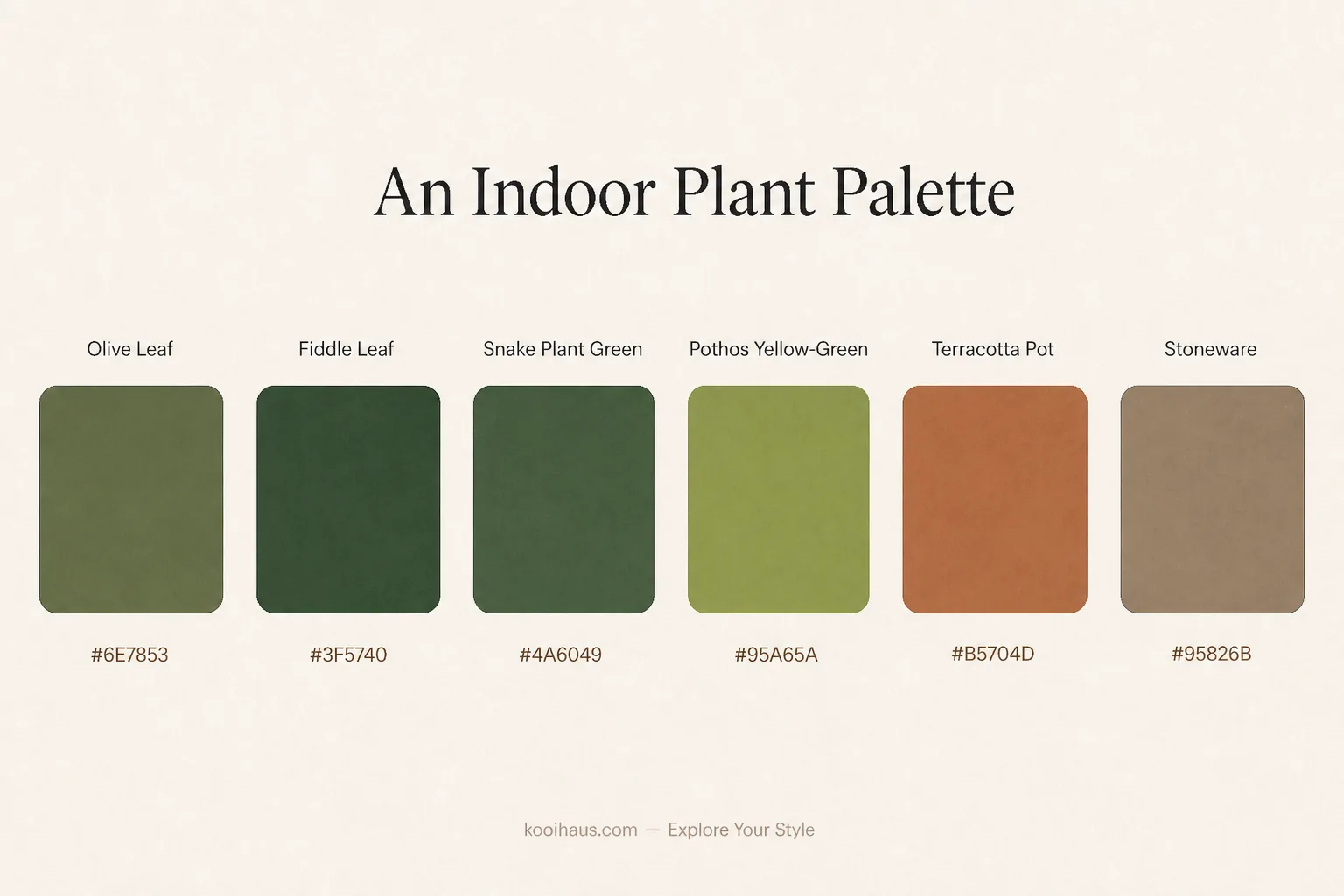
Fiddle Leaf Fig (Ficus lyrata). The most photogenic large plant for a living room. Wants bright, indirect light and consistent watering. Skip if your light is genuinely low; substitute a rubber plant or bird of paradise.
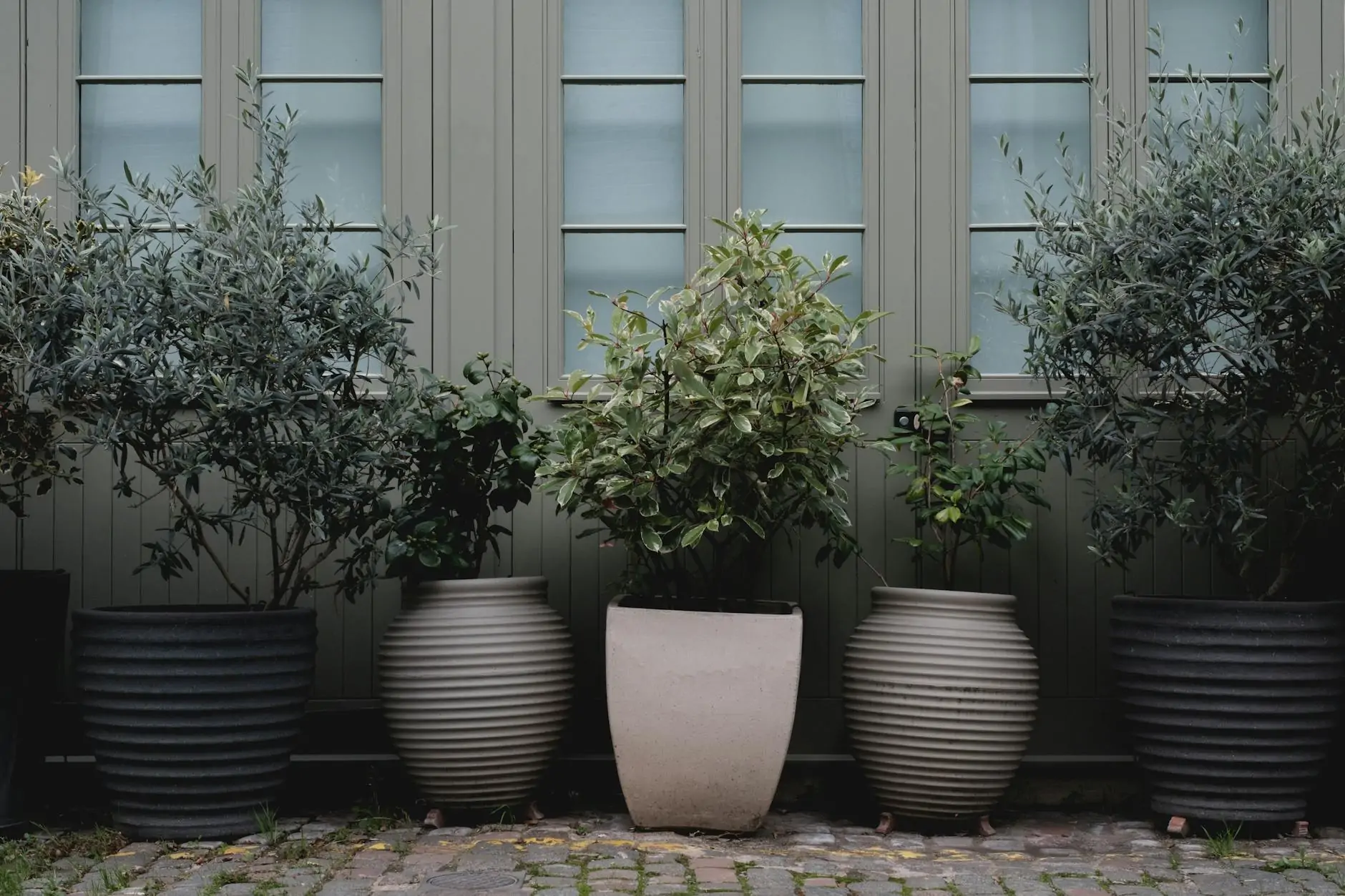
Olive Tree. The Mediterranean alternative to the fiddle leaf. More forgiving with light, less forgiving with overwatering. Indoor olives need at least four hours of bright light daily and dry out completely between waterings.
Bird of Paradise (Strelitzia). A tropical statement plant with large, paddle-shaped leaves. Tolerates a wide range of light and grows quickly when happy. Needs space to spread.
Snake Plant (Sansevieria / Dracaena trifasciata). The lowest-maintenance large plant in the lineup. Tolerates dim corners, dry air, and inconsistent watering. Works as a sculptural piece in entryways and bedrooms.
Monstera Deliciosa. The classic split-leaf tropical for living rooms with bright indirect light. Grows large quickly; gives a room a verdant, slightly jungle feel without going kitschy.
Pothos (Epipremnum aureum). The easiest trailing plant. Drapes elegantly from shelves, mantels, and high cabinets. Thrives almost anywhere with at least medium light.
Rubber Plant (Ficus elastica). Tolerates lower light than the fiddle leaf and grows into a tall, sculptural shape. Often a better choice for north-facing rooms.
Bonsai or Bonsai-Style Tree. A small sculptural tree on a console or coffee table reads more intentionally than three small succulents. Buy from a specialist; mass-market bonsai often die quickly.
Where to Place Plants for Maximum Impact
The single biggest mistake in plant styling is too many plants, too small, scattered around a room. The eye reads a forest of small pots as visual noise. Better placement ideas:
- One large plant in an empty corner. A fiddle leaf, olive, or bird of paradise turns a dead corner into the focal point of a living room.
- A single trailing plant on a tall shelf. Let pothos or philodendron hang from the top of a bookshelf or kitchen cabinet. Skip the cluster of small succulents.
- One sculptural plant on a coffee table. A small ZZ plant, mini monstera, or bonsai grounds a coffee table without crowding it.
- Plants near the window, not on it. Most plants do best a foot or two back from the glass — direct sun on leaves can scorch tropical plants, and cold drafts in winter can shock them.
- One plant per bathroom and entryway. A small fern, pothos, or air plant in a bathroom. A single statement plant by the front door. Do not overload either space.
Choosing Pots That Match Your Style
The pot matters as much as the plant. Three pot styles cover most modern interiors:
Terracotta. The classic. Suits rustic, Mediterranean, organic modern, and Japandi rooms. Unsealed terracotta breathes naturally, which most plants appreciate.
Stoneware ceramic. Hand-thrown stoneware in cream, mushroom, or charcoal works in nearly every modern interior. The slight irregularity reads handmade and warm.
Woven rattan or seagrass baskets. Soft, textural, and forgiving — drop a plain plastic nursery pot inside and the look is instantly cozy. Best for organic modern, coastal, and bohemian rooms.
Avoid cheap glossy plastic pots, especially in bright colors. They cheapen even a beautiful plant.
How to Keep Plants Alive Long-Term
Three habits make the difference between an indoor jungle and a graveyard.
Water on a schedule, but check first. Most plants prefer being slightly underwatered to slightly overwatered. Stick a finger an inch (about 2.5 cm) into the soil; if it is still damp, wait two more days.
Rotate plants quarterly. Plants grow toward light. Turning them a quarter turn every few weeks keeps growth even and prevents the lopsided lean that can ruin a tall plant’s silhouette.
Repot every two years. Plants outgrow their pots faster than most people realize. Roots circling the bottom of the pot are a sign it is time to size up — usually one or two inches (about 2.5–5 cm) larger in diameter.
Common Mistakes to Avoid
The first mistake is buying for Instagram instead of for your light. A monstera that looks great on Pinterest will look limp and yellow in a dim apartment. Match the plant to the conditions you actually have.
The second is over-watering. More indoor plants die from drowning than from drought. When in doubt, let the soil dry out a little more.
The third is ignoring drainage. A pretty pot without a drainage hole is a death sentence for most plants. If a pot has no drainage, double-pot — keep the plant in a plastic nursery pot inside the decorative one, and water it over the sink before returning it.
Frequently Asked Questions
What is the easiest indoor plant for beginners?
Snake plant, pothos, and ZZ plant. All three tolerate inconsistent watering, low to medium light, and dry indoor air without fuss.
Can I have plants if I have low light?
Yes. Snake plants, ZZ plants, pothos, peace lilies, and cast iron plants all do well in north-facing rooms or interior spaces with limited natural light.
Are indoor plants safe for pets?
Many are toxic to dogs and cats — including monsteras, fiddle leafs, peace lilies, and many lilies and palms. Pet-safe options include parlor palm, areca palm, calathea, and most herbs. Always check before bringing a new plant home.
How many plants is too many?
It depends on the room and the style. Three to five well-placed plants is plenty for most living rooms. More than that and you cross into “plant parent” territory, which is its own delightful aesthetic but a different vibe.
Where should I buy quality indoor plants?
Local nurseries almost always beat big-box stores for plant health. For larger statement plants, specialty plant shops and online retailers like The Sill and Bloomscape ship excellent specimens, especially for unusual species.
Indoor plants for interior design work best when you treat them like furniture: choose intentionally, place generously, and let each piece have room to be seen. Start with one large plant in the room you spend the most time in, learn its rhythms, and grow your collection from there. The right plant in the right place will quietly transform the way you live in a space.
Take the Quiz
Not sure if a plant-forward, organic-modern home is really your thing? Take our Interior Style Quiz and find out which interior style fits your home, your light, and the way you actually live.











 Blankets and Throws
 Home Accessories
 Furniture
 Rugs
Rugs Cushions
 Kitchen
 Cutlery and Dinnerware
 Drinkware
 Table Mats and Coasters
 Dining Accessories
 Tablecloths and Napkins
 Decorative Items
 Vases and Planters
 Wall Decor
 Bathroom Accessories
 Bathroom Storage
 Bath and Shower Mats
 Towels