FREE WORLDWIDE TRACKED SHIPPING

Japandi Bedroom Ideas: How to Create a Calm, Beautiful Space
If your bedroom has started to feel cluttered, overstimulating, or just a little soulless, japandi might be exactly what you need. This quietly powerful design style blends the best of Japanese minimalism and Scandinavian coziness into something that feels genuinely restful — a bedroom that looks beautiful but, more importantly, helps you actually switch off at the end of the day.
Here’s everything you need to know to bring the japandi aesthetic into your bedroom, from color palette to furniture choices to the small styling details that make all the difference.
What Is the Japandi Bedroom Style?
Japandi is a design philosophy that merges Japanese wabi-sabi (finding beauty in imperfection and impermanence) with the Scandinavian concept of hygge (warmth, comfort, and a sense of well-being at home). The result is a style that is minimal without being cold, natural without being rustic, and calm without being boring.
In a japandi bedroom specifically, you’ll find low furniture close to the floor, natural materials like oak and linen, a muted palette of warm neutrals and earthy tones, and an intentional absence of clutter. Nothing is there without purpose — but everything that is there feels considered and genuinely lovely.
Think of it this way: where Scandinavian design tends toward lighter, airier spaces, Japanese interiors often skew slightly darker and more grounded. Japandi sits right in between — warm, earthy, and deeply calming.
Japandi Bedroom Color Palette
Color is one of the most defining elements of the japandi look. The palette draws from nature — soft whites, warm grays, sage greens, sandy beiges, dusty terracottas, and deep charcoals. Avoid anything too bright or high-contrast. In a japandi bedroom, color should feel like a breath, not a statement.
| Color | Tone | Best Used For | Pairs Well With |
|---|---|---|---|
| Warm white / off-white | Light base | Walls, bedding, ceilings | Natural wood, linen, sage |
| Warm greige (gray-beige) | Neutral mid-tone | Walls, upholstered pieces | Walnut, terracotta, cream |
| Sage green | Soft accent | Throw pillows, art, plants | Natural oak, off-white, linen |
| Dusty terracotta | Warm earth accent | Ceramics, textiles, small decor | Warm gray, natural linen |
| Deep charcoal / slate | Dark grounding tone | Accent wall, furniture legs, frames | Warm whites, natural wood |
| Sandy beige / camel | Warm neutral | Rugs, bedding, curtains | Everything in the palette |
One practical tip: start with your walls and floors as your neutral base, then layer texture and color through your textiles. Bedding, pillows, a throw blanket, and a rug can introduce warmth and interest without overwhelming the room.
Essential Japandi Bedroom Furniture
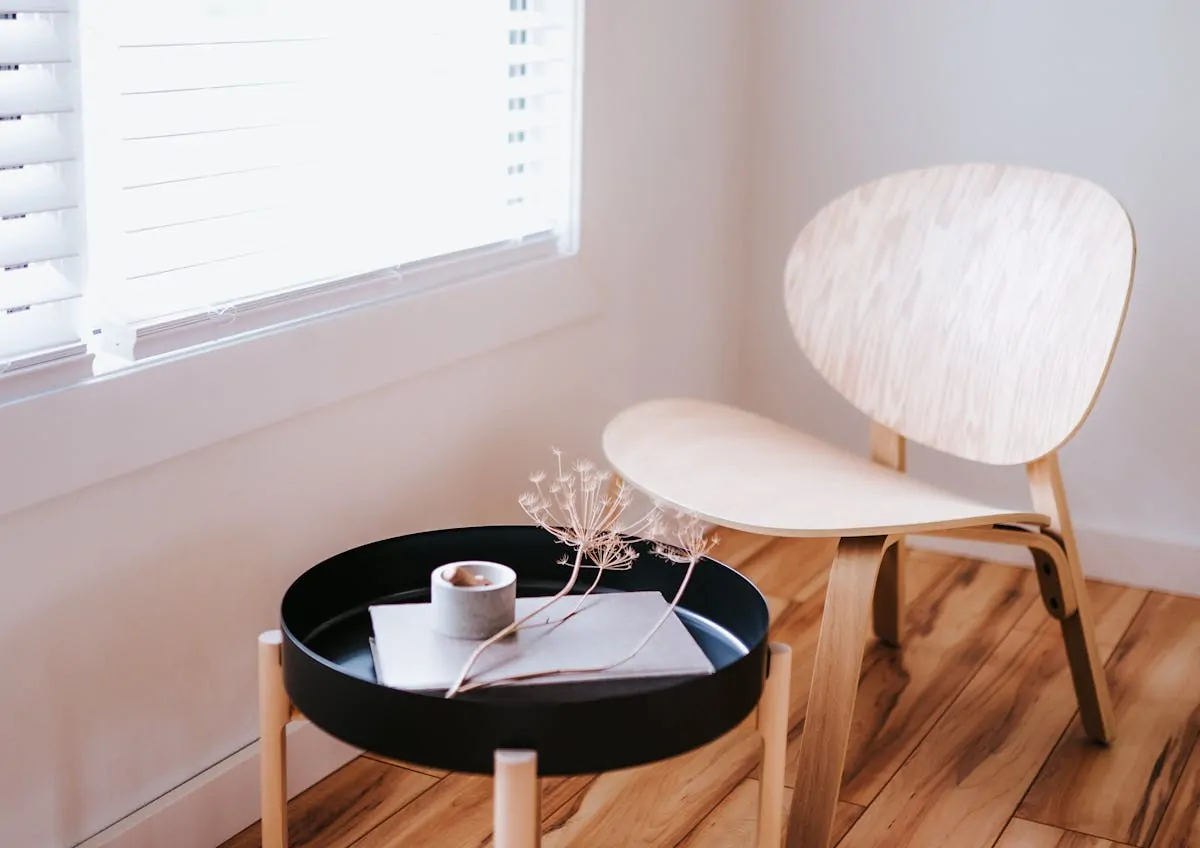
Japandi furniture is low, clean-lined, and made from honest materials. You won’t find ornate carvings, glossy lacquer, or anything that looks like it’s trying too hard. The shapes are simple, the craftsmanship speaks for itself, and every piece earns its place in the room.
The bed is the centerpiece. In a japandi bedroom, this typically means a low platform bed or a tatami-style frame — something that sits close to the floor and creates a sense of groundedness. Natural wood is ideal: light oak for a more Scandinavian feel, darker walnut or bamboo for a stronger Japanese influence.
| Furniture Piece | Japandi Characteristics | Materials to Look For | What to Avoid |
|---|---|---|---|
| Bed frame | Low profile, platform or slatted base | Oak, walnut, bamboo, rattan headboard | Upholstered platform beds in loud colors, ornate metalwork |
| Nightstands | Minimal, low height, simple form | Solid wood, light-finish plywood | Fussy hardware, mirrored surfaces |
| Dresser / wardrobe | Streamlined, handle-free or simple pulls | Oak veneer, matte-finish wood | Glass-fronted cabinets, high-gloss finishes |
| Accent chair | Low, organic shape — optional | Rattan, natural linen, solid wood | Velvet, jewel tones, heavy upholstery |
| Rug | Natural fiber, low pile, muted tone | Jute, wool, cotton, sisal | High-pile shag, bold geometric patterns |
Keep the number of furniture pieces intentional. A japandi bedroom doesn’t need six pieces of furniture — it needs the right three or four, arranged with breathing room between them.
Japandi Bedroom Decor: The Details That Matter
In japandi design, decoration isn’t about filling space — it’s about choosing a small number of objects that genuinely add something, then leaving everything else out. This is harder than it sounds, especially if you’re used to layering in lots of accessories. But the restraint is exactly what gives the style its impact.
Here are the decor elements that work best in a japandi bedroom:
- A single statement plant. Not a collection — one large-leafed plant like a rubber tree, monstera, or fiddle-leaf fig. It adds life and a vertical element without visual noise.
- Handmade ceramics. A simple vase, a small bowl on the nightstand for jewelry, a single candle holder. Wabi-sabi embraces pieces that show their making — slight imperfections are a feature, not a flaw.
- Layered natural textiles. Linen bedding in a muted tone, a wool or cotton throw folded at the foot of the bed, a couple of textured pillows. Texture is where japandi gets its warmth.
- Thoughtful artwork. One or two pieces, not a gallery wall. Ink drawings, botanical prints, abstract watercolors — simple, organic, unhurried.
- Woven or bamboo baskets. Functional and beautiful, great for hiding away extra blankets or laundry.
What you leave out matters just as much as what you put in. Clear your nightstand of everything except one or two intentional objects. Hide cables. Store things properly. Clutter is the single biggest enemy of the japandi aesthetic.
Japandi Bedroom Lighting
Lighting in a japandi bedroom should feel warm, soft, and layered — never harsh or clinical. Think about the difference between being lit from above (cold, flat, unflattering) versus lit from multiple lower sources (warm, inviting, restful). Japandi bedrooms almost always favor the latter.
A paper lantern pendant or a woven rattan shade over a warm-toned bulb creates that characteristic soft diffusion. On the nightstands, simple ceramic lamps or wooden candleholders give you warm pools of light at eye level. If you want to highlight a plant or a piece of art, a small directed spotlight works beautifully — but keep the output warm (2700K or lower).
Avoid cool white LEDs, bright overhead fluorescents, or anything that could feel like a showroom. The bedroom should feel like a sanctuary, and lighting is probably the fastest way to shift that feeling in either direction.
How to Get the Japandi Look Without Starting From Scratch
You don’t need to replace your entire bedroom to move in a japandi direction. Often, a few focused changes are enough to completely shift the atmosphere of the space.
Start with what you can remove. Take everything off your nightstands, dresser tops, and shelves. Then add back only what genuinely adds something — a lamp, one plant, one meaningful object. The editing process alone tends to be transformative.
Next, focus on bedding. Swapping out a busy printed duvet for a simple linen cover in a warm neutral costs relatively little and has an outsized visual effect. IKEA’s linen bedding range is genuinely excellent for japandi purposes — understated, affordable, and nicely textured.
Finally, consider adding a natural fiber rug if you don’t have one. A jute or low-pile wool rug in a muted tone anchors the space and immediately adds warmth underfoot. It’s one of the most effective single investments you can make in a japandi bedroom.
Frequently Asked Questions
What colors are used in a japandi bedroom?
Japandi bedrooms use a calm, earthy palette: warm whites, greige, sage green, dusty terracotta, sandy beige, and deep charcoal. The goal is tones that feel connected to nature — nothing too bright, too saturated, or too cool.
What is the difference between japandi and minimalist bedroom design?
Minimalism tends to be colder and more clinical — white walls, hard surfaces, almost no decoration. Japandi is still minimal in terms of object count, but it prioritizes warmth, natural materials, and texture. A japandi bedroom feels cozy and human; pure minimalism can feel sparse or impersonal.
What kind of bed is used in a japandi bedroom?
Typically a low platform bed or a simple wooden slatted frame, positioned close to the floor. Light oak or darker walnut are both ideal materials. The headboard, if there is one, is usually simple — a slatted wood panel, a low cushioned piece in natural linen, or no headboard at all.
Can you do japandi on a budget?
Yes, quite effectively. IKEA has excellent natural wood furniture that works well with japandi — the HEMNES and MALM ranges in oak finishes are popular starting points. Thrifted wooden furniture repainted in muted tones also works beautifully. The most expensive part of japandi is often the restraint — resisting the urge to buy more things.
How many decorative items should a japandi bedroom have?
As a rough guide, aim for three to five intentional objects in the entire room: perhaps a plant, one ceramic piece, a vase, and one or two pieces of art. The principle is that every object should earn its place — if you can’t explain why it’s there, it probably shouldn’t be.
Is japandi the same as wabi-sabi?
Wabi-sabi is a Japanese aesthetic philosophy that finds beauty in imperfection, transience, and the natural. Japandi is a broader interior design style that incorporates wabi-sabi principles alongside Scandinavian design values. You can think of wabi-sabi as one of the core ingredients in japandi — present in the appreciation for handmade ceramics, natural imperfection, and objects that show their age gracefully.
The japandi bedroom is ultimately about creating a space that helps you rest. Everything in it — the colors, the furniture, the lighting, the few carefully chosen objects — works together toward that single goal. It’s a generous design philosophy: beauty in service of wellbeing, rather than beauty as performance.



10 Common Mistakes You Must Avoid When Relocating
Moving can be exciting, but let’s be honest—it’s also a recipe for stress if things go wrong. Boxes pile up, furniture doesn’t fit through the door, and suddenly the “big day” doesn’t feel so fun anymore. That’s why avoiding common mistakes is key.
Wallpaper Ideas for a Home With Light Pink Style
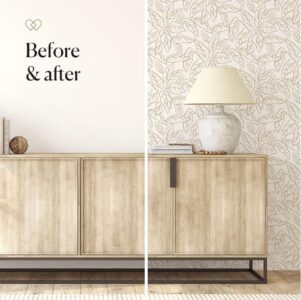
One of the most transformative elements in interior design is wall décor, and choosing the right wallpaper can elevate a space in ways that paint simply can’t.


From Side Hustle to Sustainable Business: Keeping Your Home, Planet, and Profits Clean
Marketing can become wasteful when it is guided by panic or imitation. Sustainable business marketing works differently. It is targeted, intentional, and rooted in value.

Complete Blanket Sizes Chart and Dimensions Guide
Learn about different blanket sizes with this blanket size chart guide. Find the perfect fit for your bed or décor, with regional comparisons.

Creating a Calm, Safe, Organized Home (When Life Is Loud)
To explore how homes can support calm and clarity, we spoke with NJ/NYC-based interior designer Shalika Pareek of Heart and Home about designing spaces that work for real life.
How Your Windows (and What Surrounds Them) Control How Bright a Room Feels
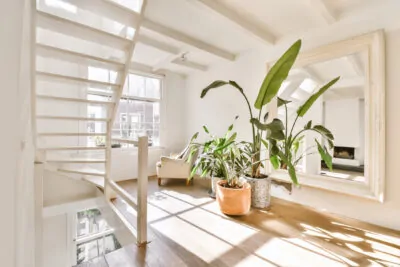
A dark room often starts with the window and the colours around it. Here’s how to use light, paint, mirrors, and layout to make any room feel brighter








 Blankets and Throws
 Home Accessories
 Furniture
 Rugs
Rugs Cushions
 Kitchen
 Cutlery and Dinnerware
 Drinkware
 Table Mats and Coasters
 Dining Accessories
 Tablecloths and Napkins
 Decorative Items
 Vases and Planters
 Wall Decor
 Bathroom Accessories
 Bathroom Storage
 Bath and Shower Mats
 Towels