FREE WORLDWIDE TRACKED SHIPPING

In the era of fast furniture and fleeting interior trends, a new movement is taking hold in modern households: the “Maintenance First” mindset. Homeowners are increasingly moving away from the cycle of buy-and-discard, opting instead to invest in high-quality pieces and, more importantly, learning how to preserve them. Sustainable home care isn’t just about choosing eco-friendly materials; it’s about extending the life of what we already own, reducing waste, and maintaining the aesthetic integrity of our living spaces for decades rather than seasons.
The Philosophy of Longevity in Design
Interior design has always been a balance of form and function. However, the true value of a well-furnished room lies in its longevity. When we treat our furniture as long-term assets, the way we interact with our environment changes. Fabric longevity becomes a priority, and proactive care replaces reactive repair. This shift in perspective is the cornerstone of a sustainable home. It requires understanding the materials we bring into our homes—from the weave of a sofa’s upholstery to the porous nature of a marble coffee table.
Understanding Fabric Degradation
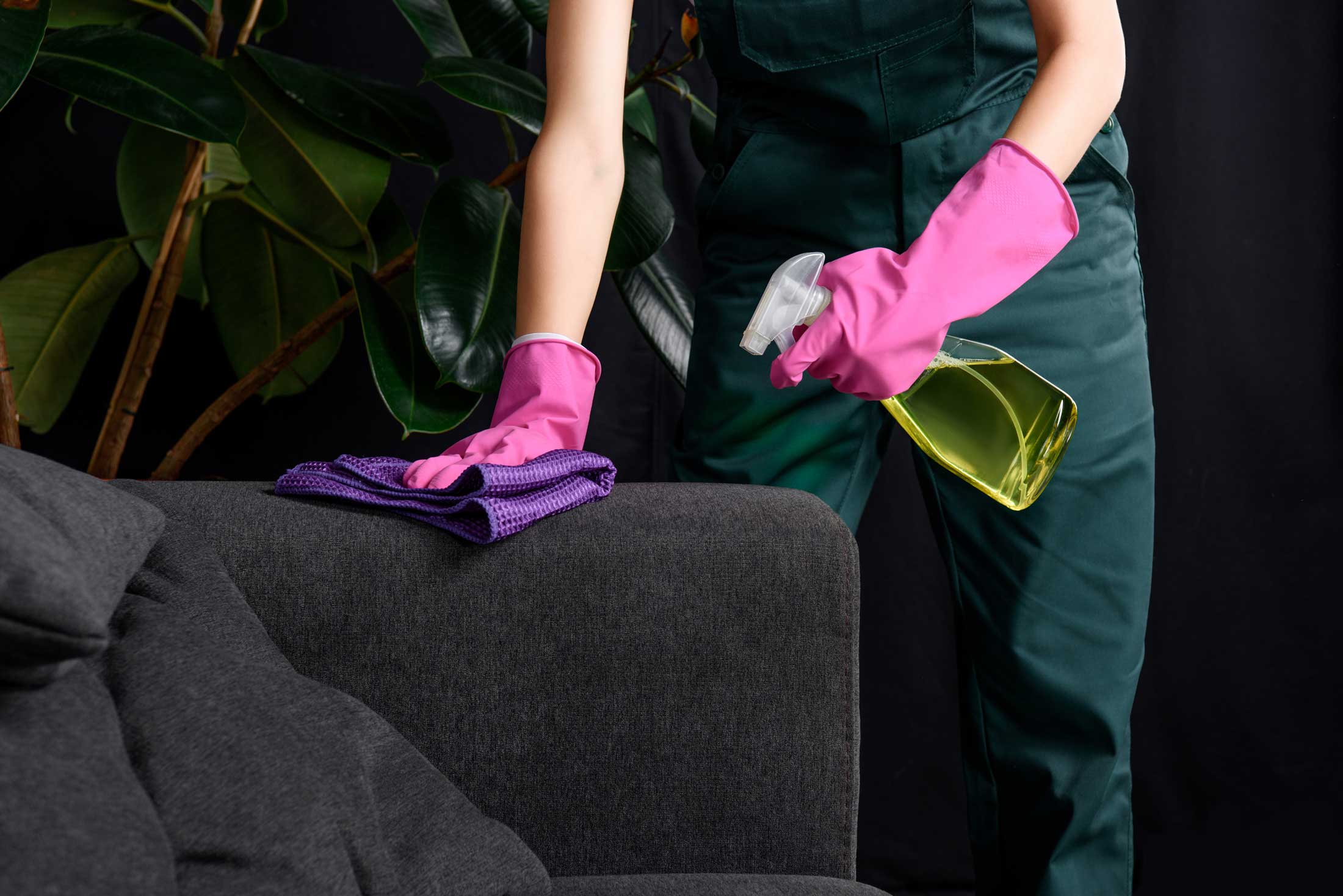
The primary enemy of furniture longevity isn’t just major accidents; it’s the slow, invisible degradation caused by daily use. Dust, for instance, acts as a microscopic abrasive. When left on upholstery, every time you sit down, those tiny particles grind against the fibers, thinning the fabric over time. Similarly, cumulative exposure to sunlight can weaken textile structures, leading to premature fading and brittle fibers.
A proactive approach involves regular vacuuming with a soft brush attachment and rotating cushions to ensure even wear. But beyond the routine, the most critical factor in fabric preservation is how we handle the unexpected.
The Science of Quick Response
The difference between a minor mishap and a permanent stain often comes down to a matter of minutes. When a liquid hits a porous surface like a couch cushion, a chemical race begins. Most modern fabrics are treated with some level of repellent, but these are barriers, not shields.
For instance, many homeowners assume that a simple spill of clean water is harmless. However, moisture that penetrates the outer fabric and reaches the internal foam can lead to deep-seated issues. If not addressed correctly, trapped humidity can cause padding degradation or, in worse cases, the structural failure of the furniture’s frame. This is why knowing the right way to dry fresh water spills is such a crucial skill for any homeowner looking to avoid deep, invisible damage. Proactive care means understanding that even the “cleanest” accidents require a strategic response to maintain the internal health of the piece.
Avoiding the “Heat Trap”
A common mistake in DIY furniture care is the use of excessive heat. When faced with a damp spot, the natural instinct is to grab a hairdryer or place a heater nearby. In the world of sustainable maintenance, this is often a fatal error for the furniture. High heat can shrink natural fibers, melt synthetic blends, or set a “ghost stain” that was previously invisible.
The professional approach always favors airflow over temperature. Opening windows, using floor fans, or simply propping cushions upright to allow air to circulate around all sides is the safest way to ensure evaporation without compromising the fabric’s structural integrity.
Building Your DIY Maintenance Kit
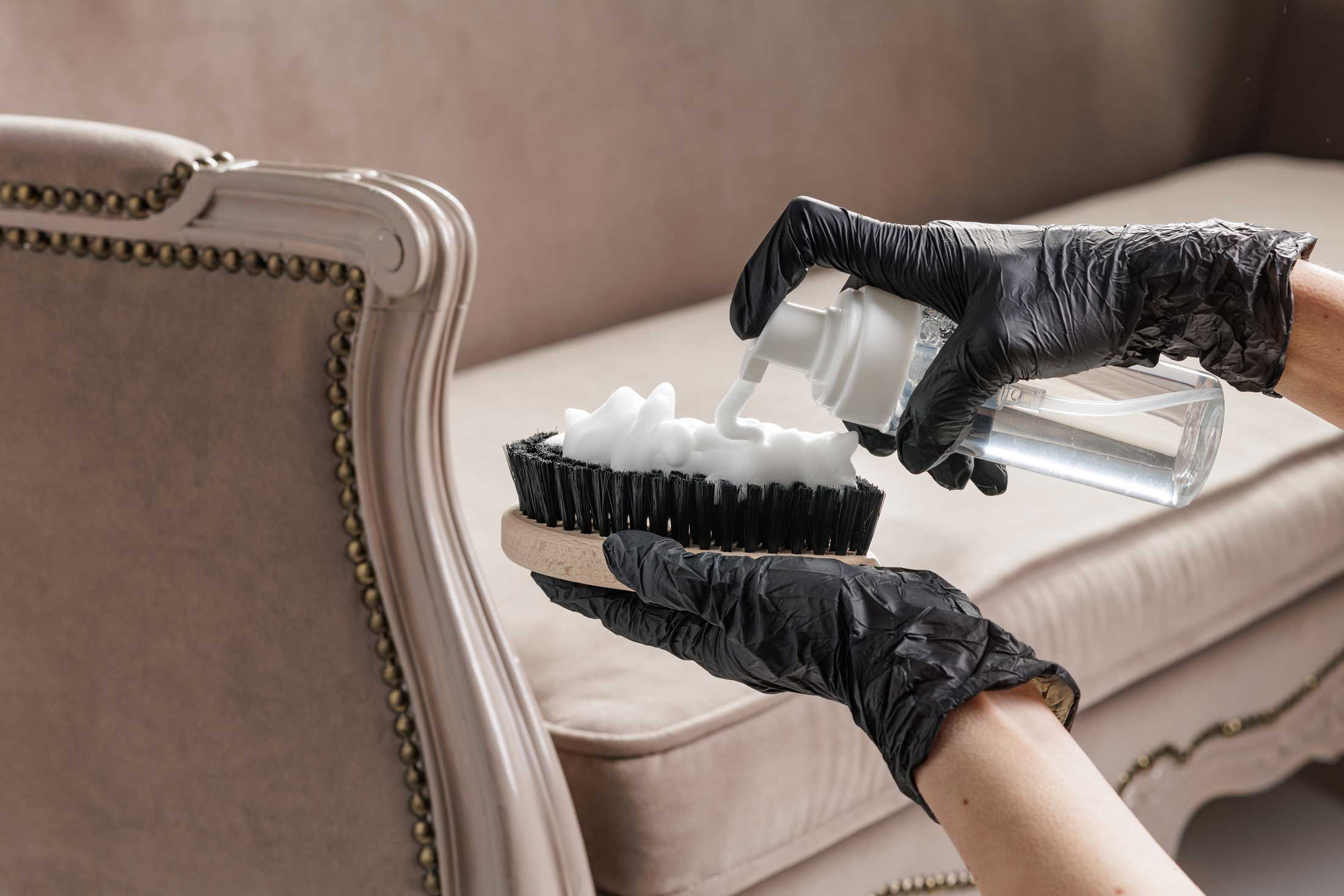
To truly embrace a proactive home care lifestyle, every homeowner should have a “Sustainability Kit” ready. This shouldn’t be a collection of harsh chemicals, but rather a set of smart, gentle tools:
- High-quality microfiber cloths: For blotting without leaving lint behind.
- Distilled water: To avoid mineral rings during spot cleaning.
- A soft-bristled upholstery brush: To maintain the “nap” of fabrics like velvet or microfiber.
- A pH-neutral fabric cleaner: For when plain water isn’t enough.
The Smart Living Connection
As we integrate more technology into our “Smart Homes,” we shouldn’t forget the low-tech intelligence of proper maintenance. A smart home is an efficient home, and nothing is less efficient than having to replace a centerpiece sofa years before its time. By combining modern diagnostic tools—like moisture sensors or air quality monitors—with old-school care techniques, we create a living environment that is both advanced and enduring. For homeowners who want to protect that investment structurally, our guide to year-round water damage prevention covers the checks that keep interiors safe.
Extending the life of your interior furniture is a quiet act of environmentalism. It’s a commitment to quality, a respect for craftsmanship, and a practical way to ensure that your home remains a sanctuary of comfort and style for the long haul.
KŌŌI / KŌŌI Magazine / Living Smarter /



6-Inch vs 4-Inch Recessed Lights: Which is Better?
Join us as we explore 6 inch vs 4 inch recessed lights to find the perfect fit for your home’s lighting!

Paint Coverage Calculator
Use our free paint coverage calculator to find out exactly how many gallons of interior or exterior paint you need. Enter your room dimensions for an instant estimate


The Art of Living Beautifully: A Complete Guide to Luxury Home Textiles
Luxury home textiles play a powerful role in shaping how a space feels and functions. From premium bed sets and statement rugs to soft blankets and elegant shower curtains, the right textiles can transform everyday interiors into refined, comfortable living spaces

Practical Design Ideas for Stylish Yet Hard-Wearing Home Textiles
Durable home textiles help modern interiors stay stylish while standing up to everyday life. Discover practical fabric ideas for living rooms, dining areas, and outdoor seating

Throw Placement and Styling: Tips for a Stylish Living Room
Discover my favorite tips for throw placement on couch to create a cozy, stylish living room you’ll love!

Big Style in Small Condos: Minimalist Interior Design That Shines
Discover minimalist interior design for small condos that makes my space stylish, functional, and clutter-free!








 Blankets and Throws
 Home Accessories
 Furniture
 Rugs
Rugs Cushions
 Kitchen
 Cutlery and Dinnerware
 Drinkware
 Table Mats and Coasters
 Dining Accessories
 Tablecloths and Napkins
 Decorative Items
 Vases and Planters
 Wall Decor
 Bathroom Accessories
 Bathroom Storage
 Bath and Shower Mats
 Towels