FREE WORLDWIDE TRACKED SHIPPING
Home Checks to Prevent Water Damage Year-Round
 By Alex Carter
Water damage often begins with small failures in roofing, drainage, plumbing, or exterior sealing. Routine inspection helps identify vulnerabilities before moisture causes structural deterioration
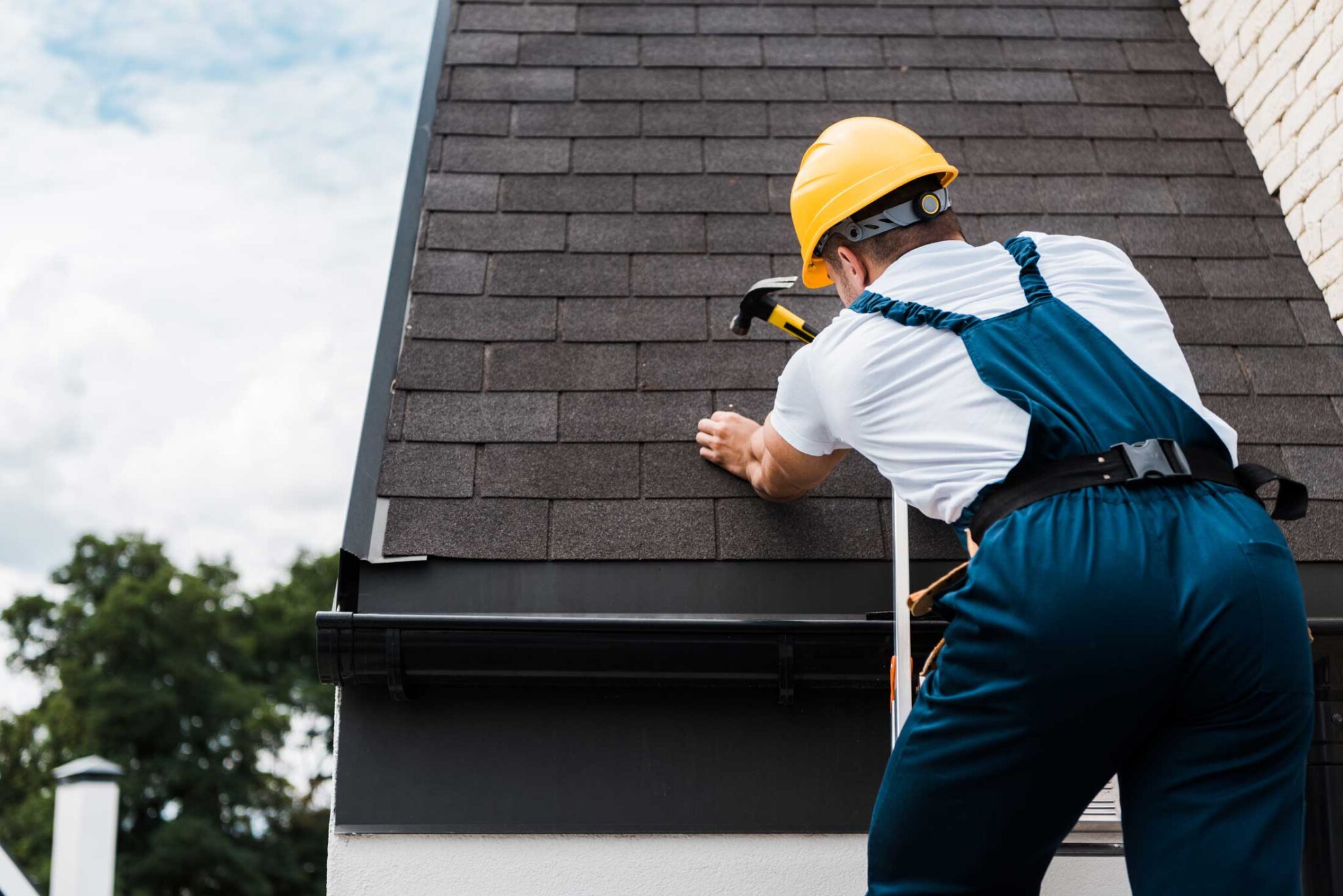
Water damage is one of the most common structural threats to residential buildings. It typically begins with small failures in drainage systems, roofing assemblies, plumbing connections, or exterior sealing. When these vulnerabilities go undetected, moisture penetrates structural components, leading to rot, mold growth, and deterioration of building materials. Preventing these issues requires routine inspection of systems responsible for directing water away from the structure and controlling interior moisture levels. The same moisture-control habits also help when you want to prevent millipedes and other moisture-loving pests.
Inspect Roofing and Flashing Systems
The roofing system acts as the primary barrier against precipitation. Even minor defects can allow water intrusion that damages insulation, roof decking, and interior finishes.
Key roof components that should be inspected include:
- Shingles or roofing panels: Look for curling, cracking, or missing materials that expose the underlayment.
- Roof flashing: Metal flashing installed around chimneys, skylights, and roof penetrations must remain sealed and tightly secured.
- Roof valleys: Valleys concentrate water runoff and are common areas for leaks when debris accumulates.
- Sealants and fasteners: Aging sealants lose adhesion and allow moisture penetration around fasteners.
Seasonal roof inspections help identify deterioration before rainfall events exploit weak points. If leaks are suspected or damage has already occurred, professional services such as water damage restoration Dallas can evaluate moisture intrusion and begin mitigation before structural components are compromised.
Maintain Gutters and Downspouts
Gutter systems are designed to collect runoff from the roof and direct it away from the foundation. When gutters become clogged or misaligned, water can overflow and accumulate along exterior walls.
Routine gutter maintenance should include:
- Removing leaves and organic debris
- Checking brackets for structural stability
- Inspecting seams for leaks
- Ensuring gutters maintain proper slope for drainage
Downspouts must also discharge water far enough away from the structure. Extensions should direct water at least 4–6 feet away from the foundation to prevent soil saturation.
Poor drainage increases hydrostatic pressure against basement walls and may eventually lead to seepage or structural cracking.
Examine Exterior Sealing and Siding
Exterior cladding systems protect the internal wall structure from moisture infiltration. Over time, exposure to temperature changes and weather conditions causes sealants and joints to degrade.
Critical inspection areas include:
- Window and door perimeter caulking
- Siding joints and panel seams
- Fascia boards and trim components
- Utility penetrations for pipes, vents, and wiring
Gaps or separation in these locations allow wind-driven rain to enter the wall cavity. Once moisture becomes trapped behind siding, it can cause mold development and wood decay within the framing system.
Exterior sealants should be reapplied whenever cracking, shrinking, or separation is visible.
Monitor Plumbing Systems
Internal plumbing failures are responsible for a significant portion of residential water damage. Small leaks can persist unnoticed for long periods and gradually saturate surrounding building materials.
Regular inspections should include:
- Water supply lines beneath sinks
- Washing machine hoses
- Dishwasher connections
- Water heater fittings
- Toilet base seals
Flexible hoses are particularly vulnerable to deterioration and should be replaced periodically. Stainless steel braided hoses are typically more reliable than standard rubber hoses.
Homeowners should also verify that household water pressure remains within recommended levels. Excessive pressure places stress on pipe joints and increases the likelihood of leaks.
Evaluate Foundation Drainage
Effective foundation drainage prevents groundwater accumulation around the structure. Excess moisture surrounding the foundation increases hydrostatic pressure and may lead to cracks or water intrusion into basements and crawlspaces.
Important drainage factors include:
- Grading slope: Soil should slope away from the structure at approximately a 5% grade.
- Drainage systems: French drains and channel drains redirect water away from vulnerable areas.
- Foundation cracks: Even small fractures can allow water infiltration when soil moisture levels rise.
If water pooling near the foundation is consistently observed, drainage improvements or waterproofing measures may be necessary.
Inspect Interior Moisture Indicators
Interior surfaces often reveal early signs of hidden water intrusion. Monitoring these indicators helps detect problems before structural damage spreads.
Common warning signs include:
- Ceiling discoloration or stains
- Bubbling or peeling paint
- Persistent musty odors
- Warped flooring or baseboards
Professionals frequently use moisture meters and infrared imaging to identify hidden moisture behind walls or ceilings. Early detection allows targeted repairs before mold growth or structural deterioration develops.
Prepare for Seasonal Weather Changes
Water damage risks change throughout the year as weather patterns shift. Seasonal inspections help ensure drainage and structural systems remain effective.
Recommended seasonal checks include:
- Spring: Inspect roofing materials and clear debris from gutters after winter storms.
- Summer: Monitor irrigation systems and outdoor plumbing for leaks.
- Fall: Remove leaves from gutters and verify downspouts remain unobstructed.
- Winter: Insulate exposed pipes and inspect attic ventilation to prevent condensation buildup.
Consistent seasonal maintenance ensures water management systems function correctly during heavy rainfall and temperature fluctuations.
Routine inspection of roofing systems, drainage infrastructure, plumbing connections, and exterior sealing significantly reduces the risk of water damage. Small maintenance issues often escalate when ignored, but systematic home checks allow early detection and correction. Maintaining these protective systems preserves structural integrity and prevents costly water-related repairs. If moisture has already found a way in, our guide on what homeowners should know when mold appears helps you respond with clarity.











 Blankets and Throws
 Home Accessories
 Furniture
 Rugs
Rugs Cushions
 Kitchen
 Cutlery and Dinnerware
 Drinkware
 Table Mats and Coasters
 Dining Accessories
 Tablecloths and Napkins
 Decorative Items
 Vases and Planters
 Wall Decor
 Bathroom Accessories
 Bathroom Storage
 Bath and Shower Mats
 Towels