FREE WORLDWIDE TRACKED SHIPPING
Practical Design Ideas for Stylish Yet Hard-Wearing Home Textiles
 By Laura Jones
Durable home textiles help modern interiors stay stylish while standing up to everyday life. Discover practical fabric ideas for living rooms, dining areas, and outdoor seating
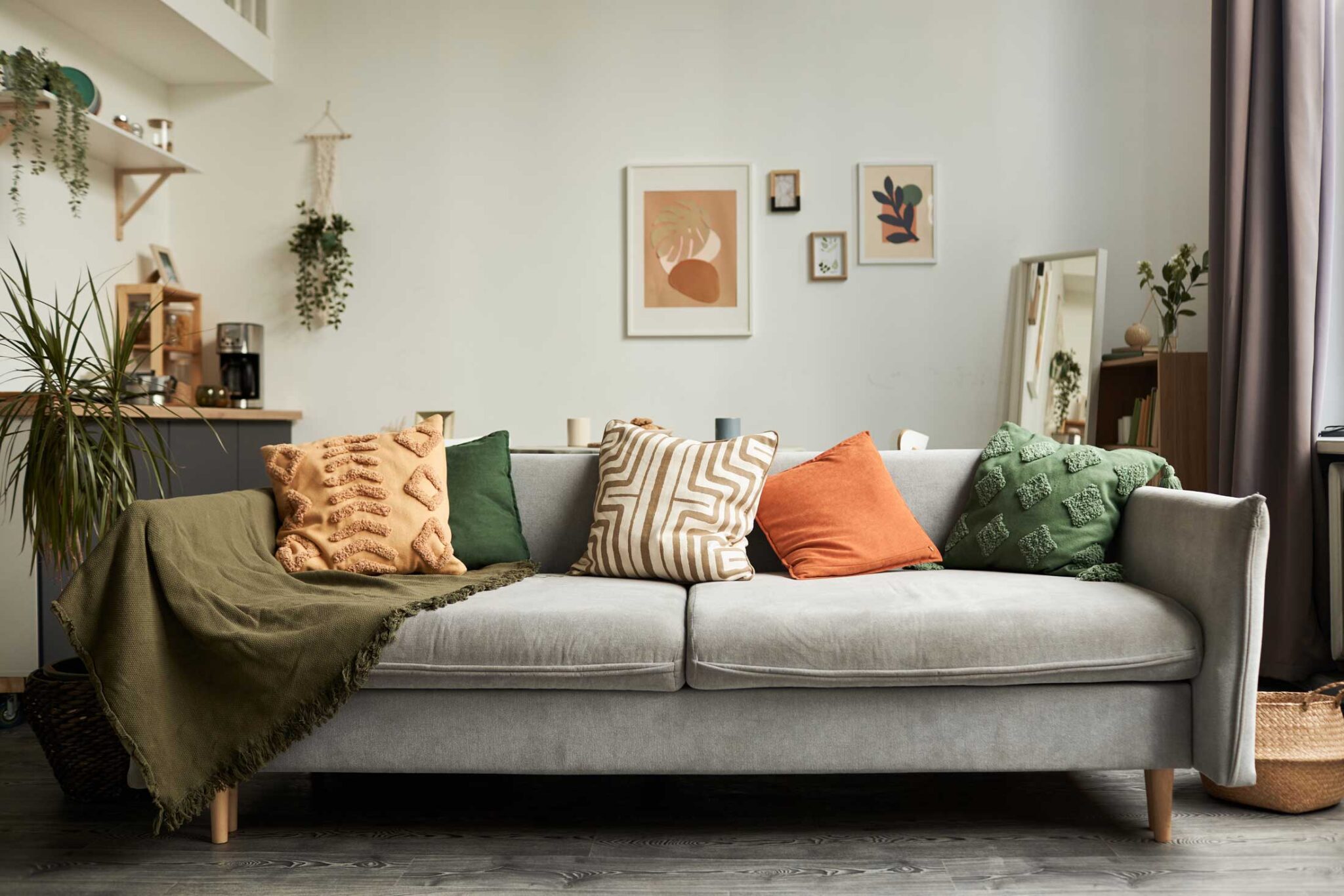
Modern homes often balance beauty with everyday use. Furniture, décor, and soft furnishings all play a role in shaping how a space looks and feels. Yet a well-styled interior must also cope with real life — family meals, busy living rooms, and occasional spills.
Textiles sit at the centre of this balance. Cushions, table coverings, seat pads, and throws add warmth and character, though they also face daily wear. Selecting materials that combine visual appeal with long-lasting performance allows a home to remain polished while handling routine activity. For practical sizing guidance on throws and blankets, our complete blanket sizes and dimensions guide is a useful reference.
Thoughtful fabric choices help create interiors that feel calm, practical, and visually refined.
The Shift Towards Functional Interior Materials
Interior design has seen growing interest in materials that offer both beauty and durability. Rather than delicate fabrics reserved for special occasions, many homeowners now prefer textiles suited to regular use.
This shift reflects how homes are used today. Kitchens often serve as social hubs, dining areas host both quick meals and gatherings, and living rooms accommodate relaxation, work, and entertainment. Materials therefore need to hold their shape, colour, and texture over time.
Designers increasingly choose fabrics with protective qualities or strong fibres that resist wear. These materials allow soft furnishings to remain fresh while still contributing to a refined aesthetic.
At the same time, style remains central. Clean lines, subtle textures, and carefully selected colours keep interiors visually balanced. Durable textiles no longer feel purely practical; they sit comfortably within contemporary design schemes.
Where Durable Fabrics Work Best in the Home
Certain spaces place greater demands on textiles. Kitchens and dining areas are clear examples. Table runners, placemats, and chair cushions frequently come into contact with food, drink, and daily activity.
Family living rooms also benefit from resilient fabrics. Sofa cushions, pouffes, and throws experience constant movement and use. Strong materials help maintain structure while still offering comfort.
In living rooms, rugs play a central role in defining zones, adding warmth, and anchoring furniture arrangements. Outdoor seating presents another setting where fabric choice matters. Garden benches, balcony chairs, and patio lounges require textiles that tolerate moisture and changing weather. Durable coverings help these areas remain inviting without constant replacement.
Decorative accents also gain from thoughtful material selection. Window seat cushions, floor cushions, and bench pads can add colour and softness while standing up to everyday use. When fabrics hold their quality over time, decorative pieces stay attractive rather than worn.
Choosing Materials Designed for Everyday Life
Busy homes benefit from fabrics designed with durability in mind. Materials with protective coatings or tightly woven fibres often resist staining and moisture. This quality works well for items used daily.
One example is waterproof fabric, which offers a practical option for seating pads, outdoor cushions, and table coverings. The material helps guard against spills or damp conditions while still allowing a clean and modern appearance.
Such fabrics work particularly well for households with children, pets, or frequent guests. Rather than constant cleaning or replacement, surfaces remain manageable and visually tidy.
Durability also supports sustainability. When textiles last longer, homeowners replace them less often. This approach reduces waste while maintaining a well-kept interior.
Selecting fabrics with resilience therefore supports both practicality and design.
Combining Style with Practical Living
Function does not mean sacrificing style. With careful selection, durable textiles can contribute strongly to a room’s visual character.
Neutral shades remain popular within modern interiors. Soft greys, warm stone tones, and off-white fabrics create a calm base that works across many settings. These colours also pair well with wood, metal, and natural materials.
Texture adds interest without overwhelming the space. Subtle woven patterns, matte finishes, or lightly structured surfaces provide depth while keeping the overall look minimal.
Pattern can also play a role when used sparingly. Simple stripes, geometric forms, or muted prints bring personality while still aligning with contemporary décor.
Placement matters as well. A few well-chosen cushions or a neatly arranged table covering can shape the atmosphere of a room. When fabrics combine resilience with thoughtful design, interiors remain both attractive and practical.
For those seeking the finest in home textiles, our complete guide to luxury home textiles explores premium options from bed sets to statement rugs. Modern living spaces benefit from materials that balance style with everyday function. Textiles face frequent use, yet they also influence the visual tone of a room.
By choosing durable fabrics suited to busy areas — from kitchens and dining tables to outdoor seating — homeowners can maintain a polished interior without constant upkeep. With the right colours, textures, and materials, soft furnishings support both comfort and lasting design.











 Blankets and Throws
 Home Accessories
 Furniture
 Rugs
Rugs Cushions
 Kitchen
 Cutlery and Dinnerware
 Drinkware
 Table Mats and Coasters
 Dining Accessories
 Tablecloths and Napkins
 Decorative Items
 Vases and Planters
 Wall Decor
 Bathroom Accessories
 Bathroom Storage
 Bath and Shower Mats
 Towels