FREE WORLDWIDE TRACKED SHIPPING

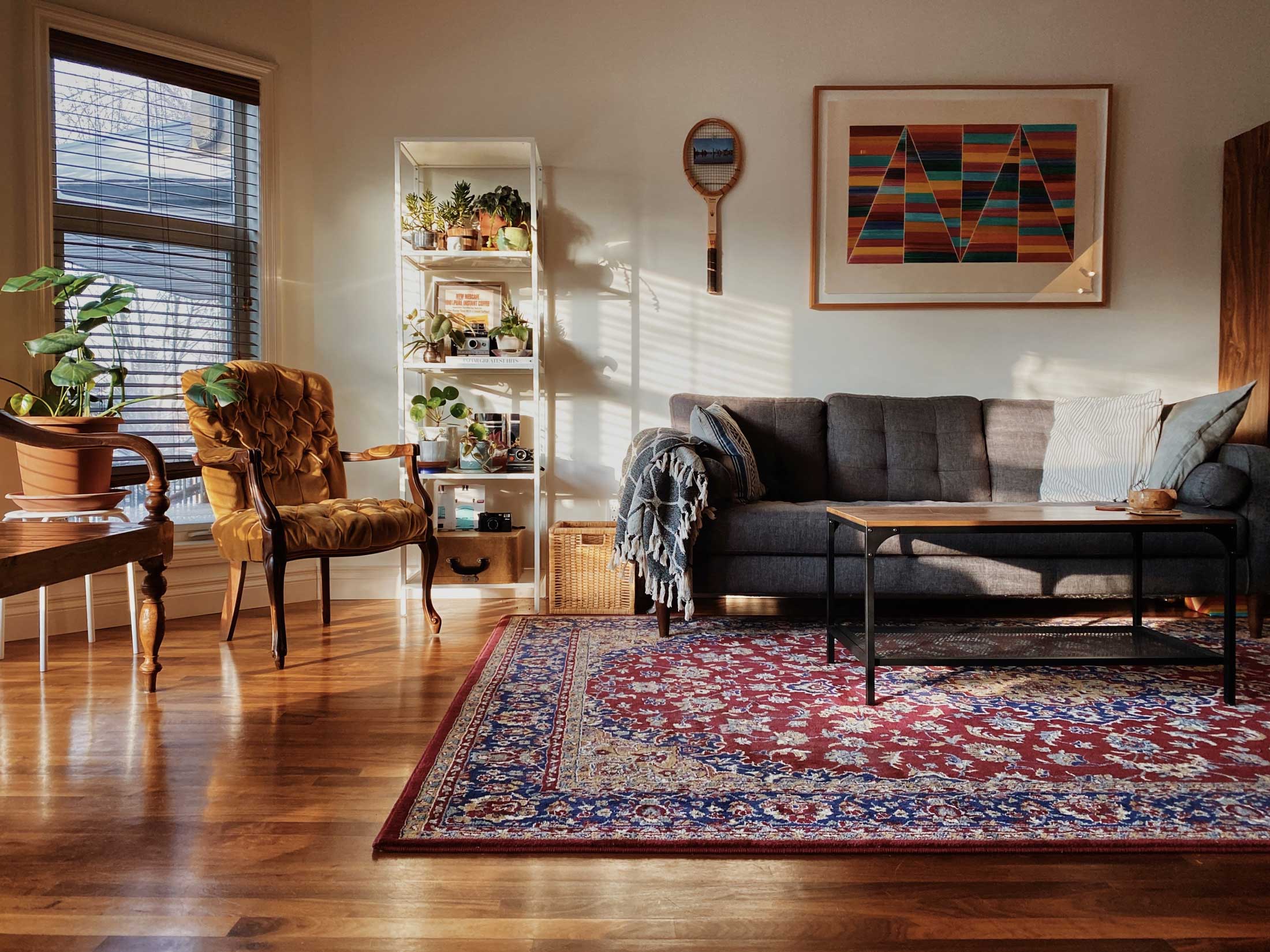
A beautiful room is never only about what is visible. It is also about what you feel when you enter: the softness underfoot, the quietness of the space, and whether the room feels fresh and light or slightly heavy. Carpets and rugs shape that experience more than most people realize. They add warmth, define zones, soften sound, and bring texture to a room in ways hard flooring cannot. In many homes, they are the element that makes a space feel finished rather than staged.
At the same time, carpets are part of daily living in a very practical way. They collect traces of movement throughout a home, from shoes at the door to fabric fibers, dust, and particles that accumulate over time. This does not make carpets a problem. It simply means they play a larger role in home comfort than décor conversations usually acknowledge. A room can look beautifully styled yet still feel slightly dusty or stale, and often the answer lies not in the furniture or layout but in the textile underfoot. When carpets are treated as part of the home’s atmosphere, not just its styling, they support both beauty and comfort.
Why Carpets Matter More Than We Think
-
The Invisible Layer in Stylish Interiors
One reason carpet-related freshness issues are easy to miss is that they are often invisible. A rug can look clean, a room can be tidy, and surfaces can be dusted regularly, yet the space may still feel less crisp than expected. This happens because carpets quietly hold what daily life drops into them. Fine outdoor dust can enter on shoes, pollen can come in through doors and windows, tiny particles can drift from clothing and upholstery, and cooking residue can travel farther than expected. Over time, these settle into the carpet pile and backing.
This hidden buildup changes a room’s feel more than its appearance. Many people notice it as a vague heaviness, a dullness in the air, or a “lived-in” feeling that lingers even after tidying. In high-traffic spaces, the effect becomes stronger because walking reactivates what has already settled. Each step bends the carpet fibers, potentially releasing small particles back into the air. That is why a room may feel fine when quiet, then feel dusty during a gathering or after a busy day. In design-focused homes, this matters because comfort is part of the aesthetic. A space should not only look serene – it should feel easy to breathe in and enjoy.
-
How Daily Movement Changes the Feel of a Room
Carpets are soft surfaces, and soft surfaces respond to activity. This is one reason rooms can feel different at different times of day. In the morning, a room may feel settled and fresh. By evening, after people have moved through it, sat down, stood up, and crossed the same paths multiple times, the space can feel more closed in. It is not always because the room is dirty. It is often because movement has disturbed what the carpet was holding.
This is especially noticeable in homes with active family areas, hallways, or layered living spaces where rugs sit beneath coffee tables and dining chairs. These are not just decorative zones. They are movement zones. The more frequently a carpeted area is used, the more important it becomes to care for it with intention. A visually clean carpet is not always enough in busy rooms. The goal is to maintain how a space performs throughout the day, not just how it looks right after a quick tidy-up. That small mindset shift can make a home feel more consistently fresh.
-
Moisture, Odor, and the Atmosphere of Home
Moisture is one of the biggest reasons a room feels off, even when it looks beautiful. A small spill, damp shoes near the entry, a pet accident, or lingering humidity can significantly affect carpet freshness. The surface may dry quickly, but deeper layers can retain moisture longer, especially in dense rugs or padded carpeted areas. This is often where stale or musty odors begin, even when there is no obvious stain.
In a lifestyle-focused home, scent and freshness are part of the design experience. People notice when a bedroom feels calm and clean, when a lounge feels airy, or when an entry feels heavy the moment they walk in. Carpets influence all of that. Moisture habits, therefore, are not just cleaning habits – they are smart living habits. Drying spills promptly, keeping entry areas dry, and ensuring rooms have steady airflow can protect the carpet’s appearance and the space’s mood. These small routines preserve the comfort that soft furnishings are meant to create.
-
Fragrance Buildup and Product Residue in Soft Surfaces
Many homes rely on scented products to maintain a clean feeling, but carpets and rugs can retain these products longer than expected. Spot cleaners, fabric sprays, fragranced detergents, and room scents often leave behind traces in soft surfaces. At first, this can make a room smell fresh, but over time, it may create a layered effect in which fragrance, dust, and residue combine to create a heavier atmosphere.
This is one reason some rooms smell clean for a short time after cleaning but quickly lose that freshness. The issue is not always the carpet itself but the cycle of repeated product use without fully removing buildup. In homes with strong design sensibilities, simpler care routines often create a more refined result. Light, low-residue products and good drying habits usually support a cleaner, more neutral atmosphere than stronger products used frequently. A beautiful home does not need to smell intense to feel fresh. In fact, a clean, quiet scent profile often makes a space feel more elevated and restful.
-
Smart Living Habits That Protect Carpets and Comfort
A modern home works best when everyday habits align with its design. Carpet care fits naturally into that idea. One of the simplest and most effective habits is entry control. A well-placed mat, a shoe routine, and a defined transition space at the door can reduce the amount of dust and grit that travels into the rest of the home. These are small changes, but they protect larger rugs and carpets in living areas, bedrooms, and hallways where comfort matters most.
Vacuuming habits also matter more than many people think, but the difference is usually in consistency and pace rather than intensity. A fast pass improves appearance, but slower, deliberate passes in the areas people actually use most often are what help maintain the room’s comfort over time. Hallways, seating zones, and spaces around beds and dining chairs collect more than they show. For homes with layered rugs, rotating them seasonally can help preserve both texture and wear, especially in areas with uneven sunlight and foot traffic. These are small routines, but they reflect what smart living really is: not complicated systems, but simple habits that keep the home feeling better with less effort in the long run.
-
When a Deeper Refresh Makes Sense
Even in well-kept homes, there comes a point when routine care is not enough. A carpet can still look presentable while harboring a hidden layer of dust, odors, and everyday residue. This is usually when a room quickly loses freshness after cleaning, or when a mild stale smell returns even after the windows have been opened. In design-forward spaces, these signs can be subtle because the room still looks polished.
This is where a more thorough refresh can make a noticeable difference. For larger rugs or wall-to-wall carpet in high-traffic areas, periodic deeper cleaning helps remove what routine maintenance cannot reach. The key is choosing methods that protect fibers and dry properly so the room feels truly reset afterward. Many homeowners begin by comparing professional options, such as Carpet Cleaning Group, to understand which approaches are best for their carpet type, drying expectations, and overall lifestyle needs. A deeper refresh is not just about stain removal or appearance; it restores the room’s atmosphere. When done well, the air feels lighter, the textile feels softer, and the entire space regains the ease that good design is meant to support.
-
Designing for a Cleaner, Calmer Home
The best interiors are not only visually curated – they also support daily life. Carpets and rugs are central to that balance. They soften acoustics, make rooms feel grounded, and create warmth that hard flooring cannot replicate. But because they are so woven into everyday use, they need care that matches their role. A beautiful home should feel as good as it looks, and floor textiles are part of making that happen.
When carpets are included in the broader conversation about smart living, home comfort improves in practical ways. Better airflow helps rooms feel lighter. Balanced humidity protects soft furnishings. Simpler products reduce buildup. Entry habits reduce what gets tracked in. Consistent vacuuming and periodic deeper cleaning prevent the slow decline that makes rooms feel tired. None of this takes away from style. It strengthens it.
Carpets are not just decorative layers. They are part of the home’s atmosphere. They hold warmth, quiet, and comfort – but they also hold the daily traces of life. With a little intention, they can continue doing the first beautifully while minimizing the second. And that is what modern living is really about: creating spaces that feel calm, clean, and truly livable every day.



The White Lotus set design and the aesthetic of escapist luxury
Discover the allure of The White Lotus set design! Immerse in escapist luxury with our stylish insights.


Smart Home Essentials: Transform Your Space with the Latest Tech Gadgets
Welcome to the future of living! With the rapid advancements in technology, our homes are becoming smarter and more connected

Interior Upgrades That Improve Quality of Life
Discover easy interior upgrades that improve comfort, lighting, air quality, and sleep—no full renovation needed. Perfect for any space.

Recessed Lighting Spacing: How to Plan for Even Illumination
Discover our tips on recessed lighting spacing for even illumination and a beautifully lit home!

How I Chose the Best Minimalist Cutlery Sets for My Home
Join me on a journey to find the best minimalist cutlery sets for your home sweet home!
What Is Japandi? The Ultimate Guide to the Design Style That’s Taking Over Homes Everywhere
Japandi is where Japanese minimalism meets Scandinavian warmth. This guide breaks down the style, mindset, and must-haves so you can create a calm, cozy, and clutter-free home that actually feels like you.








 Blankets and Throws
 Home Accessories
 Furniture
 Rugs
Rugs Cushions
 Kitchen
 Cutlery and Dinnerware
 Drinkware
 Table Mats and Coasters
 Dining Accessories
 Tablecloths and Napkins
 Decorative Items
 Vases and Planters
 Wall Decor
 Bathroom Accessories
 Bathroom Storage
 Bath and Shower Mats
 Towels