FREE WORLDWIDE TRACKED SHIPPING
Using Natural Light in Interior Photography to Create Mood
 By Laura Jones
Natural light is one of the most powerful tools in interior photography. Learn how to use direction, timing, and softness of light to create mood, depth, and authentic atmosphere in your photos
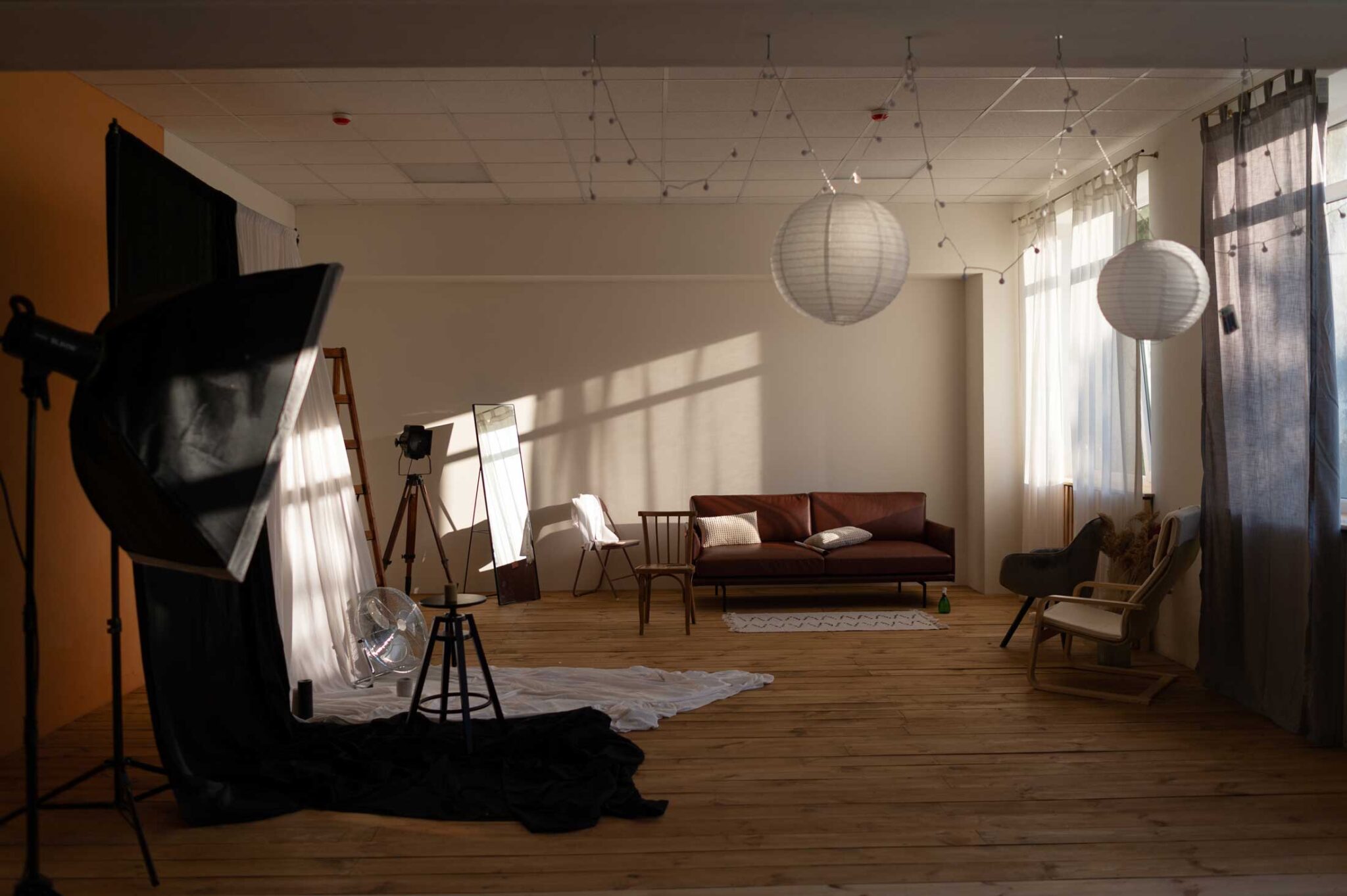
Natural light is one of the most powerful tools in interior photography. It has the ability to transform a space, highlight textures, and create an atmosphere that feels both authentic and inviting. Unlike artificial lighting, natural light changes throughout the day, bringing different moods and emotions into the same room.
For photographers, understanding how to work with this light is essential. It is not only about brightness, but about direction, softness, and timing. When used thoughtfully, natural light can turn even the simplest interior into something visually compelling.
Why Natural Light Matters
Natural light brings a sense of realism that is difficult to replicate with studio setups. It enhances colors, adds depth, and creates subtle contrasts that make images feel alive.
In interior photography, the goal is often to make a space feel welcoming and true to life. Soft daylight filtering through a window can gently illuminate surfaces, while shadows add dimension and interest. This balance helps create photographs that feel warm rather than staged.
Many professionals, including those working as a photographer Valencia clients rely on for lifestyle and interior shoots, often prioritize natural light because of how effortlessly it connects the viewer to the space.
Understanding Direction and Quality of Light
The direction of light plays a major role in shaping a photograph. Light coming from the side can emphasize texture and create depth, while front-facing light tends to flatten the scene.
Soft, diffused light is usually the most flattering for interiors. This type of light often appears on cloudy days or when sunlight is filtered through curtains. It reduces harsh shadows and creates a calm, balanced look.
Hard light, on the other hand, can be used more creatively. Direct sunlight streaming through a window can produce striking patterns and dramatic contrast. When used intentionally, it can add character and mood to an image.
Timing Is Everything
Natural light is constantly changing, and the time of day can completely alter the feel of a space.
Morning light is often cool and gentle, making it ideal for clean and minimal interiors. Midday light is brighter and more intense, which can be challenging but also useful for highlighting architectural details. Evening light brings warmth and softness, creating a cozy and intimate atmosphere.
Photographers often plan their sessions around these changes. For example, someone capturing interiors for a destination wedding in Valencia venue might choose late afternoon or early evening to showcase the space in its most romantic and inviting light.
Creating Mood Through Light
Mood in photography is not created by the space alone. It is shaped by how light interacts with that space.
A bright, evenly lit room can feel fresh and open. A softly shadowed corner can feel calm and reflective. By adjusting exposure and composition, photographers can emphasize different emotional tones.
Small changes can make a big difference. Opening or closing curtains, repositioning objects, or shifting the angle of the camera can alter how light falls within the frame. These adjustments help create a story within the image.
Working with Windows and Open Spaces
Windows are the primary source of natural light in interior photography. Their size, placement, and orientation determine how light enters a room.
Large windows provide abundant light and are ideal for creating airy, spacious images. Smaller windows can produce more focused beams of light, which can be used for more dramatic effects.
Photographers often position themselves so that the light falls across the scene rather than directly behind or in front of it. This creates a more balanced and visually interesting composition.
Open doors, balconies, and reflective surfaces can also help distribute light more evenly throughout the space.
For the renovation side, our guide to windows for vintage vacation rentals covers daylight, thermal comfort, and noise control.
Balancing Highlights and Shadows
One of the challenges of using natural light is managing contrast. Bright highlights and deep shadows can easily become overwhelming if not handled carefully.
Adjusting camera settings such as exposure and white balance helps maintain detail in both light and dark areas. In some cases, photographers may slightly underexpose an image to preserve highlights and then bring out shadow details during editing.
The goal is to keep the image balanced while still maintaining the natural feel of the light.
Keeping It Authentic
One of the biggest advantages of natural light is its authenticity. It allows a space to be presented as it truly is, without heavy manipulation.
This approach is especially important in interior photography, where viewers often want to understand how a space feels in real life. Overly artificial lighting can make images look disconnected from reality, while natural light keeps them grounded and relatable.
By embracing imperfections and subtle variations in light, photographers can create images that feel more honest and engaging.
Using natural light in interior photography is both an art and a skill. It requires observation, patience, and an understanding of how light interacts with different environments. From soft morning glow to warm evening tones, natural light offers endless possibilities for creating mood and atmosphere. When used thoughtfully, it transforms ordinary spaces into images that feel inviting, emotional, and timeless.
Photographers who master this approach are able to tell stories through light alone, capturing not just how a space looks, but how it feels to be in it.










 Blankets and Throws
 Home Accessories
 Furniture
 Rugs
Rugs Cushions
 Kitchen
 Cutlery and Dinnerware
 Drinkware
 Table Mats and Coasters
 Dining Accessories
 Tablecloths and Napkins
 Decorative Items
 Vases and Planters
 Wall Decor
 Bathroom Accessories
 Bathroom Storage
 Bath and Shower Mats
 Towels