FREE WORLDWIDE TRACKED SHIPPING
How to extend your home’s design aesthetic to the backyard
 By Alex Carter
Most homeowners design their interiors carefully, but overlook the backyard. Here’s how to apply the same design principles outdoors for a cohesive and functional space.
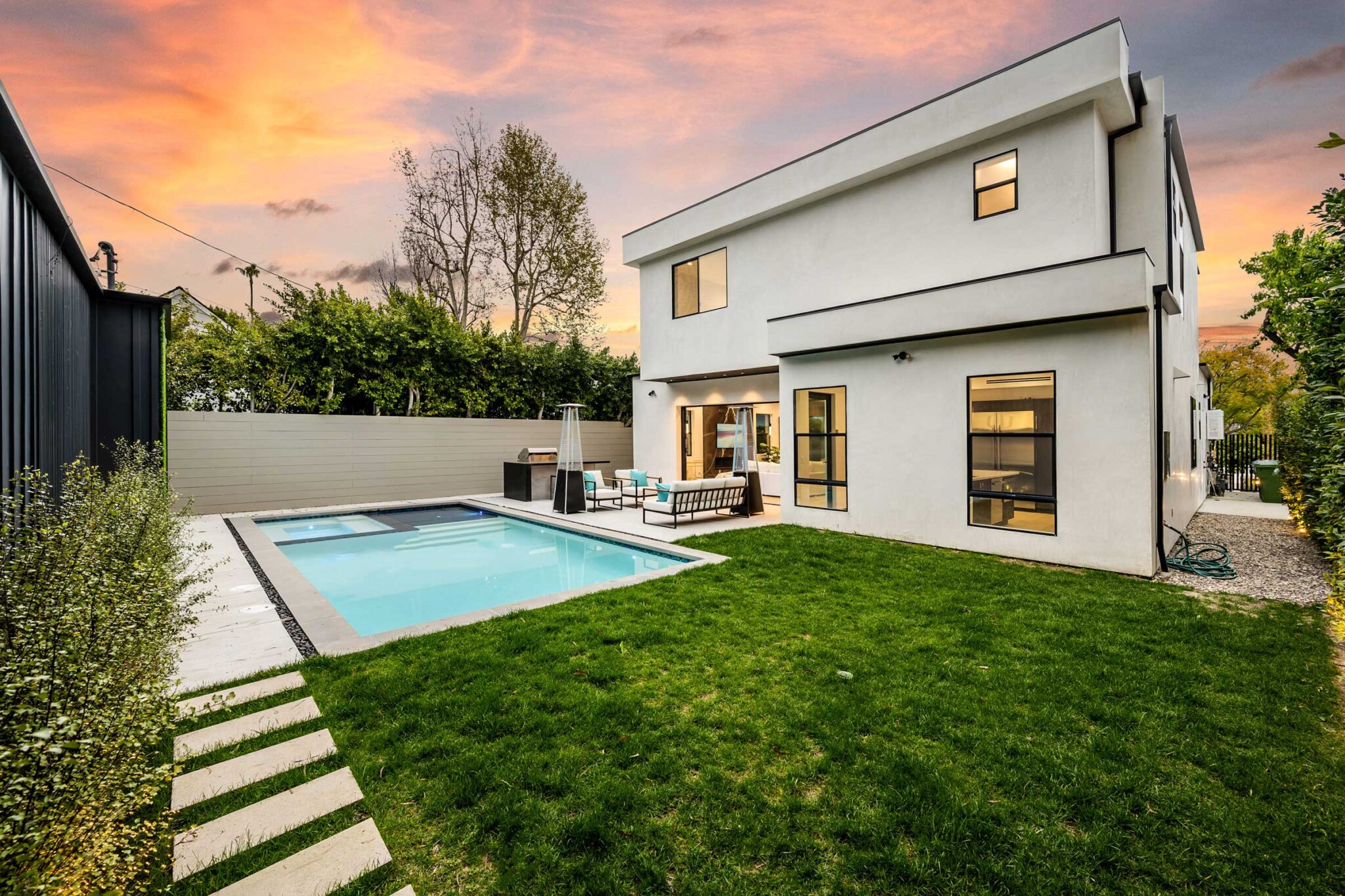
Most homeowners put serious thought into how their living room looks. The sofa, the rug, the lighting, the paint color on the walls. But then they step outside and find a backyard that feels like it belongs to a completely different house. That gap between indoors and outdoors is common, and it almost always comes down to one thing: nobody applied the same design thinking outside that they used inside.
You do not need a bigger budget. You need material quality, visual consistency, and a willingness to treat the backyard like a real room.
Start with the boundary, not the furniture
Most backyard design advice jumps straight to patio furniture or landscaping. That is backwards. The perimeter of your outdoor space sets the visual tone for everything inside it, the same way walls define a room.
If your home leans modern or minimalist, a sagging cedar fence or a rusting chain-link barrier will undermine the entire look before you even place a single planter. Wood fences tend to grey, crack, and warp within one to two seasons in colder climates. What looked clean on install day turns into an eyesore fast.
Aluminum fencing has picked up a lot of ground with homeowners who want a boundary that holds its appearance year after year. It does not rot, warp, or require periodic staining. It keeps its finish through freeze-thaw cycles and UV exposure without any maintenance.
PrimeAlux, for example, manufactures aluminum privacy fence panels that carry a natural wood-grain look in finishes like walnut and grey brown, but with the durability of metal underneath.
A 2024 Grand View Research report found that the global aluminum fencing market is on a steady growth track through 2030, with residential demand for low-maintenance materials driving most of the increase.
Match materials to your interior palette
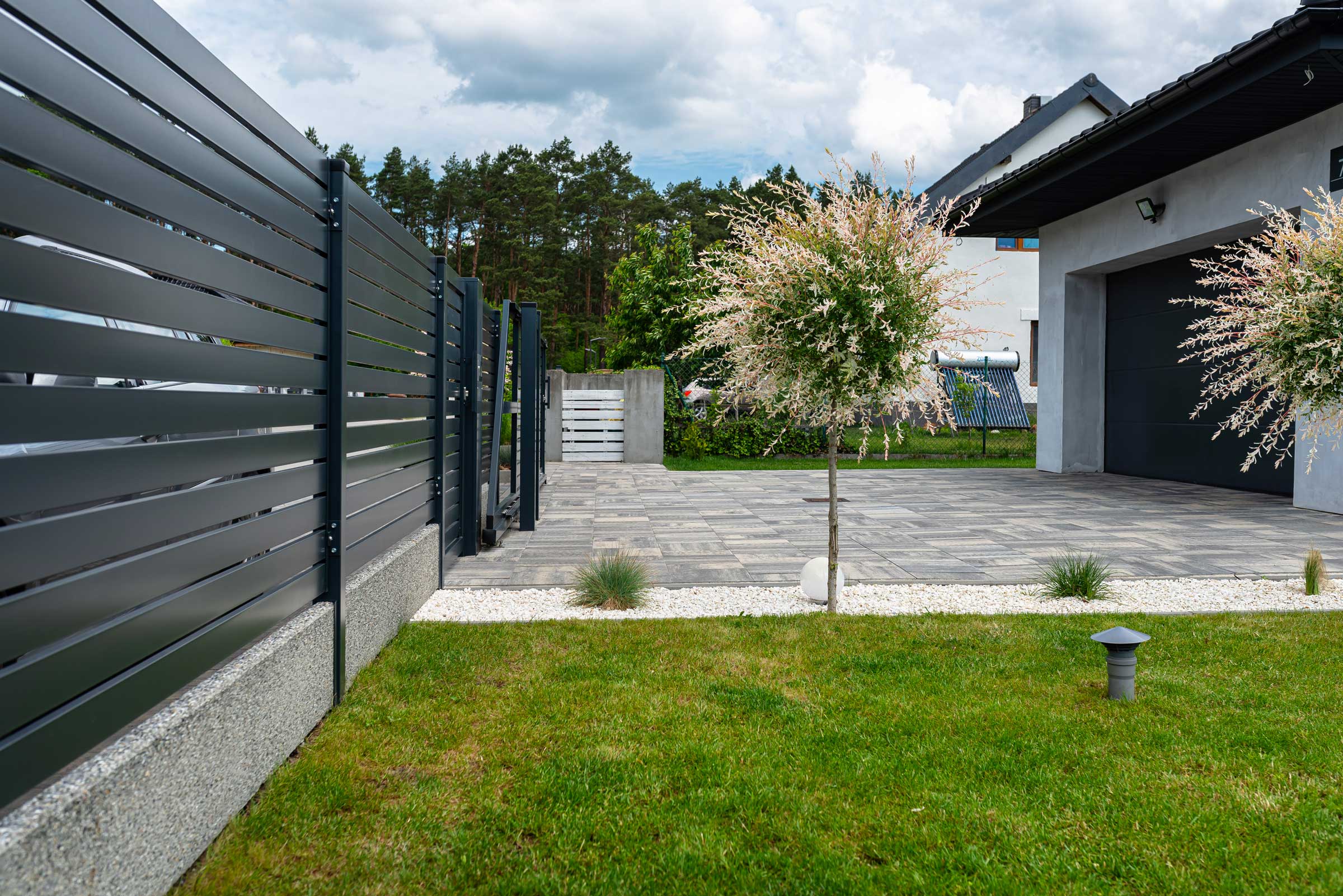
One of the simplest ways to make indoors and outdoors feel connected is through consistent material tones. If your interior runs warm (wood tones, earthy neutrals), your outdoor materials should follow that direction.
Fence finish matters more than most people realize. A bright white vinyl fence next to a home with warm walnut floors and matte black fixtures creates an obvious clash. A fence in a complementary wood-grain tone ties the two spaces together without forcing an exact match.
PrimeAlux offers finishes like Natural Walnut, Grey Walnut, and Dark Walnut, all applied through a three-layer coating process. They are built to complement the kinds of palettes homeowners are already working with indoors.
The same continuity principle appears in our guide to small home upgrades for better everyday living.
Think about privacy the way you think about walls
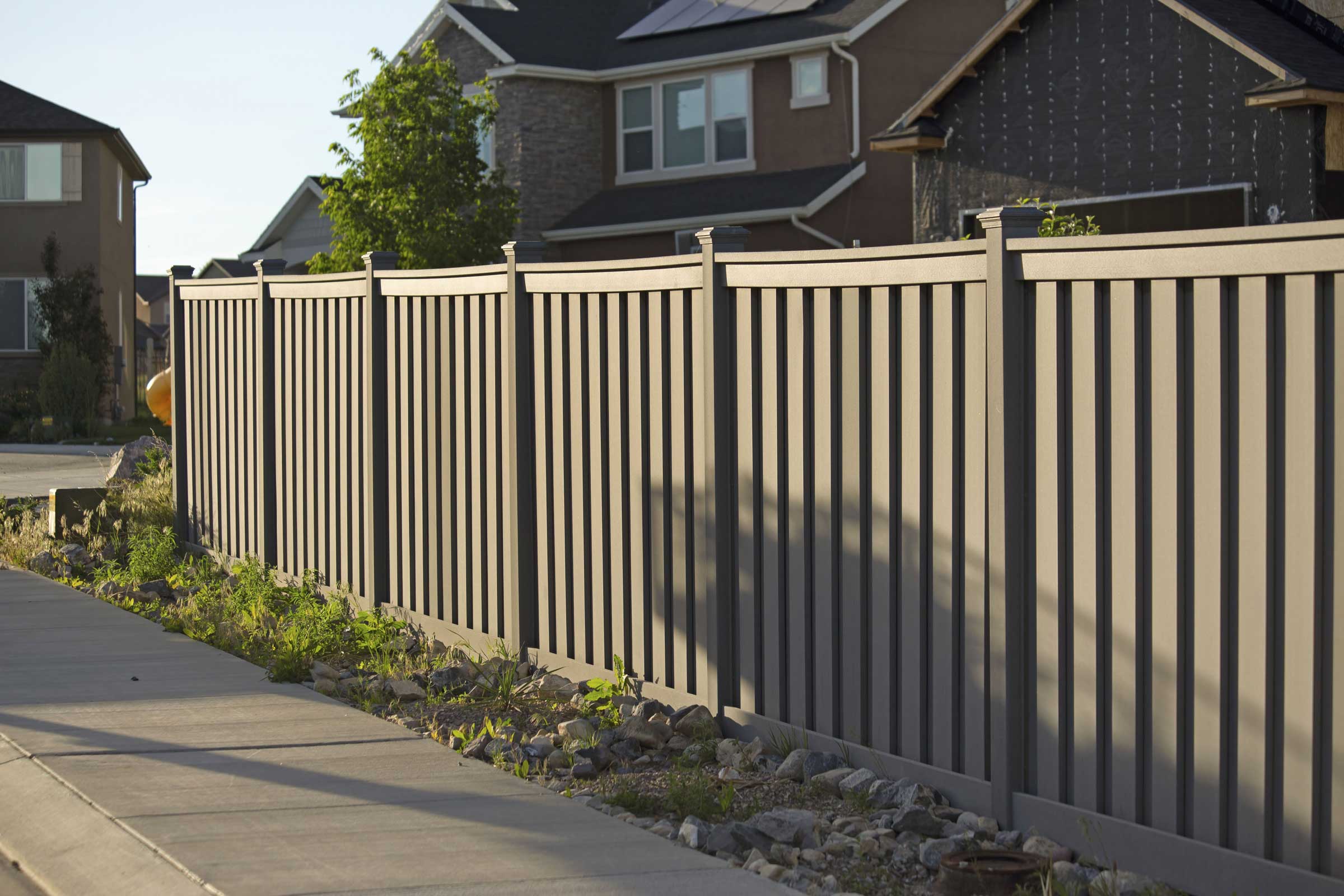
Inside your home, you have rooms that are completely enclosed and rooms that are open and airy. Your backyard benefits from the same kind of zoning.
Full privacy panels work well along property lines shared with neighbors or facing busy streets. They block sightlines completely and create a contained, sheltered feel. Semi-privacy panels, with spaced slats allowing airflow and filtered light, work better where you want partial enclosure without total isolation. Think of it the way a half-wall or open shelving unit divides interior space without sealing it off.
Some manufacturers now offer foam-core aluminum fence panels that add sound dampening and structural rigidity without extra weight. That layered construction improves the outdoor experience in the same way acoustic panels or insulated walls improve an indoor room. It is a small detail, but you notice it when you are sitting outside on a Saturday morning.
Longevity is a design decision
Interior designers routinely warn against trendy materials that will look dated in five years. The same logic applies outdoors, except the stakes are higher because outdoor materials face rain, snow, ice, wind, and sun every single day.
Wood fencing may look good for a season. Within a couple of years in northern climates, though, most wood fences start showing cracks, grey patches, and visible warping. Vinyl holds up a bit longer under moderate conditions, but it yellows and becomes brittle in extreme cold. Below minus 20 degrees Celsius, vinyl can crack or shatter on impact.
Aluminum has a functional lifespan of 25 years or more. PrimeAlux panels have been tested to Class A fire resistance standards under ASTM E84, earning a Flame Spread Index of 0. They have also been wind-load tested to 220 kilometers per hour. Those are not marketing numbers. They are third-party test results.
If you are putting money into your backyard, choosing materials that still look sharp a decade from now is not overthinking it. It is just good design.
Layer in softscape and lighting last
Once your boundary and privacy zones are set, then it makes sense to add the layers that most people start with: plants, outdoor furniture, string lights, pathway stones.
Softscape and lighting work best when they have a clean backdrop to play against. Ornamental grasses in front of a weathered, leaning wood fence look messy. The same grasses in front of a clean, straight-lined aluminum panel look deliberate and styled.
Keep plant choices simple. Stick to three or four species per zone to avoid visual clutter. Place lighting at the base of fences or along pathways to create depth after dark. If your backyard has a sitting area, a pendant-style outdoor light gives you the same overhead warmth you would expect in a dining room.
Your backyard is a room without a roof
The principles that make a room feel well designed work exactly the same way outside. The only difference is exposure. Materials that cannot handle weather, temperature swings, and UV light will fail. And when they fail, they pull the whole outdoor look down with them.
Start with the bones. Pick boundary materials that hold their form and finish over the long haul. Build outward from there with complementary tones, intentional privacy zoning, and layered planting. You already know how to make a room look right. Your backyard just needs the same attention.











 Blankets and Throws
 Home Accessories
 Furniture
 Rugs
Rugs Cushions
 Kitchen
 Cutlery and Dinnerware
 Drinkware
 Table Mats and Coasters
 Dining Accessories
 Tablecloths and Napkins
 Decorative Items
 Vases and Planters
 Wall Decor
 Bathroom Accessories
 Bathroom Storage
 Bath and Shower Mats
 Towels