FREE WORLDWIDE TRACKED SHIPPING
Curated Maximalist Interior Design: How to Do It Well
 By Alex Carter
Maximalism is not chaos — it is curation. Here is how to do maximalist interior design that feels rich, not crowded.
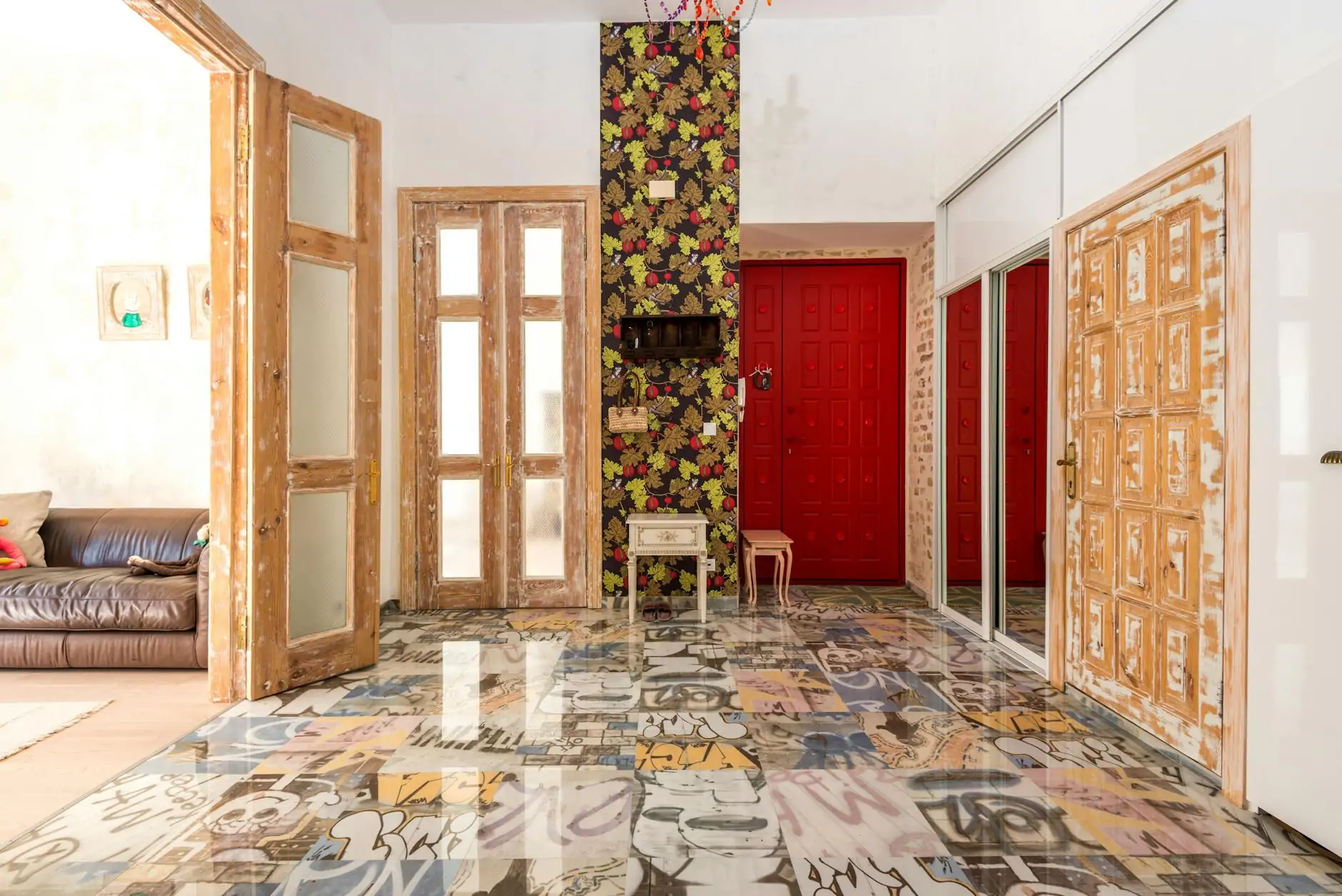
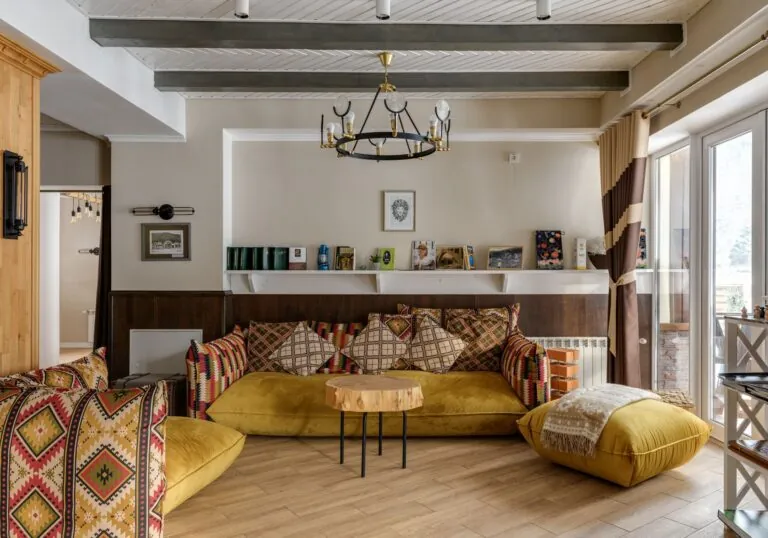
Maximalist interior design: bold, layered, and edited with discipline.
Maximalist interior design is not chaos — it is curation. After more than a decade of all-white minimalism dominating design culture, the pendulum has swung back, and the new maximalism is bolder, smarter, and far more layered than what came before. Done well, a maximalist room is rich, deeply personal, and surprisingly calm. Done poorly, it is a vintage shop with a couch in it. The difference is in the editing.
What Maximalist Interior Design Actually Is
Maximalist interior design embraces color, pattern, layered textures, and personal collections. It rejects the idea that a room should look “clean” in the gallery sense, and instead aims for rooms that feel rich with story, history, and character. Rooms have art on every wall, bold rugs underfoot, patterned upholstery, abundant plants, books stacked in piles, and lighting that flatters all of it.
The crucial word in modern maximalism is curated. The successful versions of this style are deeply intentional — every object, color, and pattern is in conversation with the others. A maximalist room is not the absence of editing; it is editing toward abundance instead of toward emptiness.
The Rules of Curated Maximalism
Five rules separate good maximalism from cluttered chaos.
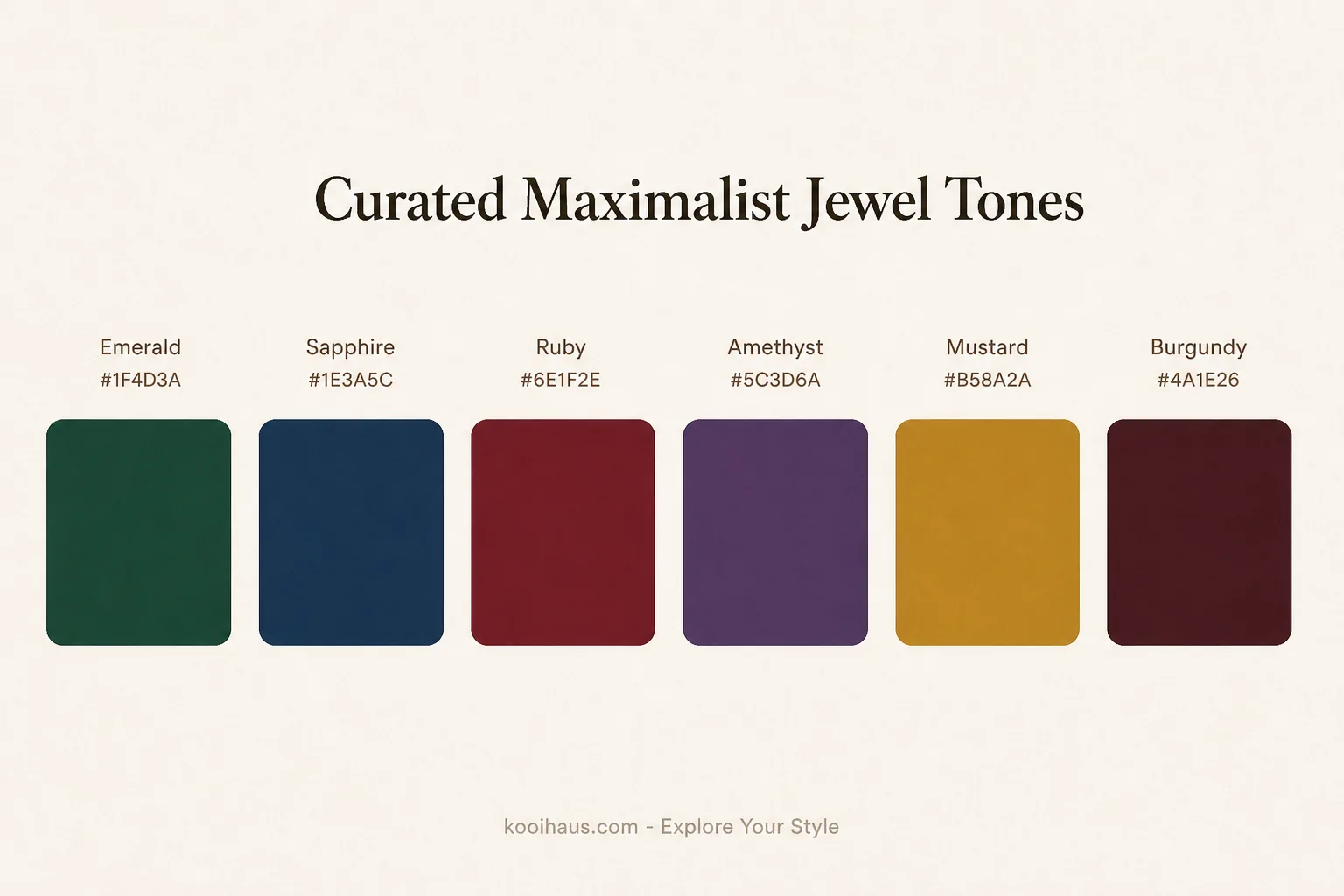
- Anchor the room with a dominant color story. Maximalist rooms have many colors, but those colors live within a coherent palette. Pick three to five colors that you will repeat throughout the room.
- One pattern dominates; others echo it. A bold patterned rug, wallpaper, or sofa anchors the room; smaller patterns (cushions, drapery, art) pick up colors from the dominant pattern without competing with it.
- Vary scale. Mix one large oversized piece (rug, art, sofa) with several medium pieces and a few small accents. A room of all-medium-scale items reads visually flat even when colorful.
- Mix old and new. A great maximalist room blends modern furniture with vintage finds, contemporary art with antiques, and high-end pieces with thrift-store discoveries. The mix is the soul.
- Leave breathing room. Even maximalist rooms have negative space. Not every wall needs art; not every surface needs styling. The pauses make the abundance read intentional rather than overwhelming.
Color in a Maximalist Home
Where minimalism whispers, maximalism speaks. Colors in maximalist rooms are saturated, often jewel-toned, and unafraid to clash productively.
The most successful palettes have one of three structures: tonal (multiple shades of related colors — emerald, sage, forest, moss); complementary (colors opposite on the color wheel — burgundy and forest green, navy and terracotta); or globally inspired (palettes drawn from specific traditions — Moroccan rooms in cobalt and saffron, English country in burgundy and dusty rose).
What rarely works is random color. Pulling colors from everywhere — turquoise here, magenta there, mustard somewhere else — quickly turns into noise. Pick a palette of three to five colors and repeat them thoughtfully throughout the room.
Pattern in a Maximalist Room
Pattern is what makes maximalism feel alive. The trick is layering patterns so they enhance rather than fight each other. A few principles:
Vary scale. Mix one large-scale pattern (a bold floral wallpaper, a Persian rug) with one medium pattern (a striped or checked upholstery) and one small pattern (a fine print on cushions). Same-scale patterns compete; different-scale patterns layer.
Echo the colors. A patterned rug in deep rust, navy, and gold can support cushions in solid rust, navy, and gold; the colors should appear on multiple surfaces.
Anchor with solids. One large solid-color piece — a sofa, a wall, a rug — gives the eye somewhere to rest. Without an anchor, multi-pattern rooms can feel exhausting.
Materials and Layering
Maximalist rooms layer materials as enthusiastically as they layer color. Velvet on a sofa, linen on chairs, leather on an ottoman, kilim on the floor, brass on the lamps, glass on the coffee table, ceramics on the shelves. The layered textures create the feeling of a room that has been collected over years rather than purchased in a single trip.
Vintage pieces dominate the most successful maximalist rooms. A 1960s rosewood credenza, a Victorian wing chair reupholstered in modern velvet, a Moroccan kilim rug from a flea market — these are the pieces that give a maximalist room its distinctive personality. Even modest budgets can build remarkable maximalist rooms through patient vintage shopping.
Bringing Maximalism Into Each Room
The living room is the natural showcase. Anchor with a bold patterned rug or a deeply colored sofa. Add a gallery wall above (start with five to fifteen frames; mix art forms — paintings, photographs, prints, ceramics on shelves). Layer in patterned cushions, a chunky throw, table lamps with sculptural bases, and at least one large statement plant. Do not be afraid of bookshelves; books in a maximalist room are part of the styling, not separate from it.
Dining rooms reward a singular bold move: a deeply colored or wallpapered accent wall, a chandelier that demands attention, or a bold table runner over a beautifully grained wood table. Surround the table with chairs in a saturated upholstery — emerald velvet, deep berry, mustard linen.
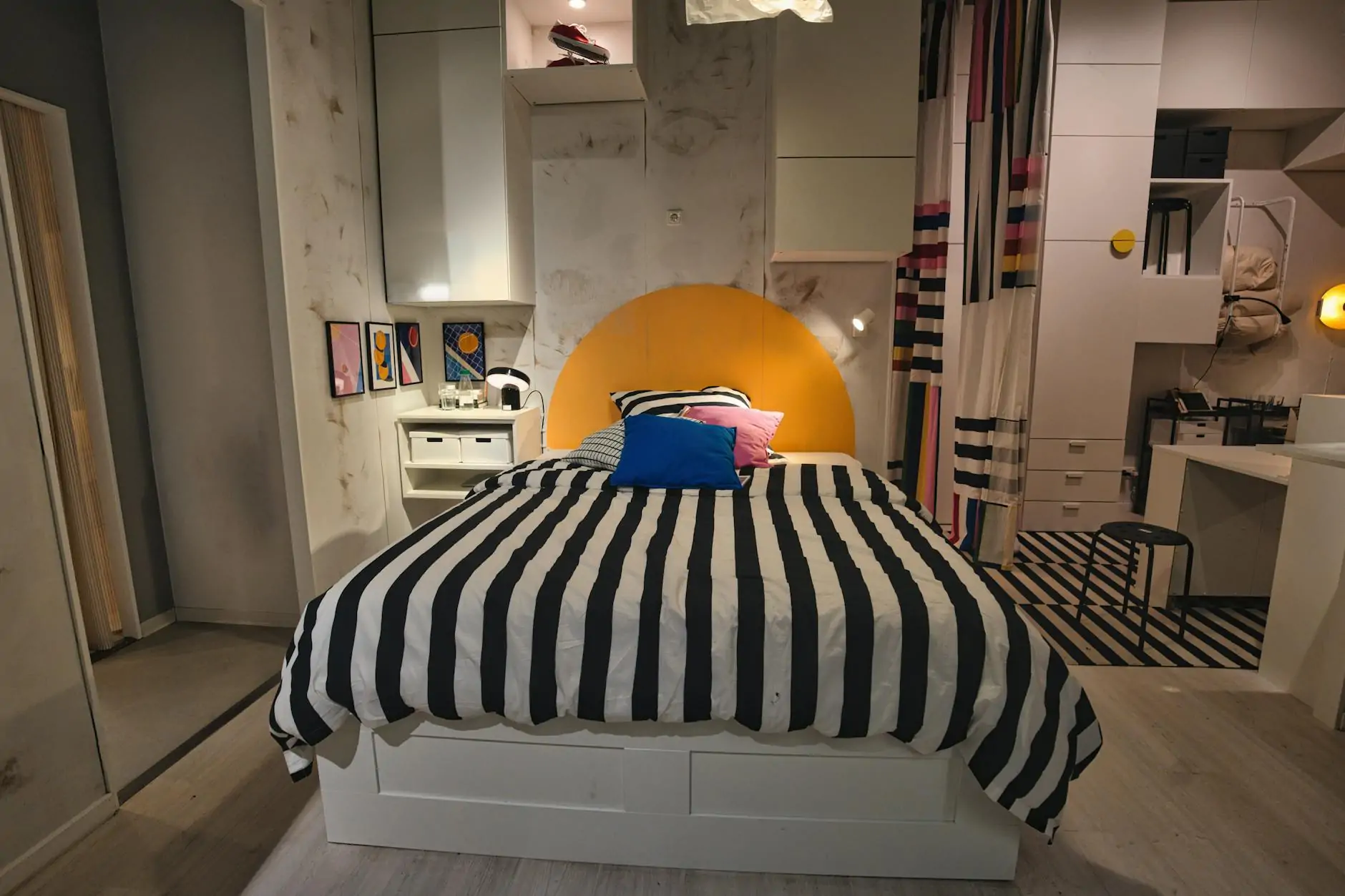
Bedrooms can be the most dramatically maximalist room in the house, since bedrooms are private. Wallpapered walls, layered bedding, a tufted headboard in velvet, an upholstered chair in a different rich color, framed art covering the walls. The eye should land somewhere new every time it moves.
Bathrooms benefit from focused maximalism: a bold patterned floor tile, painted cabinetry, an oversized mirror, an antique brass fixture. One or two design moves can carry the entire bathroom.
Lighting a Maximalist Room
Lighting is non-negotiable in maximalist design. Cool overhead lighting will flatten colors and patterns; warm layered lighting will make them sing.
- Multiple sources at multiple heights. Floor lamps, table lamps, sconces, chandeliers, and accent lamps. A single overhead light kills maximalism instantly.
- Warm bulbs. 2700K throughout. Cooler temperatures make jewel tones look murky.
- Statement fixtures. A maximalist room rewards an eye-catching chandelier, an oversized pendant, or a sculptural floor lamp. The fixture itself is part of the design.
- Dimmers everywhere. Maximalist rooms shift between bold day-lit drama and intimate evening warmth.
Common Maximalist Mistakes
The first mistake is treating maximalism as the absence of restraint. The most successful maximalist rooms are deeply edited; they just edit toward more rather than less. A room that has truly never been edited reads as cluttered, not maximalist.
The second is buying disposable objects in bulk. Maximalism is not “more stuff.” It is more meaningful stuff. Twenty cheap framed prints from a discount store will not deliver the look. One vintage oil painting, three thoughtful prints, and two beautifully framed family photos will.
The third is skipping the unifying palette. Without three to five repeating colors throughout the room, even beautiful pieces start to feel disconnected. Pick the palette first; let the pieces follow.
Building a Maximalist Room on a Budget
Maximalism is one of the most budget-friendly major styles, because it actively rewards thrifting, vintage shopping, and slow accumulation.
The most cost-effective approach is to commit to vintage and consignment for major furniture (rugs, side tables, lamps, accent chairs), and to budget for one or two anchor splurges (the sofa, a good rug, or a piece of original art). Build the room over six to twelve months — adding pieces as you find them, rotating styling as the room reveals what it needs.
Estate sales, flea markets, antique malls, and Facebook Marketplace are gold mines for maximalist pieces. A $40 vintage brass lamp, a $100 antique chair upholstered later in beautiful fabric, and a $200 oil painting from an estate sale will outperform any catalog room.
Frequently Asked Questions
Is maximalism the opposite of minimalism?
In aesthetics, yes. Both styles, however, share a love of intentionality. The minimalist edits to fewer; the maximalist edits to more meaningful.
Does maximalism work in small spaces?
Yes — and it can be especially powerful. Small rooms with bold wallpaper, layered textiles, and curated art can feel jewel-box rich rather than cramped. The trick is restraint within abundance: pick fewer truly excellent pieces in a small room.
Can you mix maximalism with other styles?
Yes. Eclectic maximalism, English country maximalism, and bohemian maximalism are all hybrids. Pure dramatic maximalism is rare in real homes; most successful rooms blend traditions.
How do I know when a room is “done”?
When you can stand in the doorway, look around, and feel that adding anything else would make the room worse. The successful maximalist room hits a specific tipping point — abundant but settled, layered but coherent.
Is maximalism out of style?
No — and arguably it is becoming the dominant aesthetic of the late 2020s. After fifteen years of minimalism, design culture has clearly turned, and the new maximalism is here to stay for a while.
Maximalist interior design is, at its best, the most personal style you can build. It demands editing, palette discipline, and patience — but it rewards you with rooms that feel unmistakably yours. Anchor the palette, layer with intention, mix vintage with new, and use these ways to make a home feel more personal without over-buying or over-editing. The result is the kind of room that tells your story without saying a word.
Take the Quiz
Not sure if curated maximalism is really your thing? Take our Interior Style Quiz and find out which interior style fits your home, your collection, and the way you actually live.










 Blankets and Throws
 Home Accessories
 Furniture
 Rugs
Rugs Cushions
 Kitchen
 Cutlery and Dinnerware
 Drinkware
 Table Mats and Coasters
 Dining Accessories
 Tablecloths and Napkins
 Decorative Items
 Vases and Planters
 Wall Decor
 Bathroom Accessories
 Bathroom Storage
 Bath and Shower Mats
 Towels