FREE WORLDWIDE TRACKED SHIPPING
Investing in Furniture: What Is Actually Worth It
 By Laura Jones
When it comes to furniture, what is actually worth investing in? A practical, honest guide to where to spend and where to save.
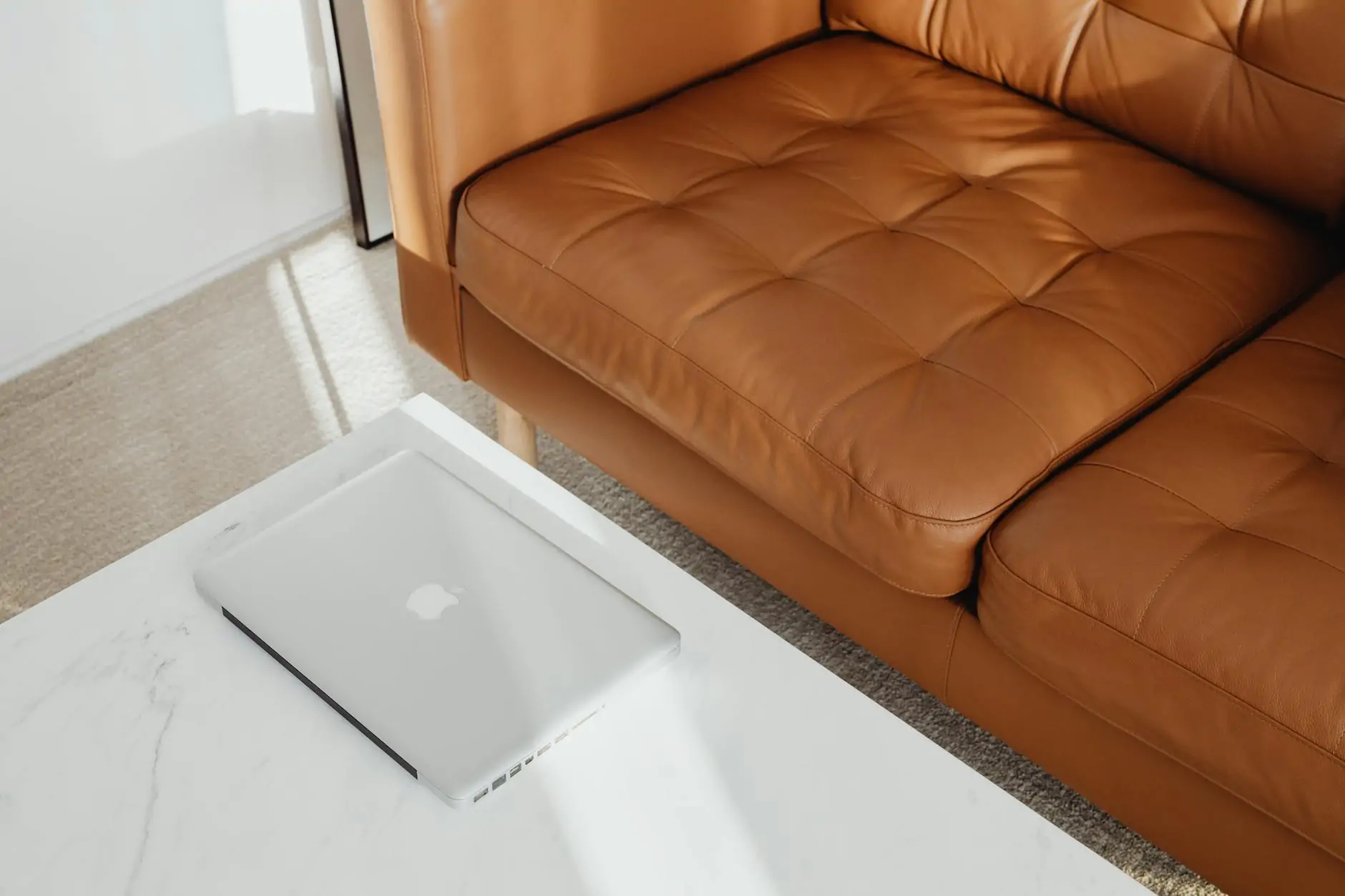
A great sofa is almost always worth the spend; a great side table is almost never.
The furniture investment guide most people need is shorter than they expect. A handful of pieces are worth real money. Many more are not. After a decade of fast furniture and disposable design, more buyers are realizing that the cheapest path almost always costs more in the end — but only if you know which pieces to spend on and which to keep affordable. Here is the honest, no-affiliate version of where to invest, where to save, and how to spot quality at any price.
Why Furniture Investment Matters
The math behind furniture investment is brutal. A poorly built sofa lasts three to five years before sagging into uselessness, while a well-built one lasts fifteen to twenty. Across two decades, the cheap sofa actually costs more — once you add up replacements, hauling fees, and the steady drift toward a furniture-store credit card.
Investment furniture is not about luxury. It is about doing the math correctly. A solid wood dining table that lasts forty years and gets passed to your kids is genuinely cheaper than the third veneer-over-MDF replacement you would have bought in the meantime. The pieces that matter most are the ones you sit on, sleep on, and eat at every day.
Pieces Worth Investing In
If you are starting from scratch, prioritize spending on these pieces. They earn it back through years of daily use.
The sofa. The single most-used piece of furniture in most homes. A well-built sofa with a kiln-dried hardwood frame, eight-way hand-tied springs, and removable cushion covers will last twenty years. A cheap one will sag in three. Spend here first.
The bed (mattress + frame). You spend a third of your life on this. A quality mattress lasts ten years; a cheap one lasts three or four before back issues start. The frame matters less, but a solid wood platform or upholstered frame will outlast every flat-packed assembled-with-hex-key alternative.
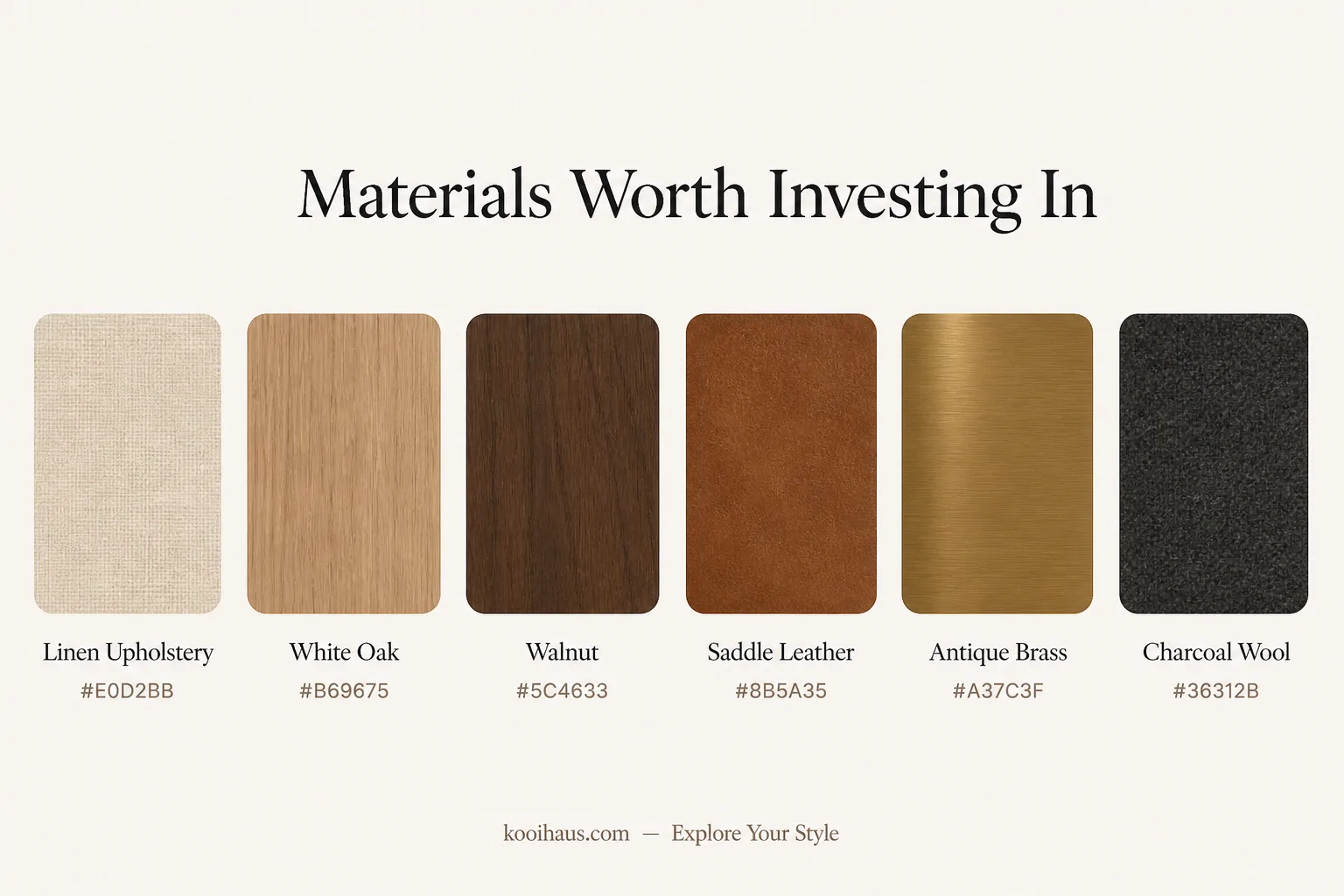
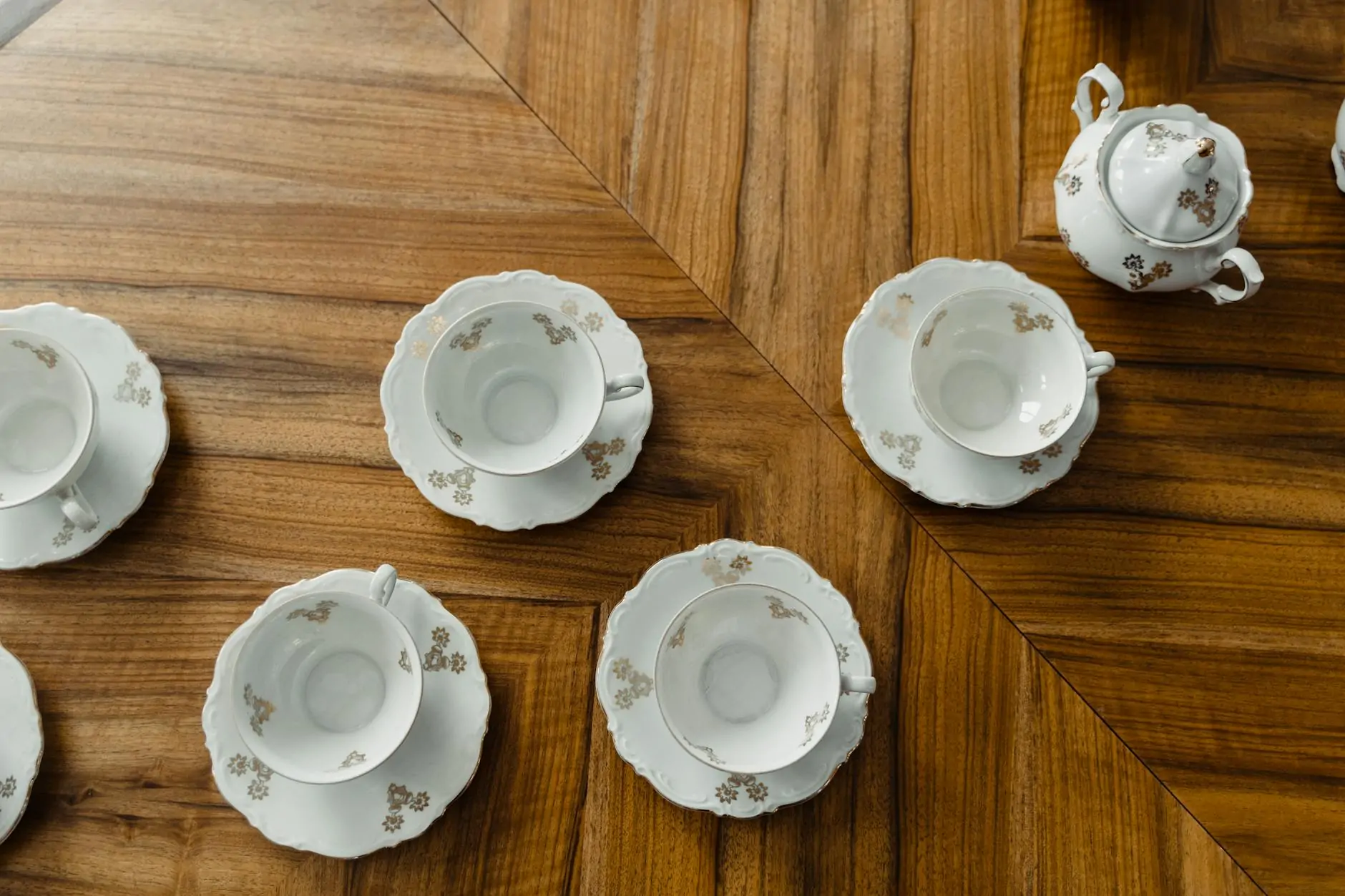
The dining table. Solid wood — oak, walnut, ash, or rosewood. A real wood table can be sanded, refinished, and passed down across generations. A laminated MDF table almost always begins delaminating within five to seven years.
An anchor case piece. One credenza, sideboard, or dresser per home in real solid wood with proper drawer construction (dovetail joints, full-extension slides). This is the piece that holds your physical life and shows the most use over time.
Quality leather or wood lounge chair. A single great accent chair — a worn-in leather Eames, a solid wood Wishbone, a vintage rattan piece — anchors a living room and outlives every disposable accent chair beside it.
Pieces Where Mid-Tier Is Plenty
Some categories see diminishing returns past a certain price. Mid-tier ($300–$1,500 range) almost always delivers the look without the premium.
Coffee tables and side tables. Unless you are buying real stone, mid-tier wood and metal pieces look almost indistinguishable from premium ones. Solid wood at any price beats premium MDF.
Dining chairs. A solid wood Windsor or wishbone chair under $200 from a reputable manufacturer will last decades. The premium versions are nicer but rarely deliver proportional value.
Of course, that changes when a chair is being chosen for a highly specific environment rather than an ordinary home. In behavioural health spaces, for example, safety, stability, and suitability for the setting matter more than the usual mid-tier-versus-premium calculation, so it makes sense to check Knightsbridge for safe rocking chairs for behavioural health spaces.
Bedside tables. Even premium nightstands take light use. Mid-tier solid wood pieces are usually the right call.
Bookshelves and open shelving. If you are not building floor-to-ceiling custom storage, a mid-tier solid wood ladder shelf or modular shelving unit serves daily life beautifully without breaking budget.
Most lighting. A few statement pieces (a feature pendant, a sculptural floor lamp) earn premium pricing; the rest of your lamps can come from mid-tier sources without anyone noticing.
Pieces Where You Can Buy Cheap
Some categories actively reward buying budget. Spending more often gets you nothing meaningful.
Console tables for entryways. A simple slim console gets light use. A budget version (real wood, simple construction) does the job for years.
Decorative storage like baskets and bins. Mass-market natural fibers from any retailer.
Bedroom dressers in guest rooms or kids’ rooms. Solid mid-tier or budget options are fine where the piece sees light use.
Ottomans, poufs, and accent stools. Light functional use; premium versions usually do not deliver enough extra value.
Most accent decor. Vases, candle holders, picture frames — nobody benefits from spending hundreds when twenty-dollar versions do the work.
How to Spot Quality at Any Price
Quality has tells. A few signals separate good furniture from disposable furniture, regardless of brand.
- Frame material. “Kiln-dried hardwood” means decades of life. “Engineered wood” or “MDF” means years.
- Joint construction. Dovetail joints in drawers, mortise-and-tenon joints in chairs and tables — these are signs of furniture built to last.
- Spring construction in upholstery. Eight-way hand-tied springs are top-tier. Sinuous springs are acceptable mid-tier. Webbing-only is the budget choice and will sag faster.
- Cushion fill. High-density foam wrapped in down or polyester batting outperforms loose foam. Look for fills with a 1.8 lb (about 815 g) density or higher for seat cushions.
- Removable covers. A sofa or chair with removable cushion covers can be cleaned, repaired, or eventually reupholstered. A piece without removable covers is one stain away from replacement.
- Hardware quality. Heavy, smooth-acting drawer slides; full-extension hardware; brass or steel screws rather than aluminum.
- Weight. Solid hardwood furniture is heavy. If a chair or table feels surprisingly light for its size, it is almost always engineered wood underneath.
How to Buy Smart on a Tight Budget
Investment-quality furniture does not always have to mean new. Two strategies stretch a small budget further than fast furniture ever could.
Vintage and consignment. A real walnut credenza from a consignment store often costs less than a new MDF version — and will outlast it ten times over. Estate sales, Facebook Marketplace, and consignment shops in older neighborhoods are the best sources. Look for pieces from 1950s–1970s, when solid wood construction was still common at mid-market prices.
Patient new buying. Watch for outlet sections at quality retailers (Crate & Barrel, Cb2, West Elm, Restoration Hardware Outlet). The same pieces that cost $3,000 retail often appear at 40–60% off as floor models or last-season inventory.
Solid wood from regional makers. Local furniture builders frequently offer better prices than national brands for similar quality, especially for tables and case goods. The piece is custom and the maker is reachable for repairs.
The 60-Year Rule
The simplest test for whether a piece is investment-worthy: imagine the piece sixty years from now. If you can picture it being passed down, refinished, reupholstered, or sold to another household — it is a real investment. If you cannot picture it lasting twenty years, much less sixty, it is a temporary purchase.
Solid wood, real fabric, hand-built construction, and timeless silhouettes pass the test. Glossy lacquer over MDF, trend-driven shapes, and pieces that are difficult to repair do not.
Common Furniture Mistakes
The first mistake is buying too much, too fast. A new homeowner who furnishes an entire house in three months ends up with one decision per room — and most of those decisions are influenced by stress and store availability rather than what would actually be best. Build slowly. A single great anchor piece per room beats a coordinated showroom set.
The second is buying for resale. Furniture that you have to live with daily for a decade should be chosen for daily life, not for the next buyer. Trends fade fast and resale value rarely justifies design decisions.
The third is treating investment as luxury. Investment furniture can be modest. A simple solid oak Shaker bench, a real linen slipcovered IKEA Söderhamn, or a vintage solid wood credenza are all investment-quality pieces at reasonable prices. The point is not luxury; the point is durability and timelessness.
Frequently Asked Questions
How much should I spend on a sofa?
For a sofa intended to last 15+ years, expect to spend $1,500–$3,500 from quality mid-tier brands. Sub-$1,000 sofas are sometimes excellent (especially vintage), but require more careful evaluation of frame and spring construction.
Is IKEA furniture ever investment-worthy?
Selectively. IKEA’s solid wood lines (some Möckelby, Hemnes, Nesna pieces, Lisabo, Skogsta) are surprisingly durable and well worth their prices. Their flat-pack engineered-wood lines are not investments; they are temporary solutions.
Should I buy custom-made furniture?
For dining tables, cabinetry, and built-ins — often yes. Local makers can deliver superior quality at competitive prices. For most other pieces, established brands offer better value because they amortize design and tooling across more units.
What about online direct-to-consumer brands?
Mixed. Article, Castlery, Burrow, Sixpenny, and Maiden Home are generally reliable in their respective price tiers. Read recent reviews carefully and pay attention to frame and fabric specifications — not just photos.
Is real leather worth the upcharge?
Top-grain leather almost always outlasts faux leather and ages beautifully — it is one of the few materials that improves with use. Bonded leather is essentially a worse version of vinyl and should be avoided in any piece you intend to keep.
The right furniture investment guide is shorter than the catalog suggests: spend on the sofa, the bed, the dining table, and one anchor case piece. Save where it does not matter. Buy slowly. Choose materials and silhouettes that will look as right at year twenty as they did at year one. Done that way, your home becomes more comfortable and more itself with each passing year — instead of having to be redone every five.
Take the Quiz
Not sure if an investment-led, quiet-luxury approach is really your thing? Take our Interior Style Quiz and find out which interior style fits your home, your habits, and the way you actually live.











 Blankets and Throws
 Home Accessories
 Furniture
 Rugs
Rugs Cushions
 Kitchen
 Cutlery and Dinnerware
 Drinkware
 Table Mats and Coasters
 Dining Accessories
 Tablecloths and Napkins
 Decorative Items
 Vases and Planters
 Wall Decor
 Bathroom Accessories
 Bathroom Storage
 Bath and Shower Mats
 Towels