FREE WORLDWIDE TRACKED SHIPPING

Contemporary furniture has become a defining element of modern interiors, but its roots extend far beyond current trends. What many people describe as “modern style” is actually the result of decades of architectural evolution, cultural shifts, and changing lifestyle needs. Today’s contemporary spaces reflect clarity, functionality, and restraint, yet they also emphasize warmth and livability.
To understand why modern homes look the way they do today, it is helpful to explore how contemporary furniture evolved from early modernist principles into the refined and adaptable designs we see in current interiors.
From Early Modernism to Present-Day Simplicity
Modernist design emerged in the early twentieth century as a reaction against ornate and heavily decorative styles. Designers rejected excessive embellishment and focused instead on function, structure, and material honesty. Furniture became streamlined, geometric, and purposeful.
As architecture shifted toward open floor plans and minimal structural ornamentation, furniture adapted accordingly. Clean lines replaced carved details. Form followed function. Designers prioritized proportion, balance, and spatial harmony over decoration.
Over time, contemporary design absorbed these foundational ideas while allowing greater flexibility. Unlike strict modernism, contemporary furniture evolves with cultural preferences and technological innovation. For a deeper examination of how historical modernist ideas influence current interiors, this overview of contemporary furniture and how modernism shapes today’s home design explores the architectural foundations that continue to guide present-day spaces.
Architectural Influence and Spatial Harmony
One of the most notable characteristics of contemporary furniture is its architectural presence. Rather than acting as isolated decorative pieces, furniture elements often reinforce the geometry of a space.
Low-profile sofas mirror horizontal sightlines in open-concept homes. Rectangular dining tables echo structural symmetry. Even accent pieces often align with window placement or wall divisions to maintain visual continuity.
In modern interiors, furniture works in partnership with architecture. Pieces are intentionally scaled to support ceiling height, natural light distribution, and room proportions. This relationship between furniture and structure creates a cohesive environment rather than a collection of unrelated objects.
The emphasis on architectural harmony also reduces visual clutter. Instead of layering numerous decorative elements, contemporary interiors rely on fewer, well-proportioned pieces to define the room.
Materials That Reflect Authenticity
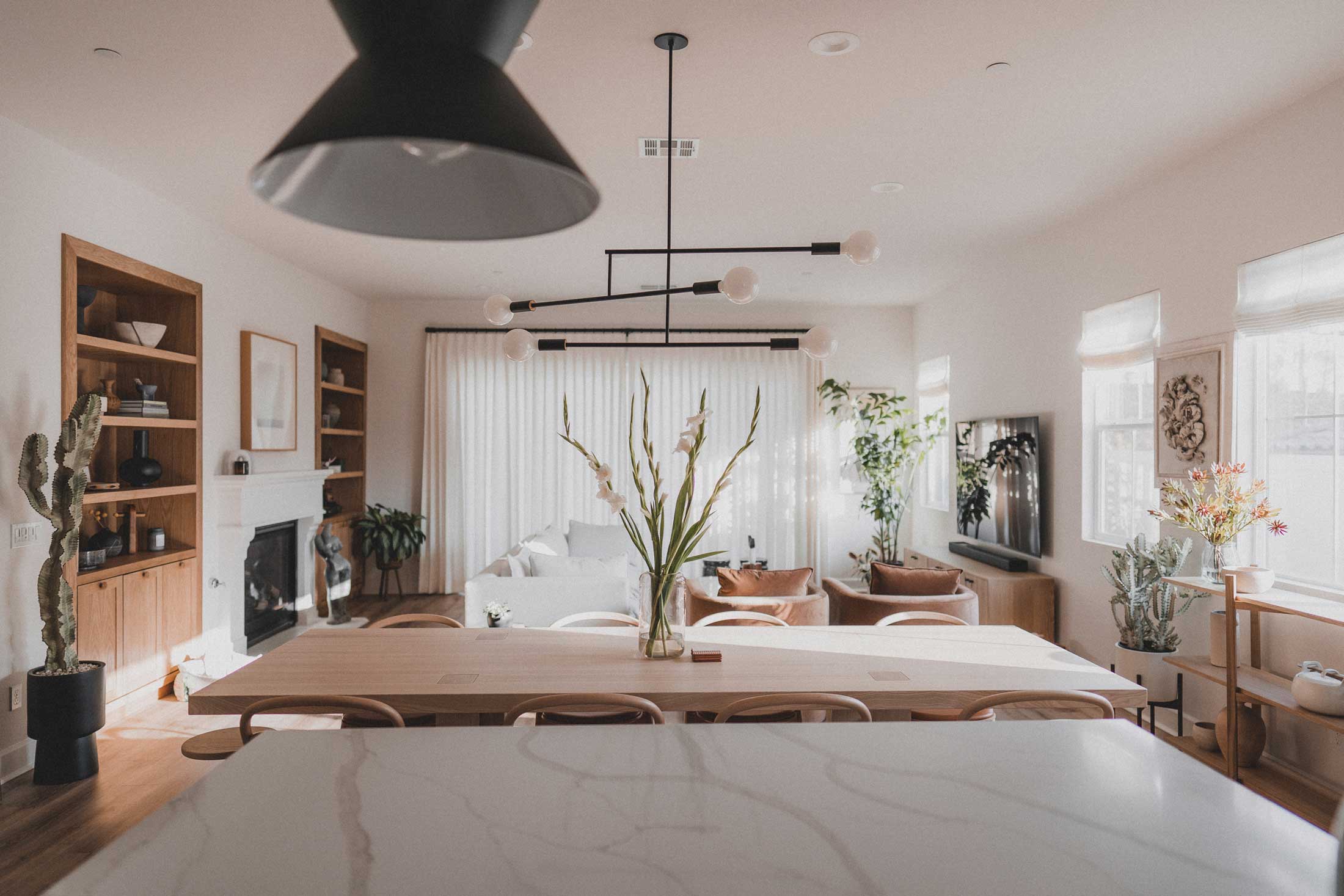
Materials play a central role in contemporary furniture design. Unlike traditional styles that relied heavily on ornamentation, modern interiors highlight texture and authenticity.
Natural wood grain, matte metal finishes, linen upholstery, and stone surfaces add warmth without excessive decoration. The visual interest comes from material depth rather than applied embellishment.
There is also a growing focus on sustainability and durability. Solid wood construction, high-quality upholstery, and long-lasting finishes align with the contemporary preference for intentional purchasing. Furniture is increasingly viewed as a long-term investment rather than a temporary trend.
This material honesty reinforces the broader philosophy of contemporary design: simplicity should never feel sterile. Instead, it should feel grounded and tactile.
Comfort Within Clean Design
Early interpretations of minimal interiors sometimes leaned toward stark or rigid aesthetics. However, contemporary furniture today prioritizes comfort as much as visual clarity.
Curved silhouettes, plush cushions, and balanced proportions soften structured layouts. Rounded coffee tables and sculptural lounge chairs introduce organic movement while maintaining simplicity.
The modern approach avoids excessive ornament but embraces subtle contrast. A streamlined sofa may be paired with textured throw pillows. A minimalist dining area might incorporate upholstered seating for warmth.
Comfort is achieved not through accumulation but through careful selection. Every piece contributes both function and atmosphere.
Flexibility for Modern Living
Contemporary furniture has evolved to meet changing lifestyle demands. Remote work, multifunctional spaces, and smaller urban homes require adaptable solutions.
Modular seating systems allow homeowners to reconfigure layouts for gatherings or relaxation. Nesting tables provide flexibility in compact living rooms. Storage benches serve dual purposes without disrupting clean design lines.
Functionality and aesthetics coexist in contemporary interiors. A well-designed piece balances structural clarity with practical use. The goal is not to fill space but to enhance it.
Adaptability has become especially important as homes increasingly serve multiple roles. Dining tables double as workstations. Living rooms transition from entertainment areas to productivity zones. Contemporary furniture responds by offering streamlined versatility.
The Importance of Proportion and Scale
Proportion is a subtle yet powerful element in contemporary design. Large open spaces demand furniture that anchors without overwhelming. Smaller homes require slim silhouettes to maintain openness.
Designers often focus on consistent visual weight across a room. For example, a low-profile sectional may be complemented by a similarly grounded coffee table to maintain balance. Repetition of height and width proportions creates rhythm and cohesion.
When scale is thoughtfully considered, a space feels calm and organized. Contemporary furniture avoids extremes. Pieces neither dominate nor disappear. Instead, they contribute to a unified composition.
This attention to proportion is what differentiates refined modern interiors from purely trend-driven designs.
The Emotional Shift Toward Warm Minimalism
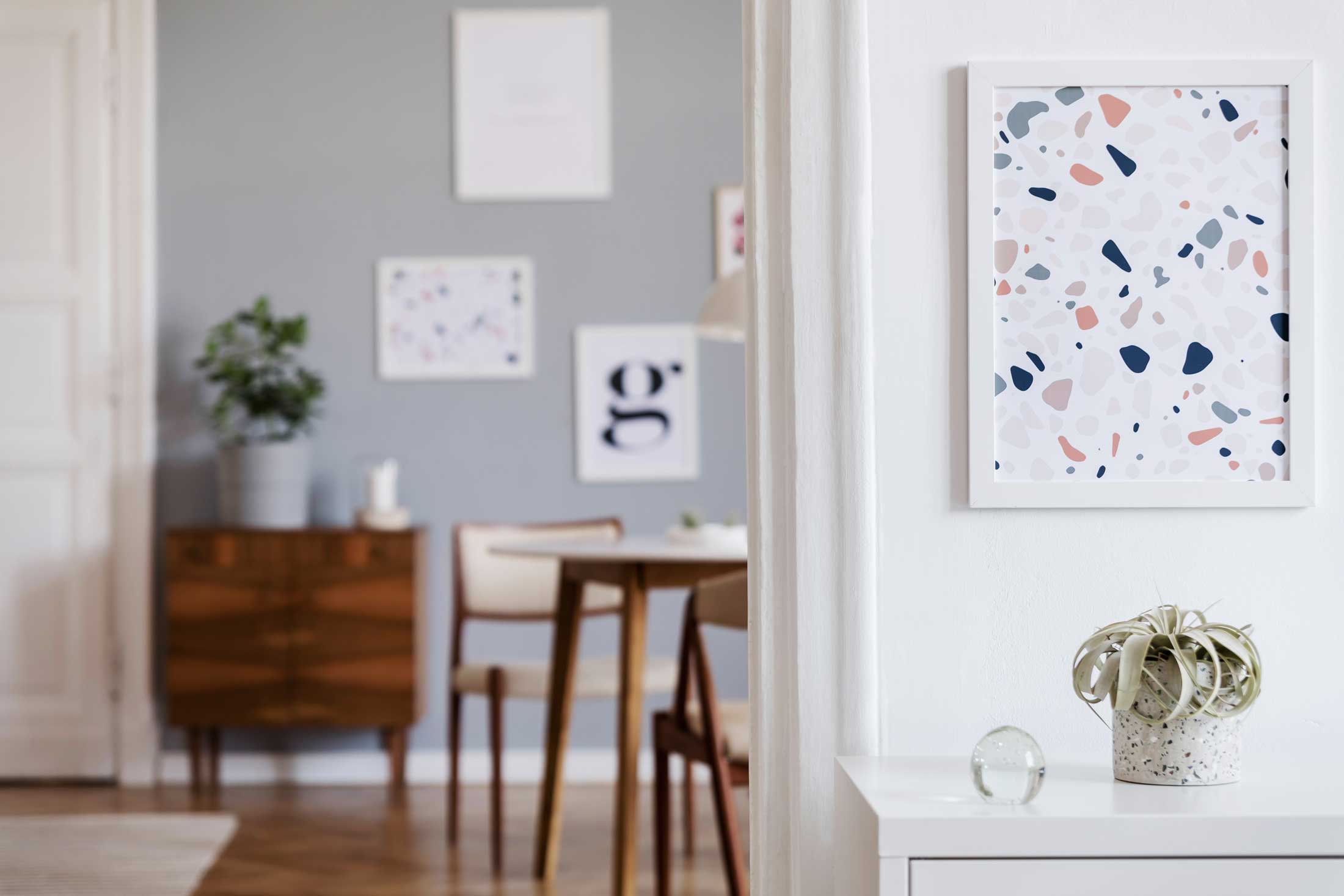
In recent years, contemporary furniture has embraced a warmer interpretation of minimalism. Neutral color palettes now include soft beiges, warm woods, and textured fabrics rather than stark white and gray alone.
This evolution reflects a desire for interiors that feel inviting rather than austere. While the core principles of clarity and function remain intact, there is greater emphasis on emotional comfort.
Organic curves, layered textiles, and subtle contrast help modern spaces feel livable. The result is a style that maintains sophistication without sacrificing warmth.
Contemporary furniture today is less about strict rules and more about intentional balance. Clean forms coexist with tactile materials. Structure blends with softness.
Looking Ahead
As design continues to evolve, contemporary furniture will likely remain rooted in its foundational principles: clarity, proportion, and purpose. However, technological integration, sustainable manufacturing, and changing lifestyles will continue to influence form and function.
Smart furniture solutions, environmentally conscious materials, and adaptable layouts are already shaping the next phase of modern interiors.
What remains consistent is the emphasis on thoughtful design. Contemporary furniture is not about excess or ornament. It is about creating environments that support daily life with elegance and restraint. The roots of this aesthetic are explored in our piece on Mad Men-era interior design and how mid-century sensibilities continue to shape modern rooms.
By understanding its evolution from early modernism to today’s refined interpretations, it becomes clear that contemporary furniture is not simply a trend. It is an ongoing dialogue between architecture, materiality, and human experience.
In modern home design, simplicity is not emptiness. It is intention. And contemporary furniture continues to define how that intention takes shape in the spaces we inhabit every day. For a deeper historical lens, our look at how Bauhaus principles shaped modern design traces this clarity from ideology to the living room.



How to Paint a Room: Step-by-Step Guide for Beginners and Pros
A practical step-by-step guide to painting any room like a pro — from surface prep and tools to applying the final coat without the mess.

How to Pronounce Hygge: A Simple Guide for English Speakers
Learn how to pronounce hygge and embrace cozy living with my simple guide to this Danish lifestyle!

Interior vs Exterior Paint Coverage: What’s the Real Difference?
Interior and exterior paints differ in more than just label — formulation, durability, VOCs, and coverage rates all vary. Here’s what you need to know.


Interior Upgrades That Improve Quality of Life
Discover easy interior upgrades that improve comfort, lighting, air quality, and sleep—no full renovation needed. Perfect for any space.

Wes Anderson interior design symmetry color and storytelling
Discover Wes Anderson’s enchanting interior design: where symmetry, color, and storytelling collide in home décor magic.

Do I Need Primer Before Painting? (And When It Actually Matters)
Primer isn’t always necessary — but sometimes skipping it costs you extra coats and money. Find out exactly when to use primer and when you can go without.








 Blankets and Throws
 Home Accessories
 Furniture
 Rugs
Rugs Cushions
 Kitchen
 Cutlery and Dinnerware
 Drinkware
 Table Mats and Coasters
 Dining Accessories
 Tablecloths and Napkins
 Decorative Items
 Vases and Planters
 Wall Decor
 Bathroom Accessories
 Bathroom Storage
 Bath and Shower Mats
 Towels