FREE WORLDWIDE TRACKED SHIPPING
Coastal Luxe Interior Design: How to Get It Right
 By Alex Carter
Coastal luxe is what coastal style grew up into — here is how to get the breezy, sun-warmed feel without sliding into nautical kitsch.
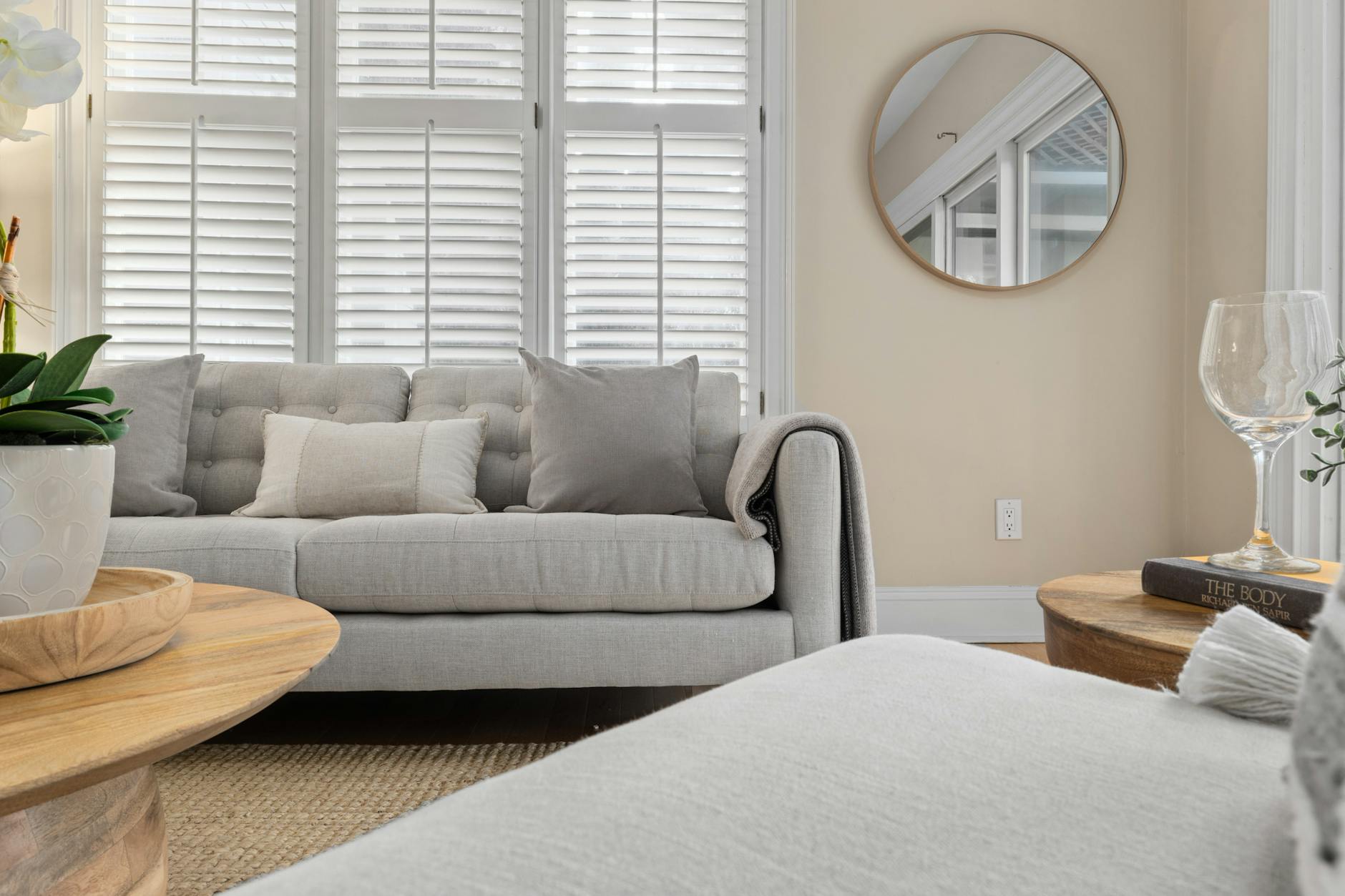
Coastal luxe interior design: grown-up beach house, no anchor pillows in sight.
Coastal luxe interior design is what coastal style grew up into. The seashells and rope-knotted lamps are gone. In their place: linen-upholstered sofas, raw plaster walls, weathered oak floors, and the quiet feeling of a beach house that has been loved for decades. The look is sun-warmed without being kitschy, refined without being fussy, and surprisingly easy to translate to homes nowhere near a coast.
What Coastal Luxe Actually Is
Coastal luxe is the grown-up evolution of beach-house style. Where traditional coastal design leaned on motifs (anchors, ropes, seashells, navy and red), coastal luxe lets the materials and palette do the talking. The colors are still drawn from the shoreline — pale sand, foam, driftwood, sea glass, soft white — but the references are restrained. The look feels less like a themed restaurant and more like a private home in Nantucket, the Hamptons, or a quiet stretch of the Mediterranean coast.
It is also less formal than full coastal traditional. There is no chintz, no nautical wallpaper, no bold accent rugs in white-and-blue stripes. Instead: warm whites, layered linen, weathered wood, and the occasional rich accent in indigo, deep ocean blue, or warm terracotta.
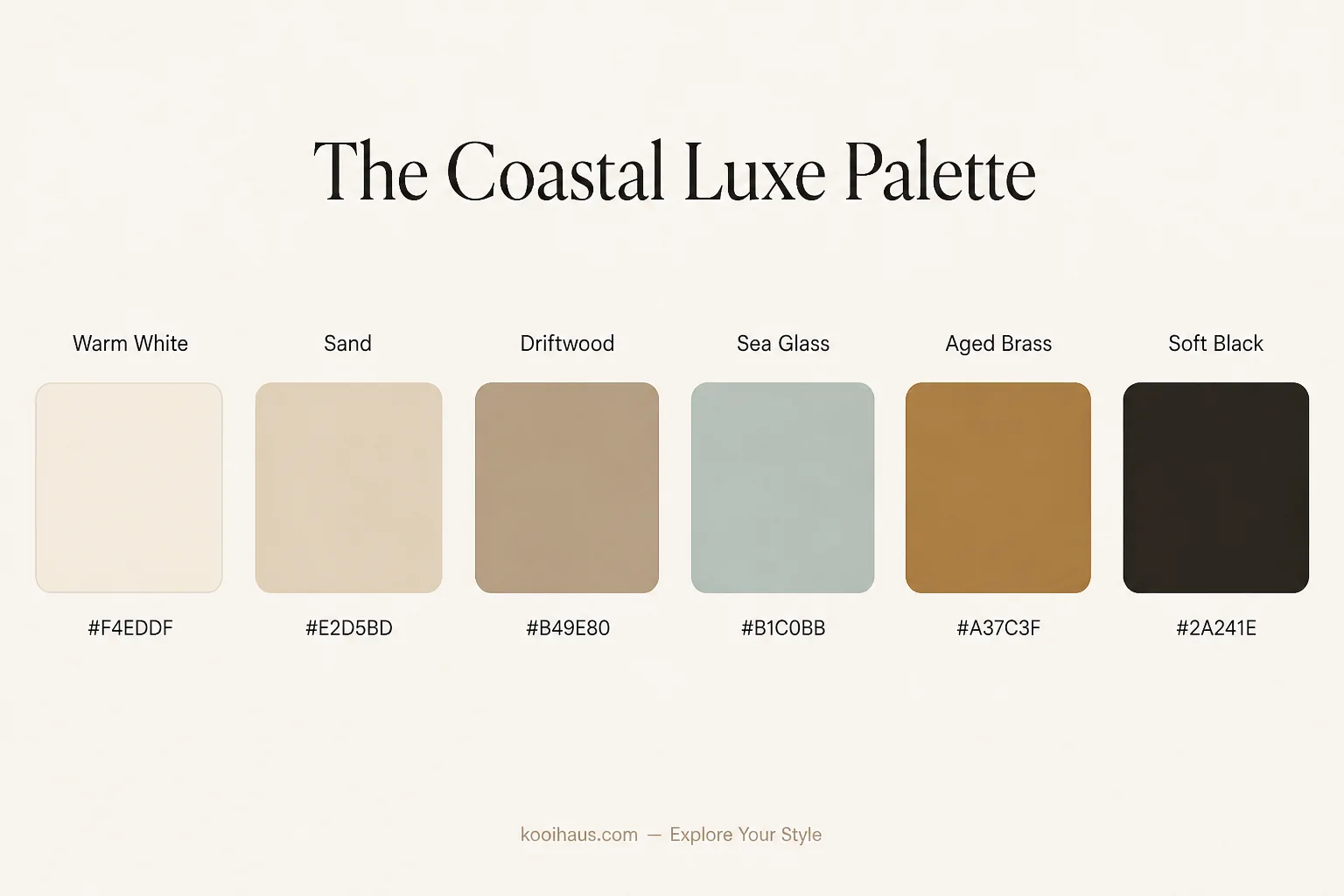
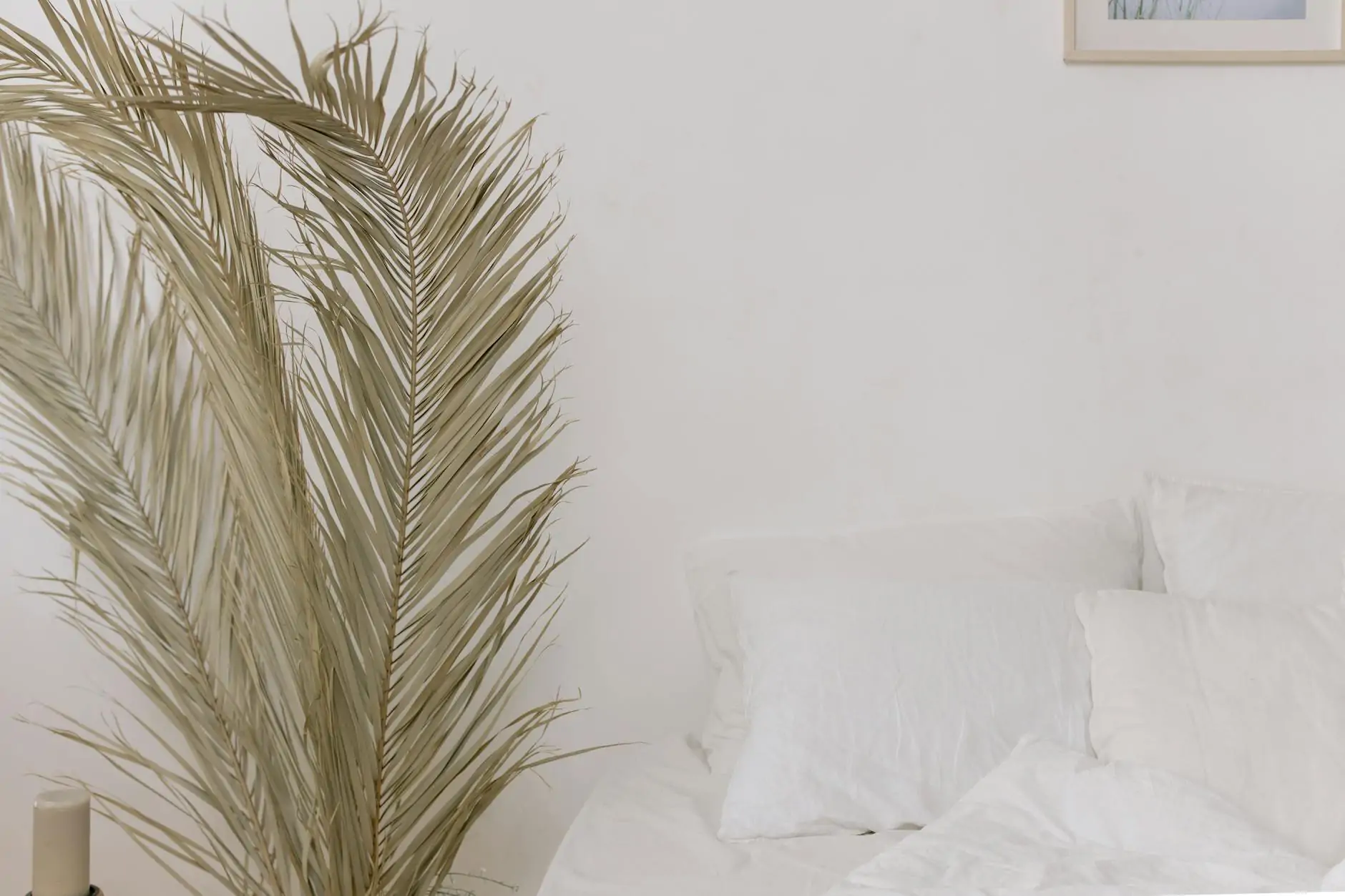
The Coastal Luxe Color Palette
The palette is the foundation of the style and the easiest place to start.
- Warm whites and creams. The walls of a coastal luxe home almost always lean cream, bone, or oat — never bright white. Crisp white feels too cold next to weathered woods and natural fibers.
- Sand and driftwood. Soft beige and pale taupe show up in upholstery, rugs, and natural fiber accents.
- Pale wood tones. Whitewashed or weathered oak floors, ash and beech furniture, sun-bleached cane and rattan.
- Sea-glass blue. A muted, dusty blue-gray — think the color of a sea glass piece worn smooth on a beach. Used sparingly, often in a single piece of art or upholstery.
- Soft black or charcoal. A grounding accent, used in lamps, picture frames, or window mullions.
What is missing from the palette is just as important. Bright primary blues, true reds, and saturated yellows do not belong in a coastal luxe room. Neither does cool gray; the look is built on warmth.
Materials That Define Coastal Luxe
Materials are where coastal luxe really separates itself from generic beachy decor. The look depends on natural, lived-in materials with subtle texture.
Linen. Heavy linen upholstery, washed linen bedding, and unlined linen drapery panels do most of the visual work. The slightly wrinkled look is part of the charm.
Plaster and limewashed walls. The slight texture and tonal variation of plaster reads beautifully against pale wood and linen. Even a single plastered accent wall lifts an otherwise ordinary room.
Weathered or whitewashed wood. Floors, beams, and ceilings in pale wood tones — never glossy, never uniform. The character comes from visible grain and slight variation.
Cane, rattan, and seagrass. Used as accents — a cane-back chair, a seagrass rug, a rattan pendant — these natural fibers add warmth without adding pattern.
Stone. Travertine, limestone, and unpolished marble all work in coastal luxe interiors. They add weight and refinement without breaking the breezy feel.
Brass and aged metals. Unlacquered brass hardware and sconces age into a soft patina that suits the style. Avoid chrome and high-gloss nickel.
Furniture for a Coastal Luxe Home
Coastal luxe furniture is comfortable above all. The pieces should look like you actually live with them — not like they are staged for a real estate listing.
The signature pieces are: a slipcovered linen sofa with deep cushions; a round or oval pedestal coffee table in pale wood; cane-back or rattan accent chairs; a long, slim console in whitewashed oak; and a low-profile bed dressed in layered linen. The silhouettes should be relaxed but never sloppy — clean lines, soft fabrics, generous proportions.
Avoid: heavily carved traditional pieces, glossy modern minimalism, and anything that reads explicitly nautical. A coastal luxe room should feel like the ocean is nearby, not like a maritime museum.
Bringing Coastal Luxe Into Each Room
The living room is the easiest place to start. Anchor with a slipcovered linen sofa in cream or oat, a round travertine or limewashed-oak coffee table, and a pair of cane-back armchairs. Layer in a heavy jute rug, two oversized linen pillows, and a single piece of art that suggests the sea without depicting it — an abstract in soft blues and creams works beautifully. Add one large plant (an olive tree or fiddle leaf fig) and a sculptural floor lamp.
The bedroom is where coastal luxe really shines. A low platform bed dressed in layered linen, two matching pale-wood nightstands, unlined linen curtains, and a single sculptural pendant or sconce on each side is enough. Bedding should be aggressively unmatched — three or four shades of cream, oat, and sand, never a perfectly coordinated set.
Kitchens lean on the materials. White oak or whitewashed cabinets, pale stone counters, brass or aged-bronze hardware, and open shelves with handmade ceramic dishes. A natural fiber pendant over an island ties the whole room together.
Bathrooms benefit from limewashed walls, weathered wood vanities, unlacquered brass fixtures, and white or pale stone tile. A single textural element — a seagrass rug, a hand-thrown ceramic dish — keeps the space from reading like a hotel.
Common Coastal Luxe Mistakes
The first mistake is over-theming. The moment you put a sailboat painting next to an anchor sculpture next to a striped pillow, you have left coastal luxe and entered traditional coastal beach house. The new style avoids literal references almost entirely.
The second is going too cool. Cold white walls plus pale gray floors plus blue accents reads icy, not breezy. Always include warm tones — cream rather than white, oat rather than gray, brass rather than chrome — to keep the room from drifting cold.
The third is overstyling. A coastal luxe room is uncluttered by design. Open surfaces, breathing space, and a few well-chosen objects beat a styled-to-death tablescape every time.
Coastal Luxe vs. Other Styles
Coastal luxe shares DNA with several adjacent styles. Compared with organic modern, coastal luxe leans cooler in palette and uses more natural fibers and slipcovered upholstery; organic modern uses more travertine, bouclé, and curved silhouettes.
Compared with quiet luxury, coastal luxe is more relaxed and less polished. Quiet luxury uses richer materials (cashmere, marble, leather) and a more formal silhouette.
Compared with traditional coastal, coastal luxe drops the literal motifs (rope, anchors, shells) and softens the palette. The two styles can coexist in older homes, but pure coastal luxe leans editorial and minimal.
Frequently Asked Questions
Do I need to live near a coast for this style to work?
Not at all. Coastal luxe works as well in a Chicago condo as it does in a beachfront cottage. The style is about light, palette, and materials — not the view out the window.
Is coastal luxe the same as Hamptons style?
They overlap heavily. Hamptons style is a regional version of coastal luxe with slightly more traditional furniture and a touch more navy. The materials and palette are largely the same.
What is the most important coastal luxe element?
The walls. A warm white or limewashed plaster wall does more for the style than any single piece of furniture. Get the walls right and the rest is easy.
Can coastal luxe be done on a budget?
Yes — slipcovered sofas, IKEA’s pale wood collections, and natural fiber rugs from any retailer can deliver the look at moderate prices. The single splurge worth making is on bedding; quality washed linen is the difference between coastal luxe and just “white sheets.”
What plants suit a coastal luxe interior?
Olive trees, fiddle leaf figs, palms, and large statement ferns all work. Cactus and succulents feel out of place; the style wants soft, leafy, slightly windswept greenery.
Coastal luxe interior design is the version of beach style that does not show its hand. Get the warm whites right, the natural materials right, and the lived-in proportions right — then resist every urge to add a coastal motif. The result is a home that feels sun-warmed, calm, and quietly elevated, no matter where it actually sits on a map.
Take the Quiz
Not sure if coastal luxe is really your thing? Take our Interior Style Quiz and find out which interior style fits your home, your light, and the way you actually live.











 Blankets and Throws
 Home Accessories
 Furniture
 Rugs
Rugs Cushions
 Kitchen
 Cutlery and Dinnerware
 Drinkware
 Table Mats and Coasters
 Dining Accessories
 Tablecloths and Napkins
 Decorative Items
 Vases and Planters
 Wall Decor
 Bathroom Accessories
 Bathroom Storage
 Bath and Shower Mats
 Towels