FREE WORLDWIDE TRACKED SHIPPING
Mediterranean Interior Design Ideas & Inspiration
 By Alex Carter
Mediterranean interior design is sun, plaster, and unfussy comfort — here is how to bring the warmth of the south into a modern home.
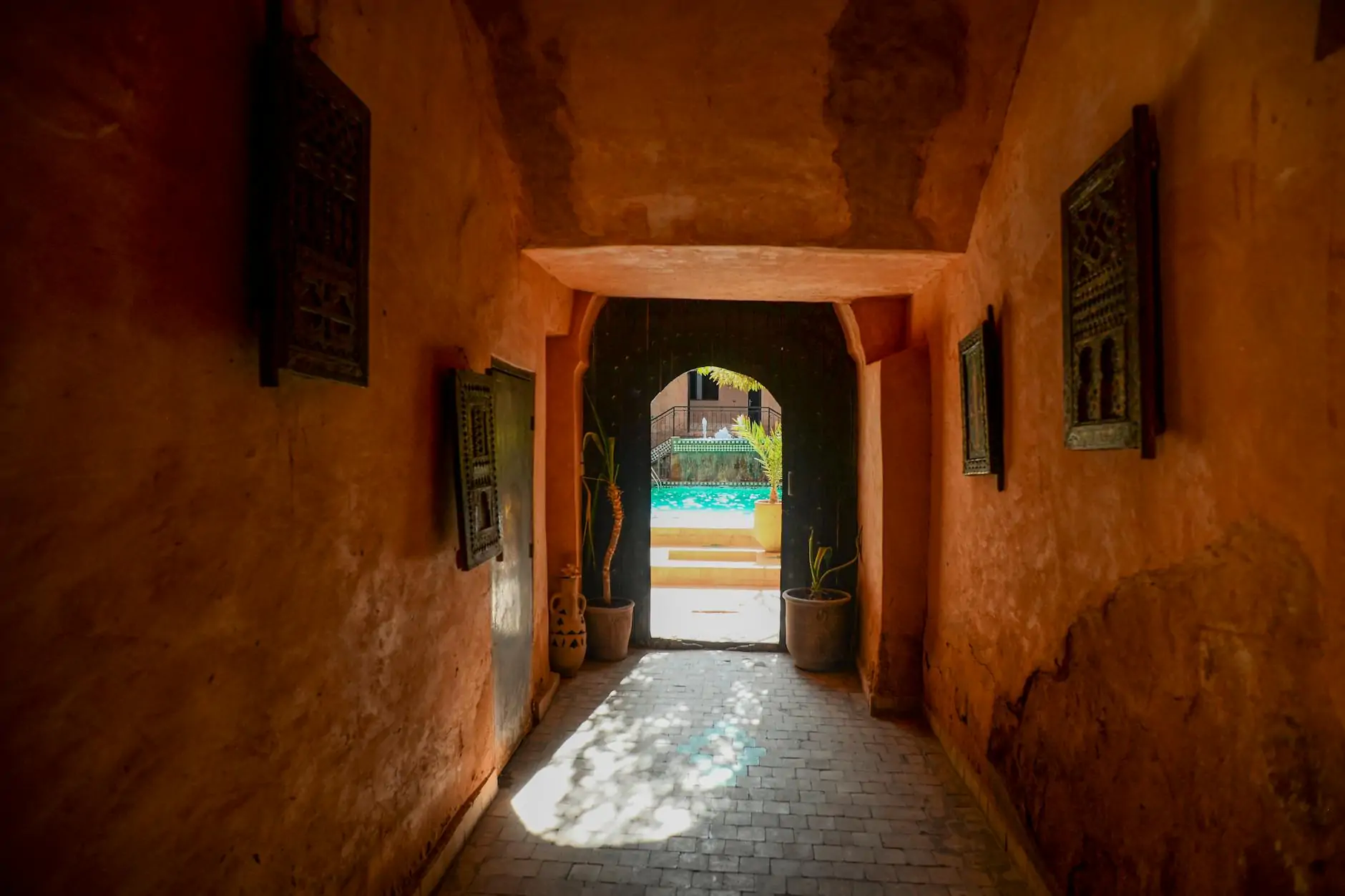
Mediterranean interior design: warm plaster, terracotta, and unfussy linen.
Mediterranean interior design is the look of late afternoon sun on a plastered wall, a long lunch under a vine-shaded terrace, and a kitchen where the floor has been worn smooth by decades of use. Where some interior styles are about following rules, Mediterranean is about following warmth — of light, of materials, of life lived without too much formality. The result is one of the most welcoming, unfussy, and quietly enduring interior styles you can build.
What Defines Mediterranean Interior Design
Mediterranean interior design draws from the homes of Spain, Italy, southern France, Greece, and parts of North Africa. While each region has its own dialect — Tuscan stone farmhouses look different from whitewashed Greek island villas, which look different from Moroccan riads — the common language is unmistakable. Warm plaster walls, terracotta floors, exposed wood beams, and a palette pulled from the surrounding landscape. The look is rustic without being kitschy, casual without being careless.
The style has been quietly trending for years, partly because it solves a problem modern minimalism cannot. A Mediterranean room feels good without performing wellness. The materials carry their own warmth; the rooms work even when they are messy.
The Mediterranean Color Palette
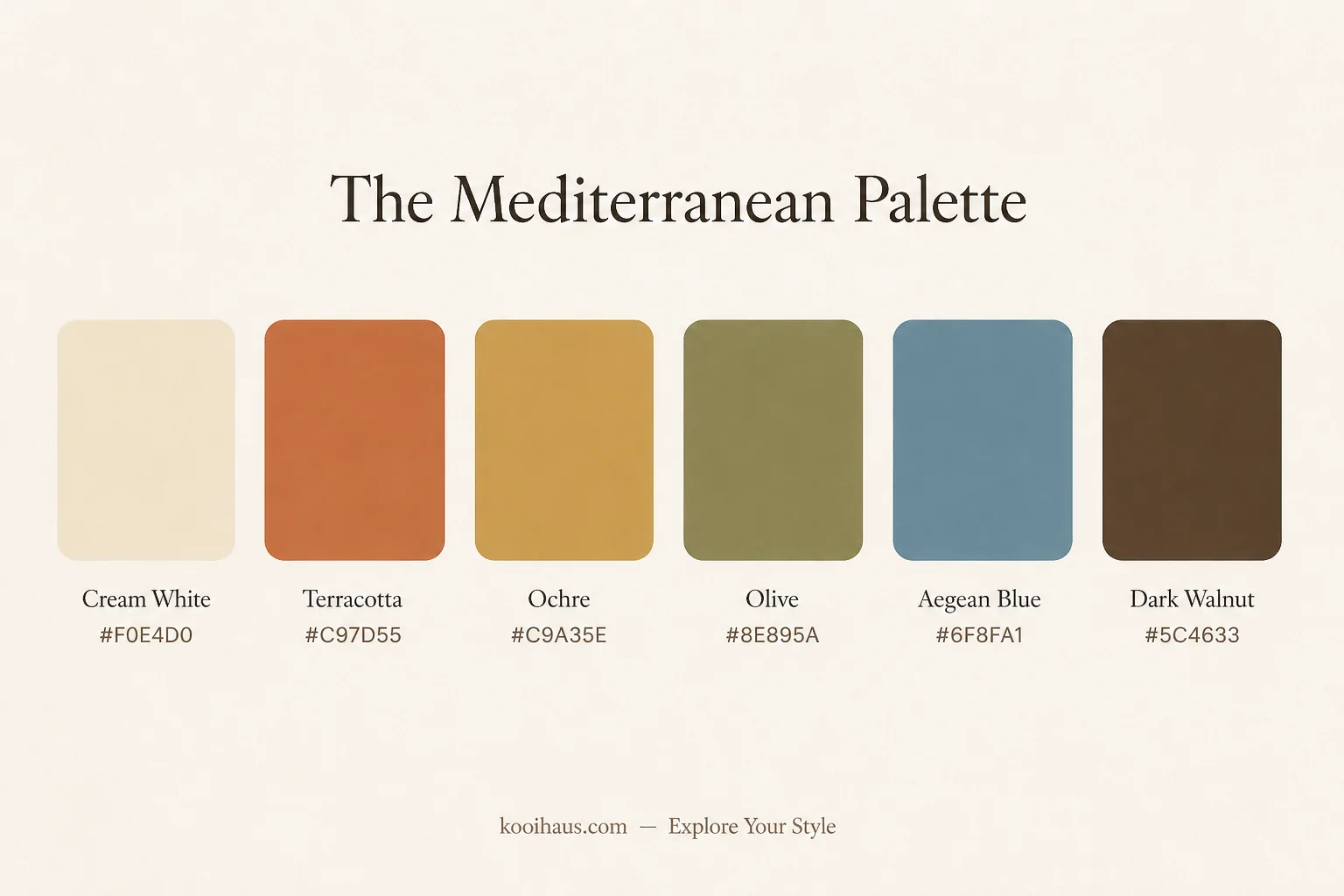
The palette comes straight from the landscape. Cream-white plaster walls, terracotta and ochre floors, the deep green of olive leaves, the soft blue of the sea, the warm brown of wood beams, and the occasional accent of saffron, deep red, or indigo.
Whites lean cream rather than crisp. Reds lean rust rather than fire engine. Blues lean dusty rather than navy. Even when colors are bold, they are pulled from sun-faded versions of themselves. The whole room should look like it has spent a few summers in the open air.
Three combinations work especially well:
- Warm white plaster walls + terracotta tile floors + dark wood beams + olive green accents.
- Soft cream walls + warm beige tile + aged brass hardware + rust and saffron textiles.
- Whitewashed plaster + sea-glass blue accents + pale wood + black wrought iron.
Materials That Define Mediterranean Style
Materials carry the entire style. Get these right and the rest of the styling almost takes care of itself.
Plaster and stucco walls. Whether limewashed, smooth plaster, or rougher stucco, the textured wall is foundational. Flat painted drywall fights the look from the start.
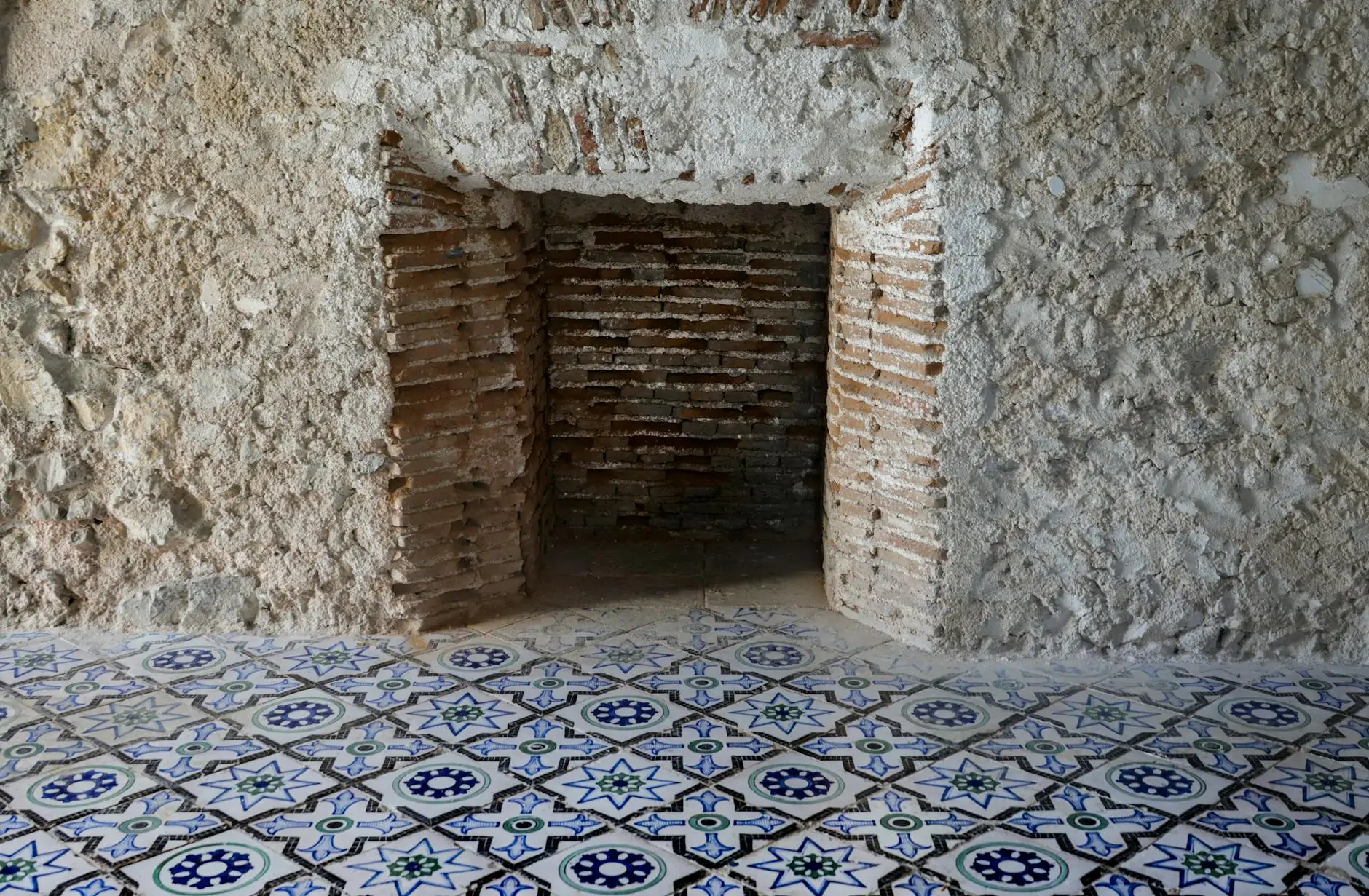
Terracotta tile floors. Saltillo tiles, handmade Mediterranean terracotta, and reclaimed antique versions all work. The slight color variation from tile to tile is part of the charm.
Exposed wood beams. Real or, in newer construction, well-detailed faux beams in dark walnut or aged oak add architectural weight to ceilings.
Wrought iron. Black or aged-iron hardware, chandeliers, sconces, and stair railings appear throughout traditional Mediterranean homes. Used sparingly, the look stays elegant.
Linen, cotton, and natural fibers. Heavy linen drapery, rough cotton upholstery, jute and seagrass rugs.
Olive wood. Cutting boards, bowls, utensils, and small accent pieces in olive wood appear in every Mediterranean kitchen.
Hand-painted tile. Zellige, Spanish hand-painted tiles, and Italian majolica show up in kitchens, bathrooms, and entryways.
Furniture for a Mediterranean Home
Mediterranean furniture is solid, comfortable, and built to last. The classic pieces are: a long farmhouse-style dining table in dark wood with chunky legs; rush-seat or wood-back chairs; a heavy linen-upholstered sofa with deep cushions; carved wooden cabinets and credenzas; and bedroom furniture with simple, slightly chunky proportions.
The look is generous rather than precious. A Mediterranean dining table should look like it could seat ten for a long Sunday lunch and still have room for the bread basket and the carafe of olive oil. Skip slim modern silhouettes and tufted formal upholstery — both fight the unfussy spirit of the style.
Bringing Mediterranean Style Into Each Room
The kitchen is the heart of a Mediterranean home and the easiest place to start. White or warm-cream plaster walls, terracotta tile floors, open shelves with handmade ceramic dishes, hand-painted tile backsplash, a long wood island, and aged brass or wrought iron hardware. A pair of pendant lights in textured ceramic or hand-blown glass over the island ties everything together.
The dining room is built around the table. A long, heavy, dark-wood farmhouse table with a set of mismatched-but-tonally-related chairs anchors the room. Add a wrought iron or oversized wood pendant overhead, a few hand-thrown ceramic vessels on the table, and unlined linen drapery on the windows. Skip a formal centerpiece; a simple ceramic bowl with a few lemons or sprigs of rosemary is more authentic than anything from a florist.
The living room benefits from a heavy linen sofa, a low wood coffee table, a pair of carved wood or wrought iron lanterns, and a worn leather or jute rug. Add one large terracotta or ceramic vessel and a sculptural plant — an olive tree or a fig — for living drama.
The bedroom should feel like a quiet stone room in a private home. Plaster or limewashed walls, layered linen bedding in cream and oat, an iron or simple wood bed frame, unlined linen curtains, and a single carved wood or rattan accent chair in the corner. Skip the matching nightstand set; mismatched pieces in similar wood tones look more authentic.
Bathrooms reward a single design move. Hand-painted tile on the floor, a plaster vanity wall, a pedestal sink, brass fixtures, and a small wood stool. Avoid all-white modern bathrooms in a Mediterranean home — the materials should age, not gleam.
Mediterranean Lighting
Lighting is where Mediterranean rooms feel most cinematic. Layered, warm, and slightly dim by modern standards. Three principles cover most situations:
- Use multiple soft sources. Pendants, lanterns, sconces, and table lamps all on dimmers. Skip cool overhead lighting.
- Lean on character fixtures. Wrought iron lanterns, hand-blown glass pendants, and ceramic table lamps add personality even when off.
- Keep bulbs warm. 2700K or warmer. Anything cooler will make plaster walls look gray and terracotta look orange.
Common Mediterranean Mistakes
The first mistake is treating the style as a set of stylized props. A wrought iron candelabra and a few ceramic pots on a granite countertop is not Mediterranean — it is generic kitchen with one accessory. The materials of the room (walls, floors, ceilings) have to commit to the style, or the styling never lands.
The second is going too rustic. There is a real difference between a thoughtful Mediterranean home and a Tuscan-themed restaurant. Restraint helps. Three or four well-chosen materials (plaster, terracotta, dark wood, brass) beat a kitchen that uses every Mediterranean cliché at once.
The third is using the wrong terracotta. Painted-orange ceramic tile is not the same as natural terracotta. Real handmade terracotta varies in color across the floor; painted versions look uniform and read fake almost immediately.
Mediterranean vs. Other Warm Styles
Mediterranean shares territory with several adjacent styles. Compared with coastal luxe, Mediterranean is warmer, more colorful, and more architecturally rich; coastal luxe is breezier and more pared back.
Compared with organic modern, Mediterranean leans more rustic and uses more pattern (especially in tile); organic modern leans cleaner and more sculptural.
Compared with farmhouse, Mediterranean is more refined, less themed, and has a much warmer palette. Farmhouse leans cool and Americana; Mediterranean leans sun-warmed and European.
Frequently Asked Questions
Can Mediterranean style work in a modern home?
Yes — with editing. Modern homes with limewashed walls, warm terracotta tile, dark wood beams, and unlined linen drapery can read fully Mediterranean even with cleaner architecture. The key is committing to the materials.
What flooring works best for Mediterranean style?
Terracotta and warm stone are most authentic. Wide-plank dark wood and limestone also work beautifully. Avoid cool gray tile and red-oak hardwood; both fight the warm palette.
Is Mediterranean design good for small spaces?
It can be. A small Mediterranean apartment with limewashed walls, terracotta tile, a single carved wood console, and warm lighting feels rich rather than cramped. Skip oversized rustic furniture in tight spaces.
What colors are most authentic for Mediterranean rooms?
Cream and warm white walls; terracotta, ochre, or stone floors; deep green, sea blue, rust, and saffron accents. The palette should always look slightly sun-faded.
How do I get the Mediterranean look without renovating?
Limewash a single accent wall, swap modern hardware for aged brass, add a heavy linen sofa cover, and replace synthetic curtains with unlined linen. Together these moves can shift a generic room toward Mediterranean without touching the floors or walls structurally.
Mediterranean interior design is one of the few styles that gets better the longer you live in it. The plaster softens, the terracotta wears smooth, the wood deepens. Commit to the materials, keep the palette sun-faded, and let the rooms be a little less precious than the rest of your home. The result is the kind of warm, lived-in space the Mediterranean has been quietly perfecting for thousands of years.
Take the Quiz
Not sure if Mediterranean is really your thing? Take our Interior Style Quiz and find out which interior style fits your home, your habits, and the way you actually live.











 Blankets and Throws
 Home Accessories
 Furniture
 Rugs
Rugs Cushions
 Kitchen
 Cutlery and Dinnerware
 Drinkware
 Table Mats and Coasters
 Dining Accessories
 Tablecloths and Napkins
 Decorative Items
 Vases and Planters
 Wall Decor
 Bathroom Accessories
 Bathroom Storage
 Bath and Shower Mats
 Towels