FREE WORLDWIDE TRACKED SHIPPING
How to Build a Gallery Wall That Actually Works
 By Laura Jones
A great gallery wall looks effortless and takes a plan. Here are the layouts, frame mixes and planning tricks that make one work.
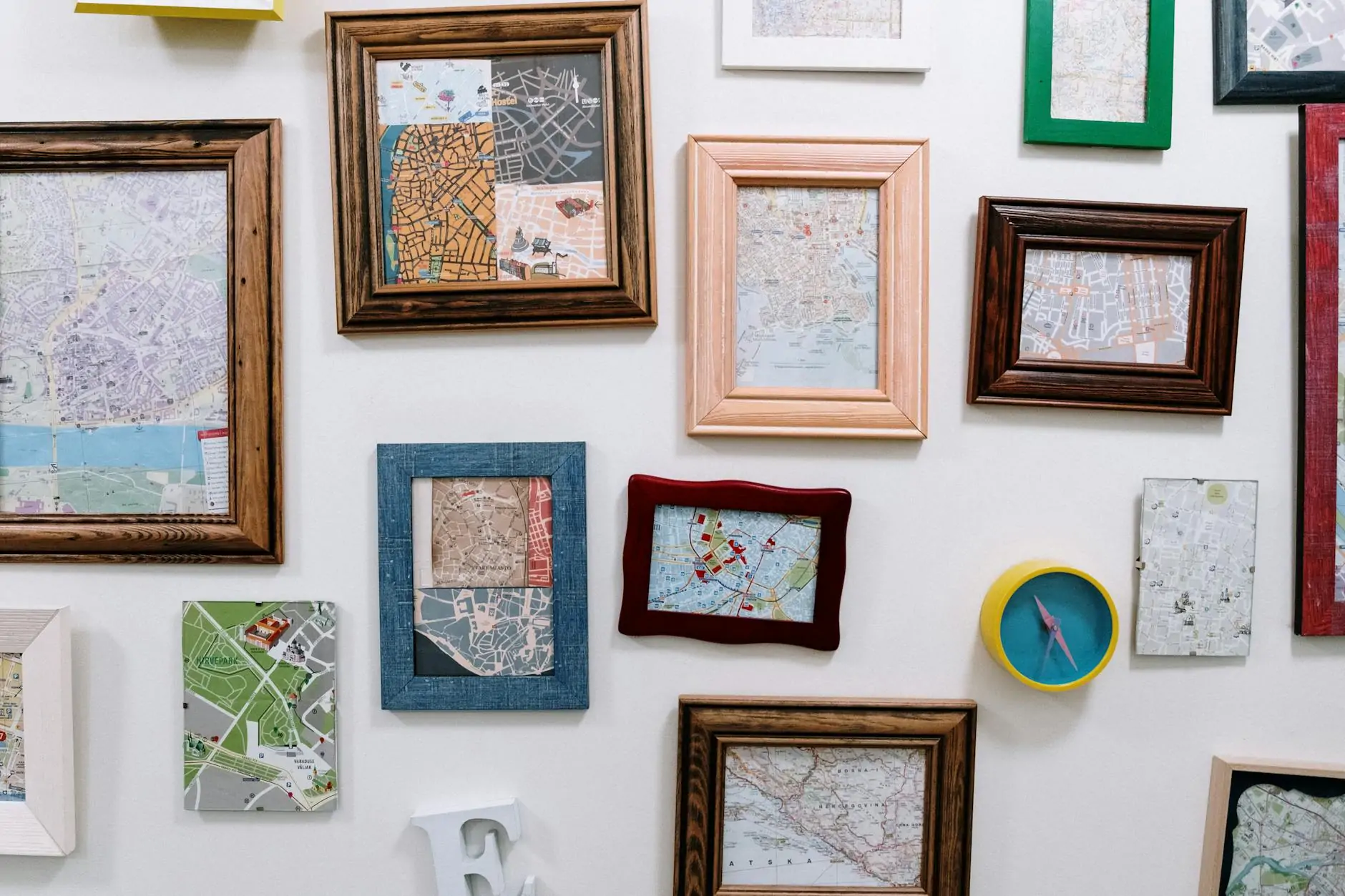
A great gallery wall reads as one composition, not a collection of accidents.
A great gallery wall looks effortless and takes a plan. The ones that work read as a single coherent composition, not a random collection of frames. The ones that do not work usually have one thing in common: they were hung directly on the wall without a layout test, and the wall has the nail holes to prove it. With a few rules and one easy planning trick, you can build a gallery wall that looks intentional from the day you hang it — and grows with you over years.
If you are still deciding which pieces belong together, first compare the art with the furniture, colors, and scale of the room using this guide to choosing wall art that works with your interior.
What Makes a Gallery Wall Actually Work
A successful gallery wall has three properties: visual coherence (the pieces feel like they belong together), clear composition (the arrangement reads as one shape, not as scattered art), and consistent spacing (the gaps between frames are even and deliberate). When all three click, the wall reads as a single piece of design rather than as a collection of accidents.
The good news: each of these properties is something you can plan deliberately, and none requires expensive art. The most beautiful gallery walls in design publications often consist of $10 thrifted prints, family photos, sketches, and the occasional postcard. The composition does the heavy lifting, while the objects themselves can give your home a more personal touch.

Choosing a Layout
The layout is the single most important choice. Five layouts cover most successful gallery walls:
Grid. Same-sized frames in a perfect grid (3×3, 4×4, 2×5). The cleanest, most modern option. Works best with photos or prints in matching frames.
Salon hang. Densely packed mixed-size frames around a strong central anchor piece. The most flexible layout, and the easiest to grow over time. Works for collected art, family photos, and mixed media.
Linear. A horizontal row of frames at consistent eye level. Excellent above sofas, console tables, or in long hallways. Works with same-sized frames or with mixed sizes that share a baseline.
Symmetrical pairs. Two matching frames flanking a single piece, or four frames arranged around a center anchor. Reads classical and balanced.
Stacked column. A vertical line of frames in narrow spaces (between windows, beside doors, above stair landings). Great for awkward wall slots that other layouts cannot handle.
Pick one and commit. Mixing layouts within a single wall almost always reads chaotic.
Mixing Frames
The frames matter as much as the art. Three approaches consistently work:
All matching frames. The simplest and most contemporary look. All white, all black, all natural wood. Lets the art lead.
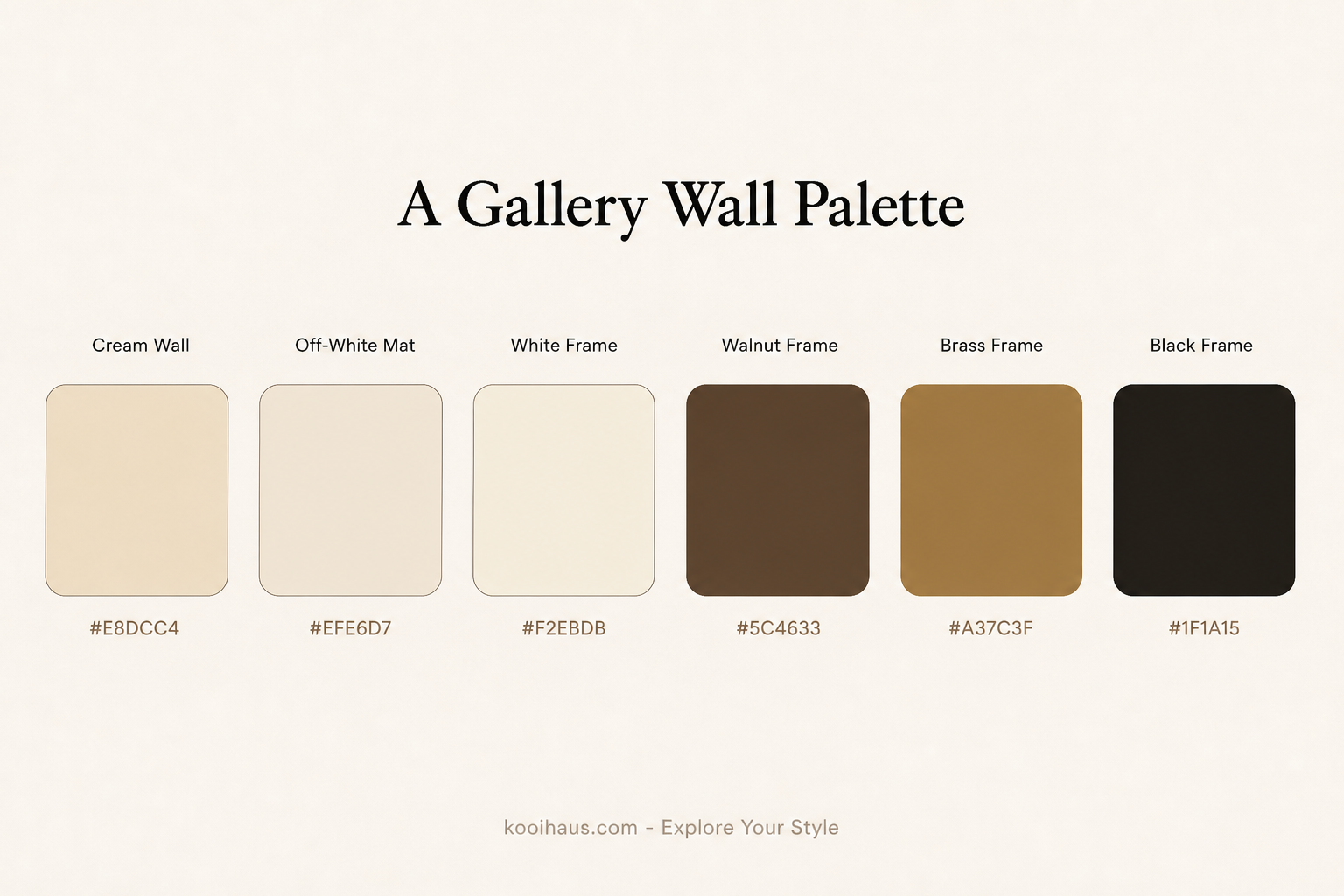
Frames in two finishes. Mixing two finishes (black + brass, white + wood) adds variation without losing coherence. Repeat each finish at least twice for balance.
Free mix with a unifying element. Different frame styles, sizes, and finishes — but with one consistent element. A common mat color, a similar print style, or coordinated colors across the art.
What rarely works is using every frame in your house, in every finish, in every style. The eye reads it as a thrift sale even when individual pieces are beautiful.
Composition and Spacing
The single biggest difference between professional and amateur gallery walls is spacing. Professional walls have consistent, deliberate gaps between frames — typically 2 to 3 inches (about 5–7 cm). Amateur walls have wildly varying gaps that the eye reads as random.
For salon-hang walls, the trick is to imagine the entire group as one large rectangle. The outer edges of the frames should form a clean shape, even when individual frames are different sizes. Smaller frames can be placed inside the boundary; nothing should jut wildly out.
For grids and linear layouts, a tape measure is your best friend. Mark spacing on the wall with painter’s tape before nailing.
The Paper Template Trick
Here is the planning trick that saves you from a hundred nail holes: trace each frame onto kraft paper or newsprint, cut out the shapes, and tape them to the wall in your planned layout. Stand back, adjust, photograph it, and adjust again. Once you are happy, mark each paper template’s nail position with an X, hammer the nail through the X, and tear the paper away.
This single technique transforms gallery wall hanging from stressful guesswork into precise execution. It costs about $5 in materials and saves hours of patching later.
How High to Hang
The standard rule is that the center of a gallery wall (the visual middle of the entire composition) should sit at 57 to 60 inches (about 145–152 cm) from the floor — roughly eye level for an average adult.
Above furniture, hang lower than you instinctively want to. The bottom of the lowest frames should sit 6 to 10 inches (15–25 cm) above a sofa back, console, or bed headboard. Higher gaps create disconnection between the wall and the furniture; the gallery wall should feel like an extension of the piece beneath it.
Where to Source Affordable Art
Beautiful gallery walls do not require a museum budget. Six reliable sources:
- Etsy printable art. Many artists sell digital files for $5–$20 that you can print at home or at a local print shop. The quality is excellent.
- Thrift stores and estate sales. Old oil paintings, lithographs, and framed photographs at remarkable prices. Even mediocre art can become beautiful when reframed.
- Family photography. Black and white prints of family moments are timeless and personal in a way no purchased art can be.
- Vintage maps, magazine covers, and book pages. Frame an old National Geographic cover, a 1960s ski poster, a botanical illustration. Distinct and affordable.
- Original art from emerging artists. Saatchi Art, Singulart, Etsy, and student art shows offer original work at accessible prices.
- Print-on-demand services. Society6, Minted, and JuniqeShop print high-quality contemporary art on demand.
Bringing Gallery Walls Into Each Room
The living room is the most common — and the most rewarding — place for a gallery wall. Above a sofa, a console, or a fireplace mantel, a well-built gallery wall instantly elevates the room. Mix one large anchor piece with five to twelve smaller pieces in a salon hang.
The bedroom benefits from a calmer, more linear gallery wall above the bed. Three to seven frames in matching styles, hung in a single row or symmetrical group, keep the room restful. Skip the dense salon hang here; the bedroom calls for quieter visuals.
Hallways and stair walls are gold mines for gallery walls. Linear or stacked layouts following the slope of the stairs, with frames hung consistently 2 to 3 inches apart, turn dead space into a feature.
Dining rooms can support a single large statement piece or a curated grid of smaller works. A salon-hang dining gallery wall works in casual rooms; cleaner grids fit more formal spaces.
Common Gallery Wall Mistakes
The first mistake is hanging without a plan. The paper-template trick exists because freehanding a gallery wall almost always produces uneven spacing and slightly off-balance compositions. Plan first, hang second.
The second mistake is hanging too high. Most amateur gallery walls hang four to six inches higher than they should. Get a friend to stand back and tell you when the composition feels grounded — usually lower than you initially want.
The third mistake is over-curating. A gallery wall does not need every frame to share a perfect color story. Some of the best walls combine an unexpected piece — a child’s drawing, a postcard, a thrifted oil — that adds personality without breaking the composition. The art needs to look gathered, not curated by an algorithm.
Gallery Wall vs. Single Statement Art
One question worth asking before you commit: would a single large statement piece serve the room better? A gallery wall is busy; a large painting or photograph is quiet. In rooms that already have a lot going on (patterned rug, layered textiles, gallery-style bookshelves), a single large work can be the right move. In rooms that need more energy, the gallery wall delivers.
The two approaches can also be combined: a large anchor piece on one wall, paired with a smaller curated gallery elsewhere in the room.
Frequently Asked Questions
How many frames make a good gallery wall?
Five to fifteen for most living rooms. Below five, the wall reads incomplete; above fifteen, it can feel overwhelming unless the wall is large.
Should all gallery wall frames match?
Not necessarily. Matching frames look the most modern; mixed frames feel more collected and lived-in. Either approach can work — what matters is intention.
How much should I spend per frame?
Frames matter more than people think. A $5 thrifted oil painting in a $100 frame often looks more beautiful than a $200 print in a $20 frame. Invest in framing where you can.
Can I add to a gallery wall over time?
Yes. Salon-hang and asymmetrical layouts grow gracefully. Plan for growth by leaving space at the edges or by accepting that some pieces will move as new ones join.
What if I rent and cannot use nails?
Removable hooks (like 3M Command strips) are excellent for lighter frames under 5 pounds (about 2.3 kg). For heavier frames, ask your landlord or use specialized wall-friendly anchors that fill cleanly when removed.
Gallery wall ideas come down to three things: choose a layout, plan with paper, hang with care. Get those right and the wall will look intentional from day one. Add to it slowly, mix the unexpected with the curated, and let the wall become a record of what you actually love. Done that way, a gallery wall is one of the most personal — and most rewarding — design projects in any home.
Take the Quiz
Not sure if a layered, gallery-wall approach is really your thing? Take our Interior Style Quiz and find out which interior style fits your home, your collection, and the way you actually live.
If framed art is not the right answer, the IKEA KONSTRUNDA collection offers useful lessons in textiles, mirrors, and sculptural objects.











 Blankets and Throws
 Home Accessories
 Furniture
 Rugs
Rugs Cushions
 Kitchen
 Cutlery and Dinnerware
 Drinkware
 Table Mats and Coasters
 Dining Accessories
 Tablecloths and Napkins
 Decorative Items
 Vases and Planters
 Wall Decor
 Bathroom Accessories
 Bathroom Storage
 Bath and Shower Mats
 Towels