FREE WORLDWIDE TRACKED SHIPPING
How to Style Handmade Ceramics in Your Home
 By Laura Jones
Handmade ceramics turn a styled room into a lived-in one — here is how to choose, group and display them with confidence.
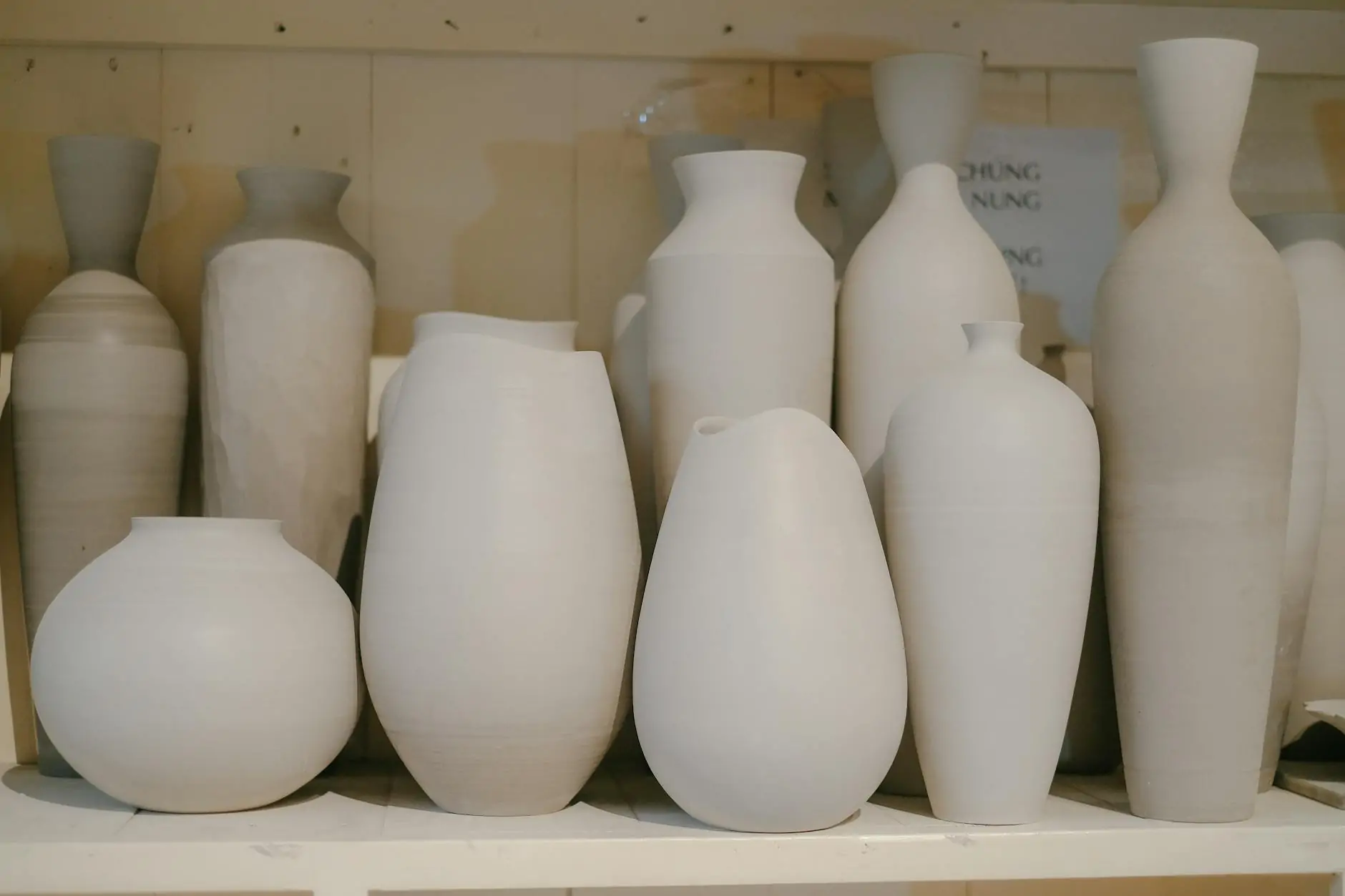
Handmade ceramics: the easiest way to give a room a sense of soul.
Handmade ceramics home decor is the difference between a styled room and a room with a soul. A single hand-thrown bowl or vase carries something a mass-produced piece never quite does — the small asymmetries, the slight thumbprint at the base, the glaze that pooled a little deeper on one side. These imperfections are the entire point. They turn an object into a story.
Why Handmade Ceramics Belong in Every Home
Most decorating mistakes come from buying too many decorative objects, too small, in too many materials. Handmade ceramics solve that problem on contact. One large hand-thrown vessel — a wide stoneware bowl, a tall vase with a slightly off-center neck — does more visual work than a shelf full of factory-made knickknacks. The eye reads it as intentional, and the rest of the room can relax around it.
There is also the matter of warmth. Mass-produced décor reads cool because every piece is identical. Handmade ceramics, even when they share a glaze, all read slightly different — and that variation is what makes a room feel like it has been lived in by a real person rather than dressed by a stylist.
What to Look for When Buying Handmade Ceramics
Not every “handmade” piece is actually hand-thrown, and not every imperfect-looking object was made by a person. A few cues separate the real thing from the lookalikes.
- Visible throw rings. Slight horizontal grooves on the inside or outside of the piece are a sign it was thrown on a wheel.
- Asymmetry. A real handmade bowl is rarely perfectly round. Look for slight ovality.
- Glaze variation. Hand-glazed pieces show pooling, brush marks, or natural drips, not perfectly even coverage.
- Marked base. Most artisan potters sign or stamp the underside of their work.
- Honest pricing. A genuinely hand-thrown vase under $20 is usually a factory imitation. Real artisan work starts higher.
How to Group Ceramics
This is where most people stumble. The instinct is to line up six small ceramics on a shelf, evenly spaced, like a museum gift shop. The result almost always looks busy. Better grouping rules:
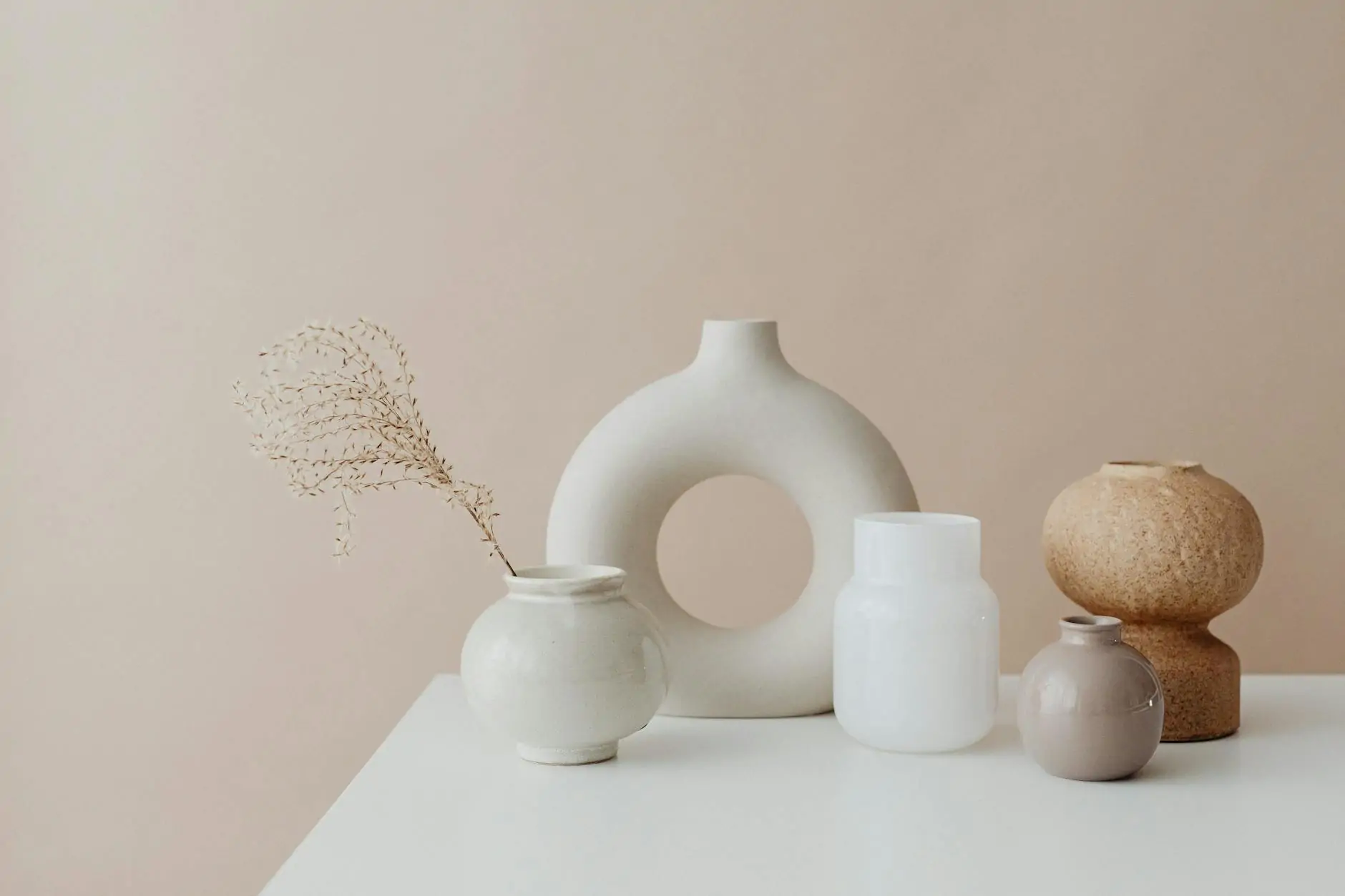
The rule of three. Group ceramics in odd numbers — three is almost always the strongest count. Use varying heights: one tall, one medium, one short. The eye rests on the cluster instead of bouncing across a row.
Vary the silhouettes. A round bowl, a cylindrical vase, and a footed dish read more interestingly together than three vases of similar shape. Echo the colors but break the form.
Leave breathing room. Negative space is part of the composition. Two pieces with six inches between them often look better than two pieces touching.
Where Ceramics Belong in Each Room
Living rooms tolerate the largest pieces. A sculptural floor vase in a corner, a wide low bowl on a coffee table, or a single tall vessel on a console can anchor the room. Skip the cluster of small pieces here — the room is already busy with seating and textiles.
Dining rooms and kitchens are the natural home of useful ceramics. A handmade salt cellar, an olive oil bottle, an unmatched set of bowls and plates that share a glaze family — these belong on counters and tables where they get used, not behind glass. The marks they pick up over time are part of their charm.
Bedrooms benefit from one or two soft, quiet ceramic moments. A small ceramic dish on a nightstand for jewelry, a single bud vase with a sprig of dried foliage, a textured carafe and tumbler set for water by the bed.
Bathrooms are a quietly excellent place for handmade ceramics. A stoneware soap dish, a small dish for rings, and a hand-thrown vessel holding cotton swabs or makeup brushes turn a generic bathroom into something far more personal.
Mixing Ceramics with Other Materials
Handmade ceramics live well next to wood, linen, stone, and glass. They fight with chrome, glossy plastics, and high-gloss laminates. The general rule is that ceramics belong on surfaces that already feel honest — solid wood tables, marble counters, plaster shelves, linen runners.
If your existing furniture is mostly modern and high-gloss, place ceramics deliberately rather than scattering them. One hand-thrown vase on a glass coffee table can read intentional. Three small ceramic objects on the same table will start to look out of place.
Choosing Glazes and Colors
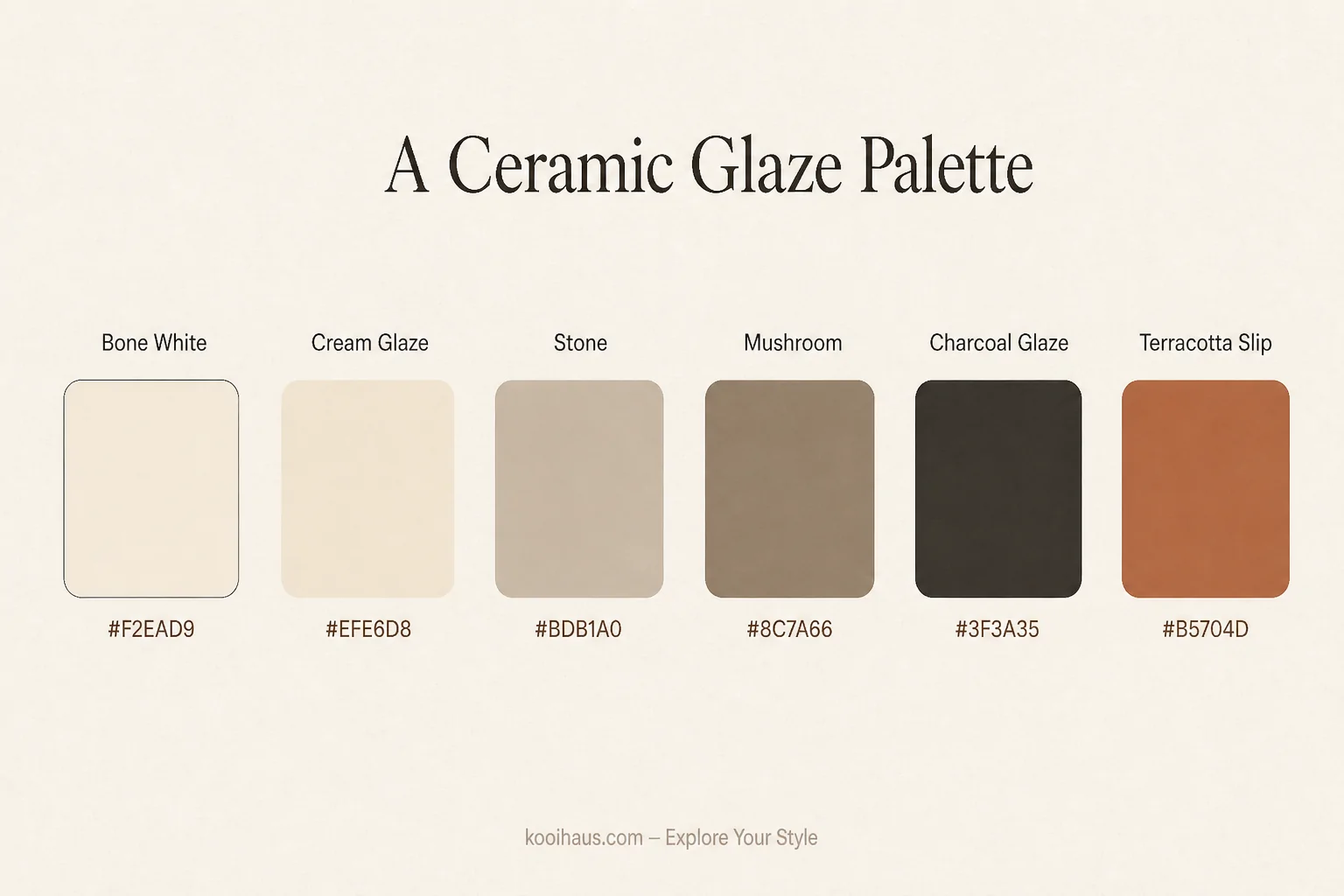
The safest bet for a cohesive room is to choose ceramics in a single color family — cream and bone, gray and stone, warm browns, soft black, or soft white. Earth-tone glazes (matte cream, mushroom, oat, charcoal, terracotta) blend with almost any modern interior.
Bright, glossy, and high-color glazes have their place — especially in maximalist or eclectic rooms — but they need company. A single bright cobalt vase on a neutral shelf will demand the entire room organize itself around it. If the rest of the room is not ready for that, lean quiet first.
Where to Buy Real Handmade Ceramics
Etsy remains the easiest place to find genuine artisan ceramics in every price range. Search by the type of piece you want (stoneware vase, hand-thrown bowl) and filter by handmade. Look for shops with at least 100 sales and clear photographs of pieces being made.
Beyond Etsy, look for:
- Local potters and craft fairs. Often the best value, especially for larger pieces.
- Specialty home shops. Many curated boutiques carry ceramicists by name and tell you the story of each piece.
- Gallery sales. Ceramics galleries occasionally hold sales where larger work becomes accessible.
- Studio visits. If you can find a working ceramicist near you, a studio visit will teach you more about ceramics in an hour than any blog post can.
Avoid pieces that look “rustic” but cost less than a fast-food meal. Real handmade ceramics take hours to make; the price reflects that.
How to Care for Handmade Ceramics
Most decorative pieces need little more than a soft dust with a dry cloth. Functional ceramics — bowls, plates, mugs, cups — should be hand-washed, even if labeled dishwasher-safe. Dishwashers are hard on glazes over time and can dull beautiful surfaces faster than you might expect.
Keep large vases away from direct heat sources and high-traffic edges of tables. Stoneware is resilient but unglazed bottoms can scratch wood; a small piece of felt or cork on the base solves the problem permanently.
If a favorite piece chips or cracks, the Japanese tradition of kintsugi — repairing with gold-dusted lacquer — is worth considering. The repair becomes part of the object’s history rather than something to hide.
Frequently Asked Questions
How many handmade ceramics should be in one room?
Three to seven pieces is a comfortable range for most rooms. More than that often crosses into clutter unless the pieces are integrated into open shelving or used daily.
Can handmade ceramics work in a modern minimalist home?
Especially well. A single sculptural vase on an otherwise empty surface is one of the most effective minimalist styling moves there is.
Are handmade ceramics safe for food and drink?
Most are, especially modern stoneware and porcelain. Always check that the glaze is food-safe (the maker should specify) and avoid serving acidic foods on unglazed surfaces.
What is the difference between stoneware, porcelain, and earthenware?
Stoneware is dense, durable, and most common for tableware. Porcelain is finer and harder, often translucent. Earthenware is softer and more porous — beautiful but often used for decorative rather than daily use.
How do I dust delicate ceramics?
A clean, soft makeup brush works far better than a cloth on textured or carved surfaces. For glossy pieces, a microfiber cloth is fine.
Handmade ceramics are one of the few categories of home décor where buying fewer, better pieces always pays off. Start with one piece you genuinely love, give it space, and let the rest of the room come together around it. The longer you live with handmade pieces, the more they earn their place.
Take the Quiz
Not sure if a handmade-ceramics aesthetic is really your thing? Take our Interior Style Quiz and find out which interior style — and which kinds of objects — fit the way you actually live.











 Blankets and Throws
 Home Accessories
 Furniture
 Rugs
Rugs Cushions
 Kitchen
 Cutlery and Dinnerware
 Drinkware
 Table Mats and Coasters
 Dining Accessories
 Tablecloths and Napkins
 Decorative Items
 Vases and Planters
 Wall Decor
 Bathroom Accessories
 Bathroom Storage
 Bath and Shower Mats
 Towels