FREE WORLDWIDE TRACKED SHIPPING
How the Right Windows Can Change the Feel of Your Room
 By Laura Jones
The right windows can completely transform your space by improving light, comfort, and overall atmosphere, making any room feel brighter, calmer, and more inviting

The right windows can totally transform the feel of your space. They can make it brighter, calmer, bigger, and more inviting, all without moving furniture or painting walls. That’s why window design for home is more than just a building detail. It sets the mood for your whole home.
People usually only notice their windows when there’s a problem. Maybe the room feels dark during the day, or a cozy bedroom becomes too hot in summer and too cold in winter. Sometimes, even with nice furniture and fresh paint, a living room still feels incomplete. Often, what’s missing isn’t more décor but rather how the room manages light, temperature, and its connection to the outdoors.
This is why windows are such an underrated part of design. They affect how sunlight moves through the space, how open a room feels, how comfortable it is year-round, and even how well you sleep. A dark room can seem smaller than it really is, and a drafty one can feel unwelcoming no matter how nicely it’s decorated. But a bright, well-insulated room often feels more luxurious, even if you can’t quite say why.
And that’s where things get interesting. The best windows don’t just look fancy. They change how you feel in space every day. For homeowners who want a room to finally feel right, this is often the upgrade that makes the biggest difference.
Light Changes Everything: How Window Design for Home Affects Mood, Space, and Daily Comfort
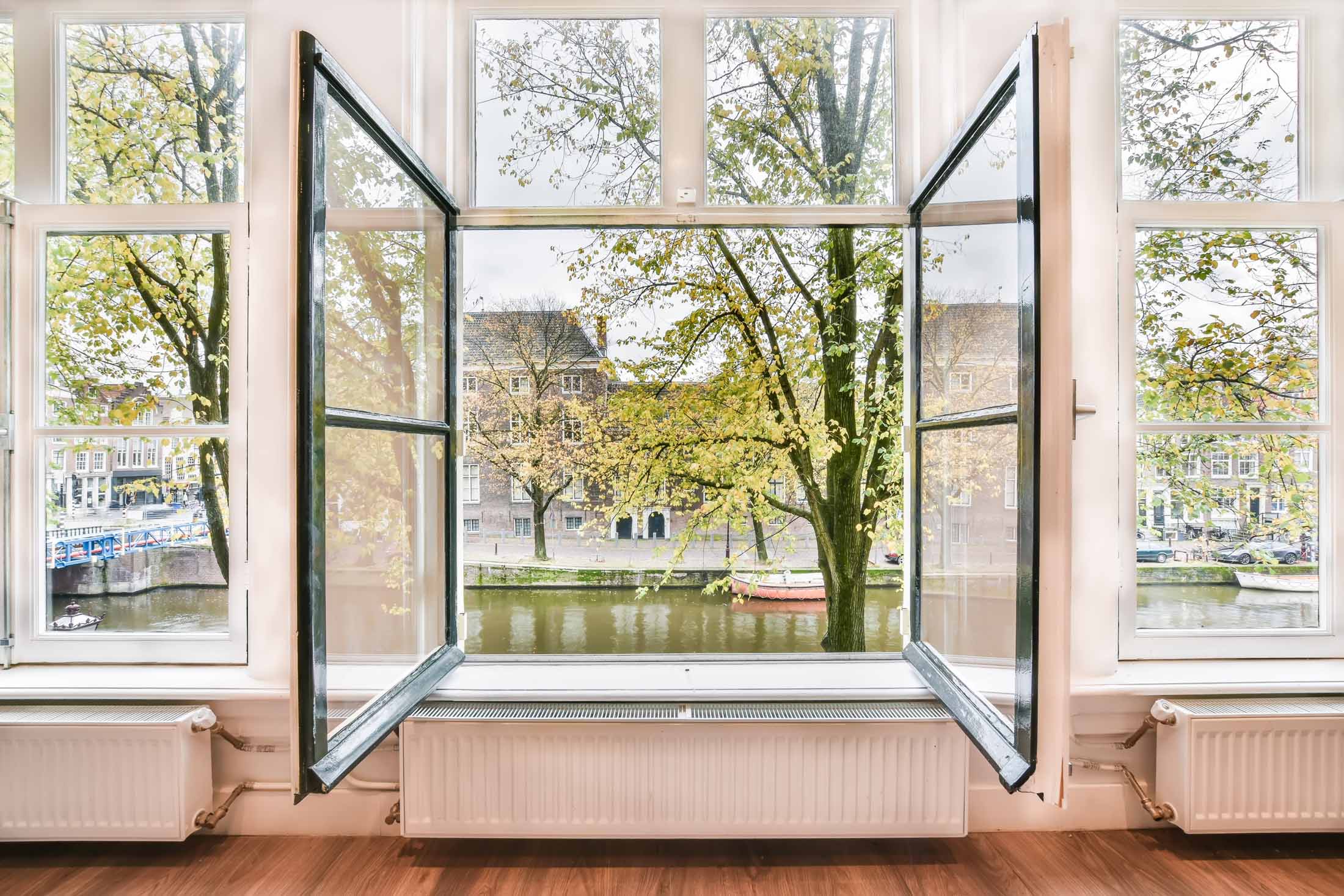
With the right windows, a room can seem open, calm, and full of life
Natural light brightens your home and ultimately changes how the whole space feels. With the right windows, a room can seem open, calm, and full of life. But if the windows are too small or in the wrong spot, the same room can feel cramped and a bit gloomy, no matter how nice the furniture is. Many homeowners notice this right away, even if they can’t put it into words. The room just doesn’t feel right.
The size, placement, and type of window glass all affect how light moves through a room. Bigger windows usually let in more daylight, but where you put them is just as important. A window that brings in gentle morning light feels very different from one that lets in strong afternoon sun.
For example, in living rooms, more daylight can make the space look bigger, while in kitchens, it helps work areas feel brighter and less cramped.
This is often when renovation plans start to change. Once people realize the problem isn’t just old glass but the size or placement of the window itself, they begin to ask what the cost to cut out and install new window is, especially when talking about a larger window in a dark room. That question usually comes up when someone is tired of a space that feels like a cave at midday and wants a real hands-on solution.
A few practical ways to improve natural light without losing comfort include:
- choosing larger fixed or picture windows in rooms where ventilation is less important
- using casement windows in areas that need both airflow and a clear glass area
- keeping heavy frame profiles in check when the goal is a lighter, cleaner look
- thinking about how the room is used at different times of day, not just how it looks at noon
When the lighting gets better, everything else in the room looks and feels better too. Colors stand out more, corners don’t feel ignored, and the space feels more thoughtfully put together. Suddenly, the room people used to just pass through becomes a place they actually want to spend time in.
Window Style and Room Identity: Choosing a Look That Matches the Space

Once the lighting feels right, homeowners start to notice the room’s character. The style of the windows has a big impact on how your space looks. It can make a room feel modern and crisp, traditional and cozy, or somewhere in between.
Picture windows, for example, work well in simple interiors where openness is more important than ventilation. They offer a wide glass view that makes a room feel calm and less cluttered. Casement windows give a sharper, more tailored look and are great for spaces that need both airflow and a clean appearance. Bay and bow windows add depth, draw attention outward, and give a room more presence without needing bold decorating choices.
This is often where homes show a subtle mismatch. The furniture might be modern and the finishes updated, but the windows can make the room feel stuck in the past. It happens more often than you’d think.
A few general style pairings tend to work especially well:
- Picture windows suit modern, minimal, and open-concept spaces.
- Casement windows fit transitional interiors that balance function and clean lines.
- Bay or bow windows complement more classic rooms and spaces that need architectural interest.
- Hung windows often work well in traditional homes where symmetry matters.
- Slider windows can suit practical, lower-profile areas where simplicity is the priority.
The best window design for home isn’t just about following trends. It’s about whether the window matches the mood you want for the room. When the style fits, the space feels finished and truly designed, not like a sloppy decoration from a big box store before the spring season.
Comfort Is Not Just Visual: The Numbers Behind Better Windows
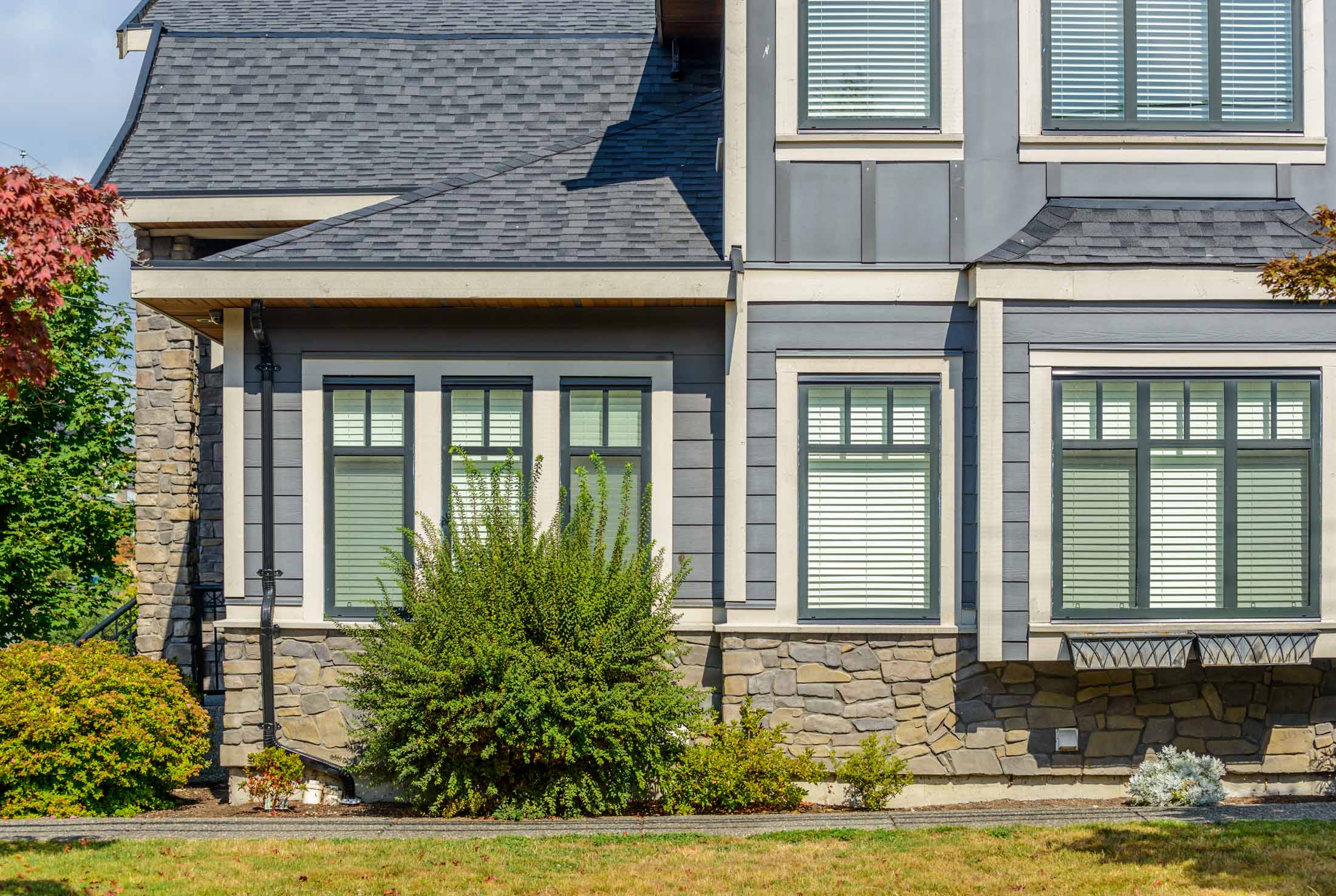
Yes, your windows are not just about aesthetics. They are about real energy efficiency, saving money and reducing bills in the long run.
In North America, this matters because space heating remains the largest energy use in the home. Many studies report that about 62% of household energy consumption goes to space heating, meaning even small improvements in comfort and heat retention can have an outsized effect on how a room feels day to day.
It should also be noted that residential windows can account for up to 35% of heat loss during the heating season. That is not a minor detail hidden in a spec sheet. That is often the reason one side of a room never feels quite right in winter.
This is where better windows really prove their value. ENERGY STAR says that high-performance windows help cut down on drafts, cold spots, and temperature swings – things homeowners notice right away, even if they never mention U-factors.
According to recent ENERGY STAR guidance, certified windows can lower energy bills by about 13% on average, or more than $200 a year, while making your home more comfortable all year. That kind of result feels real, not just like a sales pitch.
You’ll notice comfort improvements in summer too. The U.S. Department of Energy says that better window systems can lower peak cooling demand by 5 to 7 W/m², and some types of glass can cut solar heat gains by nearly 89% compared to basic windows. Most people won’t talk about “solar heat gain coefficient”, and that’s totally fine. What matters is that the room doesn’t feel like a greenhouse by late afternoon.
The practical comfort benefits usually look like this:
- fewer cold drafts near beds, dining tables, and seating areas
- more even temperatures across the room
- less overheating from direct sun
- lower reliance on blinds being shut all day
- quieter, calmer interiors in bedrooms and home offices
That’s why the right window upgrade often makes a bigger difference than you’d expect. The room finally works with you, not against you. And that, more than any sales pitch, is what makes a home truly comfortable.
Best Window Strategies by Room: What Works in Bedrooms, Living Rooms, and Kitchens
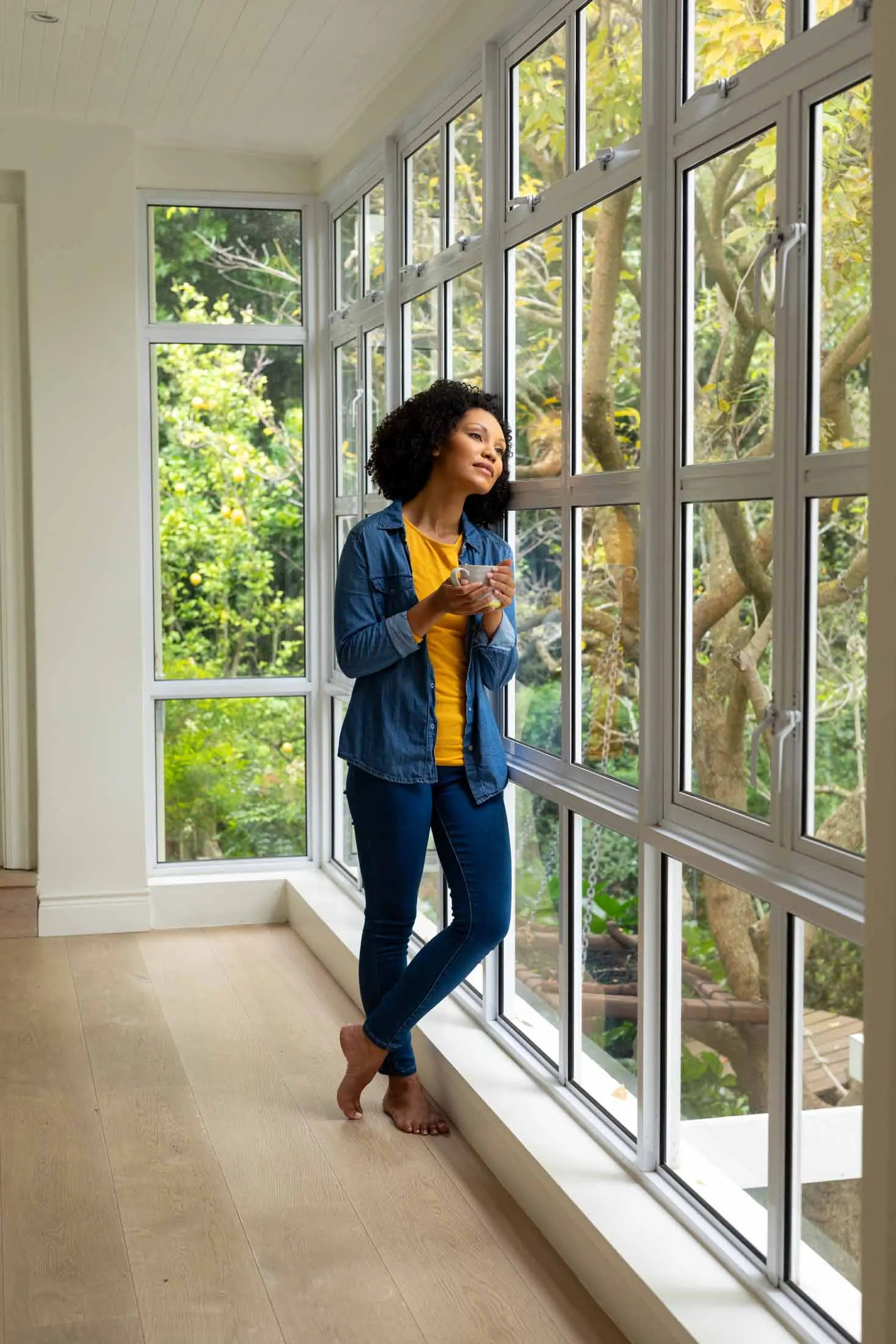
The best window for a room depends on how you use the space. It sounds simple, but this is where many upgrades go wrong. People pick a style they like in the store, install it, and then realize it doesn’t fit how the room is actually used. Bedrooms need something different than kitchens, and living rooms have different needs than home offices. One-size-fits-all might seem easy, but it rarely works well.
In bedrooms, comfort is usually the top priority. That means keeping the temperature steady, using softer light, maintaining privacy, and reducing noise from outside. Living rooms often focus more on openness, bigger windows, and better views of the yard or street. Kitchens are different because they need plenty of daylight, good ventilation, and windows that are easy to open, especially near sinks and counters. The wrong window in these spots can quickly become a headache.
A few room-by-room rules tend to hold up well:
- Bedrooms: prioritize insulation, noise control, and balanced daylight over oversized glass for the sake of drama
- Living rooms: larger picture or combination windows often work well when the goal is openness and better views
- Kitchens: casement or awning windows are often practical because they are easier to operate and help with airflow.
- Home offices or reading corners: aim for natural light without harsh glare directly on screens or work surfaces
Wrapping Up
The right windows do much more than make a home look better. They affect how your room feels, how light moves through it, how comfortable it is, and how well it works for daily life. A brighter living room, a quieter bedroom, or a kitchen that feels open usually starts with choosing the right windows.
That’s why upgrading your windows is so valuable. Good windows can make a room feel bigger, calmer, and more thoughtfully designed, while also keeping temperatures steady and making daily life more comfortable. When style, size, and performance all come together, the difference is clear, and your space just feels better.
If you’re planning to refresh, remodel, or seriously upgrade your home, it’s worth thinking about windows early on. A smart window choice can shape everything that follows. Before making decisions about options, layouts, or installation, take some time to figure out what the room really needs. If wall cavities or frames will be open, it is also the right moment to review our pest-proofing renovation checklist before finishes hide potential entry points.











 Blankets and Throws
 Home Accessories
 Furniture
 Rugs
Rugs Cushions
 Kitchen
 Cutlery and Dinnerware
 Drinkware
 Table Mats and Coasters
 Dining Accessories
 Tablecloths and Napkins
 Decorative Items
 Vases and Planters
 Wall Decor
 Bathroom Accessories
 Bathroom Storage
 Bath and Shower Mats
 Towels