FREE WORLDWIDE TRACKED SHIPPING

How Trees and Plants Affect Masonry: Tree Roots, Ivy, Moss & Garden Walls
 By Alex Carter
Learn how roots, ivy, moisture and garden planting affect outdoor masonry and how to plan around walls and paving
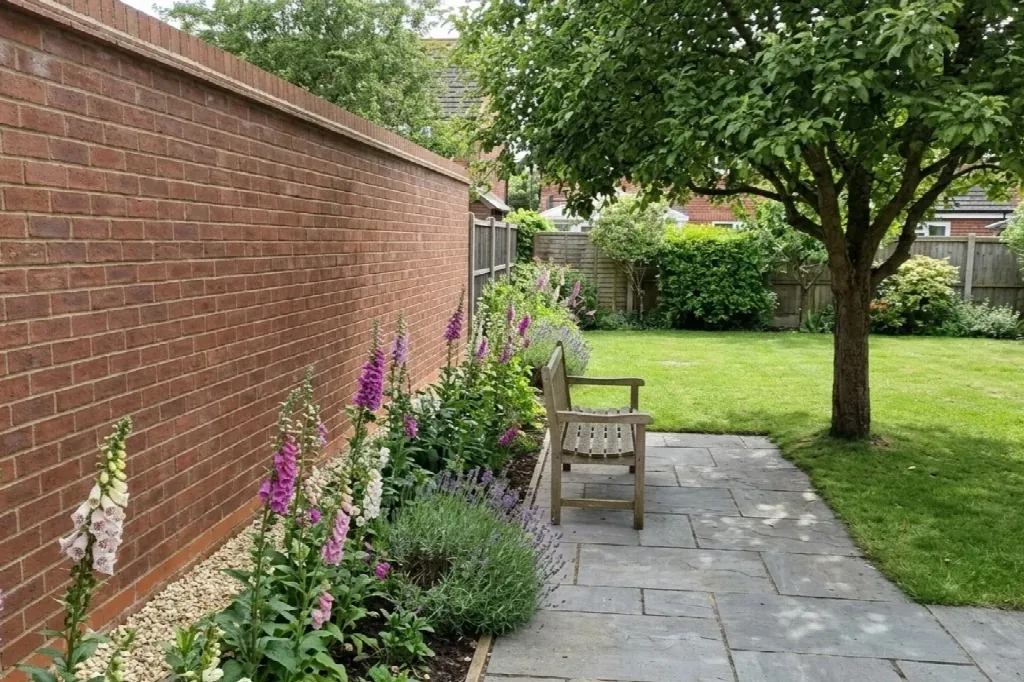
A garden and a stone wall can look like natural partners, and in many cases they are. Climbing roses soften brick, mature trees frame a patio, and flower beds give a retaining wall a sense of purpose. Underneath the charm, though, plants and masonry are constantly working on each other through roots, moisture, shade and falling debris.
This guide explains how trees and flowers affect outdoor masonry, from paving and garden walls to fireplaces and kitchens. It covers the most common sources of damage, how planting choices shape the life of stone and brick, and how to plan outdoor spaces so the garden and the masonry can share the same ground comfortably.
What Is the Relationship Between Gardens and Outdoor Masonry?
Outdoor masonry sits in living ground. Soil moves, water drains, and plants grow towards whatever light, moisture and space they can find. Most gardens include at least a few masonry features. Patios and paths are often laid in stone, brick or concrete pavers. Retaining walls hold back soil on sloped ground, and freestanding garden walls mark boundaries or frame planting beds. Larger projects add fire pits, outdoor fireplaces, kitchens and seating walls.
Plants change the conditions around masonry in ways that build up slowly. Roots can lift or shift foundations, dense planting holds moisture against walls, and shade slows drying after rain. In colder climates, the extra moisture also feeds freeze-thaw damage through winter. None of this means gardens and masonry can’t coexist, but it does mean planting decisions affect how long outdoor structures stay in good condition.
How Trees Affect Masonry Structures
Trees have the largest influence of anything in a garden, simply because of their size and lifespan. The three sections below look at how roots, shade and falling debris affect brick and stone.
Root Pressure and Movement
Most tree roots grow in the top layer of soil, and they often spread well beyond the edge of the canopy. As they thicken, they can lift paving slabs, push against shallow footings and crack low garden walls. On clay soils, trees also draw large amounts of water, which can cause the ground to shrink in dry spells and swell again after rain. That repeated movement places stress on any rigid structure nearby. Fast-growing species with vigorous roots, such as poplars and willows, are usually planted well away from masonry for that reason.
Shade, Moisture and Moss
A broad canopy keeps patios cool in summer, but it also slows evaporation. Paving and walls under heavy shade can stay damp for long periods, encouraging moss, algae and lichen. These growths make surfaces slippery and hold water against the stone. Over time, persistent damp can soften mortar joints and, in freezing weather, contribute to cracking and surface flaking.
Falling Leaves, Sap and Debris
Leaves, seed pods, fruit and sap all end up on surfaces below a tree. Wet leaves stain light-coloured stone and block drainage gaps, while sap and berries can leave marks that are hard to remove from porous materials. Debris that collects in joints also provides a foothold for weeds, whose roots then work their way into the gaps.
How Plants Interact With Stone and Brick
Smaller plants rarely threaten masonry on their own, but their placement and care routines can create problems over the years. The three sections below cover climbing vines, flower beds and decorative stone finishes, where those problems most often start.
Climbing Vines and Ivy on Brick Walls
Self-clinging climbers such as ivy and Virginia creeper attach directly to masonry with small aerial roots or adhesive pads. On sound brick with firm mortar, they tend to cause limited harm and can even shelter the surface from weather. On older walls with soft or crumbling mortar, their roots can work into joints and widen them. Twining climbers grown on trellises or wires keep a gap between plant and wall, which makes inspection and maintenance far easier.
Flower Beds Against Walls and Foundations
Beds planted directly against a wall raise the soil level and keep it moist, especially when watered regularly. Soil piled above a wall’s damp-proof layer can let moisture bypass it, and frequent irrigation can splash dirt onto brick and leave white mineral deposits known as efflorescence. Leaving a narrow gravel strip between beds and walls helps water drain away and keeps the base of the masonry drier.
Decorative Stone Finishes in Planted Areas
Garden walls, planters and fire pit surrounds are often finished with stone veneer, a thin layer of natural or manufactured stone that gives the look of solid stone with much less weight. In planted areas, these finishes depend on proper drainage behind them. Careful stone veneer installation includes moisture-control and drainage details suited to the backing and veneer system, so water from wet soil or sprinklers can escape rather than freeze in winter, expand, and gradually loosen stones from their backing. Keeping soil and irrigation away from the face of the veneer also helps it last.
Planning Outdoor Living Spaces Around Planting
Gardens are increasingly treated as extensions of the home, the part of the property where people live through the warmer months. That brings larger masonry features into planted areas, and a few factors are worth weighing before deciding where they go.
Placement
Position matters as much as design. Patios, seating walls, pergola footings, fireplaces and cooking areas all suffer when set directly under a mature tree, where they collect leaves and sap and sit within the root zone. A more open spot, with planting kept to the edges, keeps these structures easier to clean and puts less pressure on their foundations.
Root Zones
Tree roots often spread well beyond the edge of the canopy, so the space a structure needs below ground can be larger than it looks above. Checking where major roots run before digging footings helps avoid cutting roots that keep a tree stable, and it reduces the chance of paving or walls lifting later. Where structures must sit close to trees, root barriers or flexible bases are common solutions.
Drainage
Water has to go somewhere, and planted ground tends to hold it. Sloping patios slightly away from beds and buildings, leaving gaps between soil and masonry, and keeping sprinklers aimed away from stone surfaces all help structures dry out after rain. Good drainage matters even more in cold climates, where trapped water freezes and expands through the winter.
Materials and Climate
Not every material handles seasonal extremes in the same way. In cold regions such as much of Canada, winters bring long stretches below freezing, and in Alberta sudden warm spells can thaw the ground before the next cold snap sets in. Calgary is a good example: Chinook winds can lift winter temperatures within hours, and then the cold returns. Exposed surfaces and shallow, unprotected footings can go through repeated freezing and thawing, which puts steady stress on outdoor bases and finishes and is why builders there pay close attention to foundations and drainage.
That climate also shapes how people use their gardens. In Canada, many households stretch the outdoor season as far as the weather allows, with fireplaces and cooking areas that still get used on cool spring and autumn evenings. That means an outdoor kitchen in Calgary has to cope with the same freezing and thawing as the rest of the garden, so dense stone, frost-resistant brick and well-prepared foundations are the usual choices. They generally hold up to sharp temperature swings better than softer alternatives, which are more likely to flake or crack.
Heat and Smoke
Fireplaces, fire pits and ovens give off heat that can scorch nearby leaves and dry out planting beds, and smoke rises into overhanging branches. Leaving clear space above and around any open flame protects both the plants and the masonry. Hardy, low-growing plants along the borders keep these areas green without crowding the heat source.
Sun, Shade and Use
How a space will be used affects where it works best. Dining and seating areas benefit from some afternoon shade, but heavy canopy keeps surfaces damp and encourages moss. A spot with filtered light, or shade from a pergola rather than a dense tree, often balances comfort with faster drying after rain.
Common Problems and How They Are Usually Addressed
Even well-planned gardens develop wear over time. Spotting early signs makes it easier to deal with issues before they turn into larger repairs.
Lifted or Cracked Paving
Paving that rises or cracks near a tree often points to root growth beneath it. Repairs usually involve lifting the affected section, assessing the roots, and relaying the paving on a reinforced or flexible base. In some cases, root barriers are installed to guide future growth away from the surface.
Damp, Stained or Mossy Walls
Persistent damp patches, green growth and white mineral stains suggest water is staying in the masonry too long. Common fixes include cutting back overhanging plants, lowering soil levels against the wall, improving drainage, and redirecting sprinklers. Gentle cleaning removes surface growth without harming the stone.
Loose Mortar Behind Climbers
When climbers are removed from older walls, they often reveal joints that have worn away. Repointing, which means raking out the failed mortar and replacing it with fresh material, restores the wall’s strength. Climbers can then be replanted on supports that keep them slightly away from the surface.
Frequently Asked Questions
Can tree roots damage a foundation?
They can, especially on clay soils, where a large tree can shrink the ground in dry spells and let it swell again after rain. Deep house foundations are less often affected directly, but patios, steps, garden walls and other shallow footings nearby are much more exposed.
Is ivy bad for brick?
On sound brick with firm mortar, ivy usually does little harm. On older walls with soft or crumbling mortar, its roots can work into the joints and widen them, so climbers on trellises or wires that keep a gap from the wall are the safer choice.
What causes white stains on brick?
The white, powdery deposit is efflorescence: salts carried to the surface as water evaporates from the brick. Persistent or recurring deposits can point to excess moisture, including from flower beds, sprinklers or poor drainage at the base; on new masonry, they can also appear during normal drying.
Final Thoughts on Gardens and Outdoor Masonry
Trees and flowers bring life to outdoor masonry, but they also shape how it ages. Roots, shade, moisture and debris all play a part, and their effects build quietly over years rather than months. Understanding those influences helps explain why some patios and walls stay sound for decades while others need early repair.
As gardens become the outdoor rooms where people live, cook and gather, the relationship between planting and stone matters more than ever. Thoughtful placement of trees, beds and climbers, combined with good drainage and regular checks, allows both the garden and its masonry to grow old together gracefully.




 Blankets and Throws
 Home Accessories
 Furniture
 Rugs
 Cushions

 Kitchen
 Cutlery and Dinnerware
 Drinkware
 Table Mats and Coasters
 Dining Accessories
 Tablecloths and Napkins

 Decorative Items
 Vases and Planters
 Wall Decor

 Bathroom Accessories
 Bathroom Storage
 Bath and Shower Mats
 Towels