FREE WORLDWIDE TRACKED SHIPPING
The Complete Guide to Japandi Interior Design
 By Laura Jones
Japandi interior design is the warm middle ground between Scandinavian softness and Japanese restraint — here is how to bring it home.
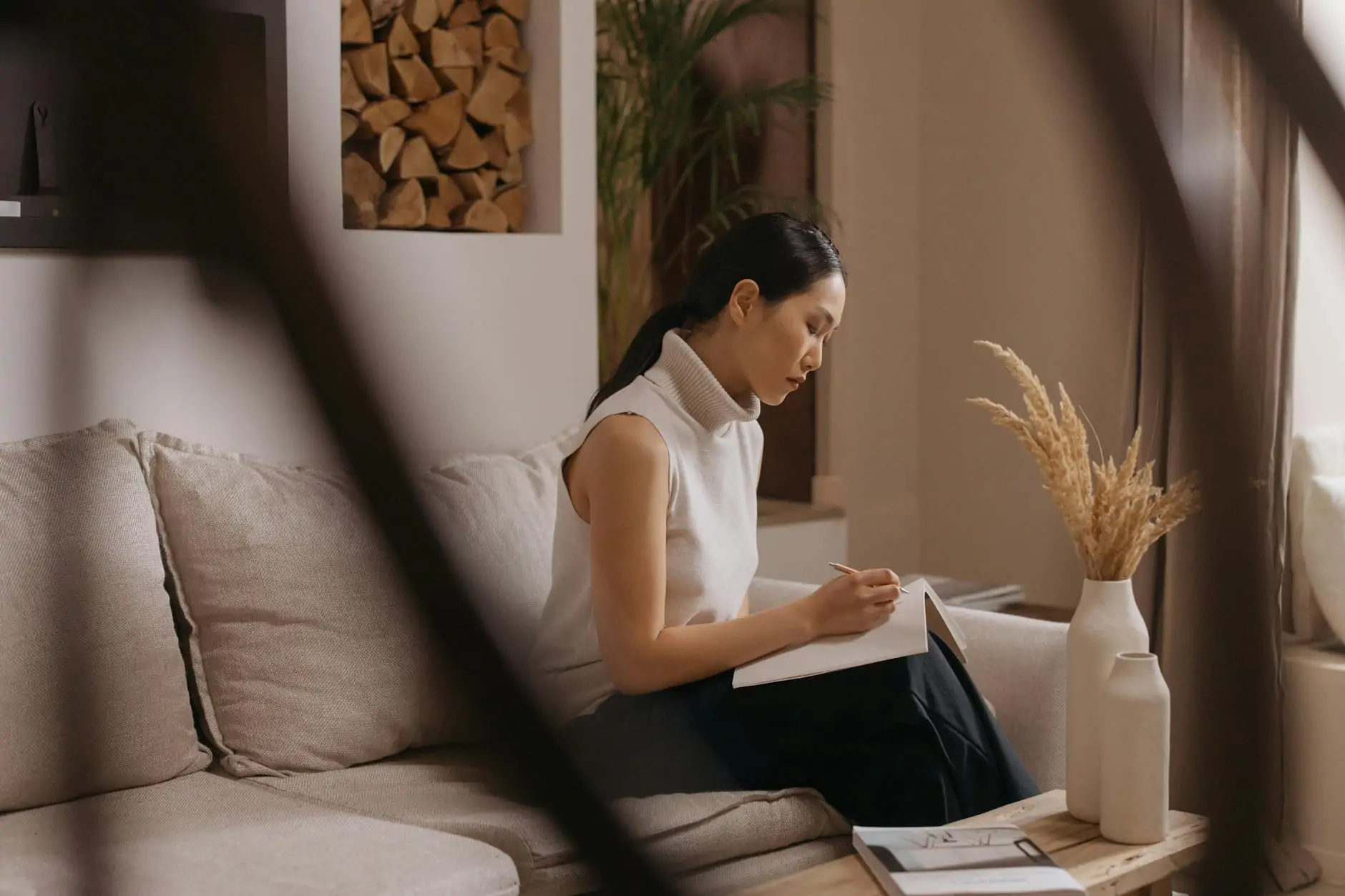
Japandi interior design — Scandinavian softness meets Japanese restraint.
Japandi interior design is the warm, livable middle ground between Scandinavian softness and Japanese restraint. It pairs the cozy hush of a Copenhagen apartment with the disciplined emptiness of a Kyoto tea room, and the result is a look that feels both grown-up and gentle on the nerves. If you have ever scrolled past a sun-bleached oak bench under a paper lantern and felt your shoulders drop, you have already met Japandi.
What Is Japandi Interior Design?
Japandi is a hybrid style that fuses two aesthetic traditions: Japanese minimalism, with its reverence for craft and natural materials, and Scandinavian design, with its emphasis on light, comfort, and democratic functionality. The two ideas overlap more than they differ. Both treat the home as a tool for slowing down. Both prefer wood, paper, linen, and clay over plastic and chrome. Both ask a piece of furniture to earn its place by being useful before it is beautiful.
What makes Japandi distinct from either parent style is its tone. A purely Scandinavian room can feel breezy and a touch impersonal; a purely Japanese room can feel austere to a Western eye. Japandi splits the difference. Rooms read warm and quiet at once, with a texture and patina that gives them a soul.
The Core Principles of Japandi
Wabi-Sabi and Hygge, Side by Side
The philosophical heart of Japandi is the meeting of two ideas: wabi-sabi, the Japanese appreciation for imperfection and the marks of time, and hygge, the Danish word for the comfort that comes from soft light, warm fabrics, and slow evenings. A handmade ceramic bowl with an uneven rim sitting next to a chunky wool throw on a low oak sofa is the entire style in one frame. Nothing is precious, but everything is intentional.
Functional Minimalism
Japandi is minimalist, but it is never empty. The goal is not to strip a room down to nothing; it is to remove anything that does not serve daily life or quiet visual joy. A Japandi living room may have only six objects on display, but each of them does something — holds a candle, supports a book, anchors the eye. The discipline lies in the editing, not the absence.
The Japandi Color Palette
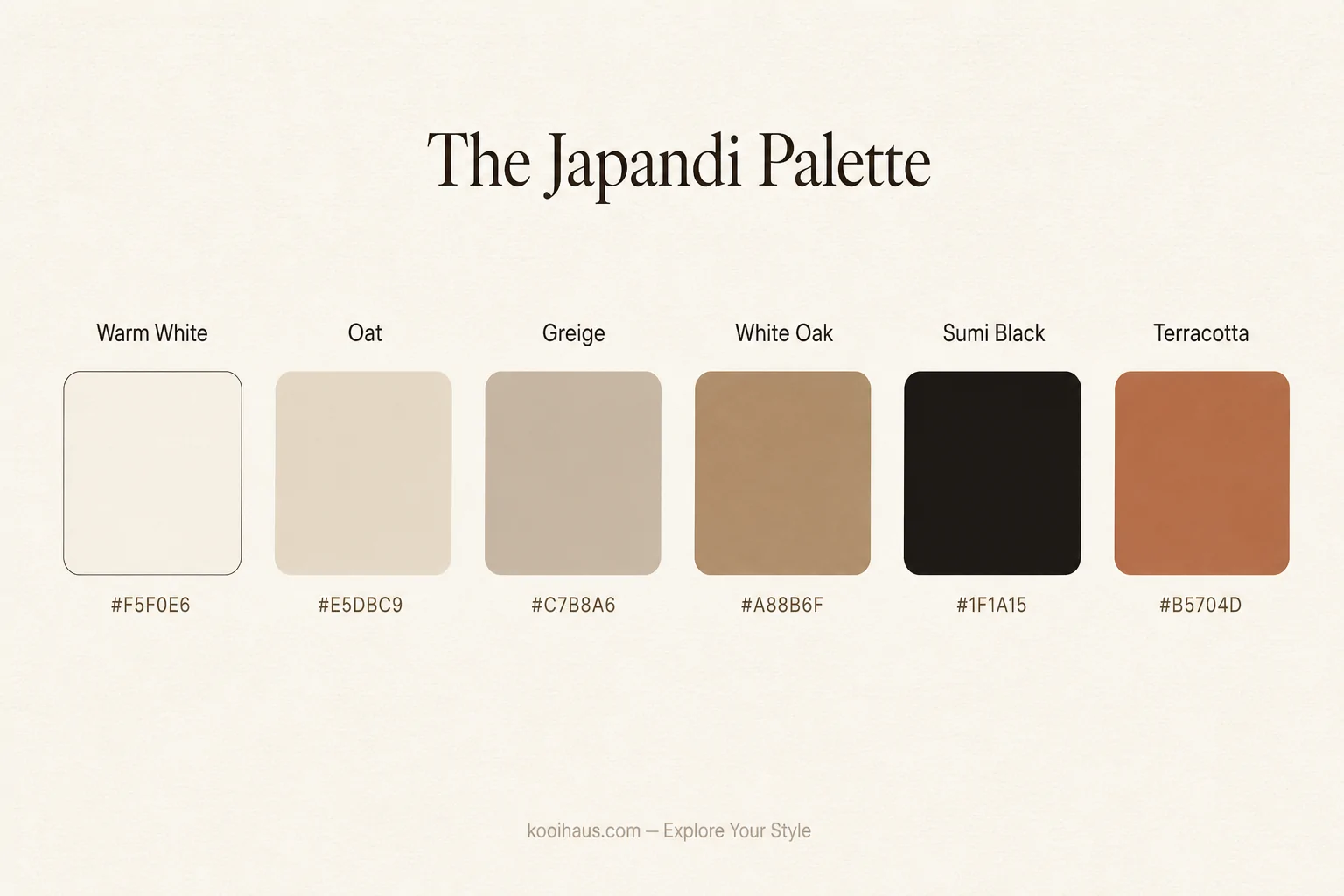
The classic Japandi palette is built on muted, organic tones drawn straight from the landscape. Think the color of unbleached linen, fresh oat milk, river stone, raw plaster, soft black, and the warm tan of sun-warmed wood. Whites lean creamy rather than bright. Beiges lean greige. Black is used sparingly but pointedly — a slim metal lamp, a sumi-ink frame — to give the room contrast without breaking the calm.
If you want to add color, take it from nature: a soft terracotta cushion, a sage green throw, a single stem of dried pampas. Saturated brights and high-gloss finishes do not belong here. The palette should feel like it was sourced from a quiet morning walk.
Materials and Textures
Japandi leans hard on natural materials with visible texture. Light woods such as white oak, ash, and pale beech are dominant, often paired with darker woods like walnut or stained pine for contrast. Linen and cotton replace synthetic upholstery; raw wool and bouclé bring softness without sheen. Stone, ceramic, paper, and rattan round out the material palette.
The trick is to layer textures without layering colors. A linen sofa, a wool rug, a ceramic table lamp, and an oak coffee table can all live within the same beige-cream-stone window of color, and the room will still feel rich because every surface invites a different touch.
Furniture Choices for a Japandi Home
Japandi furniture sits low and breathes. Sofas and beds tend to hover close to the floor, echoing the Japanese love of grounded living and giving small rooms more visual ceiling. Lines are clean and rounded — never ornate, but never sharply industrial either. Look for:
- Low-profile sofas in linen, cotton, or bouclé, often with curved arms or a single, generous cushion.
- Solid wood dining tables with simple plank tops and tapered legs, ideally in pale oak or ash.
- Spindle and Windsor chairs, especially in black-stained ash, which bridge Scandinavian and Japanese craft beautifully.
- Platform beds with low headboards or no headboard at all, dressed in heavy linen.
- Open shelving with breathing room between objects — never crammed.
Mass-produced glossy pieces, ornate carvings, and tufted leather sit awkwardly in a Japandi space. When in doubt, go simpler.
Lighting in a Japandi Interior
A current example of natural material adding warmth without visual clutter is the IKEA VARPTROSS bamboo lighting collection, whose layered slats add texture while keeping the geometry restrained.
Lighting is where Japandi quietly does its best work. Overhead lighting is kept soft — paper pendants, rice lanterns, simple linen drum shades. Floor lamps with thin black metal frames and warm bulbs replace the harsh ceiling glare most homes default to. Layering matters: aim for three or four light sources in a living room, all on the warmer end of the Kelvin scale (2700K to 3000K).
Dimmers are non-negotiable. The goal is a room that can shift from bright morning work mode to a 9 p.m. wind-down without flipping a single switch.
Bringing Japandi into Each Room
Living Room
Anchor the room with a low, neutral sofa and a solid wood coffee table. Add a chunky wool rug, a single piece of large-scale art with negative space, and one sculptural floor lamp. Keep the surface of the coffee table to three things: a ceramic vessel, a stack of books, a small plant. Resist filling shelves edge to edge.
Bedroom
A platform bed in linen bedding, two matching nightstands in pale wood, and a single soft pendant or sconce on each side is enough. Curtains should be unlined linen so the morning light filters rather than blasts. Skip the headboard pillows. The bedroom is where Japandi calm earns its keep.
Kitchen and Dining
An oak dining table, a set of black-stained spindle chairs, and a pair of paper pendants over the table delivers the look in three moves. Keep counters clear; a wooden cutting board, a ceramic salt cellar, and a clay olive oil bottle is more than enough visible kitchen styling.
Common Japandi Mistakes (And How to Avoid Them)
The most common misstep is treating Japandi like a shopping list. Buying a paper lantern, a bouclé chair, and a low oak bench will not give you Japandi if the rest of the room is still cluttered, brightly lit, or color-saturated. Japandi is achieved through subtraction first, then layering — not the other way around.
The second mistake is going too cold. Pure white walls plus pure black furniture plus glossy floors reads like a showroom, not a home. Add at least two softeners: a cream rug, a linen throw, a warm wood tone, a single live plant. The room should look lived-in even when no one is in it.
The third is over-styling shelves. A Japandi shelf is roughly 60 percent empty space. If yours is full, take half off and live with it for a week before deciding what comes back.
Frequently Asked Questions
Is Japandi the same as minimalism?
Not quite. Japandi is minimalist in spirit but warmer in execution. A pure minimalist room may feel almost clinical; a Japandi room is always softened by texture, natural material, and a touch of imperfection.
Does Japandi work in a small apartment?
It is arguably the best style for small spaces. Low furniture, soft palettes, and uncluttered surfaces make compact rooms feel taller and more peaceful, not smaller.
Can I mix Japandi with other styles?
Yes. Japandi blends especially well with mid-century modern and quiet luxury. The shared love of clean lines and natural materials does most of the work for you.
Is Japandi expensive?
It can be, but it does not have to be. A handful of well-chosen pieces in real wood and linen go further than a room full of cheap accessories. The style rewards patient buying over fast styling.
What plants suit a Japandi interior?
Sculptural, low-maintenance plants work best — fiddle leaf fig, snake plant, olive tree, bonsai, or a single branch of cherry blossom in a tall ceramic vase.
Japandi is less a trend than a slow correction toward homes that are easier to live in. It rewards restraint, real materials, and a willingness to leave space empty so the things you love have room to breathe. Start with one corner, edit ruthlessly, and let the style grow from there.
Take the Quiz
Not sure if Japandi is really your thing? Take our Interior Style Quiz and find out which style fits your home, your habits, and the way you want to feel when you walk through the front door.











 Blankets and Throws
 Home Accessories
 Furniture
 Rugs
Rugs Cushions
 Kitchen
 Cutlery and Dinnerware
 Drinkware
 Table Mats and Coasters
 Dining Accessories
 Tablecloths and Napkins
 Decorative Items
 Vases and Planters
 Wall Decor
 Bathroom Accessories
 Bathroom Storage
 Bath and Shower Mats
 Towels