FREE WORLDWIDE TRACKED SHIPPING
Secure Mail Delivery in Multi-Unit Homes: What Property Owners Should Know About USPS Key Keepers
 By Alex Carter
Learn how USPS key keepers support secure mail delivery in multi-unit homes, apartments and gated communities without weakening resident safety
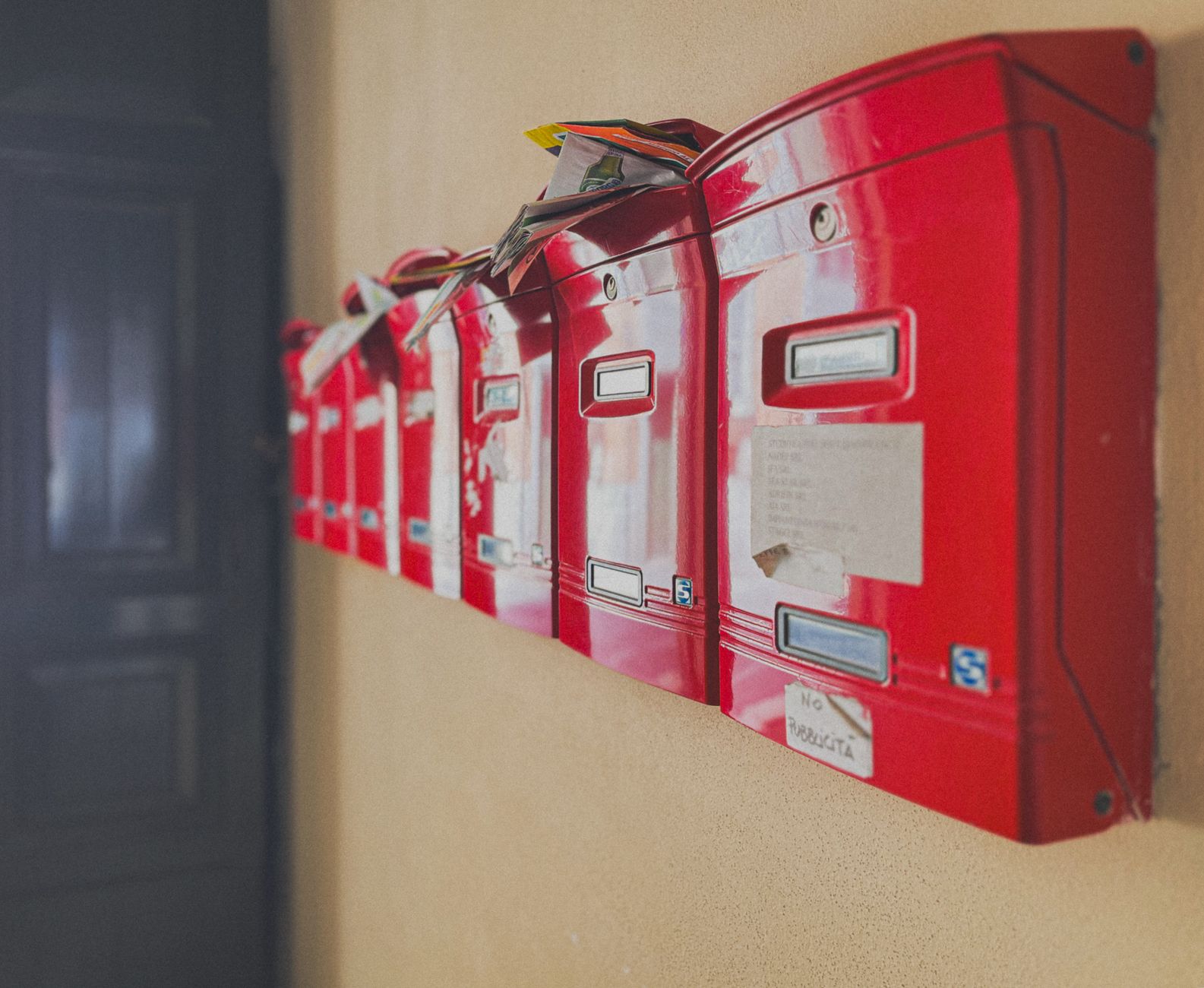
Every property owner with a multi-unit building has faced the same quiet frustration. The mail carrier stands at the locked front door, bag full of letters and packages, with no way to reach the mailroom inside. Tenants start calling. Emails pile up. Someone missed a paycheck, a medical bill, or a time-sensitive document—all because the building’s front door became an unexpected barrier to something as basic as mail delivery.
This isn’t a new problem, but it’s growing. More apartment buildings, gated communities, and townhouse complexes are locking their entries for good reason: resident safety matters. Yet every locked door creates a question that someone has to answer daily. How does the mail get through without compromising the security that residents expect?
The United States Postal Service has a standardized answer, and it’s smaller than most people realize.
What Is a USPS Key Keeper (And Why Your Building Probably Needs One)
A USPS key keeper is a compact, wall-mounted metal box installed near a building’s main entrance. Inside sits a copy of the front door key or access credential. When the postal carrier arrives, they unlock the box with their USPS-issued Arrow Key, retrieve the building key, enter to complete delivery, and return the key before locking the box again. The whole interaction takes under a minute.
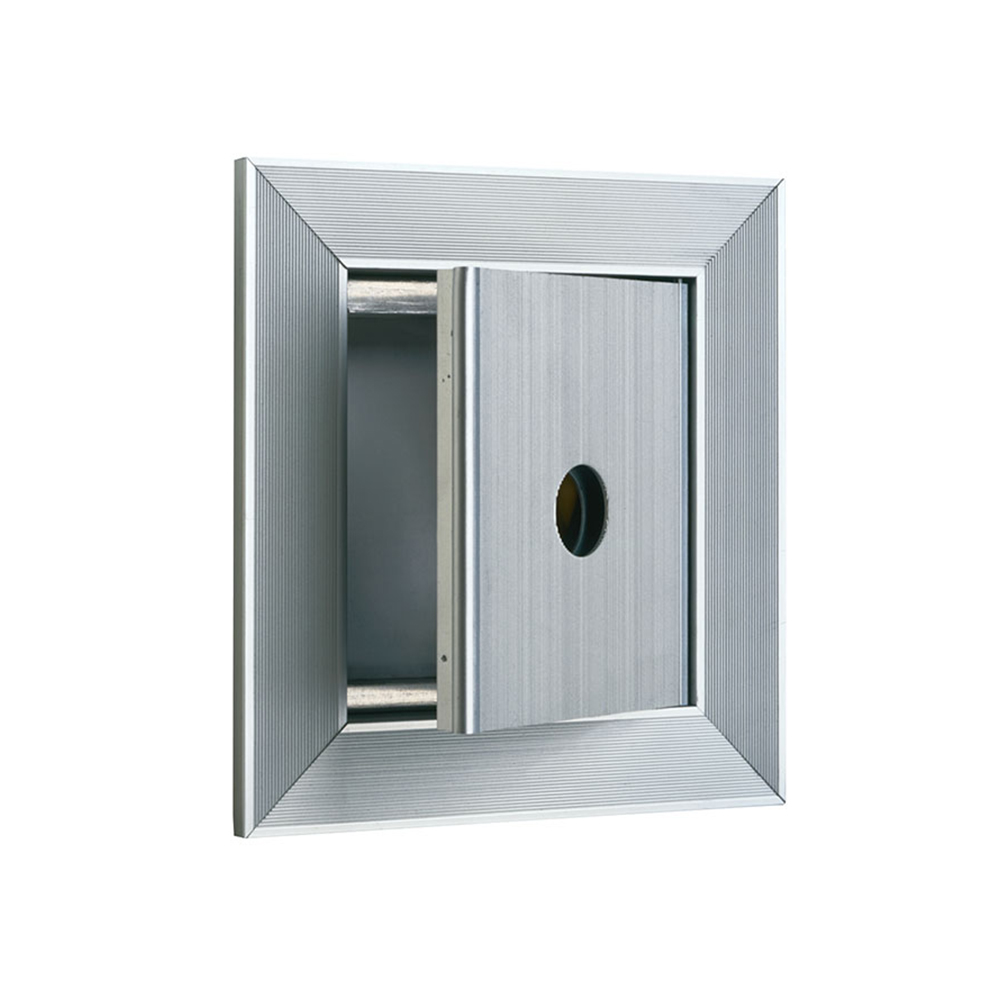
For property owners and managers, this simple device solves a surprisingly complex operational problem. Without it, buildings face a cascade of undesirable outcomes. Carriers leave delivery notices instead of actual mail, forcing tenants to make post office trips during work hours. Some buildings resort to propped doors or informally distributed keys—solutions that create liability nightmares and undermine the very security measures residents pay for. A properly installed key keeper satisfies both requirements: secure building access and uninterrupted mail service.
The Real-World Impact on Property Operations
The practical benefits extend beyond avoiding angry tenant emails. Consider the daily rhythm of a 40-unit apartment building. The carrier arrives at roughly the same time each day. If they cannot access the lobby or mailroom efficiently, the delivery window stretches. Packages pile up. Residents who work from home hear knocking. Those who don’t return to missed delivery slips stuck to the front door.
For property managers, this translates into measurable friction. Maintenance requests about mail issues. Lease renewal conversations where “the mail situation” comes up unprompted. In competitive rental markets, reliable mail delivery isn’t a luxury amenity—it’s baseline infrastructure that tenants assume will work.
Gated communities face a parallel challenge at the perimeter. Without a key keeper at the entrance gate, carriers may need to wait for staff, call residents, or skip deliveries entirely. A single key keeper installed at the community entrance can eliminate this bottleneck, allowing the carrier to proceed to individual cluster box units or centralized mailrooms without disrupting the gate’s primary security function.
How the Arrow Key System Works (The Short Version)
The security of the key keeper system depends on the Arrow Lock—a specialized mechanism installed and maintained exclusively by USPS personnel. Postal carriers carry Arrow Keys assigned to specific routes, checked out at shift start and returned at shift end. These keys are secured to uniforms and subject to strict accountability protocols.
For property owners, the relevant detail is straightforward: you don’t manage this part. The Postal Service owns the lock, controls the keys, and handles any Arrow Key-related issues. Your responsibility begins and ends with providing an approved key keeper box, installing it correctly, and keeping the building key inside updated if locks change.
What Property Owners Should Know About Installation and Planning
Installing a key keeper isn’t a hardware-store DIY project. The process requires coordination with your local Post Office or USPS Growth Manager from the outset. Postal officials must inspect the property, verify the need for building access assistance, and authorize the specific equipment before installation proceeds.
Once approved, several practical considerations shape where and how the unit should go:
- Visibility: The carrier needs to locate the box quickly during their route. A key keeper hidden behind landscaping, tucked around a corner, or placed in shadow adds seconds to every delivery—and those seconds compound across hundreds of stops.
- Durability: Outdoor installations face rain, snow, temperature swings, and occasional impact. Anodized aluminum or powder-coated steel construction resists corrosion and tampering. The mounting hardware matters too: tamper-resistant fasteners appropriate for the wall substrate prevent forced removal.
- Height and accessibility: The box should sit at a comfortable height for carriers of varying stature, accessible in daylight and darkness, and positioned to minimize opportunities for unauthorized observers to watch key retrieval.
- Proximity to the entry point: The key keeper should sit close enough to the door it opens that the carrier isn’t walking halfway across the property with a building key in hand. The goal is streamlined access, not a scavenger hunt.
- Mailroom planning: In buildings with centralized mailrooms, the key keeper location should create a logical flow: retrieve key, enter building, reach mailroom, deliver, return key, exit. Property owners designing new construction or renovating existing spaces should integrate key keeper placement into the broader mailroom and lobby layout rather than treating it as an afterthought.
- Surface-mounted versus recessed options: Surface-mounted boxes attach directly to exterior walls and work well for most retrofit situations. Recessed units sit flush with the wall surface, offering cleaner aesthetics and additional weather protection—worth considering for new construction or buildings where visual integration matters.
Coordinating With Your Local Post Office
The relationship with local postal officials doesn’t end after installation. Property managers should maintain open communication about any changes affecting delivery access: lock replacements, entry code updates, construction that temporarily blocks the entrance, or staffing changes that alter who manages the building key.
Regular visual inspection of the key keeper box itself is also prudent. Dents, corrosion, loose mounting, or damage to the door or hinges should be reported promptly. The unit is a small piece of infrastructure, but it’s a single point of failure for an entire building’s mail service.
Balancing Access, Security, and Reliable Delivery
The tension at the heart of this topic is real. Residents want secure buildings. Postal carriers need efficient access. Property owners sit in the middle, responsible for satisfying both constituencies without creating new vulnerabilities.
The key keeper system succeeds because it doesn’t force a choice between security and service. It provides controlled, accountable access that satisfies postal operational requirements while maintaining the locked-entry protocols that modern residents expect. The Postal Service manages the lock and keys. The property owner manages the box and the building key inside. The carrier moves through a predictable, repeatable process. Everyone knows their role.
For multi-unit property owners, the practical takeaway is this: mail delivery infrastructure deserves the same planning attention as HVAC, plumbing, or internet service. It’s not glamorous. It doesn’t appear in marketing brochures. But when it fails, tenants notice immediately. A properly installed, well-maintained USPS key keeper is a modest investment that prevents a disproportionate amount of operational headache—and keeps the mail moving exactly where it needs to go.











 Blankets and Throws
 Home Accessories
 Furniture
 Rugs
Rugs Cushions
 Kitchen
 Cutlery and Dinnerware
 Drinkware
 Table Mats and Coasters
 Dining Accessories
 Tablecloths and Napkins
 Decorative Items
 Vases and Planters
 Wall Decor
 Bathroom Accessories
 Bathroom Storage
 Bath and Shower Mats
 Towels