FREE WORLDWIDE TRACKED SHIPPING
Smart Rental Upgrades for Style, Durability, and Tenant Retention
 By Laura Jones
In this guest contribution, interior designer Rebecca Denis shares practical ideas for designing rental spaces that attract tenants while balancing style, durability, and long-term value.
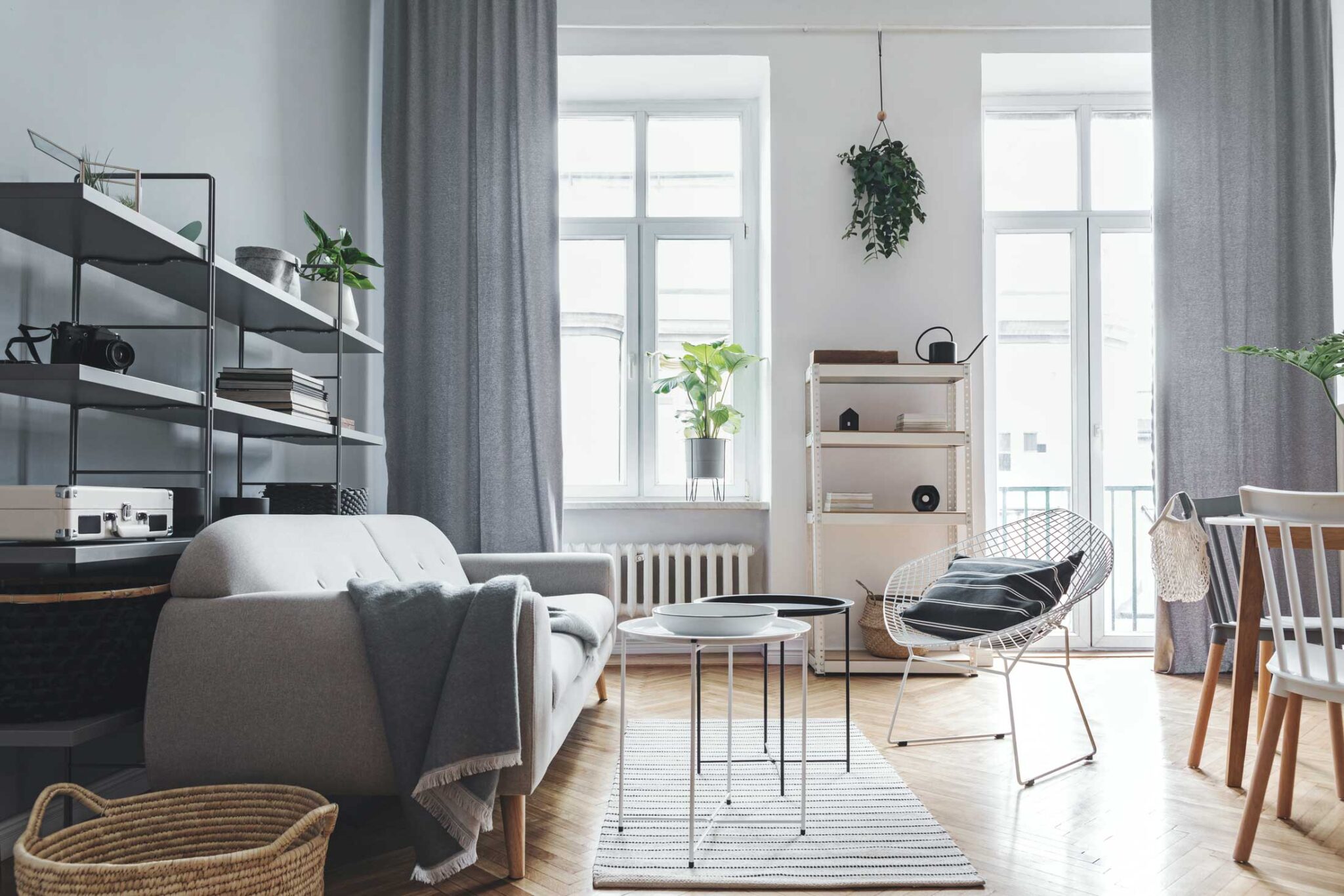
Owning rental property can be a powerful wealth-building strategy, but only if your units stay occupied. In this competitive market, renters have a lot of options to choose from. They’re scrolling listings, comparing amenities, and walking into showings with high expectations.
That means your property has to do more than exist in a good location. You have to make the changes that help it stand out. Whether you manage a growing portfolio or you just closed on your first duplex, your decision directly influences vacancy rates, rental income, and long-term maintenance costs. The most successful property owners understand that creating a desirable rental space is about strategic appeal, not taste.
Here are some practical, high-impact ways to design rental spaces that draw interest quickly and keep tenants renewing year after year.
Win Them Over Before They Come Inside
First impressions form fast. Prospective renters often decide how they feel about a property within minutes of arrival, and that emotional response matters.
Start with Exterior Appeal
A tidy lawn, trimmed hedges, fresh mulch, and clean walkways signal that a property is well cared for. Even small upgrades like updated house numbers, modern exterior lighting, or a freshly painted front door can elevate perceived value.
If your rental is part of a multi-unit property, ensure shared spaces feel safe and inviting. Clean entryways, adequate lighting, and maintained hallways reinforce professionalism and care.
Make the Entry Bright and Welcoming
Natural light is a major selling point. Open the blinds, replace dim bulbs with brighter LED lighting, and make sure windows are spotless before showings. A space that feels airy and clean will always outperform one that feels dark or cluttered.
Design for the Masses, Not Yourself
One of the most common mistakes landlords make is designing for their own preferences. The key to maximizing appeal is creating a neutral, adaptable foundation.
Stick to a Neutral Color Palette
Soft whites, warm grays, beige, and muted taupe tones consistently perform well in rental units. These shades:
- Make rooms feel larger
- Reflect more light
- Allow renters to envision their own décor
Neutral doesn’t have to be bland. Add warmth with texture like woven rugs, simple curtain panels, or subtle wood accents. These touches make the space feel lived-in without overwhelming potential tenants.
Choose Timeless Finishes
Trendy finishes may look appealing today but can feel dated in just a few years. Instead, lean into classic hardware and materials:
- Matte black or brushed nickel fixtures
- Simple shaker-style cabinetry
- Clean, durable countertops
- Minimalist lighting designs
These selections age well and appeal to a broader audience. They also reduce the need for frequent cosmetic updates between tenants.
Highlight Unique Architectural Features
If your property includes original hardwood floors, exposed brick, crown molding, or vintage tile, make those features shine. These elements differentiate your rental from generic units and add character – which may even justify premium pricing.
Instead of covering up the charm, restore and emphasize it. Tenants often gravitate toward spaces with unique personalities.
Invest in Durability to Protect Your ROI
A visually appealing rental means little if it deteriorates quickly. Smart property managers prioritize materials that withstand heavy use without sacrificing style.
Choose Resilient Flooring
High-traffic areas need durability as much as style. Consider luxury vinyl plank (LVP), porcelain or ceramic tile, or quality laminate flooring. These options resist scratches, moisture, and daily wear better than traditional hardwood or carpet. They’re also easier to clean and maintain, especially in properties that allow pets or families with children.
If you do choose carpet, try to limit it to bedrooms. They receive less foot traffic and benefit from the cozier touch, but you may want to replace any existing carpet with stain-resistant varieties.
Upgrade Kitchens and Bathrooms Strategically
Kitchens and bathrooms play a big part in rental decisions. They don’t need to be entirely premium, but they should feel clean and modern.
- Low-cost, high-impact improvements include:
- Replacing cabinet hardware
- Installing soft-close hinges
- Updating faucets and showerheads
- Adding modern light fixtures
If cabinetry is structurally sound but outdated, refinishing or painting can dramatically improve appearance at a fraction of full replacement costs. In addition, durable countertops, sealed grout lines, and moisture-resistant materials reduce long-term maintenance headaches.
Make the Space Work for Modern Living
Today’s renters value functionality as much as aesthetics. Design choices should be ideal for everyday use.
Maximize Storage
Storage consistently ranks among renters’ top priorities, especially in apartments or smaller homes.
Consider:
- Installing closet organizers
- Adding shelving in laundry rooms or garages
- Incorporating pantry cabinets
- Utilizing vertical wall space
Small changes like built-in shelves can transform a cramped space into something practical and organized. The more storage you can offer, the more “livable” your unit feels to prospective renters.
Offer Flexible Layouts
Remote and hybrid work has permanently changed renter expectations. Flexible space is a necessity for many, rather than a “nice-to-have” bonus.
Try to make your space modular with:
- Small office nooks
- Multi-use spare bedrooms
- Well-lit corners suitable for desks
Open-concept layouts are popular because they allow tenants to configure furniture creatively, but even subtle adjustments like widening a doorway or removing non-structural partitions can modernize flow and increase appeal.
Add Amenities That Increase Perceived Value
Strategic amenities help justify higher rent and attract long-term tenants.
In-Unit Convenience
Features that consistently boost desirability include:
- Washer and dryer
- Dishwasher
- Updated air conditioning
- Energy-efficient appliances
Smart Home Upgrades
Modern renters appreciate technology that makes life more convenient and comfortable, including:
- Smart thermostats
- Keyless entry systems
- Video doorbells
- High-speed internet access
Consider Pet-Friendly Policies
A large portion of renters have pets and many struggle to find accommodating properties. If you choose to allow pets, consider:
- Installing scratch-resistant flooring
- Using washable paint finishes
- Ensuring outdoor spaces are secure
Balance Aesthetics, Function, and Profitability
Creating a rental space that consistently attracts tenants requires a lot more than cosmetic upgrades. All of your remodeling decisions need to be rooted in neutrality, durability, and functionality, but also with a touch of style that appeals to a wide variety of potential renters. For security upgrades that double as design statements, our guide to integrating smart locks into contemporary home design is a natural companion.
Contributed by Rebecca Denis

Rebecca Denis
Rebecca Denis is the Head of Interior Design at Revive Real Estate and an accomplished interior designer with over a decade of experience creating inspired, functional spaces. Known for her refined aesthetic and meticulous attention to detail, Rebecca brings creativity and strategy together to transform everyday interiors into meaningful experiences. She’s built a reputation for turning ideas into inspiring spaces that balance beauty, comfort, and function. Rebecca’s diverse portfolio includes commercial projects, curated show homes, and bespoke custom interiors—each reflecting her belief that thoughtful design can elevate how people live, work, and feel in a space.








 Blankets and Throws
 Home Accessories
 Furniture
 Rugs
Rugs Cushions
 Kitchen
 Cutlery and Dinnerware
 Drinkware
 Table Mats and Coasters
 Dining Accessories
 Tablecloths and Napkins
 Decorative Items
 Vases and Planters
 Wall Decor
 Bathroom Accessories
 Bathroom Storage
 Bath and Shower Mats
 Towels