FREE WORLDWIDE TRACKED SHIPPING
Design Updates That Help Homes Feel Market-Ready
 By Alex Carter
Practical design updates that help a home feel clean, maintained, easy to photograph, and ready for buyers without unnecessary pre-sale renovation.
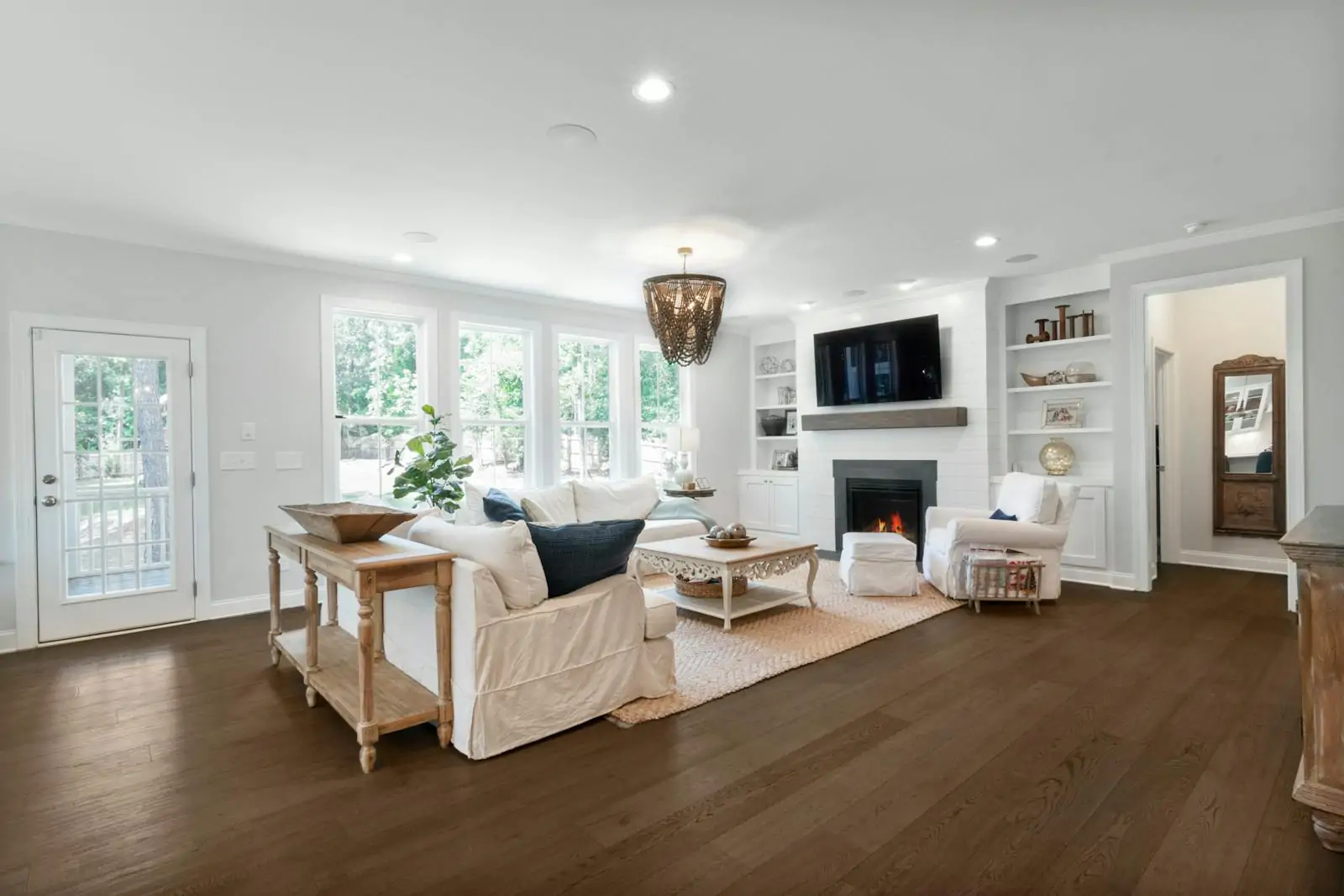
A bright, neutral living room helps buyers imagine the home at its best.
A market-ready home does not need to look brand new. It needs to feel clean, functional, well cared for, and easy for buyers to imagine living in. Good design updates remove distractions and highlight the property’s strongest features.
Before spending money on renovations, homeowners should focus on updates that improve first impressions, room flow, lighting, cleanliness, and perceived maintenance.
The best pre-sale design choices are practical. They make the home easier to show, easier to photograph, and easier for buyers to understand.
Start With the Buyer’s First Impression
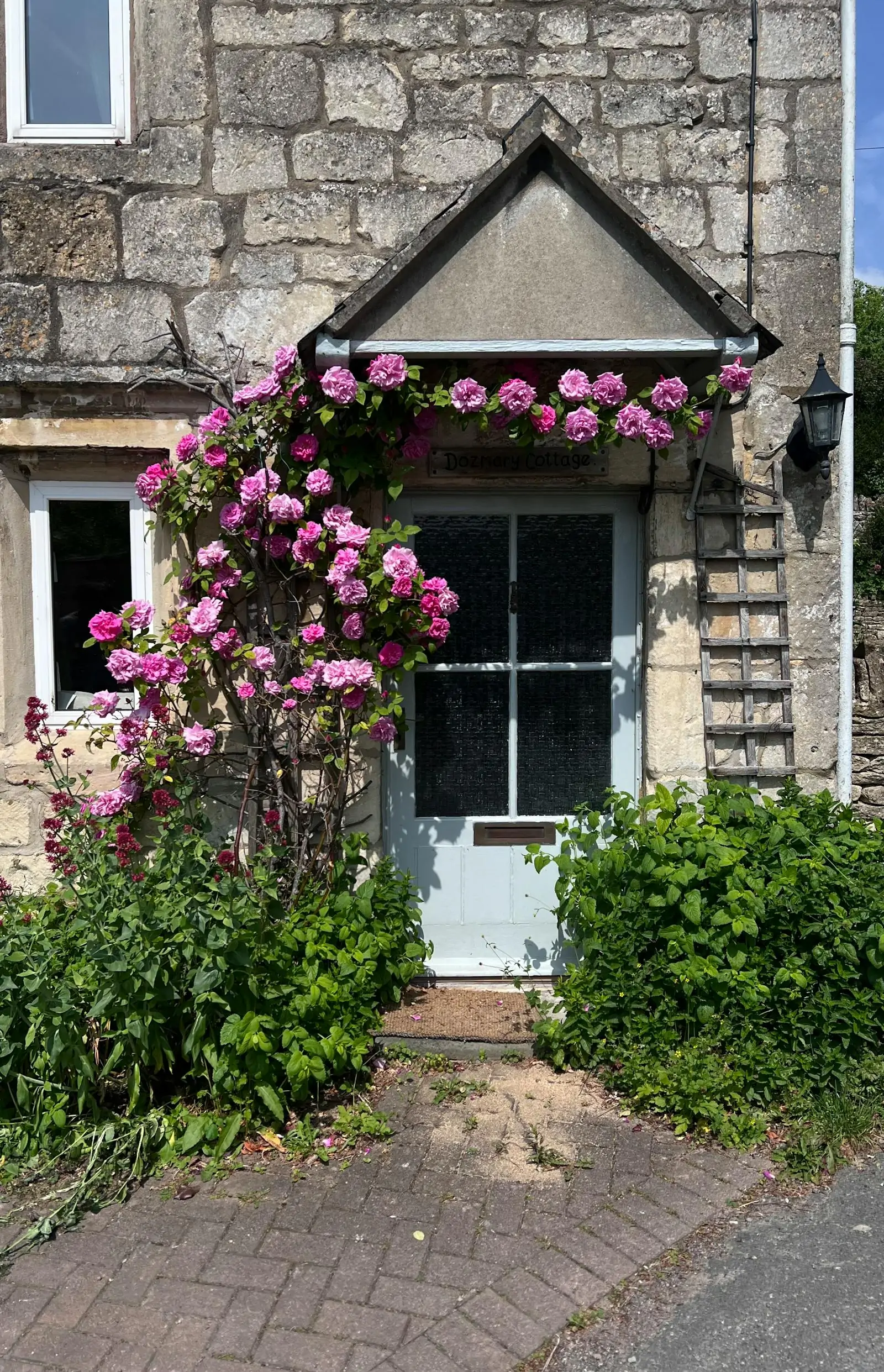
Buyers begin forming an opinion before they walk inside. The front door, landscaping, porch, driveway, exterior paint, lighting, and entryway all affect the first impression.
A home does not need expensive curb appeal upgrades to feel inviting. It needs to look maintained.
Trim overgrown shrubs. Remove weeds. Clean walkways. Replace damaged house numbers. Wash the front door. Add a simple doormat and working exterior light.
If the exterior looks neglected, buyers may expect problems inside.
Know When Updates Are Worth It
Not every seller should renovate before listing. Some homes need only minor design updates, while others may have repair or condition issues that make a traditional sale more difficult.
The decision depends on timeline, budget, market demand, and property condition.
Some sellers also compare traditional listing preparation with direct-sale options when timing matters more than cosmetic updates. For example, homeowners looking into we buy houses Tulsa services may be weighing whether to sell as-is instead of spending weeks on repairs, staging, and showings.
For sellers preparing for the open market, updates should be selective and cost-aware.
Use Neutral Paint Strategically
Paint is one of the most effective design updates because it changes how buyers read the space. Fresh walls make a home feel cleaner, brighter, and better maintained.
Neutral colors work because they reduce visual friction. Soft white, warm gray, beige, greige, and muted taupe can make rooms feel more flexible.
Avoid strong accent walls unless they support the home’s style. Bold colors may appeal to one buyer but distract another.
Focus on high-impact areas first: entryways, living rooms, kitchens, hallways, and primary bedrooms.
Improve Lighting Throughout the Home
Lighting can make a room feel larger, cleaner, and more usable. Poor lighting makes even updated rooms feel dated.
Start by replacing burned-out bulbs. Use consistent color temperature throughout the home so rooms do not feel mismatched.
Open curtains and blinds before showings. Clean windows to improve natural light. Add lamps in dark corners, bedrooms, and living areas.
Lighting Updates to Consider
Simple lighting improvements include:
- Replacing outdated fixtures
- Adding under-cabinet kitchen lighting
- Using brighter bulbs in hallways
- Adding bedside lamps
- Cleaning glass shades
- Installing exterior entry lighting
- Using floor lamps in dark rooms
Lighting should support the room’s function without creating glare.
Declutter Before Styling
Design updates will not work if the home is crowded. Buyers need to see room size, storage, layout, and traffic flow.
Start by removing excess furniture, unused decor, personal collections, countertop clutter, and overfilled storage areas.
Closets, cabinets, and garages should also be organized. Buyers often check storage, and packed spaces can make the home feel smaller.
Decluttering is not the same as emptying the home. Keep enough furniture to define each room clearly.
Refresh Kitchens Without Full Remodeling
Kitchens influence buyer perception, but full remodels are not always practical before selling. Smaller updates can make the space feel cleaner and more current.
Clean appliances, polish fixtures, remove countertop clutter, and replace worn cabinet hardware. If cabinets are in good condition but look tired, painting may help.
Replace stained caulk around sinks and backsplashes. Repair loose hinges or sticky drawers.
A buyer should see a functional kitchen, not a list of small jobs.
Make Bathrooms Feel Clean and Well Maintained
Bathrooms do not need luxury finishes to feel market-ready. They need to look fresh, bright, and hygienic.
Re-caulk tubs, showers, and sinks. Clean grout. Replace stained shower curtains. Remove old bath mats and excess products.
If the vanity is dated, consider new hardware, a simple mirror, or updated lighting. Small changes can make the room feel less worn.
Bathroom Updates That Help
Useful updates include:
- Fresh caulk
- Clean grout
- New towels for showings
- Updated mirror
- Simple vanity light
- Clear countertops
- Working fan
- Clean shower glass
Avoid over-decorating. Bathrooms should feel simple and clean.
Define Each Room’s Purpose
Buyers should not have to guess what a room is for. Undefined spaces can make a home feel confusing.
If a room has become a storage area, convert it back into a clear function. A spare room can become a guest bedroom, office, reading space, or small workout area.
Open-plan spaces also need definition. Use rugs, furniture placement, lighting, and art to show where dining, living, and work zones begin and end.
Clear purpose helps buyers understand how the home supports daily life.
Update Flooring Where It Matters
Flooring has a major effect on perceived condition. Worn carpet, scratched floors, cracked tiles, or stained rugs can make buyers question maintenance.
If replacement is not realistic, focus on cleaning and repair. Steam clean carpets. Polish hardwood where appropriate. Replace damaged transition strips. Remove loose rugs that create trip hazards.
If one room has badly worn carpet, replacing it may be worth the cost.
Flooring should feel clean, safe, and consistent.
Keep Styling Simple
Staging should guide attention, not distract from the property. Use simple decor, clean lines, and limited color.
Add texture through pillows, throws, plants, and neutral art. Avoid overly personal photos, religious items, political decor, or niche collections.
The goal is to create warmth without making the home feel like someone else’s private space.
Final Thoughts
Design updates help homes feel market-ready when they improve clarity, cleanliness, light, flow, and buyer confidence.
Homeowners do not need to renovate every room. They should focus on the changes that reduce objections and improve first impressions.
Fresh paint, better lighting, decluttering, kitchen touch-ups, clean bathrooms, defined spaces, and simple styling can make a home feel easier to buy.
A market-ready home gives buyers fewer reasons to hesitate and more reasons to picture themselves moving in.











 Blankets and Throws
 Home Accessories
 Furniture
 Rugs
Rugs Cushions
 Kitchen
 Cutlery and Dinnerware
 Drinkware
 Table Mats and Coasters
 Dining Accessories
 Tablecloths and Napkins
 Decorative Items
 Vases and Planters
 Wall Decor
 Bathroom Accessories
 Bathroom Storage
 Bath and Shower Mats
 Towels