FREE WORLDWIDE TRACKED SHIPPING
Best Japandi Furniture Finds Under $500
 By Laura Jones
Japandi furniture does not have to be expensive — here are the best affordable pieces that capture the look without breaking the bank.
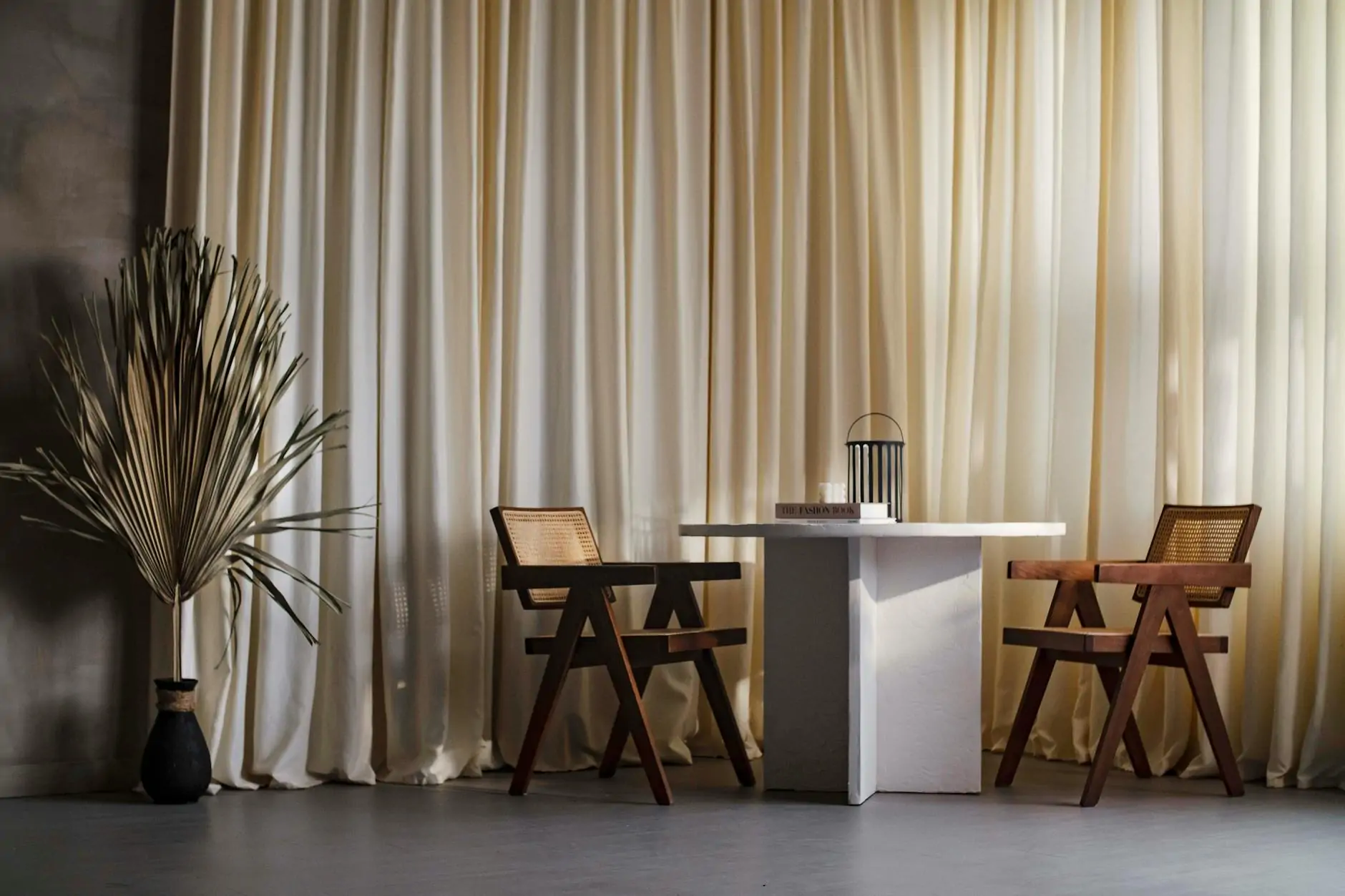
Japandi furniture done right: low oak silhouettes, linen seats, soft black wood.
Japandi furniture is the part of the style most people overthink. The look is quiet, the materials are humble, and the silhouettes are simple — which means you do not have to spend ten thousand dollars to get a room right. Plenty of the best Japandi pieces sit comfortably under five hundred dollars, especially if you know what to look for and which trades to make.
What Makes Furniture “Japandi”
Japandi furniture sits low, breathes, and uses real materials. The two parent styles agree on most of it: Japanese furniture asks pieces to be honest about their material, and Scandinavian design asks them to be useful before they are decorative. Combined, that gives you a short list of cues to look for.
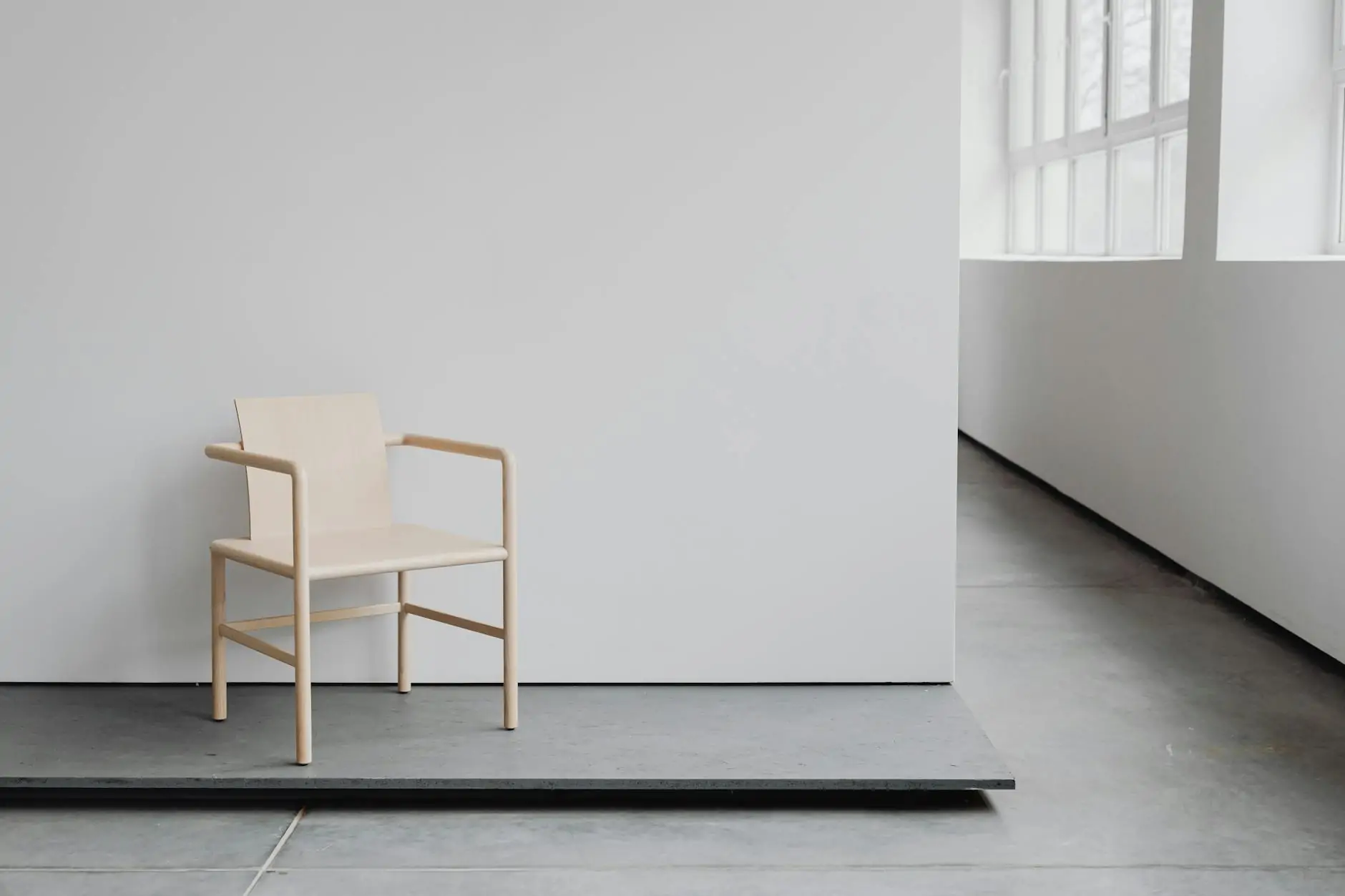
- Low profile. Sofas, beds, and seating sit closer to the floor than typical American furniture.
- Solid wood, not veneer. Pale oak, ash, and beech dominate; walnut and dark stain show up as accents.
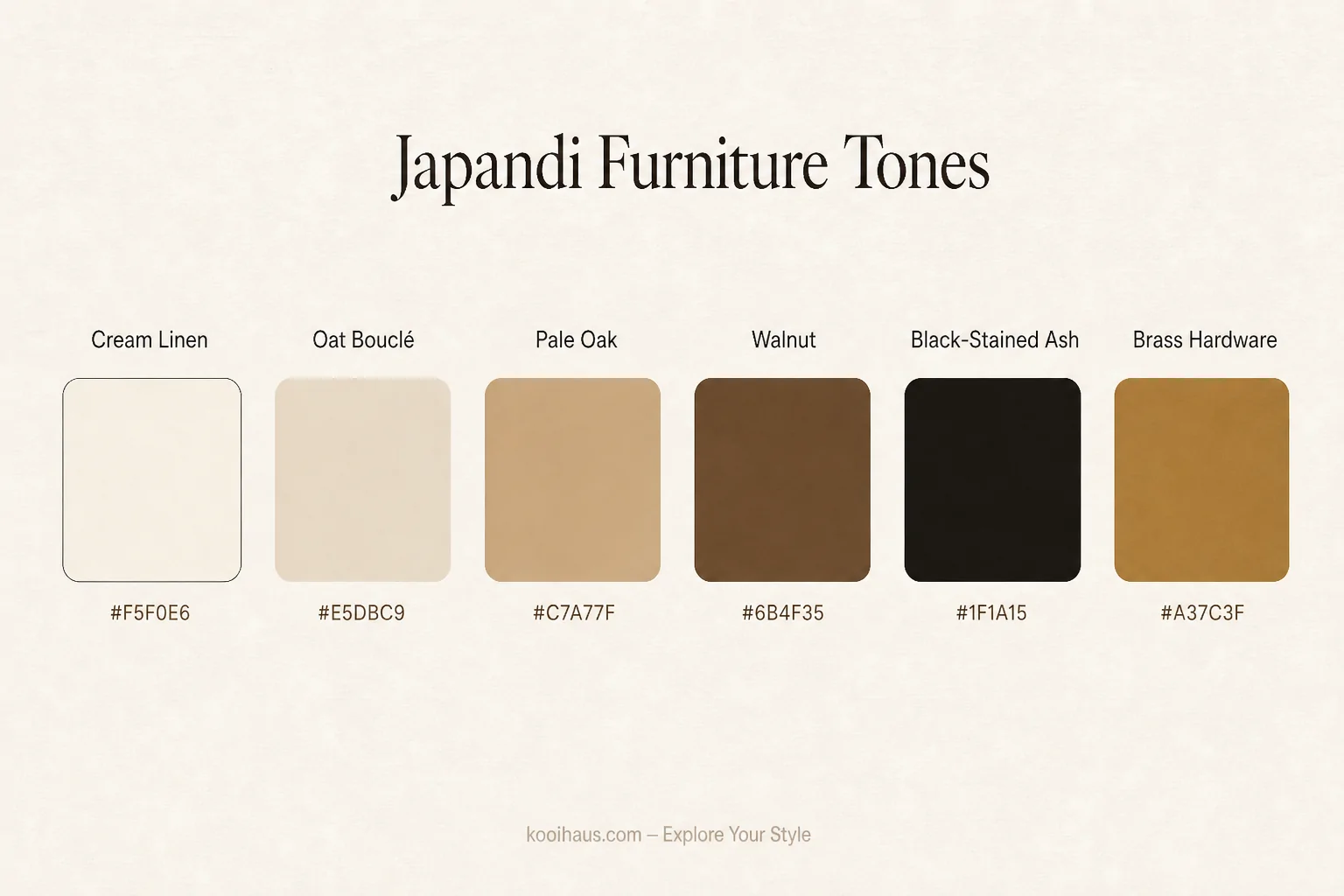
- Linen, cotton, or bouclé upholstery. Synthetic-feel fabrics in shiny finishes do not belong here.
- Rounded edges, simple lines. No ornate carvings, no aggressive industrial shapes.
- A touch of soft black. One black-stained piece per room balances the warmth.
If a piece checks four of these five boxes, it will work in a Japandi room. If it checks two, it probably will not, no matter how good the marketing photo looks.
Sofas: The Anchor of a Japandi Living Room
The sofa is the hardest Japandi piece to buy under $500, because real linen and bouclé sofas usually start higher. The trick is to look at the upholstered armless or low-back chairs, modular pieces, and small two-seat sofas from major retailers. Article, IKEA, and Castlery all currently make low-profile linen-look sofas that read Japandi at a fraction of designer prices.
If you find a frame you love but the fabric is wrong, slipcovering with a heavy oat or stone-colored linen blend is one of the most underused tricks in budget Japandi styling. A custom slipcover from a maker on Etsy often runs $200–$400 — sometimes cheaper than buying a new sofa entirely.
Dining Tables That Carry the Whole Room
If there is one piece worth flexing your budget on, it is the dining table. A solid oak or ash table with tapered legs and a clean edge sets the tone for an entire dining room. Plenty of options exist around $400–$500: IKEA’s Möckelby and Skogsta lines, Article’s Madera, and several pieces from Crate & Barrel’s Outlet rotate in and out of that price range.
Two non-negotiables: the top should be solid or thick-veneered hardwood (not laminate over MDF), and the legs should be unfussy. A round or rectangular table with four straight legs almost always reads Japandi; trestle bases and chunky pedestals usually do not.
Chairs: Where Affordable Japandi Wins
Spindle chairs, Windsor chairs, and simple wood-framed accent chairs are the easiest place to add real Japandi character on a small budget. Many retailers have black-stained spindle chairs in the $80–$150 range — Target’s own brand, Wayfair, and Cb2 outlet are good places to start. A pair of these around a table or one in a corner does more for a Japandi room than almost any other purchase.
For dining seating, look for solid wood Windsor or fan-back chairs with a slight curve to the seat. Avoid plastic shell chairs and tufted upholstered seats — both pull the room out of Japandi territory immediately.
Beds and Bedroom Pieces
A platform bed in pale wood or matte black metal is the heart of a Japandi bedroom, and it is one of the categories where prices have dropped quickly in the last two years. Zinus and Mellow both make low-profile wood platform beds in the $200–$400 range that are surprisingly close to designer silhouettes once dressed in linen bedding.
If you cannot stretch to the bed itself, a single low pale-wood nightstand on each side will quietly sell the look. Two simple cube-style nightstands in solid pine or oak run about $100–$150 each. Avoid anything with chrome legs or glossy finishes.
Storage and Shelving
Japandi storage is mostly invisible. The look avoids the open-shelving overload that took over Instagram a few years ago; instead, a simple closed sideboard, a single open ladder shelf, or a low cabinet does the work. IKEA’s Bestå line, especially in walnut effect or oak, can look genuinely Japandi when paired with the right hardware (matte black or aged brass pulls instead of the included plastic ones).
For open shelves, two narrow vertical units in pale wood beat one wide horizontal one almost every time. They give the eye breathing room and let you display fewer objects more deliberately.
Lighting Without Spending a Fortune
A Japandi room can be made or broken by its lighting, and lighting is one of the easier categories to nail under $200. The two pieces that matter most are the floor lamp and the dining pendant. For floor lamps, a slim black metal arc lamp with a linen or paper shade is endlessly versatile and usually runs $80–$150. For pendants, a single rice paper or linen drum pendant costs $40–$120 and adds more character than most $400 brass fixtures.
Skip recessed lighting as your only solution. The Japandi look is built on visible, sculptural light sources, not spotlights from above.
Rugs: Texture Over Pattern
The right rug pulls a Japandi room together quickly. Look for natural-fiber jute, sisal, or low-pile wool in oat, cream, or warm gray. Heavy patterns, fringe, and bright colors fight the rest of the style. IKEA, Loloi, and Ruggable currently make Japandi-friendly rugs starting around $100–$300 in 5’×7′ and 6’×9′ sizes (about 152×213 cm and 183×274 cm). For a larger 8’×10′ (244×305 cm), expect to spend closer to $400–$500 for a quality natural-fiber pick.
Accent Pieces and Styling Objects
The styling objects matter more than they get credit for. A single chunky ceramic vase, a wooden bowl, a stack of monochrome books, and one piece of dried foliage can transform a coffee table from generic to Japandi for under $80 total. Etsy is a goldmine for handmade ceramics in the $20–$60 range, and even big-box stores like Target and HomeGoods rotate quietly excellent matte ceramic pieces every season.
Resist the urge to buy a styling kit all at once. The most beautiful Japandi rooms are styled over months, with each piece bought because the room actually needed it.
Frequently Asked Questions
What furniture stores sell affordable Japandi furniture in the US?
IKEA, Article, Castlery, West Elm Outlet, Cb2 Outlet, and Target’s Studio McGee and Hearth & Hand lines are the most consistent sources. Wayfair and Amazon both carry the look but require more careful filtering for material quality.
Is IKEA furniture good enough for a Japandi room?
Yes — selectively. Pieces in solid pine, oak, or beech with simple silhouettes (Möckelby, Lisabo, Skogsta, Mainnsig, Idanäs) read Japandi well. Glossy lacquer pieces and the more decorative collections do not.
What is the most important Japandi piece to spend on?
Either the sofa or the dining table, depending on which room you live in most. Both are anchors that the rest of the room is styled around, so quality matters here more than anywhere else.
Can I mix Japandi furniture with what I already own?
Often, yes. Mid-century modern pieces, simple Shaker furniture, and clean-lined contemporary upholstery all blend with Japandi. Heavy traditional, glossy modern, and farmhouse-style pieces usually do not.
How long does it take to build out a Japandi room on a budget?
Realistically, six to twelve months. Buying slowly is part of the look; rooms styled all in one weekend almost always end up feeling like a showroom rather than a home.
Japandi furniture is one of the friendliest categories for budget shoppers because the style rewards simplicity. A solid wood table, a black-stained chair, a linen-covered sofa, and a few well-chosen ceramics will outperform a much more expensive room full of trendy pieces. Buy slowly, choose real materials, and let the spaces between things do as much work as the things themselves.
Take the Quiz
Not sure if Japandi furniture is really your thing? Take our Interior Style Quiz and find out which style — and which pieces — fit the way you actually live.
KŌŌI / KŌŌI Magazine / Living Room Decor Ideas / Japandi Decor Ideas /











 Blankets and Throws
 Home Accessories
 Furniture
 Rugs
Rugs Cushions
 Kitchen
 Cutlery and Dinnerware
 Drinkware
 Table Mats and Coasters
 Dining Accessories
 Tablecloths and Napkins
 Decorative Items
 Vases and Planters
 Wall Decor
 Bathroom Accessories
 Bathroom Storage
 Bath and Shower Mats
 Towels