FREE WORLDWIDE TRACKED SHIPPING
Design Your Home’s First Line of Defense: Preventing Pest Problems Before They Start
 By Alex Carter
Practical ways to prevent millipedes and other moisture-loving pests by sealing gaps, managing humidity, and maintaining the landscape around your home

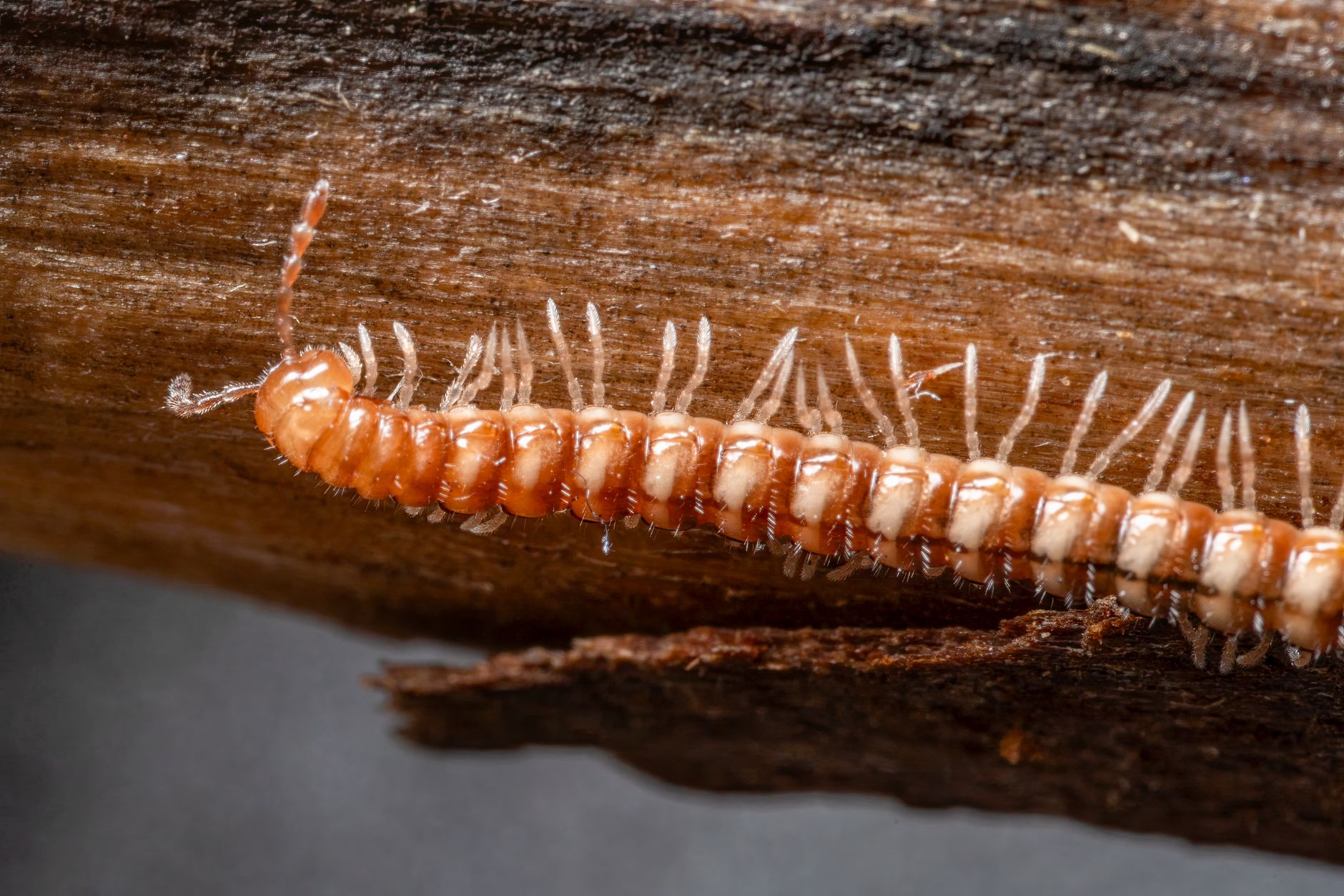
Photo by Max Vakhtbovych on Pexels.
At Kōōihaus, we spend a lot of time thinking about how a home feels, the way light falls across a living room, the textures that make a bedroom calm, the small decisions that turn a house into a sanctuary. But a truly considered home is also a well-protected one. Anyone who has curated a serene reading nook or styled a bathroom into a wellness retreat knows the quiet frustration of discovering unwanted guests crawling along the baseboards. Pest prevention is not the most glamorous topic we cover, but it belongs in the same conversation as good design, because a home cannot feel peaceful if you are constantly on alert for what might be hiding in the closet or under the sink.
This is especially true for readers dealing with humid climates, where moisture-loving pests like millipedes thrive. These creatures are not dangerous, but they are unsettling, and they tend to show up in large numbers right when you least expect it. The good news is that prevention is far easier, and far less disruptive to your carefully designed spaces, than remediation after an infestation has already taken hold.
Understand Your Home’s Vulnerabilities
Millipedes are drawn indoors by moisture, not by food, which makes them different from many other household pests. They thrive in damp mulch, leaf litter, and soil, and they wander into homes when outdoor conditions become too wet or too dry for their liking. Common entry points include gaps under doors, unsealed foundation cracks, vents, and utility penetrations where pipes or wires enter the structure. Homeowners often overlook these small openings because they seem insignificant, but a millipede only needs a fraction of an inch to slip through.
Understanding where your home is vulnerable starts with a walk around the perimeter, paying close attention to areas where soil meets siding, where gutters discharge water near the foundation, and where landscaping beds sit close to exterior walls. For homeowners in South Florida, this kind of assessment is particularly important given the region’s humidity and seasonal rains. If you want a deeper dive into the species itself, a guide to millipedes for West Palm Beach homeowners offers a helpful overview of behavior patterns and seasonal activity that can inform how you approach prevention around your own property.
Establish Year-Round Prevention Routines
Prevention is not a one-time task; it is a rhythm that follows the seasons. Millipede activity often increases after heavy rain or during shifts between wet and dry weather, so small proactive steps taken before those periods can meaningfully reduce the population that shows up at your door. Checking weatherstripping, clearing gutters, and reducing standing water around the yard are simple habits that pay off disproportionately when timed correctly.
Interestingly, millipedes that do make it indoors rarely survive long in a dry home environment, often lasting no more than a few days without access to moisture. This means that maintaining low humidity indoors, running dehumidifiers in damp areas like basements, and fixing leaky pipes promptly can make your home inhospitable even to the pests that slip past your exterior defenses. Building these habits into a seasonal maintenance calendar, alongside routine tasks like changing air filters or rotating furniture for even wear, keeps prevention from feeling like an afterthought and turns it into part of your regular home care routine.
Seal the Perimeter
Physical exclusion remains the most reliable defense against millipedes and many other crawling pests. This means inspecting and sealing foundation cracks, installing door sweeps, and repairing torn window screens before problems start rather than after you spot the first few intruders on the kitchen floor. According to the Alabama Cooperative Extension System, non-chemical exclusion is the best first line of defense against millipedes, and the key is reducing moist breeding sites in and around structures while preventing access through routine maintenance and habitat management.
This approach mirrors good design philosophy in a way, since thoughtful exclusion work is often invisible once completed. A well-sealed home does not announce itself; it simply functions quietly in the background, much like a well-placed light fixture or a piece of furniture that fits a room so naturally you forget it was ever chosen deliberately. If you are already investing in thoughtful upgrades for home decor, it makes sense to extend that same intentionality to the unseen structural details that keep pests from disrupting the spaces you have worked hard to style.
Maintain Your Landscape
Outdoor habitat management is where prevention truly begins, long before a millipede ever reaches your exterior walls. Mulch beds pressed directly against siding, dense ground cover, and piles of leaf litter all create ideal breeding conditions. Pulling mulch back a few inches from the foundation, trimming vegetation so it does not touch the house, and clearing organic debris regularly can dramatically reduce the population living near your home’s perimeter.

When prevention habits fail or a home already has an established millipede presence, remediation becomes necessary, though it should be viewed as a secondary step rather than a primary strategy. Targeted treatments and professional inspections can address existing populations, but they work best when paired with the exclusion and habitat management practices already discussed. Homeowners who wait until an infestation is visible often find themselves repeating treatments season after season, simply because the underlying moisture and entry point issues were never resolved.
Ultimately, a home’s first line of defense is not a product or a treatment; it is a set of habits practiced consistently throughout the year. Sealing gaps, managing moisture, and maintaining the landscape close to your foundation will do more to keep millipedes and similar pests away than any reactive fix ever could. Just as a well-designed room reflects ongoing care rather than a single decorating decision, a pest-resistant home reflects the small, consistent choices homeowners make long before a problem ever has the chance to start.











 Blankets and Throws
 Home Accessories
 Furniture
 Rugs
Rugs Cushions
 Kitchen
 Cutlery and Dinnerware
 Drinkware
 Table Mats and Coasters
 Dining Accessories
 Tablecloths and Napkins
 Decorative Items
 Vases and Planters
 Wall Decor
 Bathroom Accessories
 Bathroom Storage
 Bath and Shower Mats
 Towels