FREE WORLDWIDE TRACKED SHIPPING
How to Reduce Dust at Home and Improve Indoor Air Quality
 By Laura Jones
A practical routine for cutting household dust, from source control and damp cleaning to smarter vacuuming, bedding care and filtration

Photo by Lisa Anna on Pexels
Why Household Dust Deserves Attention
Household dust is more than just a cosmetic nuisance. It's a mix of pet dander, pollen, mold spores, dust-mite matter, and a variety of other particles that settle on surfaces and sometimes become airborne again. How a home is cleaned, ventilated, and kept dry all shape indoor air quality over time. A solid cleaning routine typically pairs a vacuum for floors and upholstery with damp dusting and moisture control, since no single method handles every source of dust on its own. No home can be made completely dust-free, but consistent source control and thoughtful cleaning habits can meaningfully cut down on accumulation. This article walks through which cleaning methods tend to work, where dust commonly collects, and what results are realistic to expect.
What Household Dust Contains and Why It Builds Up
Put simply, household dust is a mixture of organic and inorganic particles that settle out of the air. Common ingredients include skin flakes, textile fibers, pollen and other outdoor particles, pet dander, dust-mite waste, and mold spores. People, pets, open windows, HVAC systems, fabrics, and everyday foot traffic all introduce or stir up these particles throughout a home. The dust you notice on a shelf is only part of the story—finer particulate matter can stay suspended in the air or settle into carpets, upholstered furniture, bedding, blinds, and baseboards, particularly in cluttered spaces. It helps to think of this as two separate tasks: removing dust that's already settled, and dealing with the ongoing sources that keep generating or carrying particles into living spaces.
Start With Source Control, Not Just Surface Cleaning
Source control often matters more than repeated surface cleaning. Doormats and a shoes-off policy at the entrance can cut down on outdoor debris tracked indoors, and laundering washable entry mats regularly keeps accumulated particles from spreading further into the home. During high-pollen stretches, keeping windows and doors closed when practical also helps. Routine pet grooming and cleaning of pet areas can reduce dander buildup, though shedding generally can't be eliminated altogether.
Moisture control matters just as much. Excess dampness encourages mold growth and creates conditions that favor dust mites. Repairing leaks, drying damp areas promptly, and improving ventilation in kitchens and bathrooms are all practical steps worth taking. A humidity monitor can be useful in homes where dampness is a recurring issue. Visible mold or persistent moisture problems usually call for a professional assessment rather than more routine dusting.
Use Cleaning Methods That Capture Dust
Cleaning from higher surfaces downward lets dislodged particles be dealt with later instead of resettling onto areas you've already cleaned. A damp microfiber cloth or damp mop generally picks up settled dust far more effectively than dry dusting, which tends to kick particles into the air rather than remove them. A practical sequence looks like this: declutter surfaces, dust shelves and fixtures, clean floors afterward, and launder any reusable cleaning materials. Sweeping and aggressive dry dusting, by contrast, can stir particles upward and temporarily raise airborne dust levels.
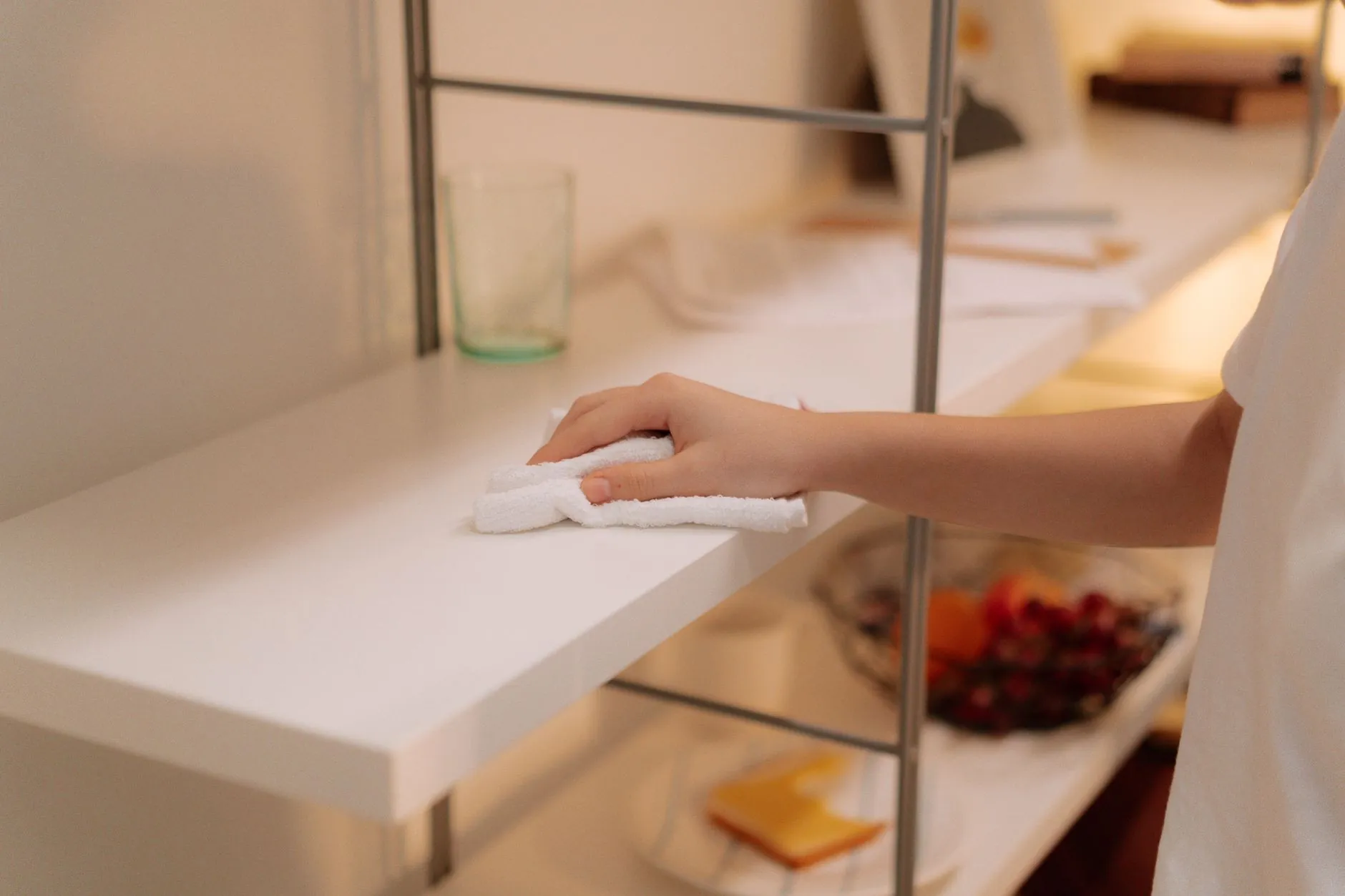
Key takeaway: Capture dust rather than simply moving it around.
Vacuuming Floors and Upholstery More Effectively
Vacuuming is one piece of a complete cleaning system, not a cure-all. Areas that typically need regular attention include carpets and rugs, upholstered furniture, stairs, mattress surfaces, and the edges, corners, and spaces beneath furniture. Routine vacuuming clears away surface dust and debris but won't eliminate every allergen or dust mite lodged in fabric and carpet fibers. Sealed systems and effective filtration can improve results, and following the manufacturer's instructions for filter maintenance and bin or bag emptying helps the equipment work as intended. Emptying a bin or swapping a bag can release particles back into the air, so this step is worth doing carefully.
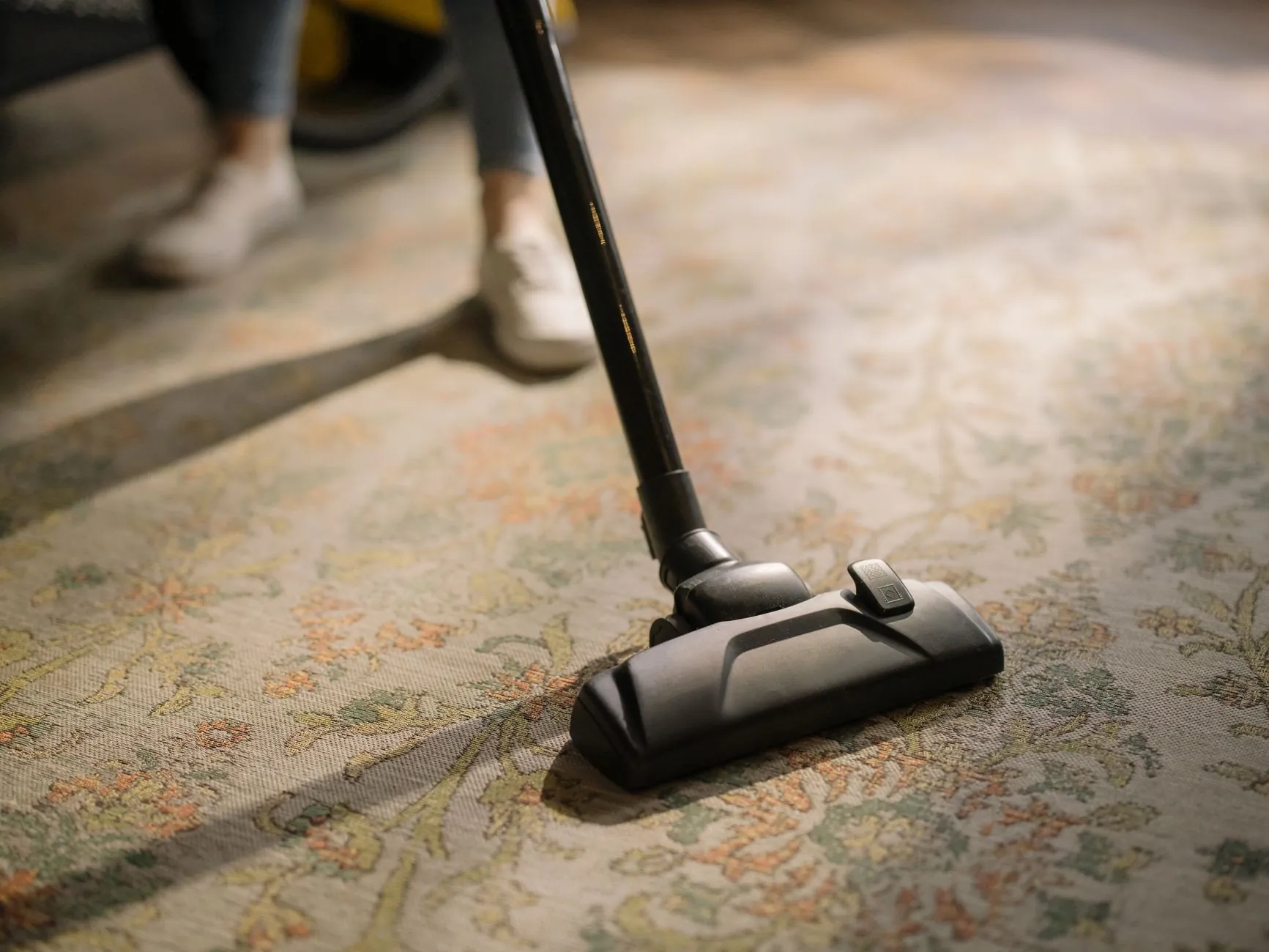
Consider two household scenarios: a home with wall-to-wall carpeting generally benefits from more frequent vacuuming and closer attention to carpet depth, while a home with mostly hard flooring may lean more on damp mopping alongside lighter, more frequent vacuuming to manage fine debris in corners and along baseboards.
Focus on Dust Traps Often Overlooked
Mattresses, pillows, curtains, cushions, and stuffed toys can quietly collect dust and allergens over time. Washing bedding regularly according to care labels is one of the more effective habits for cutting down dust-mite exposure. Allergen-resistant covers may help some people with dust-mite sensitivities, though they're a supplement to regular cleaning, not a replacement for it. Curtains and washable covers should be laundered periodically as well.
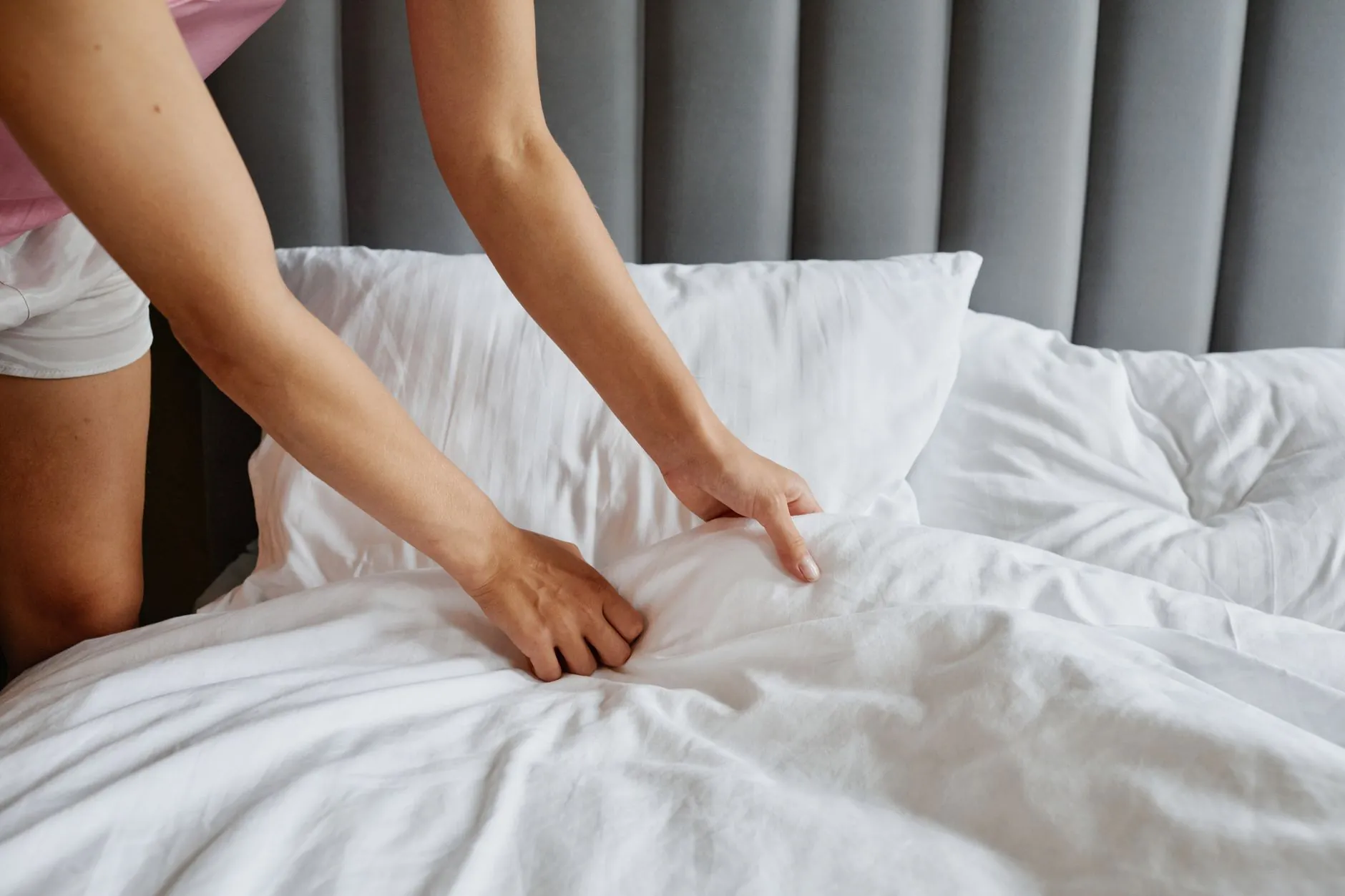
Beyond bedding, certain high-dust zones are easy to forget about: baseboards, ceiling-fan blades, vents, window tracks, blinds, bookshelves, and the areas behind furniture. Rather than trying to clean an entire home in one marathon session, rotating these spots into a periodic schedule tends to be far more sustainable.
Improve Airflow and Filtration Without Overpromising
HVAC filters help capture airborne particles, and choosing a filter compatible with the system—then replacing it as recommended—keeps performance steady. Keeping supply and return vents unobstructed allows air to circulate properly. Air cleaners and filtration can complement source control, but they can't compensate for mold, leaks, pest issues, or poor ventilation. When airflow or filter compatibility is unclear, checking the manufacturer's guidance or consulting a qualified HVAC professional is a reasonable next step.
Build a Sustainable Cleaning Routine
A routine organized by frequency is usually easier to stick with than an exhaustive daily checklist.
- Wipe frequently used surfaces with a damp cloth
- Vacuum floors and upholstery based on household traffic and pets
- Wash bedding and soft furnishings on a regular schedule
- Clean blinds, vents, baseboards, and ceiling fans periodically
- Replace or clean HVAC filters as specified by the manufacturer
- Check for leaks, condensation, or early signs of mold
Consistency tends to matter more than occasional, intensive cleaning sessions. Routines should flex depending on pets, carpeting, renovations, smoking, or household members managing allergies or asthma.
Common Mistakes to Avoid
A few frequent missteps: focusing only on visible dust while ignoring moisture or ventilation, relying on dry dusting methods that just redistribute particles, neglecting filter and vent maintenance, and assuming frequent vacuuming wipes out all dust-mite allergens. Overusing harsh chemicals or mixing cleaning products unnecessarily can also introduce other indoor air concerns. Persistent mold, water damage, pest infestations, or unexplained respiratory symptoms generally call for professional evaluation rather than more routine cleaning.
A Cleaner Home Begins With Consistency
Reducing household dust works best as a combination of source control, moisture management, damp cleaning, appropriate floor care, and regular maintenance. Vacuuming plays a useful role within that routine, but it's not a standalone fix. Starting with the rooms and surfaces that accumulate the most dust, then building a manageable recurring schedule, tends to produce steadier results than occasional deep cleaning. Small, repeatable actions are generally more sustainable—and more effective—over time than infrequent intensive efforts.











 Blankets and Throws
 Home Accessories
 Furniture
 Rugs
Rugs Cushions
 Kitchen
 Cutlery and Dinnerware
 Drinkware
 Table Mats and Coasters
 Dining Accessories
 Tablecloths and Napkins
 Decorative Items
 Vases and Planters
 Wall Decor
 Bathroom Accessories
 Bathroom Storage
 Bath and Shower Mats
 Towels