FREE WORLDWIDE TRACKED SHIPPING
Wabi-Sabi Interior Design: The Full Guide
 By Alex Carter
Wabi-sabi interior design is the quiet art of beauty in imperfection — here is how to bring it into a modern home without losing comfort.
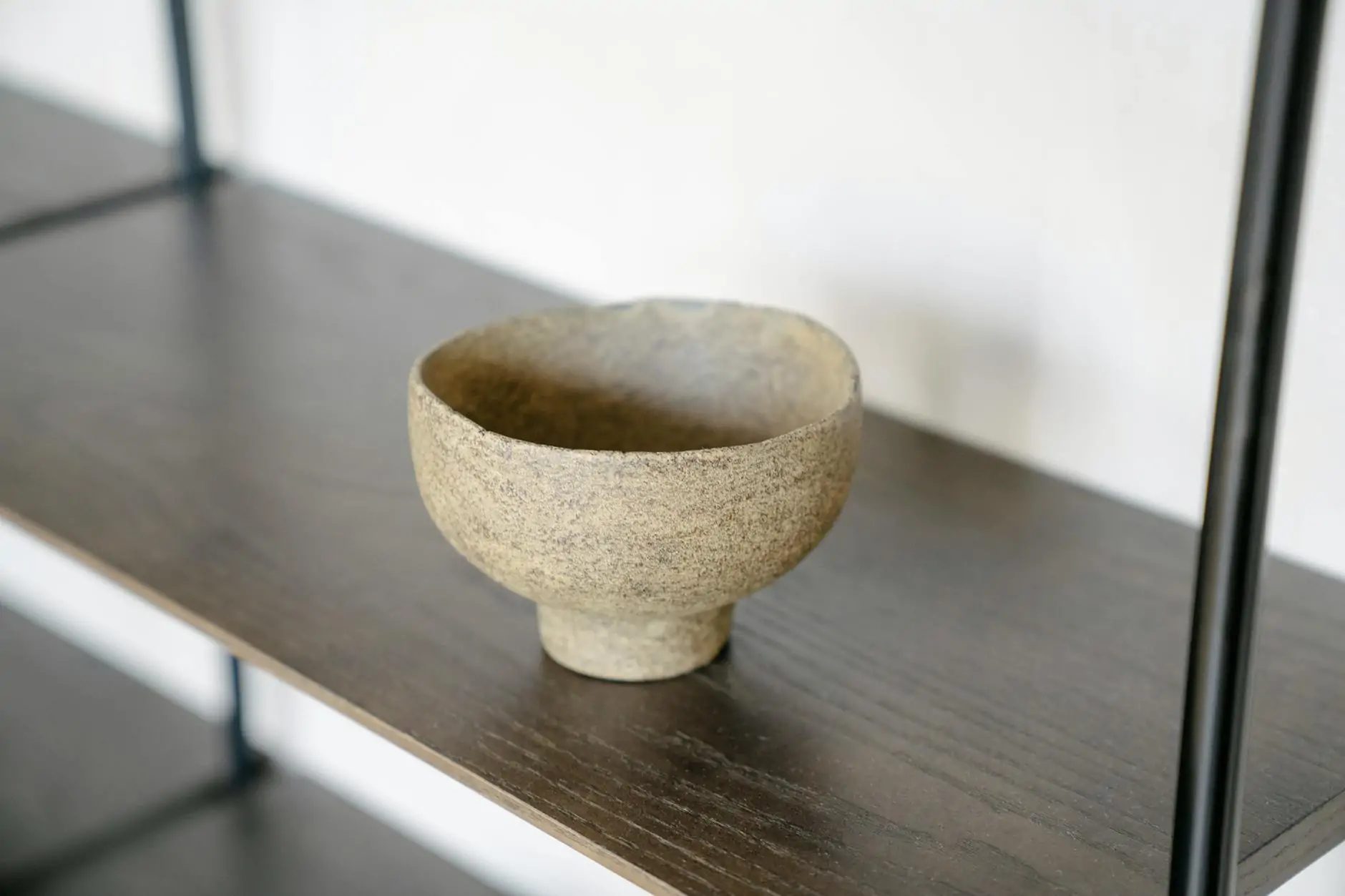
Wabi-sabi interior design: raw plaster, aged wood, and the quiet beauty of the handmade.
Wabi-sabi interior design is the quiet art of beauty in imperfection. It is the patina on an old wooden bench, the soft chip on the rim of a tea bowl, the way limewashed walls seem to breathe with the morning light. In a culture that worships the new, glossy, and symmetrical, wabi-sabi asks the opposite question: what if we built rooms that look better the older they get?
What Is Wabi-Sabi Interior Design?
Wabi-sabi is a centuries-old Japanese aesthetic philosophy with two interlocking ideas. Wabi describes the beauty of simplicity, austerity, and natural materials; sabi describes the beauty that comes with age, wear, and use. Together, they form an approach to design that prizes imperfection, asymmetry, and impermanence.
In a home, this translates to walls with visible texture rather than flat paint, furniture that shows the marks of its making, and objects whose tiny flaws are part of the story rather than mistakes to hide. A wabi-sabi room is not staged; it is lived in, even when the resident is out.
The Philosophy Behind the Look
It helps to know what wabi-sabi is reacting against. Modern Western design — and a lot of contemporary minimalism — is built on the idea that surfaces should be flat, joins should be invisible, and finishes should hide the work that went into them. Wabi-sabi flips that. The mark of the chisel, the unevenness of handmade tile, the slight warp of an old beam — these are the things you are supposed to see.
The mindset behind it is just as important as the visual cues. Wabi-sabi assumes that everything ages, breaks, and changes, and that the changes themselves are interesting. Once you accept that, your relationship with furniture and objects shifts. You stop replacing things at the first sign of wear, and you start choosing pieces that are built to age beautifully in the first place.
Materials That Define Wabi-Sabi
Wabi-sabi is a material-driven aesthetic. The look is hard to fake with paint and glossy finishes; you have to commit to surfaces that will tell their own story over time.
- Plaster, limewash, and tadelakt walls. Living surfaces that absorb light differently throughout the day.
- Solid wood with visible grain. Aged oak, weathered pine, reclaimed beams — anything where the cuts and knots show.
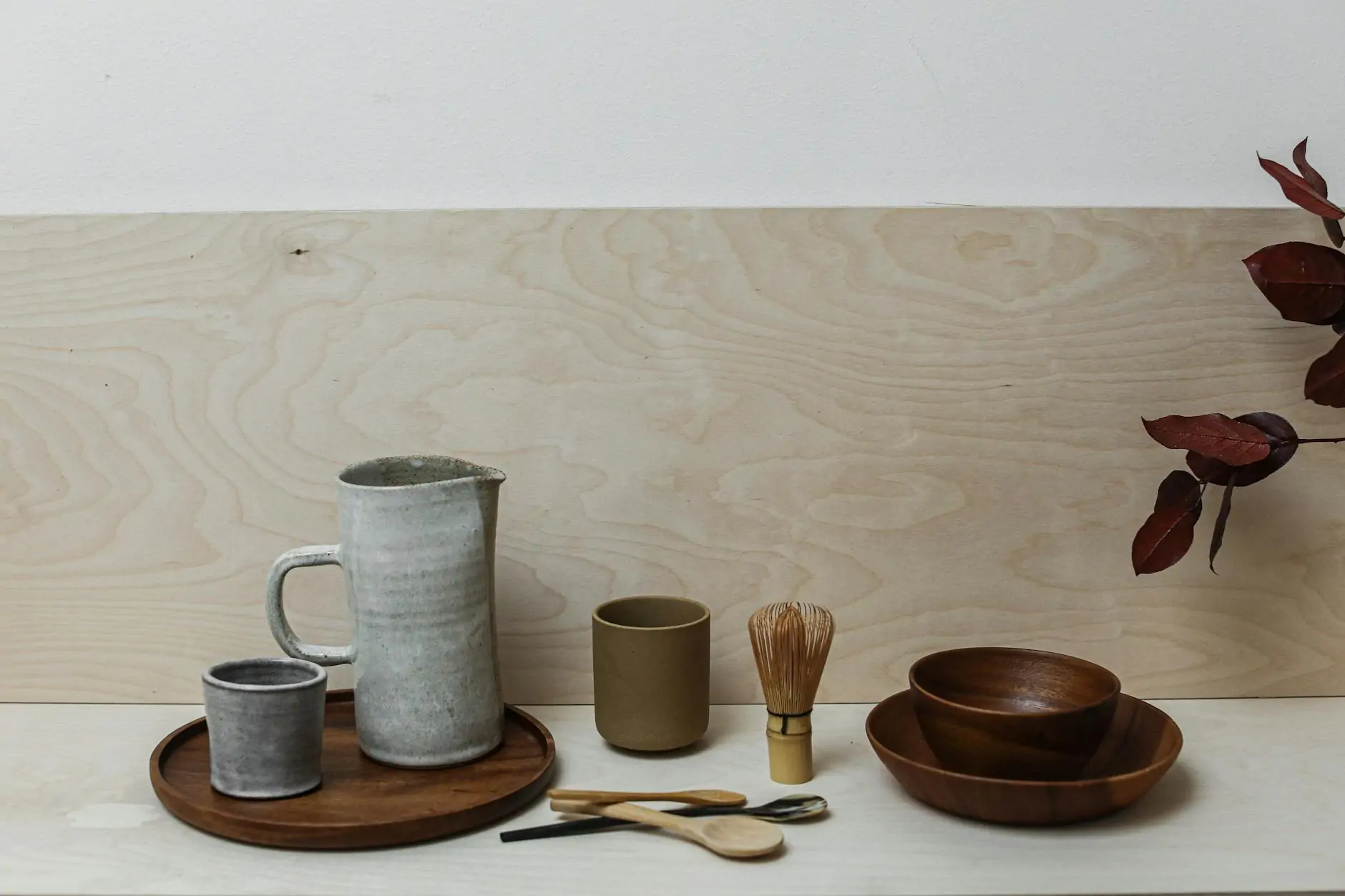
- Hand-thrown ceramics. Bowls, vases, and plates with uneven walls and slightly off-center forms.
- Linen and raw cotton. Fabrics that wrinkle, soften, and patina with washing.
- Stone and unsealed terracotta. Materials that gather marks rather than resist them.
- Natural fibers. Jute, sisal, raw wool, paper.
The unifying quality is that all of these materials get more interesting with use. They do not look “new” in a year, and that is exactly the point.
The Wabi-Sabi Color Palette
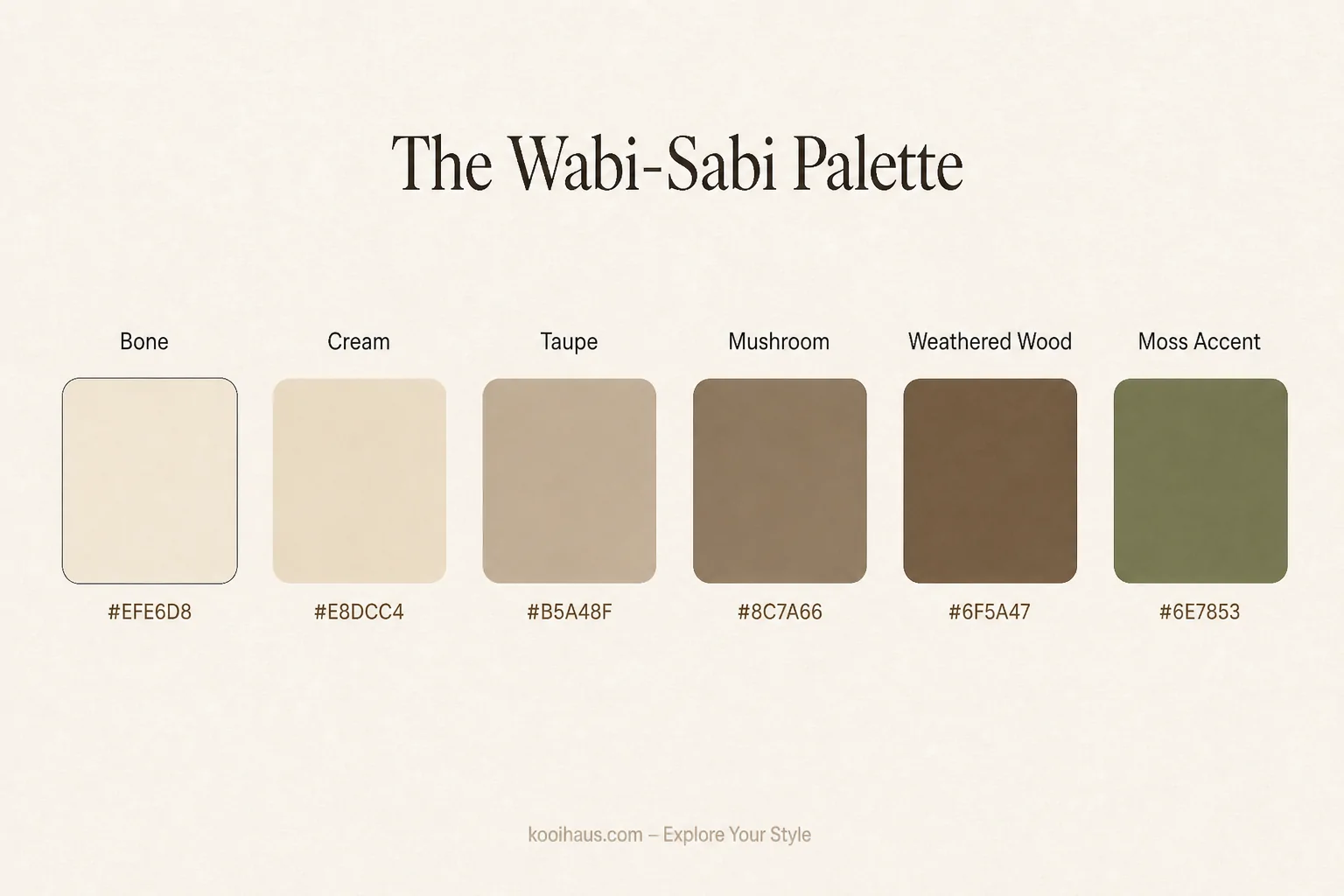
Colors in wabi-sabi rooms are pulled almost entirely from the earth. Think cream and bone, warm beige, soft taupe, mushroom, river stone, and the deep brown of weathered wood. Greens and rusts appear as accents, but always in their muted, sun-faded versions — moss instead of forest, terracotta instead of brick.
White, when it shows up, is rarely a clean white. It leans cream, often with a slight pink or beige undertone, and it usually lives on a textured surface (plaster, limewash, raw cotton) rather than a flat painted wall. The point is not the color itself; it is the way the color shifts under different light through the day.
Furniture for a Wabi-Sabi Home
Wabi-sabi furniture is selected, not bought. The best rooms mix old, found, and inherited pieces with a small handful of well-made new ones. A vintage farmhouse table, a hand-built bench, a 1950s wood armchair reupholstered in linen — these are the kinds of pieces that anchor a wabi-sabi space.
If you are buying new, look for solid wood with visible grain, hand-finished surfaces (oil rather than polyurethane), and silhouettes that are simple to the point of being unstyled. The piece should look like something a thoughtful craftsperson made, not something an engineer optimized.
Lighting That Honors the Style
Wabi-sabi lives or dies by its lighting. The look is built on warm, layered light that flatters textured surfaces — and is destroyed by cold overhead lighting that flattens them. Three rules cover most situations:
- Use multiple soft sources. Aim for at least three lamps in any major room, all on dimmers, all with warm 2700K bulbs.
- Avoid recessed cans as primary lighting. They wash out texture. If they are already installed, use them as accents and add lamps as the main light.
- Bring in natural light without filtering it through synthetic curtains. Unlined linen panels, paper screens, or even bare windows let the light shift through the day.
Bringing Wabi-Sabi Into Each Room
The living room is the easiest place to start. Anchor it with a linen-upholstered sofa, an aged wood coffee table, and a single large piece of art with negative space — a textured plaster panel, a sumi-ink scroll, or even an unframed canvas. Add a chunky wool throw in cream or oat, one ceramic vessel, and a single plant with sculptural foliage like an olive tree or a fiddle leaf fig.
In the bedroom, the bed itself becomes the wabi-sabi statement. A low platform frame in aged oak or a simple linen-upholstered headboard, dressed in stonewashed linen bedding, captures the spirit immediately. Skip the matching pillow set; mismatched, lived-in textures are more honest to the style.
The kitchen and dining room are where wabi-sabi rewards patience. A long solid-wood table, a set of mismatched but tonally related chairs, hand-thrown ceramics on open shelves, and a single linen runner on the table is enough. Counters should be clear except for the things you actually use daily — a wooden cutting board, a clay olive oil bottle, a salt cellar.
How Wabi-Sabi Differs From Minimalism (and Japandi)
Wabi-sabi is often confused with minimalism, but the two styles have different goals. Minimalism wants to remove everything that is not essential. Wabi-sabi wants to keep the essential and let it age. A minimalist room can feel sterile after a few years; a wabi-sabi room is supposed to look better the longer you live in it.
Japandi, meanwhile, is closer to wabi-sabi than to traditional minimalism, but it leans into Scandinavian comfort and a slightly more polished finish. If Japandi is the dinner-party version of wabi-sabi, wabi-sabi is the early-morning version — softer, more textural, less concerned with making things presentable.
Common Mistakes to Avoid
The first and biggest mistake is buying “distressed” or pre-aged furniture from mass retailers. Real wabi-sabi patina comes from time, not sandpaper. A factory-distressed coffee table almost always looks worse than a clean simple one that you allow to age naturally.
The second mistake is overstyling. Wabi-sabi rooms reward empty space. A coffee table with three intentional objects beats a coffee table with twelve, even if those twelve are individually beautiful. Edit, then edit again.
The third mistake is lighting. A perfectly chosen wabi-sabi room photographed under 4000K LED lighting will look cold and disappointing. Warm bulbs and lamp-based lighting are not optional in this style — they are part of the design.
Frequently Asked Questions
Does wabi-sabi work in a modern apartment?
Yes. The style is more about how you choose and care for objects than about period architecture. A modern apartment with limewashed walls, a linen sofa, an aged wood coffee table, and a few hand-thrown ceramics is fully wabi-sabi.
How is wabi-sabi different from rustic or farmhouse style?
Farmhouse and rustic styles tend to be decorative, with intentional vintage signage and styled “country” details. Wabi-sabi is quieter and less themed. There is no shiplap, no enamel signs, no styled mason jars.
Can wabi-sabi rooms be colorful?
Mostly muted earth tones, but yes — sage, terracotta, indigo, and ochre all show up as accents in classic wabi-sabi homes. The rule is that any color you add should look like it was sun-faded a few summers ago.
Is wabi-sabi practical for families with kids?
Surprisingly, yes. Because wabi-sabi celebrates wear, scuffs and marks become part of the room rather than damage to fix. Linen, solid wood, and natural fibers all hold up better than slick modern finishes under family use.
Where do I start if I am brand new to the style?
Start with one corner. Add one large hand-thrown vessel, one linen cushion, and a single low-watt warm lamp. Live with it for a week. Then expand.
Wabi-sabi is less a design trend than an attitude shift. It asks you to choose fewer, better things, to live with the marks they collect, and to let your home become more itself with time. Get the materials right, keep the lighting warm, and resist the urge to make everything perfect. The imperfections are the point.
Take the Quiz
Not sure if wabi-sabi is really your thing? Take our Interior Style Quiz and find out which interior style fits the way you actually live, age, and grow into your home.











 Blankets and Throws
 Home Accessories
 Furniture
 Rugs
Rugs Cushions
 Kitchen
 Cutlery and Dinnerware
 Drinkware
 Table Mats and Coasters
 Dining Accessories
 Tablecloths and Napkins
 Decorative Items
 Vases and Planters
 Wall Decor
 Bathroom Accessories
 Bathroom Storage
 Bath and Shower Mats
 Towels