FREE WORLDWIDE TRACKED SHIPPING
How to Create a Calm, Minimalist Garden Without Making It Feel Bare
 By Laura Jones
Create a calm minimalist garden that feels intentional, not bare, with practical guidance on structure, color, texture, planting, and maintenance
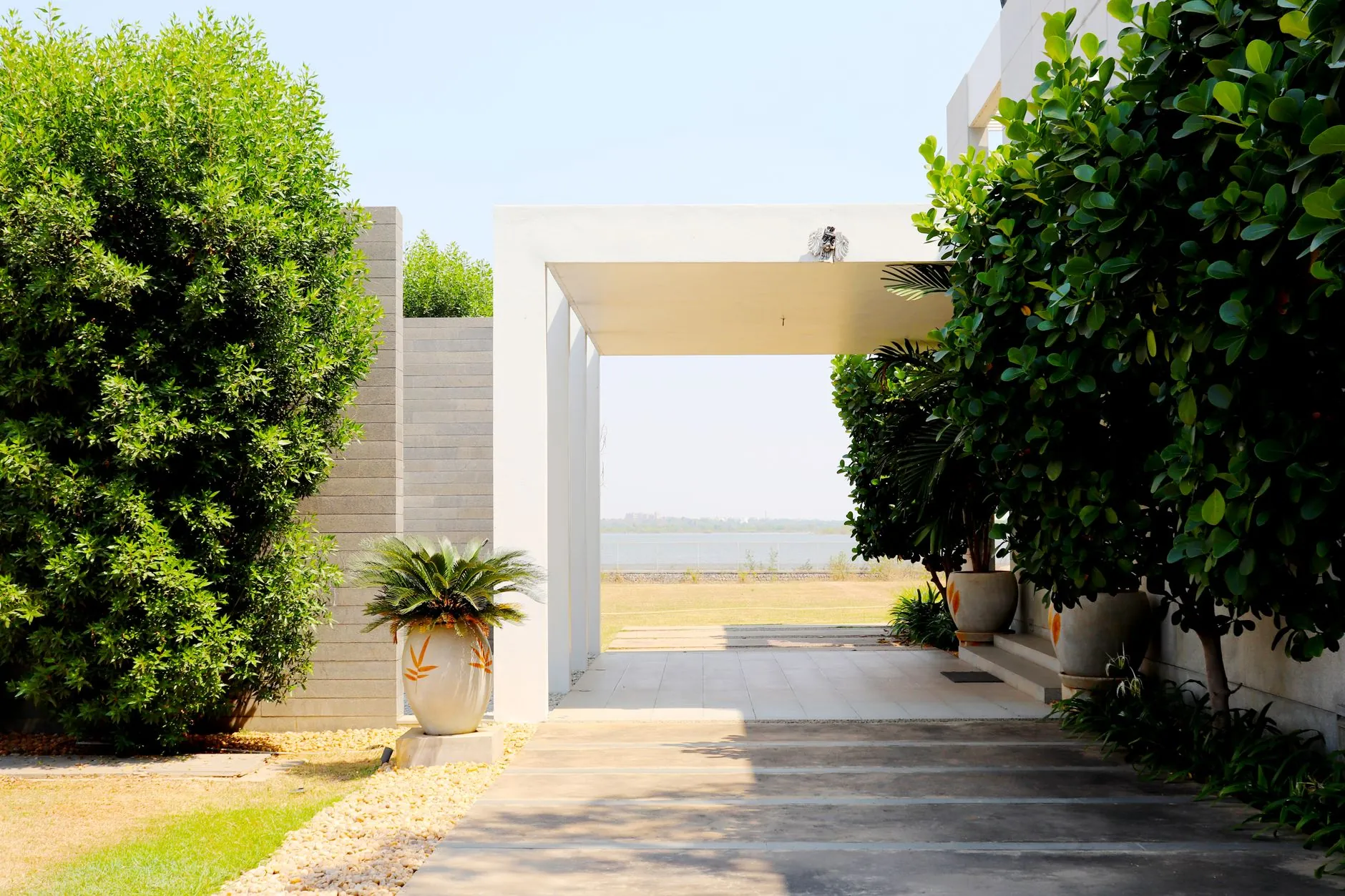
Illustrative image: Sharath G. / Pexels.
When you hear someone talk about minimalist gardens, you’ll probably imagine peaceful, elegant, and stripped-down outdoor spaces that are easier to maintain, while still managing to keep a ‘homey’ feel. A lot of people get it wrong by going too far. They take simplification to the extreme and remove almost everything in sight, to the point where the garden has this empty, soulless feel. So to help you avoid this, I’m putting together a simple guide to how to create a minimalist garden.
It’s a bit more complicated than you might initially think. You’ll need to carefully choose between what stays and goes, cultivating a sense of balance that gives each remaining feature more room to breathe. In this article, I’m going to break minimalist garden design down into a few simple categories: structure, colour, texture, and maintenance. I’ll also do my best to make these tips accessible to all gardeners out there, applicable to both a smaller urban courtyard and an acre-long orchard. So, without any further ado, let’s jump in.
Get Started With Structure
Every good minimalist garden starts with good structure, so before agonising over individual plants and water features, take a moment to consider the overall shape of the space and how you can fill it most efficiently. Think about your space’s natural pathways, the best places for planting beds, and natural borders between subsections that can become their own hubs.
But I’m by no means suggesting that everything needs to end up being perfectly symmetrical. In fact, it’s best to avoid absolute rigidity when it comes to determining structure, because if you commit to it too much, your garden can soon end up losing its natural feel.
Hard landscaping can also be useful when it comes to structuring your garden. Outdoor paving and materials like stone, timber, gravel, and brick can all work well in minimalist gardens, but rather than using so many different finishes, it’s usually best to just stick to two, maybe three (if you have a larger garden) that complement each other and sprinkle them in consistently. Committing to two or three materials will help to create a sense of cohesion and give the impression that you have intentionally designed the space.
When considering structure, it’s important to think about boundaries. This is one of those areas where, if you’re too neat, it can leave your garden feeling too sterile or inauthentic. The best route to take is neat but natural. Keep on top of them with regular pruning, and, for larger hedges, tools like a heavy duty hedge trimmer can make routine shaping a lot easier.
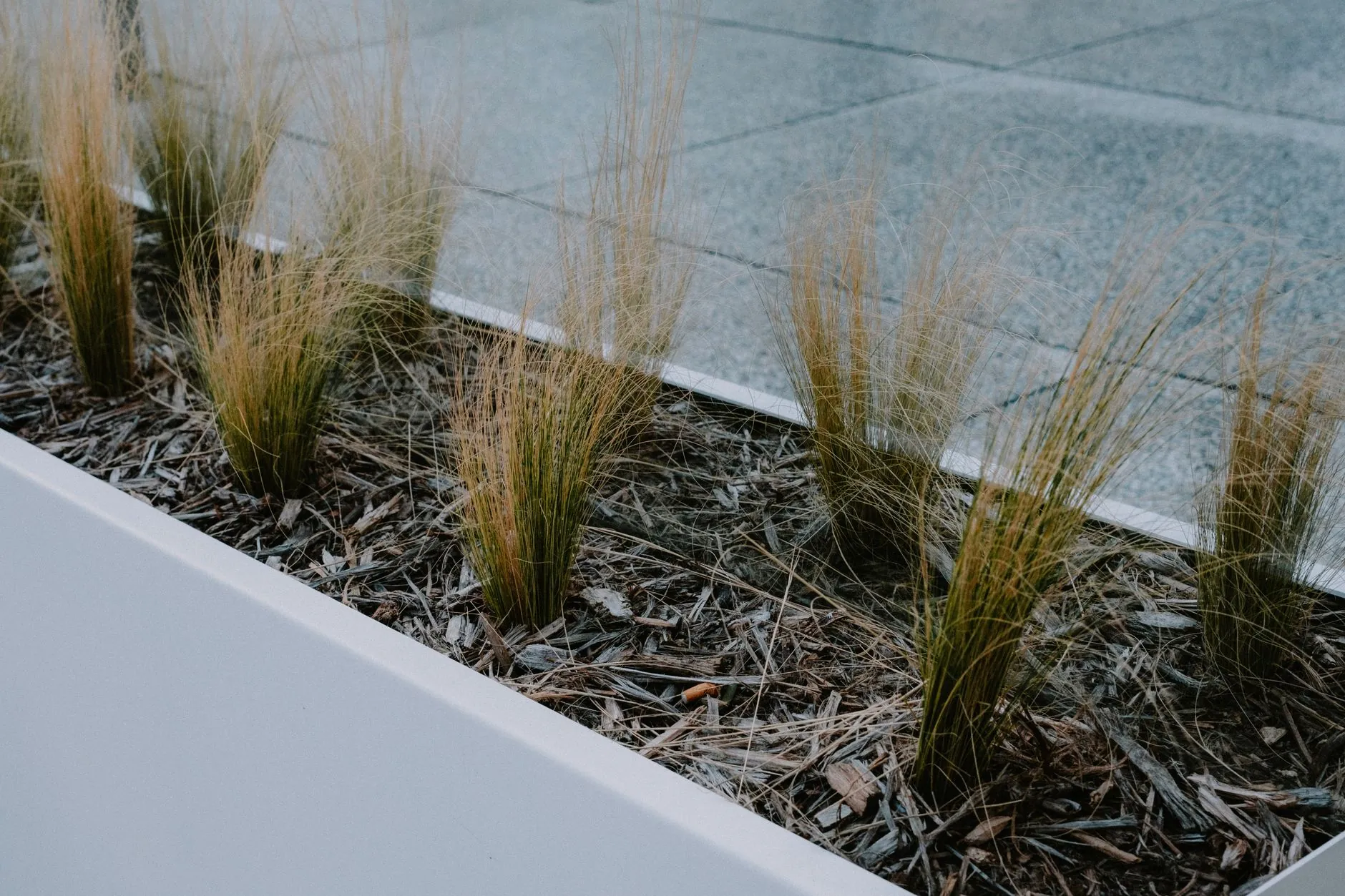
Colour Palette
Deciding on a consistent colour palette and sticking to it is just as important, as it’ll help make your garden a more relaxing space. As a quick example, imagine a garden that combines greens, whites and muted purples or pastel yellows; a space with those colours will feel much more peaceful than one that is full of loud, contrasting colours that feel at odds with each other. To be clear, I’m not suggesting that you should avoid having a variety of flowers altogether; just choose a smaller range and repeat them throughout the space.
One of my favourite colouring techniques is green-on-green planting because let’s face it: no matter what palette you go with, green will be in there – it has to be. So, if you don’t already, I’d highly recommend that you give green-on-green planting a go. All it means is having a thoughtful variety of greens that add more depth without adding unnecessary visual noise. Try mixing it up with some evergreen shrubs, ornamental grasses and ferns.
Texture
One area where a lot of aspirational minimalist gardeners go wrong is overthinking the number of plants they need; oftentimes, this can result in a garden with so few plants that it looks completely barren. The distinction minimalist gardeners need to make is in how their plants are selected and arranged. So, how do you choose the right plants for your garden? This question brings us to texture.
Texture is definitely one of the most effective ways to stop your minimalist garden from feeling empty. But if you purely go for variety, the whole vibe can quickly descend into chaos, which is why my North Star, where texture is concerned, is synergistic variety. I know, such an unfortunate phrase. It all sounds very corporate, but actually, all it means is having a curated variety of plants that all combine to work together.
A good example might be combining a few different plants in the same bed that grow at varying heights, or with contrasting leaf shapes. On the other hand, repeating the same plants can also create a sense of structured uniformity, like using the same rounded shrubs in the same bed, or sprinkled in similar positions in different beds.
It’s also worth remembering that texture will change with the seasons, so you’ll likely need to refresh your plants during the colder seasons of the year – that is, if you don’t have evergreens that can maintain their structure during winter.
We should also talk about water. A feature – whether it’s a classic bird bath or a modern, monolithic stone fountain – will have a major impact on the texture and overall tone of your garden. On top of that, the water itself impacts the overall sensory experience of being in your garden; I have a water feature primarily because I enjoy hearing the relaxing sound of trickling water after a long day at work.
But be warned: if we’re aiming for minimalism, make sure that your feature is in keeping with the tone you’ve already set, and that you should probably stick to having just the one feature (unless you have a large garden). As a final tip on texture, I’ll advise that aspiring minimalist gardeners try to avoid filling absolutely all available bed space with flowers and shrubs just to cover bare soil. Remember: for a minimalist garden, bare soil is a feature, not a flaw.
Make Maintenance Part of the Design
One of the hard truths of gardening, or one of its most appealing features, depending on the type of gardener you are, is that there is no such thing as a finished product. Once it finally looks how you envisioned, you still need to maintain it. The world will still manage to conjure up new ways of challenging its resilience. That’s why I think the best approach is to design it with maintenance in mind from the very start.
When you’re choosing your plants, you should also consider whether or not they’ll suit the conditions of your garden – think about sunlight, the type of soil you have, and drainage, before you commit to planting anything. If you buy a plant that will settle into your garden well, it won’t require anywhere near as much maintenance as another one that needs babying all the time.
As I mentioned earlier, evergreen structural plants are great for maintenance because they’ll keep all year round, while effective mulching should help keep weeds out of your garden. Continue to prune and trim regularly, as well as stay on top of fallen leaves during the autumn months.
Closing Thoughts
Making your own minimalist garden is all about doing more with less. You’ll have fewer decisions to make overall, but those decisions each carry more weight. On top of that, minimalism takes commitment and restraint, especially concerning the core points mentioned in this article, like your colour palette, structure, and textures. If you slacken the rules on your own creative direction, then things can quickly slip out of control.
If your ultimate goal here is to curate your very own minimalist space, where each design element feels intentional, contributing to a relaxing, peaceful atmosphere, then remember: Quality over quantity, and noise reduction, not total silence.










 Blankets and Throws
 Home Accessories
 Furniture
 Rugs
Rugs Cushions
 Kitchen
 Cutlery and Dinnerware
 Drinkware
 Table Mats and Coasters
 Dining Accessories
 Tablecloths and Napkins
 Decorative Items
 Vases and Planters
 Wall Decor
 Bathroom Accessories
 Bathroom Storage
 Bath and Shower Mats
 Towels