FREE WORLDWIDE TRACKED SHIPPING
Creating Balance Between Light and Privacy
 By Laura Jones
Learn how to balance light and privacy with the right blinds, fabrics and window treatments for calmer, more comfortable interiors.
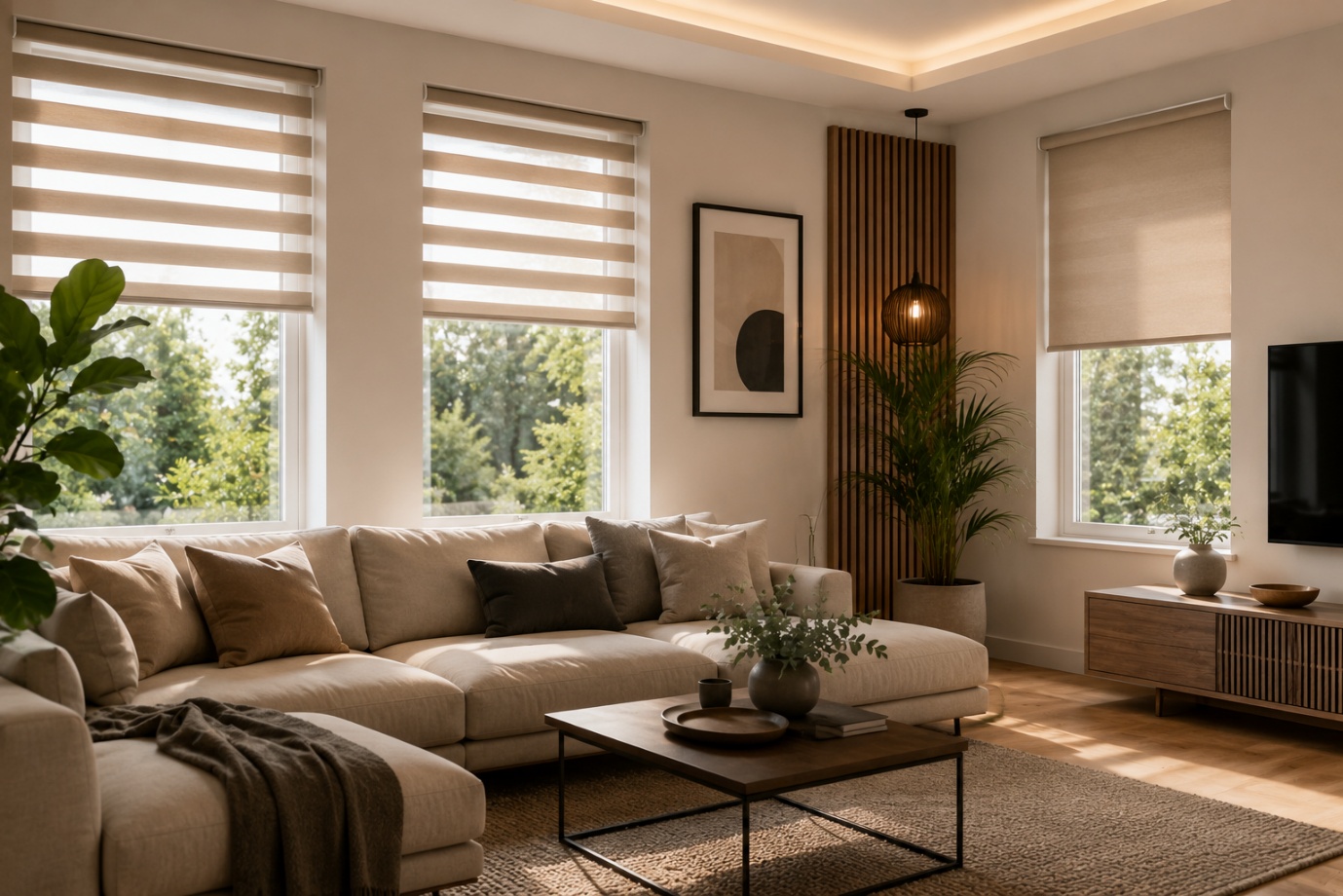
How the Right Blinds Transform Interior Spaces
Interior design is often shaped by the details people interact with every day. Lighting, textures, furniture placement, and colour palettes all influence how a space feels and functions. Yet one of the most transformative elements in any room is often overlooked — window coverings.
Blinds do far more than provide privacy. The right style can soften harsh light, improve comfort, enhance energy efficiency, and completely change the mood of a room. In modern interiors, blinds have become an essential design feature that balances practicality with aesthetics.
Creating Balance Between Light and Privacy
Natural light is one of the most valuable elements in interior design. It helps spaces feel larger, calmer, and more welcoming. However, too much direct light can create glare, overheating, and discomfort throughout the day.
This is where thoughtfully chosen blinds become important. Modern solutions allow homeowners to control brightness while still maintaining an open and airy atmosphere.
Many homeowners looking for tailored window solutions turn to providers such as Jacksons Blinds in Newcastle, where customised blinds help balance privacy, lighting, and interior style within both traditional and contemporary homes.
The ability to adjust light levels throughout the day can dramatically improve the comfort and usability of a living space.
Enhancing the Mood of a Room
Blinds influence the emotional tone of an interior more than many people realise. Soft fabrics and neutral tones can create a calming atmosphere, while darker finishes add contrast and structure to minimalist spaces.
Different blind styles also contribute distinct visual effects:
- Roller blinds create clean modern lines
- Roman blinds introduce softness and texture
- Venetian blinds add structure and flexibility
- Vertical blinds suit larger windows and open-plan spaces
- Wooden blinds add warmth and natural character
When chosen carefully, blinds become part of the room’s overall design language rather than simply a practical addition.
Supporting Energy Efficiency
Modern homeowners are increasingly focused on creating homes that feel comfortable while remaining energy efficient. Window coverings play an important role in regulating indoor temperatures throughout the year.
During warmer months, blinds help reduce solar heat gain by limiting direct sunlight. In colder seasons, they add an extra layer of insulation that helps retain indoor warmth.
This improved temperature control can contribute to lower energy consumption and a more comfortable living environment overall.
Complementing Contemporary Interior Design
Today’s interiors often prioritise simplicity, natural materials, and uncluttered spaces. Because blinds offer a cleaner and more streamlined appearance than heavier window treatments, they work especially well within modern design styles.
Neutral colours such as soft white, beige, grey, and muted earth tones remain popular because they blend naturally into calming interiors. Textured fabrics and layered finishes also help create depth without overwhelming the room visually.
Blinds can either blend subtly into the background or become a refined focal point depending on the chosen material and design approach.
Improving Everyday Functionality
Good interior design is not only about appearance — it also improves how a home functions daily. Blinds provide flexibility that supports changing needs throughout the day.
In bedrooms, blackout blinds encourage better sleep by reducing outside light. In home offices, adjustable blinds minimise glare on screens while maintaining natural brightness. In living spaces, layered lighting control helps create different moods from morning to evening.
Motorised and smart blinds have also become increasingly popular in modern homes, allowing users to control lighting remotely or automate adjustments throughout the day.
Choosing the Right Material
Different materials offer different practical and visual benefits. Moisture-resistant blinds work well in kitchens and bathrooms, while textured fabrics create warmth in living rooms and bedrooms.
Common material options include:
- Fabric
- Faux wood
- Real wood
- Aluminium
- PVC
- Thermal-lined textiles
The right material depends on the room’s lighting conditions, humidity levels, maintenance needs, and overall design goals.
Blinds and Minimalist Living
Minimalist interiors focus on intentional choices that reduce visual clutter while improving comfort and functionality. Blinds align naturally with this philosophy because they provide practical performance without overwhelming a space.
Simple, well-fitted blinds help create interiors that feel calm, balanced, and visually organised. Their clean lines support open spaces while still offering privacy and softness where needed.
In homes designed around wellbeing and intentional living, these subtle details often make the greatest difference.
Final Thoughts
The right blinds can completely transform how a home looks and feels. Beyond controlling light and privacy, they contribute to atmosphere, comfort, energy efficiency, and overall design harmony.
Whether used to soften natural light, improve functionality, or complement a modern interior style, blinds play a far more important role than many homeowners initially realise.
Thoughtfully selected window treatments help create interiors that feel not only beautiful, but also calm, practical, and genuinely comfortable to live in.











 Blankets and Throws
 Home Accessories
 Furniture
 Rugs
Rugs Cushions
 Kitchen
 Cutlery and Dinnerware
 Drinkware
 Table Mats and Coasters
 Dining Accessories
 Tablecloths and Napkins
 Decorative Items
 Vases and Planters
 Wall Decor
 Bathroom Accessories
 Bathroom Storage
 Bath and Shower Mats
 Towels