FREE WORLDWIDE TRACKED SHIPPING
Beyond the Surface: A Professional Guide to Deep Cleaning and Preserving Fine Rugs
 By Laura Jones
Sheena of Rug Refinery explains how to match cleaning methods to rug materials, address wicking, remove deep soil, and protect fine textiles
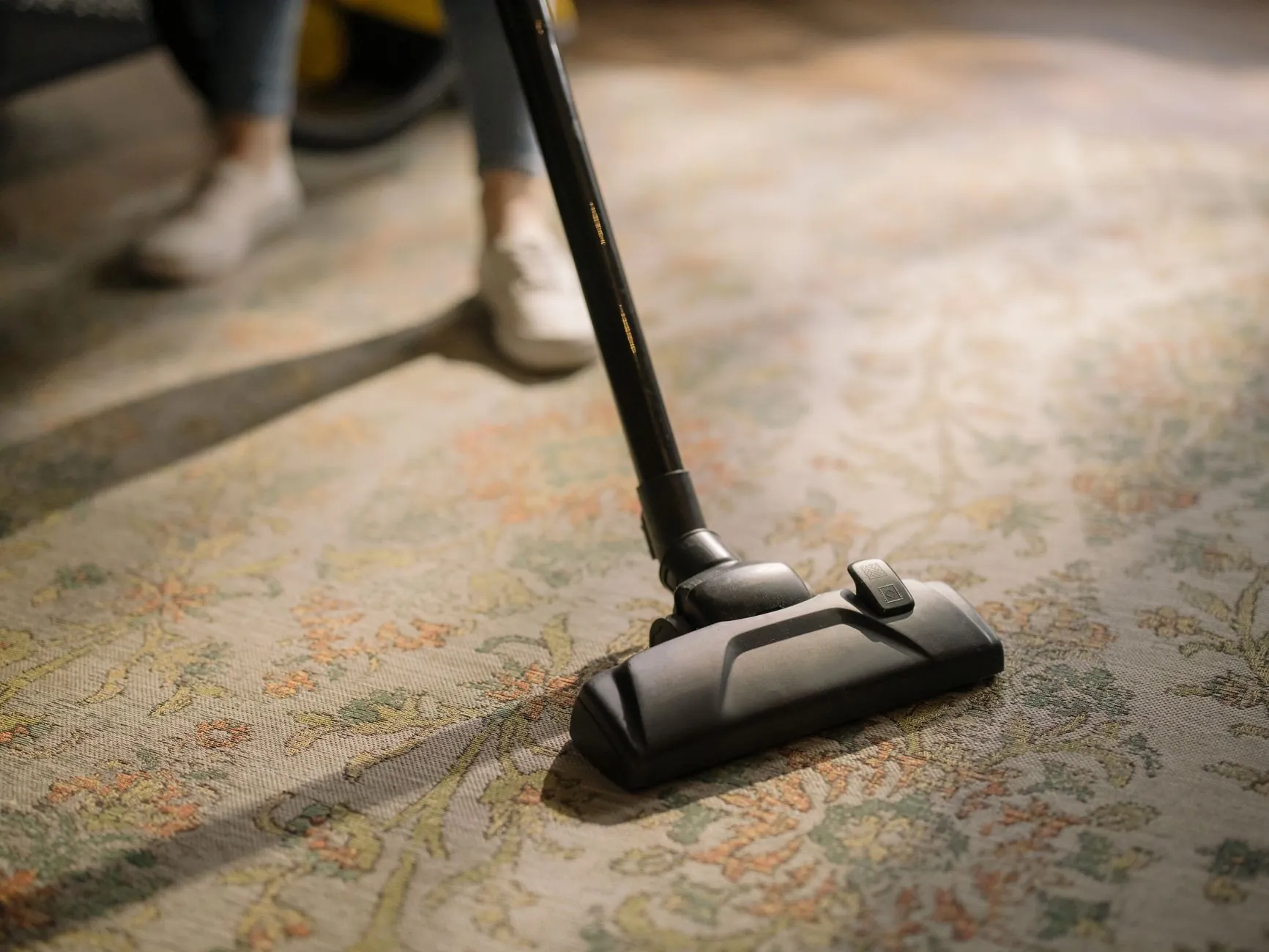
Routine vacuuming removes surface debris, while deeper care depends on the rug's fibers and construction. Photo by cottonbro studio on Pexels.
When it comes to home maintenance, carpets and fine area rugs are often the unsung heroes of interior design. They anchor a room, add warmth, and absorb sound. However, because they sit on the floor, they act as massive filters, trapping dust, allergens, pet dander, and abrasive grit deep within their foundations.
While routine vacuuming is essential, it only tackles the topmost layer of debris. Over time, trapped particulate matter grinds against delicate fibers, leading to premature wear and dulling the vibrant colors of your favorite statement pieces.
Whether you are maintaining a modern synthetic runner or protecting an heirloom hand-knotted wool rug, understanding proper deep-cleaning and restoration methods is key to safeguarding your investment. In this guide, we’ll explore professional cleaning strategies, the mechanics of fiber care, and why standard quick-fixes often fall short.
1. Understanding Cleaning Methods: Surface Care vs. Full Immersion
One of the most important considerations in textile care is recognizing that no single cleaning method suits every rug. Factors such as fiber content, dye stability, backing materials, construction style, current condition, and manufacturer guidance dictate the safe and proper treatment for any given textile.
When many people think of professional carpet cleaning, they picture truck-mounted or portable steam extraction. While common, applying high-heat steam and aggressive surface pressure can present risks to delicate natural fibers if not carefully managed, potentially leading to shrinkage or texture distortion. Furthermore, surface-oriented methods primarily target the upper layers of the pile, which can leave deeper embedded particulate matter untouched in heavy-soil scenarios.
In contrast, specialized full-immersion techniques allow water and eco-friendly solutions to work through the entire textile structure in a controlled bath, helping to safely flush out deeply embedded grit and residues that surface washing might miss.
Immersion is not the right answer for every piece, either. Viscose and some silk rugs, textiles with fugitive dyes, and rugs with latex or glued backings can react badly to heavy water exposure. These often call for low-moisture methods or specialist handling, which is why a careful assessment should always come before any cleaning decision.
2. The Danger of Wicking: Why Stains Reappear
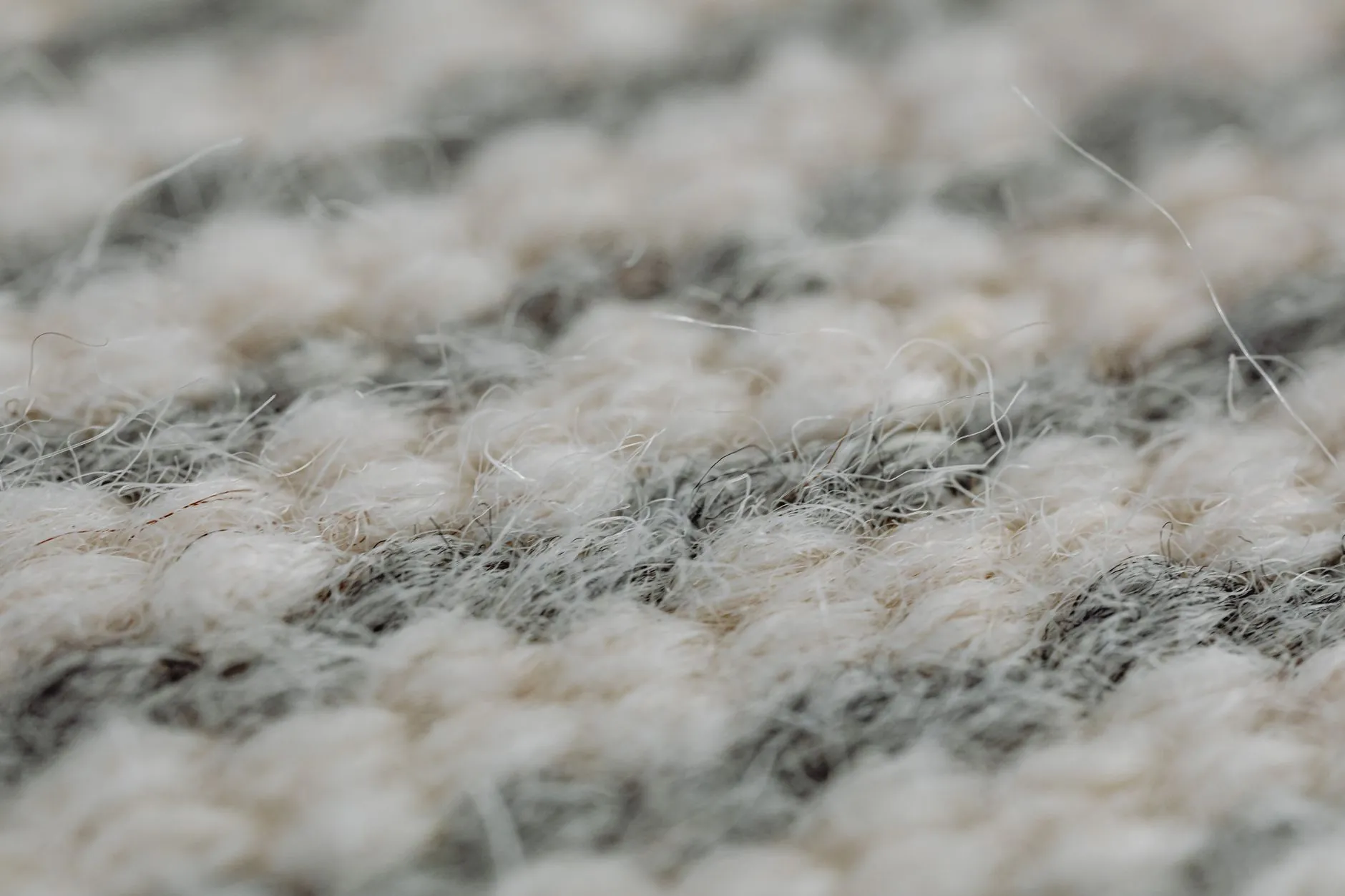
To understand why surface-level cleaning sometimes fails over time, it helps to look at a common phenomenon known as wicking.
- The Root Cause: If a spill or heavy spot is treated only on the surface, liquid and sticky residues can remain trapped deeper down in the foundation yarns or backing.
- The Reappearance: As the rug dries from the bottom up or when seasonal humidity rises, that residual moisture acts like a wick, pulling trapped soil and discoloration back up toward the pile tips.
- The Solution: Thorough extraction that addresses the entire depth of the fiber helps remove the source of the stain, reducing the chance of it resurfacing. This is why professional rug cleaning works through the full depth of the pile and foundation rather than treating the surface alone.
3. The Professional Deep-Cleaning Workflow
Professional fine textile care typically relies on a systematic, multi-step process tailored to the specific needs of each rug:
- Inspection and Assessment: Before any cleaning begins, rugs are evaluated for fiber type, dye stability, and pre-existing damage to determine the safest approach.
- Dry Soil Removal: Specialized dusting equipment uses gentle harmonics or vibrations to shake dry, impacted particulate soil loose from the foundation safely.
- Targeted Washing: Depending on the textile, technicians utilize appropriate pH-balanced, non-toxic solutions and wash techniques to lift oils and grime without compromising structural integrity.
- Controlled Drying: Proper climate-controlled drying environments promote rapid, uniform evaporation, helping to prevent mold, mildew, and dimensional distortion.
4. Practical Maintenance Tips for Homeowners
While professional deep cleaning is recommended periodically depending on foot traffic and household conditions, you can protect your rugs at home with these best practices:

- Vacuum with Care: Avoid using aggressive beater bars or power heads on delicate fringe, as they can easily catch, fray, or tear the ends. For handmade rugs, use suction-only attachments.
- Address Spills Immediately: When a spill happens, gently blot, never rub, working from the outside edges inward with a clean, white, absorbent cloth so the liquid does not spread or sink deeper.
- Rotate Your Rugs: Rotate your area rugs periodically to encourage even wear and sun exposure, especially in high-traffic pathways or rooms with direct sunlight.
- Use a Quality Rug Pad: A breathable pad reduces friction against the floor, limits slipping, and helps absorb the impact of daily foot traffic on the foundation.
Conclusion
Your home’s rugs are investments in comfort, art, and craftsmanship. By understanding the importance of matching cleaning methods to specific fiber types, addressing deep-set soils, and practicing proper home maintenance, you can keep your textiles looking vibrant for years to come.











 Blankets and Throws
 Home Accessories
 Furniture
 Rugs
Rugs Cushions
 Kitchen
 Cutlery and Dinnerware
 Drinkware
 Table Mats and Coasters
 Dining Accessories
 Tablecloths and Napkins
 Decorative Items
 Vases and Planters
 Wall Decor
 Bathroom Accessories
 Bathroom Storage
 Bath and Shower Mats
 Towels