FREE WORLDWIDE TRACKED SHIPPING

Door Repair or Replacement in Chicago: How to Make the Right Call
 By Alex Carter
Learn how to recognize common door problems, weigh repairs against replacement, and choose a contractor
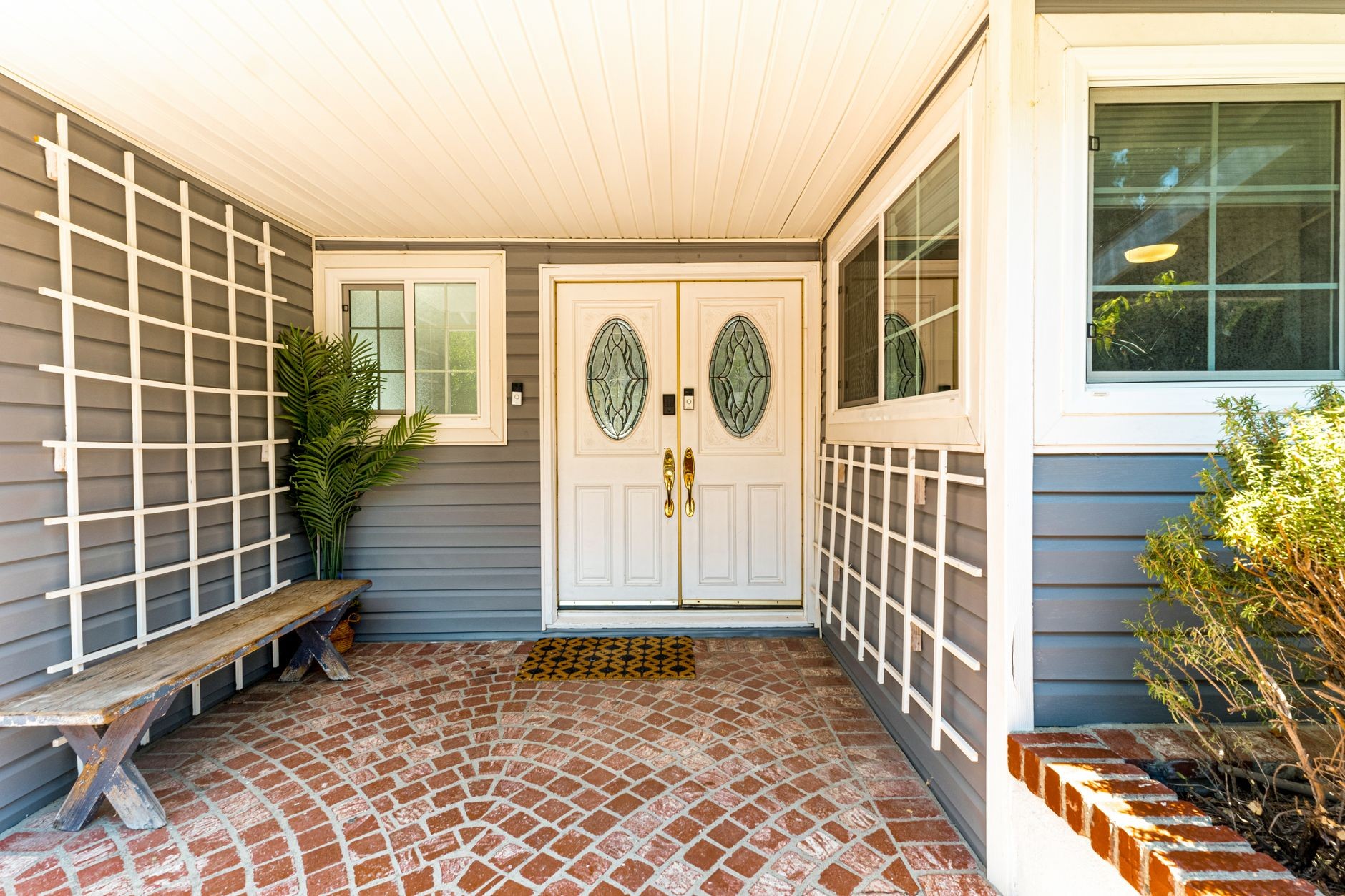
Photo by The R.E Editor on Pexels
In Chicago, your front door works harder than most. Over a single year it can go through a temperature swing of more than 100 degrees, from subzero January nights to July afternoons when the sun bakes its finish. Add road salt tracked in all winter, and sooner or later it starts to stick, rattle, or let in a draft you can feel from the couch. Then most homeowners ask the same question: can this be fixed, or is it time for a new one?
The answer is usually clearer than it seems once you know what to look for. This guide covers why doors fail here and which warning signs deserve action. It also explains how to weigh Chicago door repair against a full replacement, and how to find someone who will do the job right without overcharging.
Why Doors Fail in Chicago: 5 Common Causes
- Freeze-thaw cycles. Temperatures here cross the freezing point dozens of times each winter. Wood absorbs moisture, swells, then shrinks again. Joints open, paint cracks, and the slab can warp. Steel and fiberglass units suffer too, because the frame around them is usually wood.
- Worn hinges and hardware. A solid wood entry can weigh 80 to 100 pounds. Over the years, that weight pulls on the top hinge, the screws loosen in the jamb, and the door sags toward the latch side. Locksets and strike plates wear out the same way.
- A house that settles. Many homes in the city are close to a century old. Foundations shift and floors slope. An opening that was perfectly square in 1925 often isn’t anymore, so the frame racks and the door binds.
- Moisture and rot. The bottom rail, threshold, and lower jamb take the most water from rain, melting snow, and salt. Once the paint or caulk fails, rot starts out of sight, often in the sill or brick molding. Many wood door repairs in Chicago begin right here.
- Impact and forced entry. Slamming, moving furniture, and attempted break-ins splinter jambs and bend strike plates. A frame that was kicked once may look fine. In reality the lock may be held by a few slivers of wood.
Signs Your Door Needs Attention Before It Becomes a Bigger Problem
Watch for these signals:
- Sticking or rubbing at the top corner or along the latch edge.
- Drafts. Close the door on a dollar bill. If it slides out easily, the weatherstripping isn’t sealing.
- Daylight visible around the edges or under the sweep.
- A latch that won’t catch, or a deadbolt you have to push or lift to turn.
- Soft wood. Press a screwdriver into the bottom rail or sill. If it sinks in, rot is present.
- Fog between glass panes, which means the insulated seal has failed.
- Higher heating bills with no other explanation.
Small issues rarely stay small. A sagging slab drags on the weatherstrip and wears it out. The resulting gap lets in air and water, and water soaks the sill. After a couple of winters the rot reaches the frame. At that point a one-hour hinge adjustment has become a full-day job with a new prehung unit. That’s why front door repairs that Chicago residents put off until spring often end up costing more than they would have in the fall.
Repair or Replace: How to Decide
When assessing a problem door, the first things to check are the frame and the hardware, rather than the door itself. If the trouble comes down to loose hinges, a worn lock, or tired weatherstripping, repair almost always wins. The same goes for a slab that’s still solid in a frame that’s still square, even with a bit of rot, which epoxy filler or a wood patch can handle. And if it’s an original oak entry in a vintage home, it is worth saving, because that kind of character is hard to buy new.
Replacement becomes the smarter move once the slab is warped, cracked, or delaminating, or when rot has worked its way through the jamb or sill. A hollow, poorly insulated door that can no longer hold a lock securely is another candidate. A simple rule of thumb is: if the repair estimate gets close to half the price of a new unit, put the money toward the new one.
As for cost, minor fixes like a hinge adjustment, a new sweep, or fresh weatherstripping usually run a few hundred dollars. Rot and frame work cost more. A new exterior prehung unit with installation is typically counted in thousands, depending on material and glass.
Material choice matters here more than most people think. Steel is secure and affordable, but it dents and can rust at the bottom. Wood looks beautiful but needs regular sealing to get through Chicago winters. Fiberglass handles this climate best, since it doesn’t swell or warp and holds heat well.
One last tip: if the frame is in good shape, replacing just the slab can save you money. If it’s rotted or out of square, a full prehung unit is the only proper fix. Any good door replacement contractor in Chicago will check this before giving you a price.
When to Call a Pro and How to Choose One
Plenty of door problems don’t need a professional at all. If your door sags, try this first: take out one of the short screws in the top hinge and replace it with a 3-inch screw that bites into the wall stud. That alone straightens a surprising number of doors. Replacing worn weatherstripping or a bottom sweep, lubricating the hinges and lock, and nudging the strike plate so the latch catches are all weekend jobs a handy homeowner can manage.
The frame is where it makes sense to stop and call a professional. Planing a binding slab, squaring a racked opening, cutting out rotted jamb or sill sections, and reinforcing a frame after a break-in all take experience and the right tools. The same goes for installing a new prehung unit, which means shimming, getting it plumb and level, and flashing the sill properly. Being off by just an eighth of an inch is enough for the door to leak air, drift open on its own, or chew through new weatherstripping in a single season. Many manufacturers will also void the warranty if installation instructions weren’t followed. When the job goes beyond hinges and seals, it makes sense to look for a team offering full carpentry services Chicago homeowners trust, so frame repair, trim, and installation get done in one visit instead of by three different trades.
Choosing that team takes a little homework. Start by asking for proof of liability insurance and any license the work requires; an honest business will show it without hesitation. Insist on a written, itemized estimate that also explains what happens if hidden rot turns up once the old unit comes out. A real pro inspects the frame, sill, and opening before quoting, so if someone pushes replacement after a glance at the slab, get a second opinion.
Experience with older homes matters here, since openings in century-old bungalows and greystones are rarely standard sizes. Ask whether they handle finish carpentry that Chicago homes often need after an install, like matching casing and trim, so the entry looks finished rather than patched. A written labor warranty of at least a year and recent reviews with photos of real projects round out the picture. And be wary of cash-only deals, phone quotes without a visit, or pressure to sign the same day. Good Chicago carpentry crews are busy, but they never rush you.
Frequently Asked Questions
How much does door repair cost in Chicago?
It depends on what’s actually wrong. Simple adjustments and new weatherstripping usually come to a few hundred dollars, while rot and frame work cost more, depending on how far the damage has spread. That’s why it helps to get the door inspected before you settle on a budget.
Can a warped door be fixed?
Slight warping can often be corrected by adjusting the hinges or planing the edge. A badly bowed slab, though, will keep fighting you, and in that case replacing it is the honest answer.
How long does door replacement take?
Installing a prehung unit typically takes half a day to a full day, including trim. Older homes with non-standard openings can take a little longer.
Is an old wood door worth saving?
Very often, yes. A solid door in a sound frame can be restored for far less than the cost of a quality new one, and it keeps the original character of the house.



 Blankets and Throws
 Home Accessories
 Furniture
 Rugs
 Cushions

 Kitchen
 Cutlery and Dinnerware
 Drinkware
 Table Mats and Coasters
 Dining Accessories
 Tablecloths and Napkins

 Decorative Items
 Vases and Planters
 Wall Decor

 Bathroom Accessories
 Bathroom Storage
 Bath and Shower Mats
 Towels