FREE WORLDWIDE TRACKED SHIPPING
Essential Tips for Maintaining a Functional Kitchen
 By Laura Jones
A functional kitchen depends on small routines done consistently. Learn how appliance maintenance, organized storage, regular cleaning, and simple checklists can keep your home kitchen running smoothly
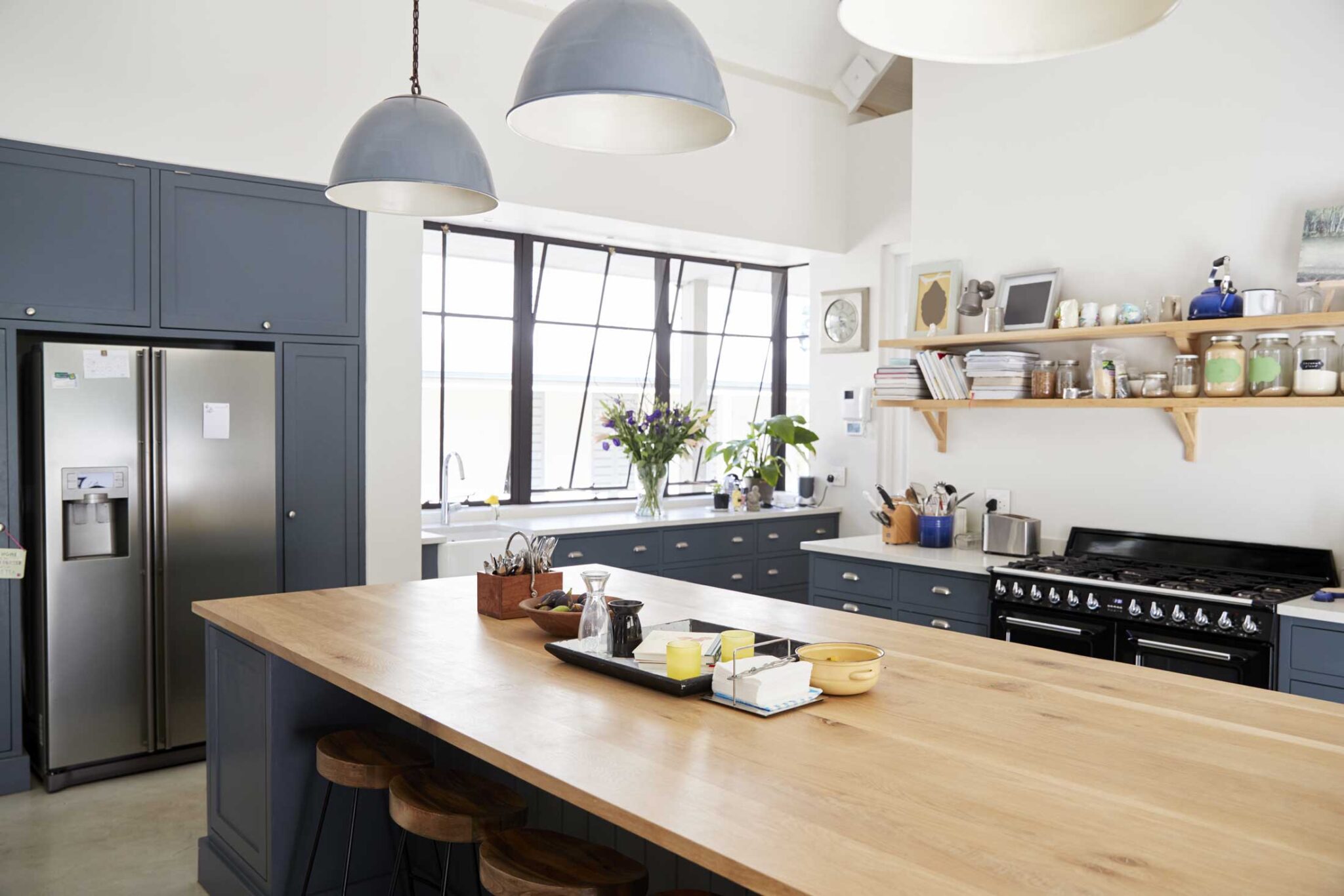
A functional home kitchen is about consistency. Appliances need to work reliably, storage needs to stay organized, and daily use should not create long-term issues. Most kitchen problems start small and build over time due to lack of routine upkeep.
Keeping everything running smoothly comes down to simple systems that are repeated regularly.
Keep Appliances on a Maintenance Schedule
Home kitchen appliances handle daily use, and performance drops when maintenance is ignored. Refrigerators, ovens, and small appliances all benefit from regular checks.
Instead of waiting for something to break, set a simple schedule based on how often you use each appliance.
Core Maintenance Tasks
- Clean refrigerator coils and check door seals
- Wipe down oven interiors and remove buildup
- Inspect small appliances for wear or loose parts
Preventive care extends lifespan and avoids sudden failures.
Monitor Refrigeration and Ice Systems
Refrigeration is one of the most important parts of a home kitchen. Even minor issues can affect food quality and safety.
Check temperature settings regularly and pay attention to changes in cooling performance. Ice machines and built-in dispensers are often overlooked but require the same level of attention.
If you notice inconsistent ice production or unusual noise, addressing it early matters. Services like ice machine repair can help resolve issues before they impact the rest of your refrigerator system.
Stable cooling keeps your kitchen reliable day to day.
Organize Your Kitchen for Daily Use
A functional kitchen is easy to move through. Poor organization slows everything down and creates clutter.
Store items based on how often you use them. Everyday tools should be within reach, while less-used items can be stored away.
Simple Organization Improvements
- Keep frequently used utensils near prep areas
- Store ingredients close to where they are used
- Group similar items together for easy access
Small adjustments reduce time spent searching and improve efficiency.
Maintain Cleanliness Consistently

Cleaning should be part of your daily routine, not something you delay. Buildup affects both hygiene and appliance performance.
Wipe surfaces after use, clean spills immediately, and avoid letting residue accumulate.
Focus on consistency instead of occasional deep cleaning. This keeps effort low and results more effective.
A clean kitchen is easier to maintain over time.
Check Small Components Before They Fail
Many appliance issues start with small parts. Gaskets, filters, and seals wear out gradually.
Inspect these components regularly. Look for cracks, looseness, or reduced performance.
Replacing small parts early prevents larger repairs later.
Pay attention to changes in how appliances operate. Unusual sounds or reduced efficiency are early warning signs.
Manage Pantry and Storage Efficiently
Storage impacts how well your kitchen functions. Disorganized pantries lead to wasted food and unnecessary purchases.
Use a simple system to track what you have. Rotate items so older products are used first.
Clear containers and labeled shelves make it easier to see what is available.
Well-managed storage reduces waste and keeps cooking more efficient.
Standardize Your Kitchen Setup
Consistency makes your kitchen easier to use. Keeping items in the same place and following the same process reduces effort.
Set up your kitchen so that prep, cooking, and cleaning flow naturally.
What to Keep Consistent
- Placement of utensils and tools
- Storage of common ingredients
- Cleaning steps after cooking
This reduces decision-making and speeds up daily tasks.
Use Checklists for Routine Tasks
Simple checklists help you stay consistent without relying on memory. They are especially useful for weekly or monthly tasks.
A short list can cover cleaning, inspections, and restocking.
This ensures that important steps are not skipped over time.
Checklists turn maintenance into a routine instead of a chore.
Plan for Repairs and Replacements
Even with proper care, appliances will need repair or replacement eventually. Planning ahead reduces stress when issues come up.
Keep basic information on your appliances, including model numbers and service contacts.
If something starts to fail, act early instead of waiting for complete breakdown.
Quick response reduces cost and disruption.
Final Take
A functional home kitchen is built on simple, repeatable habits. Regular maintenance, organized storage, and consistent cleaning keep everything running smoothly.
The goal is to prevent problems before they start. Small actions done regularly are more effective than large fixes later.
When your kitchen is set up to support daily use, everything becomes easier and more efficient.











 Blankets and Throws
 Home Accessories
 Furniture
 Rugs
Rugs Cushions
 Kitchen
 Cutlery and Dinnerware
 Drinkware
 Table Mats and Coasters
 Dining Accessories
 Tablecloths and Napkins
 Decorative Items
 Vases and Planters
 Wall Decor
 Bathroom Accessories
 Bathroom Storage
 Bath and Shower Mats
 Towels