FREE WORLDWIDE TRACKED SHIPPING

Before You Finish the Basement, Solve Moisture Problems First
 By Alex Carter
Before choosing paint or flooring for a basement renovation, find where the moisture comes from: signs to look for, how water moves around the house, humidity versus water entry, and when to call a professional.
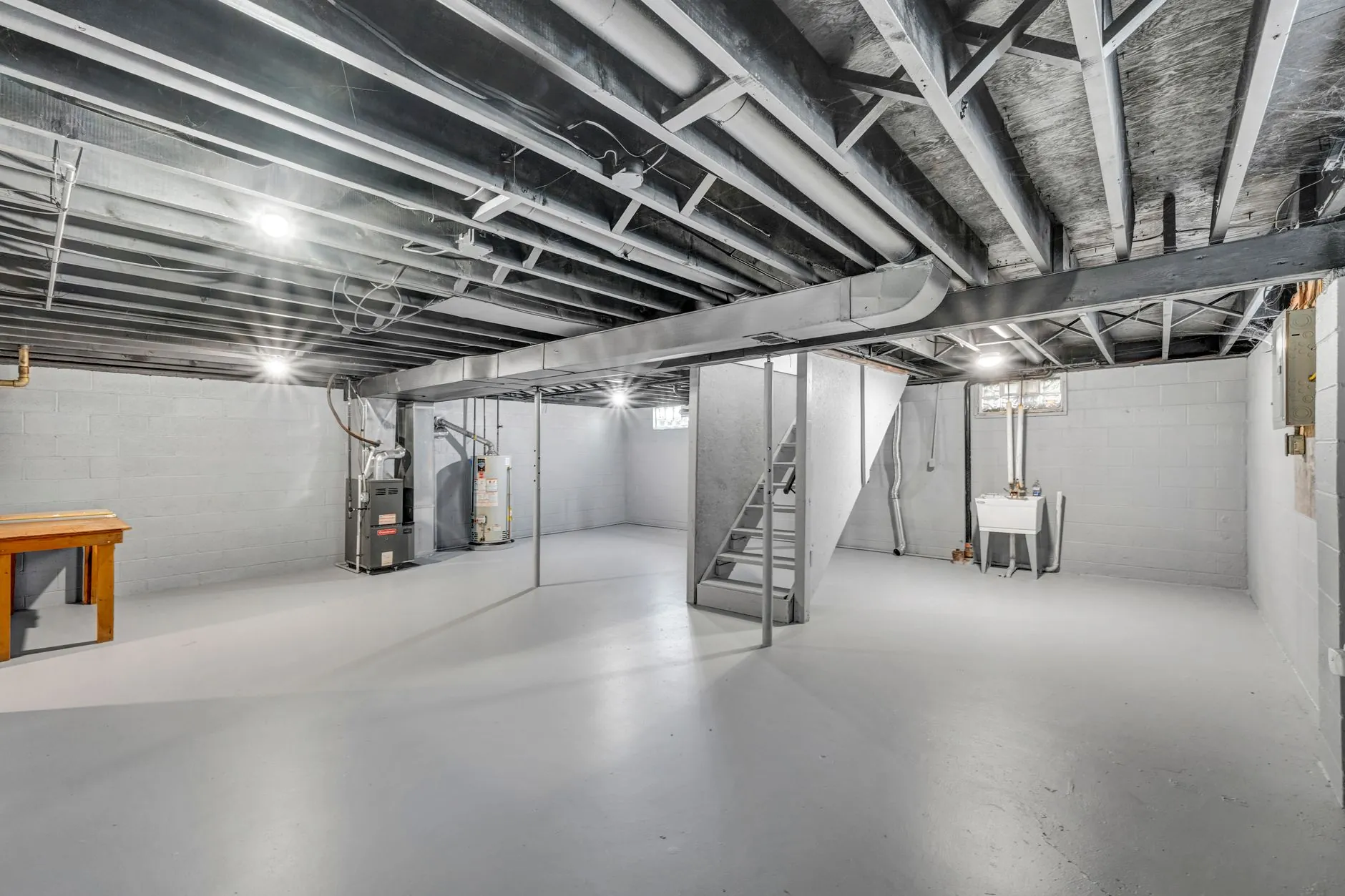
Photo by Josh on Pexels.
A basement renovation can add a comfortable living area, a home office, or much needed storage. It can also hide problems that are easier to address before the walls and floors go in.
Before choosing paint colors or flooring, take time to understand how moisture behaves in the space. Water can enter through a foundation wall, rise through a floor, collect near the house after rain, or come from a plumbing leak. The right renovation plan starts with finding the source.
Look for Signs That Moisture Is Present
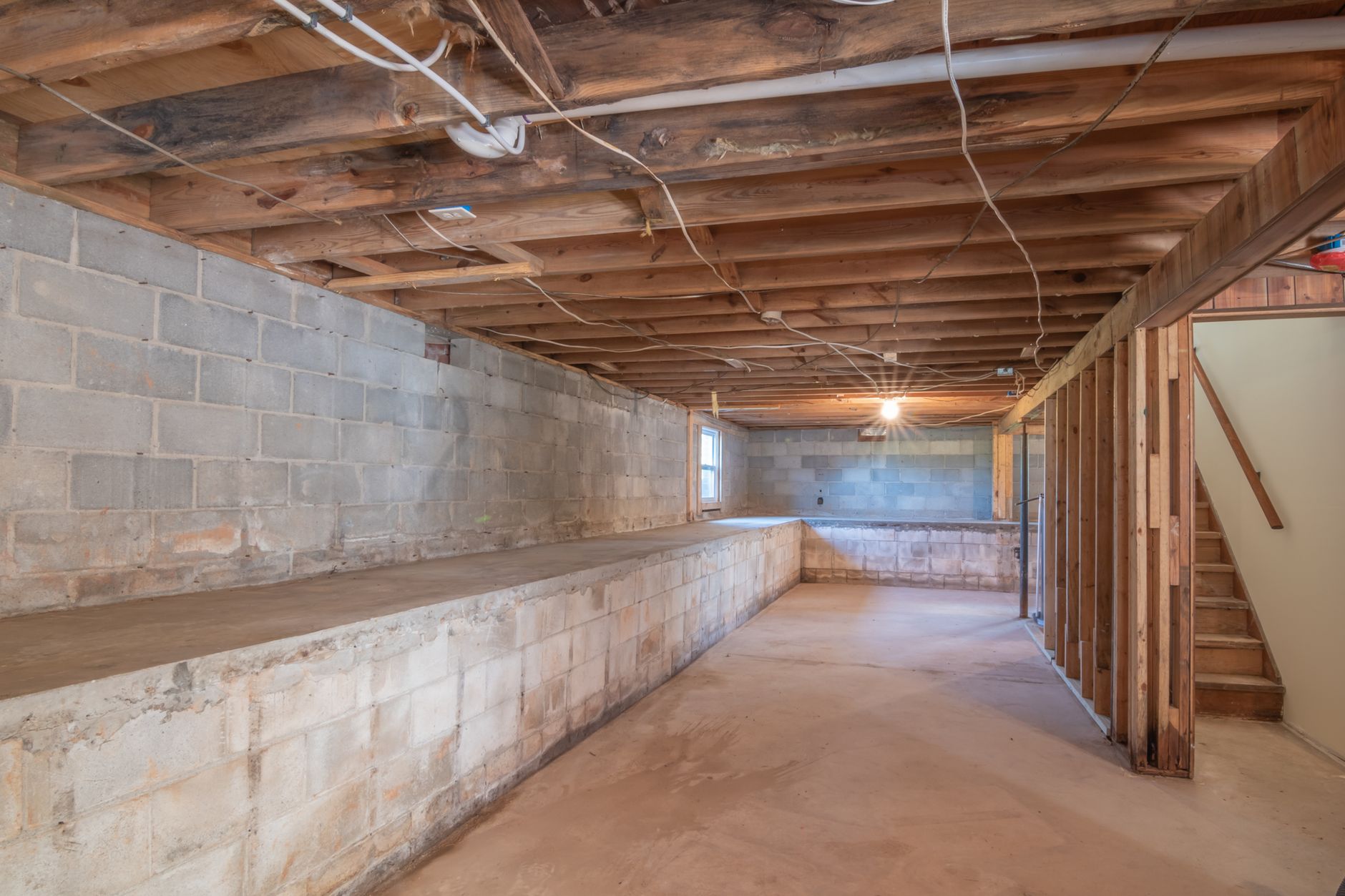
Some signs are easy to spot. Puddles, damp walls, and active leaks call for attention. Other clues can seem minor: a musty smell, peeling paint, white residue on masonry, rust on metal shelving, or flooring that feels damp after a storm.
Check the basement at different times, especially after heavy rain or snowmelt. Look around the foundation walls, floor edges, windows, and plumbing connections. Note where water appears and whether the issue happens only during certain weather.
Do not cover stains or apply fresh paint before understanding what caused them. A clean surface can improve the room’s appearance, but it will not stop water from entering.
Check How Water Moves Around the House
Start outside. Gutters should carry roof water to downspouts, and downspouts should release it away from the foundation. Look for clogged gutters, loose connections, or water collecting beside the house.
Walk around the foundation after rain. Check whether the ground slopes toward the house or holds water in low spots. Also look for cracks, gaps around basement windows, and areas where paving directs runoff toward the foundation.
These checks may reveal simple maintenance issues. If water keeps returning, the problem may involve drainage or the foundation and need a closer assessment.
Separate Humidity From Water Entry
A basement can feel damp even when no water is visibly coming in. Humid air can settle on cool surfaces and create condensation. A dehumidifier may help control moisture in the air, but it will not fix water entering through a wall or floor.
Notice whether moisture appears on cold pipes, windows, or exterior walls. Check for plumbing leaks as well. If the room smells musty or materials remain damp, identify the source before installing insulation or closing the walls.
Choose Finishes After You Understand the Conditions
Basement finishes need to suit the space. Materials that work well upstairs may not be a good fit in a room with a history of moisture.
Before installing flooring or wall coverings, ask how the proposed materials handle damp conditions and how you would inspect the wall or floor if a problem returned. Leave access to plumbing shutoffs, cleanouts, and other equipment that may need service.
Plan storage with the same care. Keep cardboard boxes and other moisture sensitive items off the floor, and leave space around exterior walls so you can spot changes. In a basement that has had water problems, these small choices can make future inspections easier.
Get a Professional Assessment When Problems Return
A one time spill from a broken pipe is different from water that returns after storms. Repeated seepage, standing water, or damp areas that keep coming back deserve a closer look before renovation work begins.
Homeowners on Long Island can ask ACM Basement Waterproofing to assess recurring basement water entry and discuss possible next steps. Ask any contractor to explain what they believe is causing the problem, what work they recommend, and what signs you should monitor afterward.
Make Moisture Part of the Renovation Plan

A basement can become a more useful and inviting part of the home, but the design should follow the condition of the space. First identify moisture sources. Then decide what repairs or drainage work the basement needs. Once those steps are clear, you can choose finishes and furnishings with more confidence.
Taking time to address water concerns before closing up walls can help protect the renovation and make the finished room easier to maintain.



 Blankets and Throws
 Home Accessories
 Furniture
 Rugs
 Cushions

 Kitchen
 Cutlery and Dinnerware
 Drinkware
 Table Mats and Coasters
 Dining Accessories
 Tablecloths and Napkins

 Decorative Items
 Vases and Planters
 Wall Decor

 Bathroom Accessories
 Bathroom Storage
 Bath and Shower Mats
 Towels