Coffee-Table Books for Design, Architecture & Photography Lovers
 By Laura Jones
A practical way to choose coffee-table books for readers of design, architecture, and photography
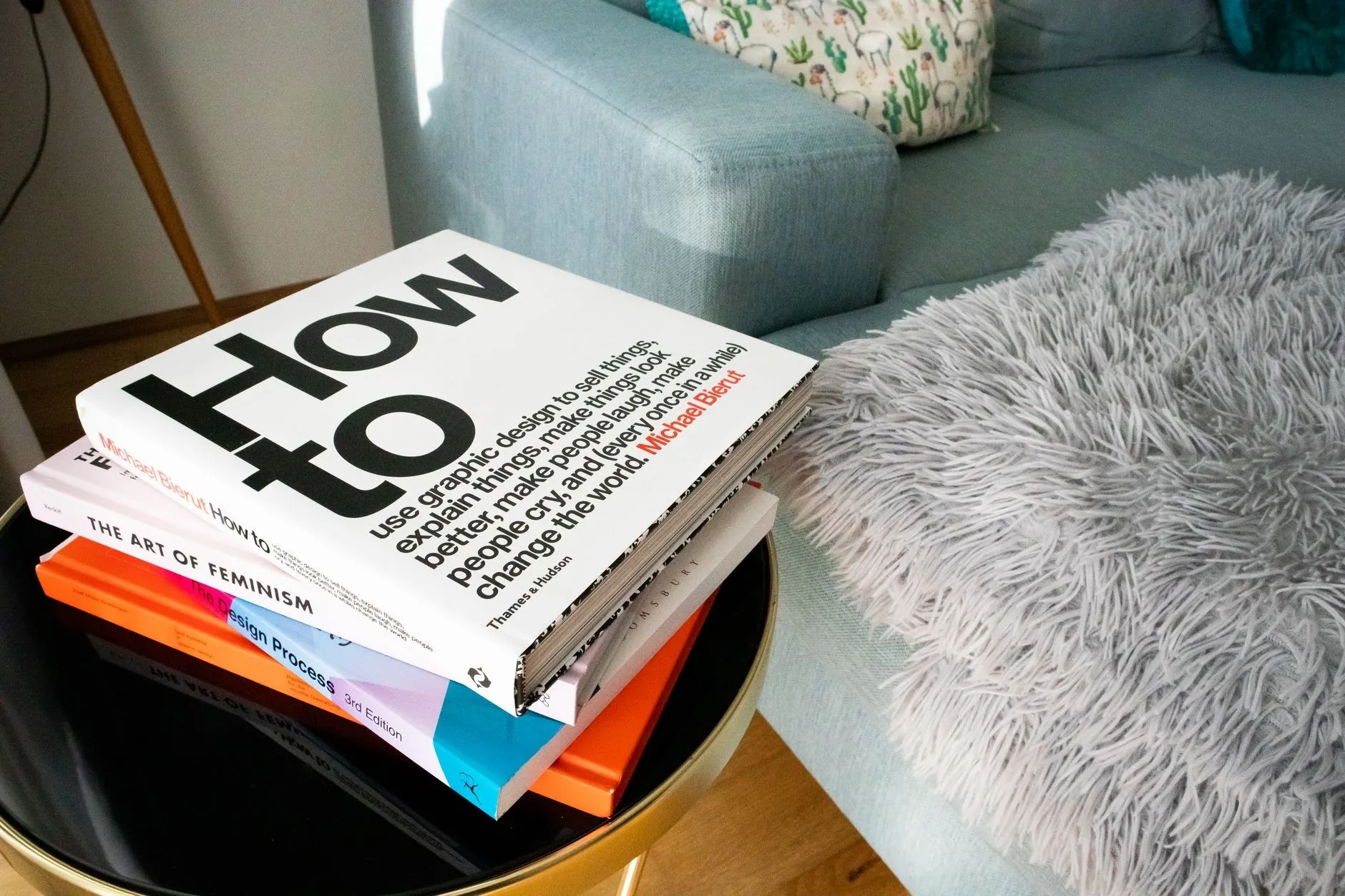
Illustrative image: Photo by Walls.io on Pexels
A coffee-table book is a peculiar gift because it has two jobs. It has to reward the person who opens it, and it has to earn the square foot of furniture on which it will live. The second test matters more than it sounds. A handsome spine that never gets opened is decoration with a dust jacket.
For a reader interested in design, architecture, or photography, the useful question is not which title has the loudest cover. It is what kind of looking it teaches. A monograph can sharpen an eye for proportion; a photographic archive can change how a familiar building is remembered; a broad survey can give a curious novice a way into the subject without pretending that one book is the canon.
The five books below are grouped by the kind of attention they invite. Publication details are taken from the publishers’ product pages and archived listings, rather than retailer listings, so this is a reading list rather than a price guide. Stock and editions can change. Check the ISBN before buying, especially when a title exists in several formats.
First, choose the reader, not the room
| For the person who… | Start with | Why it works |
|---|---|---|
| Wants a broad architecture reference | Modern Architecture A–Z | Alphabetical entries make it easy to dip in without needing a syllabus. |
| Looks at buildings through photographs | Ezra Stoller | It treats architectural photography as a record with its own point of view. |
| Collects color ideas | Spectrum | John Pawson’s image sequence pays attention to color, texture, and proportion. |
| Likes contemporary image-making | Shooting Space | It brings together photography that uses architecture as a subject, rather than a backdrop. |
| Wants an interiors-led gift | Heidi Caillier: Memories of Home | An interiors monograph makes a more personal choice than a generic decor volume. |
For the architecture reader who wants a map: Modern Architecture A–Z
Published by TASCHEN, Modern Architecture A–Z is the sensible choice for the person who is starting to connect names, movements, and buildings. The publisher lists the English hardcover at 672 pages, 25 × 34 cm, with ISBN 978-3-8365-8316-9. That scale is part of the gift: it is generous enough to be visual, but its A-to-Z structure means it does not demand that the reader begin at page one.
This is the book to give someone who keeps saving buildings without knowing whether they are looking at a Gaudí interior, a SANAA project, or a midcentury office block. It will not replace a focused study of any one architect. That is its trade-off. It gives orientation, which is often more useful at the beginning.

For the photographer and the architecture obsessive: Ezra Stoller
Pierluigi Serraino’s Ezra Stoller: A Photographic History of Modern American Architecture is not merely a book of attractive buildings. Phaidon describes it as a 416-page hardback with 450 photographs and ISBN 9780714879222. Stoller’s images helped establish how much of postwar American architecture was seen, remembered, and circulated.
That makes it a good gift for the reader who has moved beyond asking whether a room is beautiful and has begun asking what the photograph leaves in and leaves out. Pair it with Kooihaus’s guide to using natural light in interior photography and the book becomes an invitation to look at light as construction material, not just atmosphere.
For a color-minded minimalist: Spectrum
John Pawson’s Spectrum is an unusually good answer to the assumption that minimalism must mean a narrow palette. Phaidon lists 320 images across 352 pages, in a 245 × 210 mm hardback, ISBN 9780714875286. Pawson’s photographs move through color by way of surfaces, shadows, fragments, and spatial arrangements.
Give this to the person who has a stack of paint cards but needs a lesson in restraint. The useful takeaway is not to copy a shade. It is to notice how a muted field can change when a small saturated object or a band of daylight is allowed to do the work. That is also why it sits well beside our white interior design palette guide: neither treats white as empty.
For someone who reads images as arguments: Shooting Space
Shooting Space: Architecture in Contemporary Photography, edited by Elias Redstone and published by Phaidon, is a better gift for the person who visits exhibitions than for the person seeking a decorating manual. The publisher identifies the book with ISBN 9780714867427 and frames it around contemporary photography’s use of architectural space.
The distinction matters. Architecture books often make buildings appear frictionless: clean walls, vacant rooms, perfect weather. Photography can also question that smoothness, showing occupation, scale, distance, or the oddness of a structure in its setting. This one is for a reader who enjoys the gap between a building and the image that represents it.
For the interiors reader: Heidi Caillier: Memories of Home
Rizzoli presents Heidi Caillier: Memories of Home: Interiors as a look at the designer’s layered rooms, with attention to pattern, color, and natural materials. Its publisher identifies the edition by ISBN 9780847873470. Choose it for someone who likes seeing how furnishings and finishes accumulate into a room, rather than for a reader seeking a neutral encyclopedia of design history.
The trade-off is specificity. A monograph follows one designer’s decisions and will not represent every way of making a home. That point of view is exactly why it can make a stronger gift than a compilation: the recipient can return to a sequence of rooms and compare the choices from one project to another.
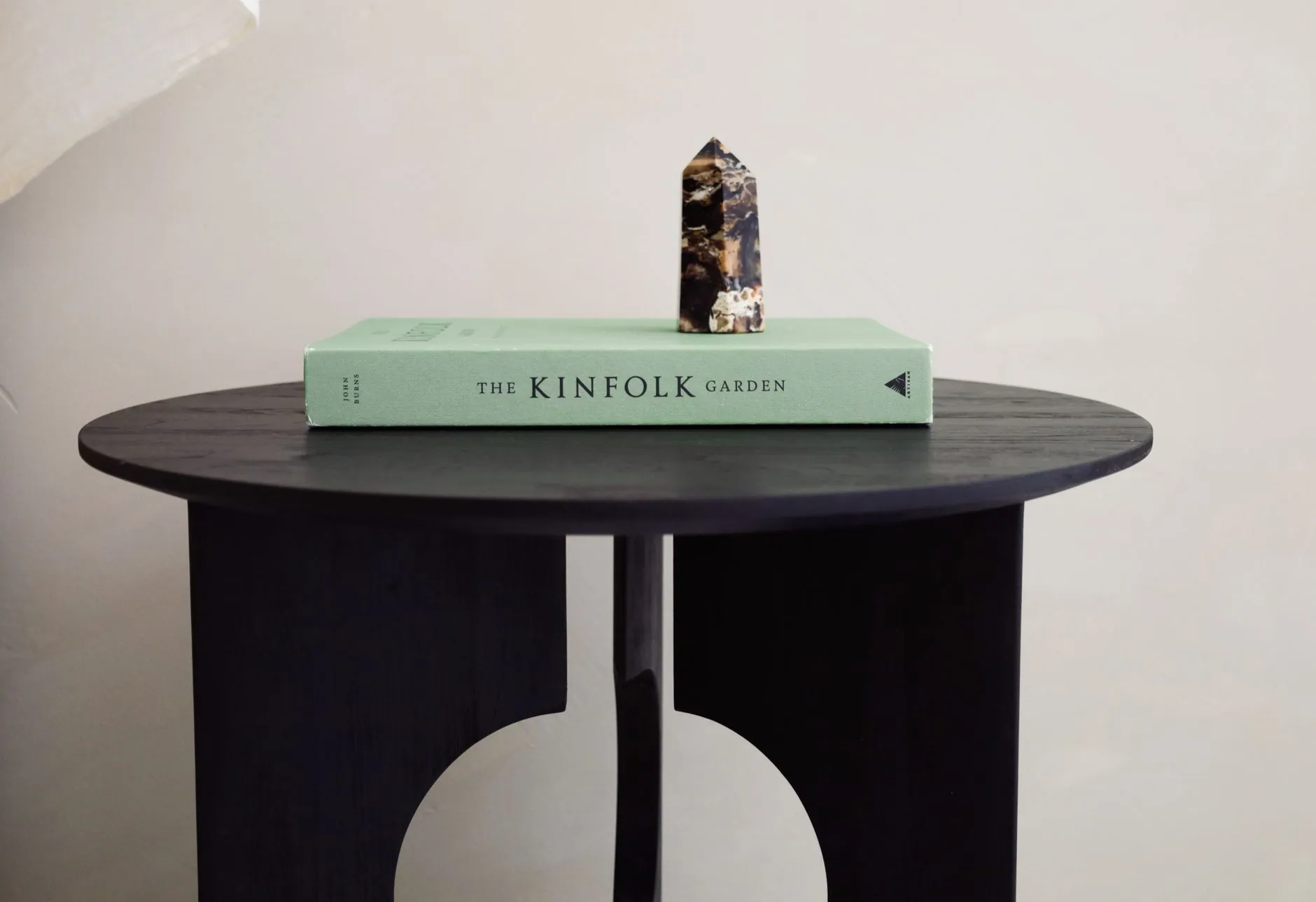
Check the edition before you wrap it
Search the publisher’s page for the ISBN, binding, dimensions, and page count. A compact edition can share a title with a much larger volume, so a photograph of the cover alone is not enough to establish the size. The large TASCHEN survey and its smaller Bibliotheca Universalis edition, for example, have different ISBNs and dimensions. Decide whether the recipient has room for the larger book before choosing it.
Think about how the person reads. A heavy volume may be wonderful on a sturdy table but awkward to hold in bed or carry on a commute. A smaller hardback may be easier to revisit even if its pictures have less room to breathe. Consider a library copy or a local bookstore browse when you can: neither a glowing review nor a beautiful jacket tells you how the pages feel to turn.
A coffee table is not the only sensible place for a visual book. A shelf, bedside surface, or reading chair can make it easier to reach. The question of access matters more than arranging a perfect stack. For a furniture perspective, our guide to Japandi coffee tables looks at how the surface itself fits a room.
Match the book to a question
For the beginner, a broad reference offers names and connections that can guide the next purchase. For someone already immersed in architecture, a photographer’s archive offers a narrower lens and avoids repeating the basics. A reader interested in rooms may enjoy comparing Caillier’s materials and patterns across projects; a color enthusiast may prefer Pawson’s photographs, where a detail can carry an entire page.
If you do not know the recipient’s shelves, write the reason for your choice inside a card rather than guessing that the title is missing from their collection. A duplicate is easier to exchange when you keep the receipt and check the seller’s return terms. Avoid assuming a current listing means the same edition will remain available: ISBN and stock should be checked at the time of purchase.
The gift test: will it be opened again?
There is no need to pretend that every coffee-table book is a research library. Some are simply a pleasure to hold. But the best ones keep producing questions after the first flip: How was that room lit? Why does that photograph make the facade feel larger? What does the image crop away?
Worth giving: a specific title matched to an existing curiosity. Skip: a glossy volume chosen only because its cover matches the recipient’s sofa. The book should disturb the room a little. That is how it earns its place there.
Frequently asked questions
What makes a coffee-table book a good gift?
A good choice matches the recipient’s actual interest and offers enough visual and editorial depth to return to. Check format, edition, and ISBN with the publisher before ordering.
Should I choose a new release or a classic?
Choose a new title when the recipient follows a working designer or current practice. Choose a classic when they want a durable reference, such as a survey of modern architecture or a major photography archive.
Are coffee-table books only decorative?
No. Their visual format can be a serious way to study buildings, interiors, objects, and photographs. Decoration is a bonus, not the criterion.






 Blankets and Throws
 Home Accessories
 Furniture
 Rugs
 Cushions

 Kitchen
 Cutlery and Dinnerware
 Drinkware
 Table Mats and Coasters
 Dining Accessories
 Tablecloths and Napkins

 Decorative Items
 Vases and Planters
 Wall Decor

 Bathroom Accessories
 Bathroom Storage
 Bath and Shower Mats
 Towels