FREE WORLDWIDE TRACKED SHIPPING

Your Garage Door Is Part of the Exterior Design: Seven Decisions Worth Making Carefully
 By Alex Carter
Seven practical decisions that help a garage door suit the house, work safely, and hold up to everyday use
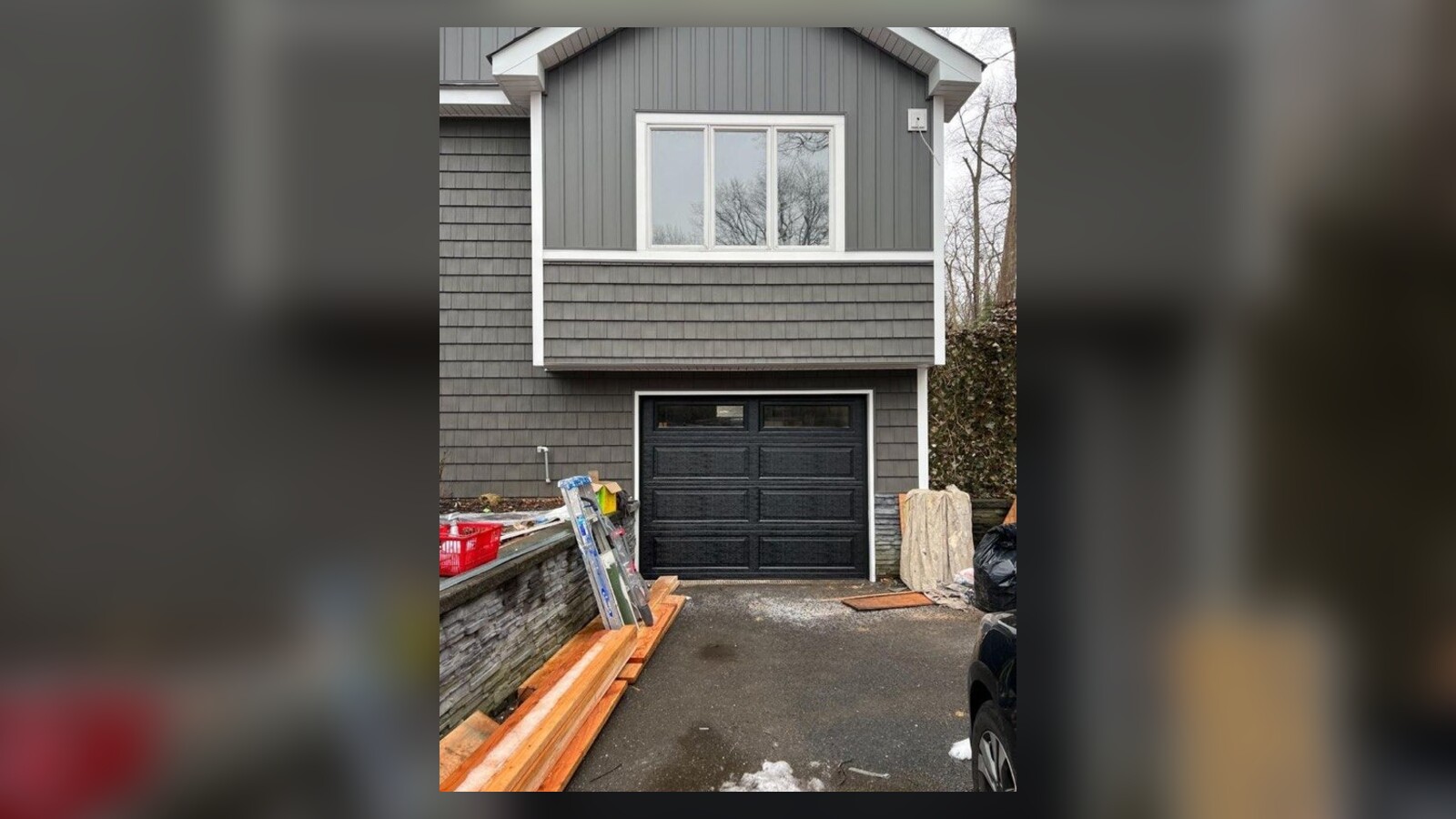
A house can have beautiful siding, carefully chosen lighting, and an entrance that feels considered from every angle. Then there’s the garage door: an enormous rectangle that often takes up more of the street-facing elevation than anyone planned for. It’s easy to treat it like a piece of equipment rather than part of the design, but its color, texture, proportion, and hardware can change the way the entire house reads.
That doesn’t mean the most expensive door is automatically the right one. A good decision takes the architecture and the everyday use of the garage seriously. Here are seven details worth thinking through before placing an order.
1. Start with the proportions already there
Before choosing a panel pattern, stand across the street and look at the overall elevation. Is the garage door centered, offset, or tucked beneath another floor? Is it the first thing you see from the driveway? Does the surrounding façade have strong horizontal or vertical lines?
A long, low house might benefit from quiet horizontal detailing. On a more traditional home, restrained raised panels can look more natural than a contemporary full-view door. The goal is not to make every feature compete for attention. It’s to help the garage opening feel like part of the original design.
2. Treat color as a relationship, not an isolated sample
A door color is never viewed alone. It sits beside siding, brick, stone, trim, roofing, and landscape. A white sample that looks crisp in a showroom may look cool against cream-colored stucco. A dark charcoal door may create a striking contrast, but it can also dominate a small frontage if everything around it is pale.
Ask for a large color sample when possible. Look at it outdoors in morning light and again near sunset. If you’re debating a wood-look finish, compare the undertone with any visible wooden beams, entry door, or fencing. Matching everything exactly is less important than avoiding finishes that fight each other.
3. Be careful with windows
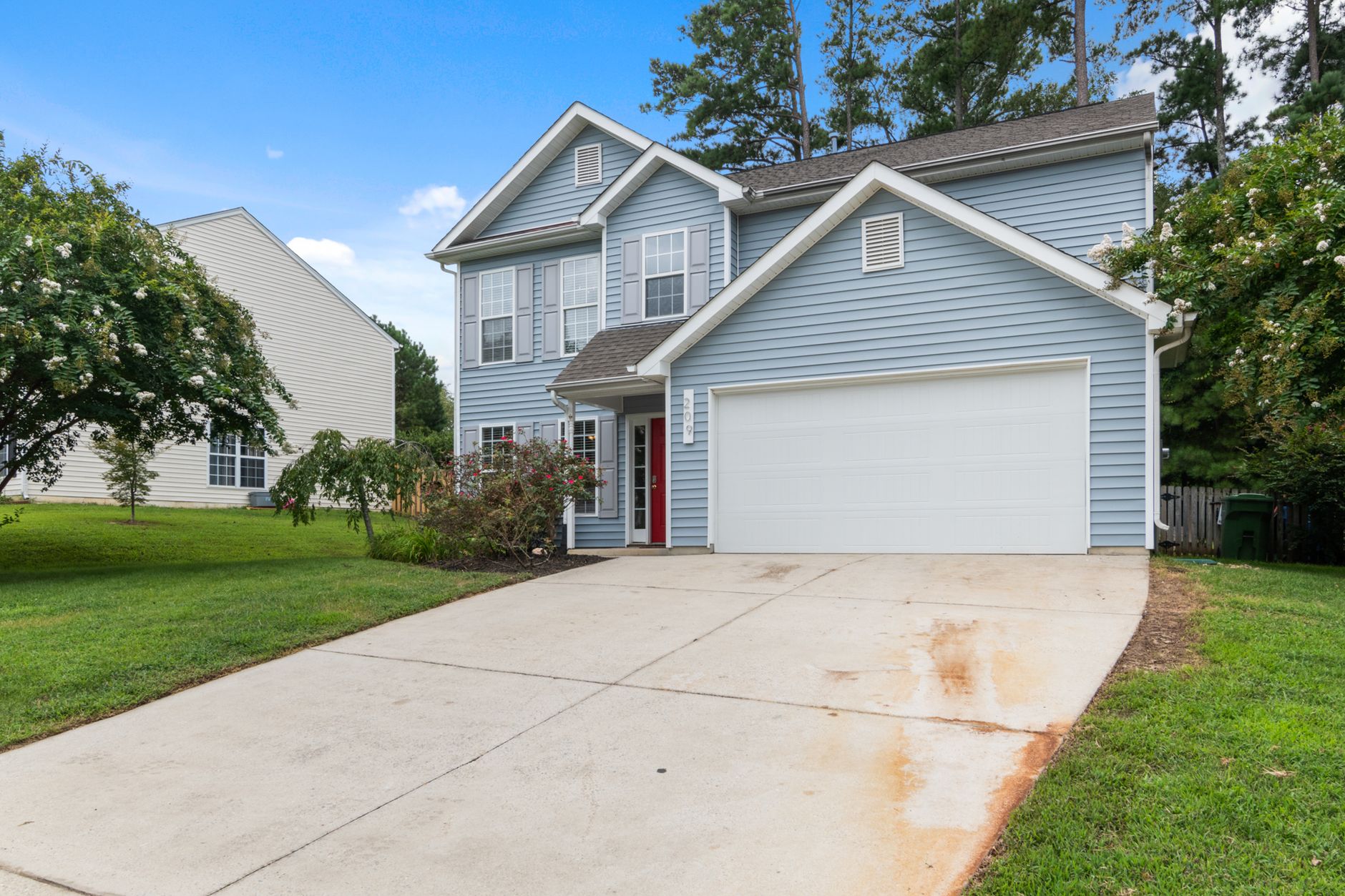
Windows can soften a broad wall of panels, bring daylight into a workshop, and make a simple door look more architectural. But they also introduce privacy, glare, and placement questions.
If the garage faces the street, think about what someone can see from the sidewalk at night when the interior lights are on. High-set glazing may be more useful than a large row of eye-level windows. Also consider the house’s other windows: repeating a proportion or grid pattern usually looks more intentional than introducing an entirely new visual language.
Don’t select glazing based on appearance alone. Ask about the material, privacy options, and how the window design affects the door’s construction and maintenance.
4. Choose texture that suits the climate and upkeep you want
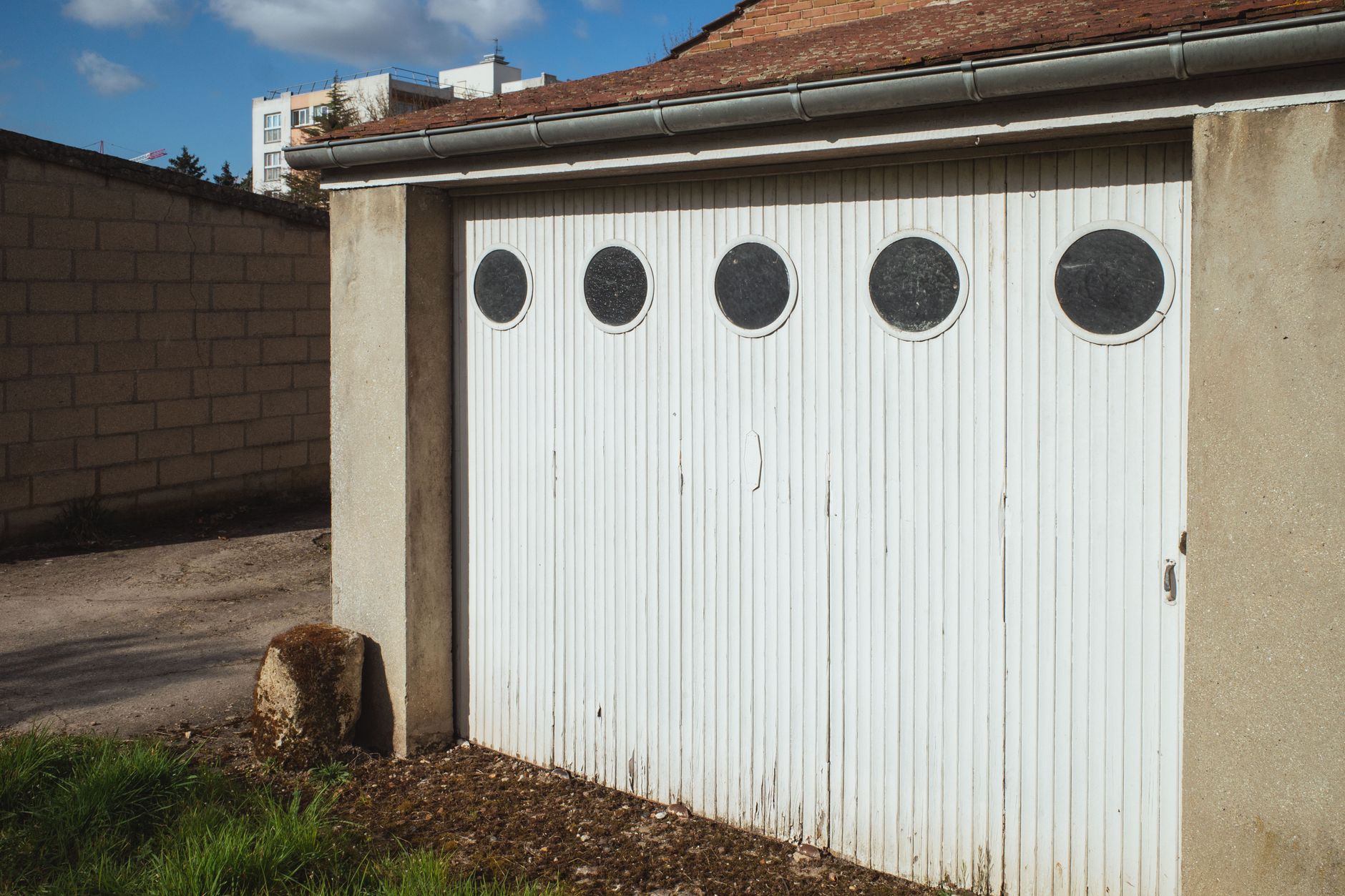
A smooth painted surface, a subtle stamped grain, and a natural-material look all create different effects. Some finishes are easier to clean than others, and exposure to sun, moisture, and coastal air can matter when choosing materials and hardware.
A house near the water may benefit from a more careful discussion about corrosion resistance and routine inspection. An urban driveway that picks up road dust might benefit from a surface that’s simple to wipe down. Good design should still look good after several seasons of ordinary use.
5. Design around how the garage actually functions
A garage used only for parking asks different things of a door than one used as a home workshop, laundry area, or storage room. If the garage is attached to conditioned living space, insulation and perimeter sealing may be worth extra attention. If the opening is narrow or headroom is limited, track configuration and opener placement can influence the available design choices.
This is the point where a designer’s mood board should meet a real site assessment. Measurements, clearances, and existing hardware can rule certain options in or out. A concept that looks stunning in a photograph isn’t much use if it cannot operate safely in the actual opening.
6. Make sure the hardware matches the promise of the new door
It’s tempting to focus entirely on the visible panels. Yet tracks, rollers, springs, cables, brackets, sensors, and opener compatibility determine whether the finished installation works as intended.
Before reusing existing hardware, ask a qualified installer to evaluate its condition and suitability. A heavier replacement door can have different requirements from the old door. High-tension spring and cable work should never become a homeowner DIY experiment; these systems can be dangerous when mishandled.
A carefully chosen door deserves an equally considered installation. The best aesthetic choice is undermined if the result moves unevenly or leaves visible gaps.
7. Compare estimates based on the finished result
A headline price can be useful for narrowing options, but it rarely tells the whole story. Confirm the actual door size, construction, finish, glazing, standard installation scope, removal of the existing door, hardware, taxes, and any additional work. If a custom size or insulated model changes the price, ask for a separate written quote before approving it.
It also helps to understand who handles the installation and what the warranty covers. Those details are less glamorous than panel styling, but they shape the experience of living with the new door long after the project photos are taken.
A practical final step
Take two photographs: one straight-on view of the house from the street and one closer view of the existing door and tracks. Write down how the garage is used, what you dislike about the current door, and which design choices are non-negotiable. A productive conversation with a contractor begins much faster when both the appearance and the practical constraints are clear.
For homeowners in New York City boroughs and Suffolk County, NorthLine Garage Doors is one local source for discussing residential garage door options and installation. The company contributed service-area and practical installation context to this article. Whatever contractor you choose, the right door should make sense on the house, function safely, and come with a scope of work you understand.
A garage door doesn’t have to announce itself to look good. Often its most successful design achievement is that it finally looks as though it belongs.



 Blankets and Throws
 Home Accessories
 Furniture
 Rugs
 Cushions

 Kitchen
 Cutlery and Dinnerware
 Drinkware
 Table Mats and Coasters
 Dining Accessories
 Tablecloths and Napkins

 Decorative Items
 Vases and Planters
 Wall Decor

 Bathroom Accessories
 Bathroom Storage
 Bath and Shower Mats
 Towels