FREE WORLDWIDE TRACKED SHIPPING
I Went Through the Entire IKEA PS 2026 Collection – These 4 Ideas Are Worth Stealing for a Small Space
 By Alex Carter
A practical look at IKEA PS 2026 small-space ideas worth stealing, from rolling furniture and round tables to portable lamps and one playful focal point.
Courtesy of IKEA. Source: IKEA Global.
Small rooms rarely fail because they are small. They fail because the furniture asks too much from them.
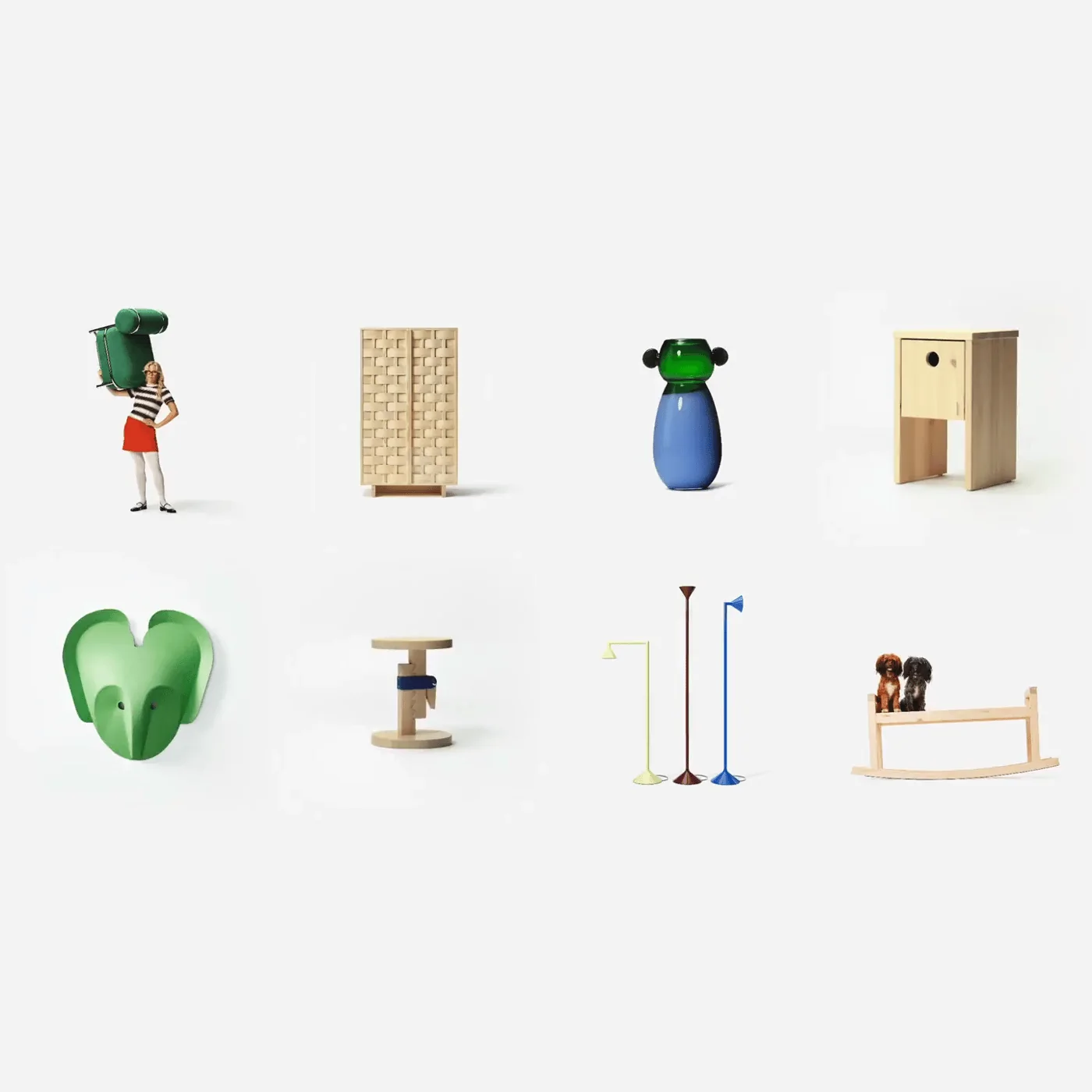
That is the useful idea hiding inside IKEA PS 2026. I went through IKEA’s official PS 2026 collection pages, and the best lesson is not a single chair, lamp, table, or trolley. It is the way the collection keeps returning to the same small-space question: what if furniture could be less permanent?
That matters if your living room is also your work zone, your dining corner, your guest room, and the only place where a side table can possibly go. Most small-space advice tells you to buy hidden storage and keep everything calm. That advice is not wrong, but it can make a home feel like it is being managed instead of lived in.
IKEA PS 2026 points to a better middle ground: playful furniture with a job to do. Not every piece is worth copying. Some are better as a design signal than a real-life purchase. But four ideas are genuinely worth stealing for a small space.
The quick verdict
Worth stealing:
- furniture that moves before the room feels stuck
- small round surfaces that soften circulation
- portable lighting that follows the routine
- one playful statement piece against a calm foundation
Skip if:
- the piece only looks clever but does not solve a real problem
- your room already has too many colors, patterns, or open shelves
- the item makes the walking path worse
- you are buying a product because it is new, not because it earns its footprint
1. Steal the movement, not necessarily the exact trolley
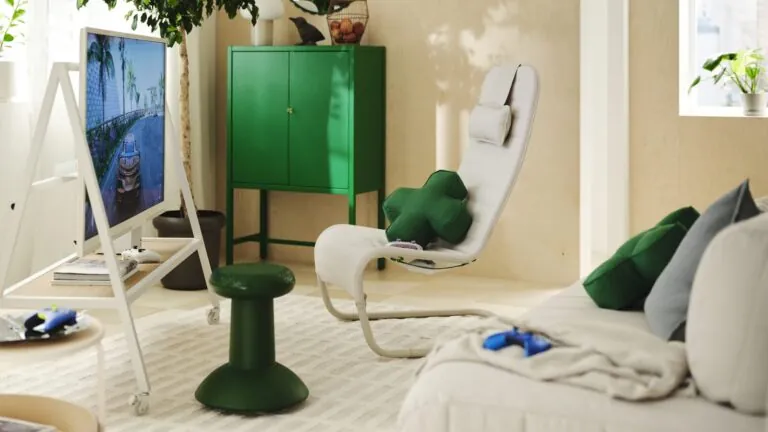
The strongest small-space idea in IKEA PS 2026 is movement. A rolling table, trolley, mobile surface, or flexible seat can do something fixed furniture cannot: leave.
That sounds basic, but it changes the whole room.
A small table on wheels can sit beside the sofa at night, hold a laptop in the morning, move next to the bed when guests stay over, and disappear when you need floor space. A trolley can hold coffee gear, craft supplies, a portable lamp, or entryway overflow without pretending to be a permanent cabinet.
This is where the collection connects naturally to the bigger design logic behind Bauhaus and IKEA: usefulness first, but not usefulness without character.
Verdict: worth stealing if one object in your room is already doing three jobs badly.
Skip if the trolley or rolling table will become a parked clutter tower. Mobility only helps when the object actually moves.
2. Steal the round-table logic
IKEA’s official PS 2026 material calls out round tables as useful for small spaces because they bring people closer together. That is more than a friendly design phrase.
In a compact room, corners are expensive. They interrupt walkways. They catch hips. They make a space feel tighter than it measures.
A round table changes the way people move around a room. It can work as a breakfast table, laptop spot, game table, flower stand, or evening drinks surface without feeling as formal as a rectangular dining table.
This is a small but practical idea for anyone already thinking about smart interior changes that actually work in small homes. A room can feel larger when its furniture stops fighting the traffic path.
Verdict: worth stealing if your current table technically fits but makes the room awkward.
Skip if you need a desk-style surface pushed against a wall. A round table is softer, but it is not always more efficient.
3. Steal the portable-lighting mindset
Small homes need lighting that follows the day, not lighting that freezes the floor plan.
That is why the bendable and portable lighting ideas around IKEA PS 2026 are more useful than they first look. In a large home, every activity can have its own lighting zone. In a small home, the same corner may need to work for reading, laptop time, dinner, and winding down.
One overhead light cannot do all of that gracefully.
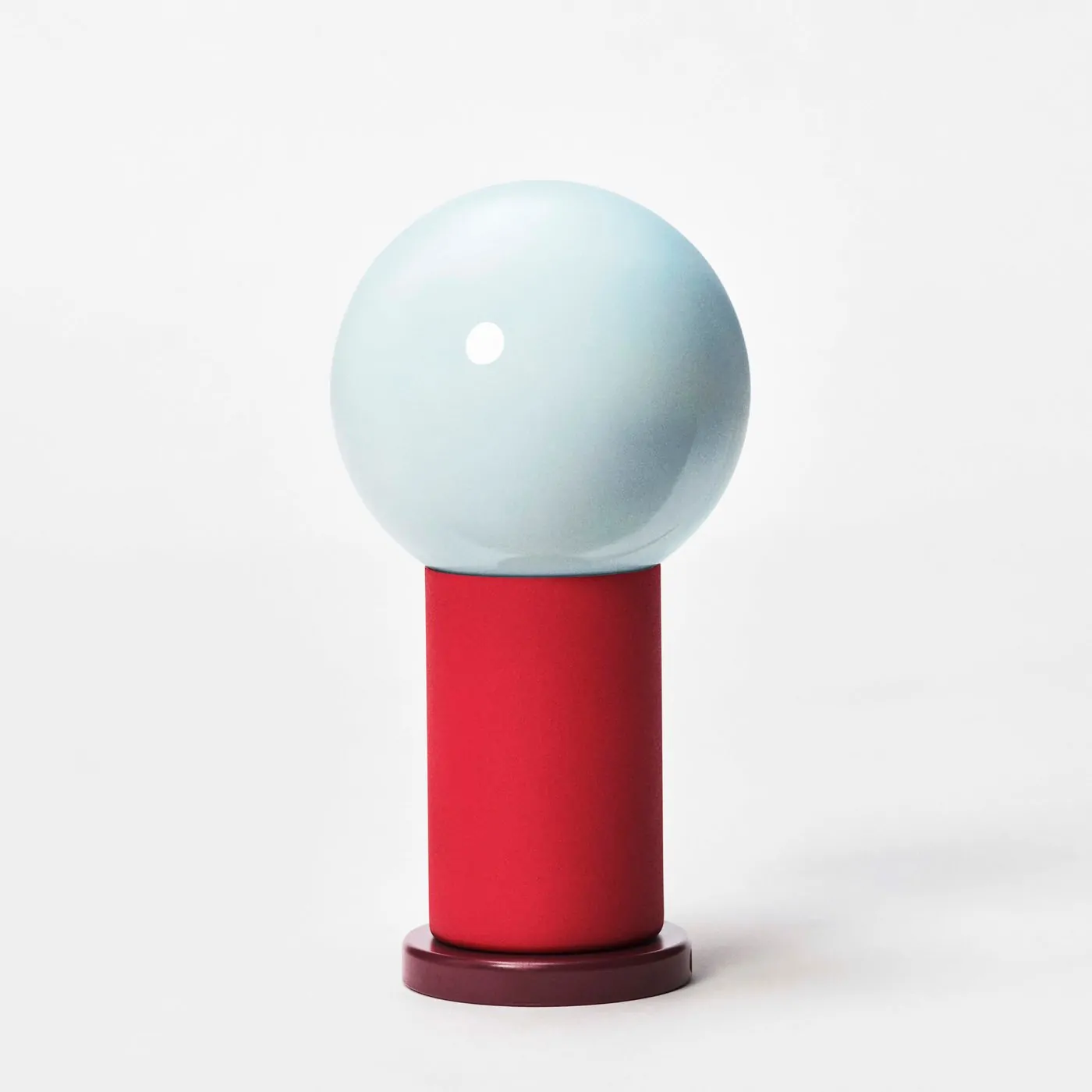
The better formula is layered and movable:
- general light for cleaning and daytime tasks
- one portable lamp that can move between shelf, desk, and bedside
- one focused reading or work light
- one softer evening source that makes the room feel deeper
For a more sculptural natural-material lighting family, compare our analysis of the IKEA VARPTROSS collection.
This is especially useful in a minimalist bedroom designed for a small space, where a lamp has to be both functional and visually quiet.
Verdict: worth stealing if you use the same corner for more than one routine.
Skip if the lamp is only decorative. In a small space, even playful lighting needs a real job.
4. Steal one playful piece, not the whole mood
The risk with a collection like IKEA PS 2026 is obvious: it can make you want the room to become more fun all at once.
That is usually the wrong move.
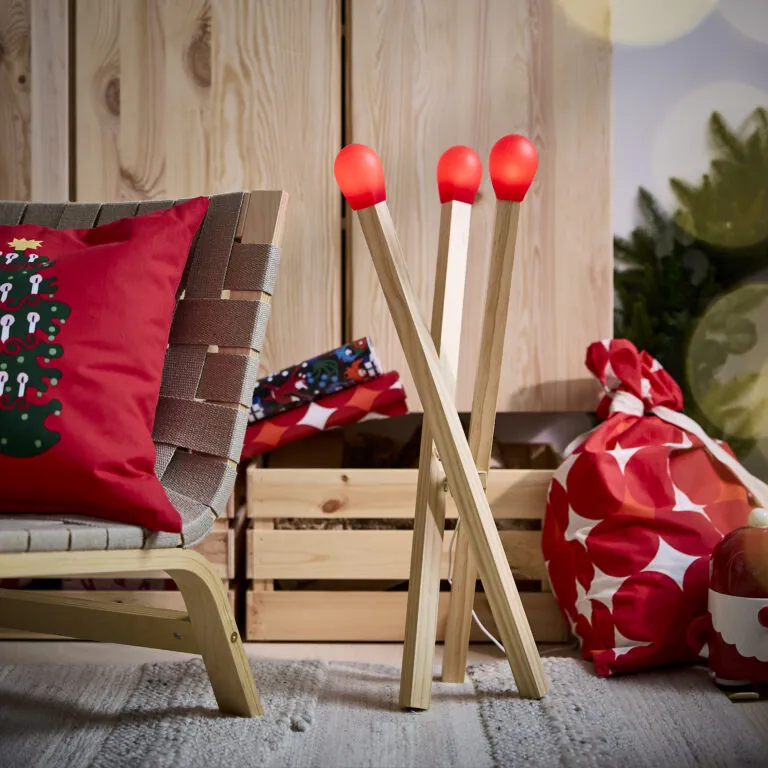
Small spaces can absolutely handle playfulness, but they need hierarchy. One expressive chair, one bright lamp, one strange little table, or one sculptural stool can make a room feel intentional. Five playful pieces can make it feel like a storage problem wearing a smile.
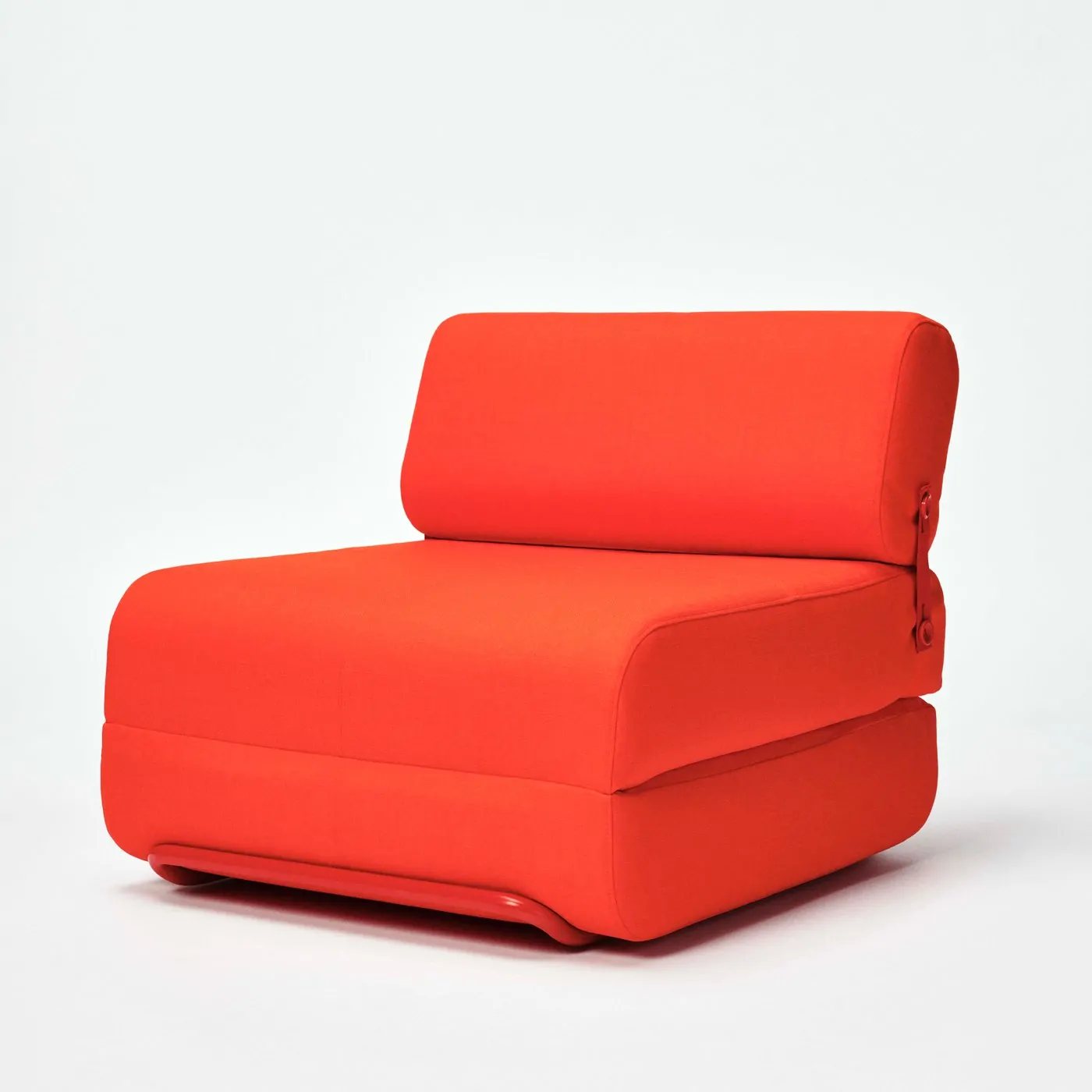
The safest formula is simple:
- calm foundation
- one playful focal point
- two or three repeating colors
- enough empty space around the object
This is also why the PS 2026 mood works better when paired with quieter small-home principles, like the ones in minimalist small-condo design. The expressive piece needs a room that can hold it.
Verdict: worth stealing if your room is already calm and needs one sharper note.
Skip if your room is visually busy already. In that case, steal the function: wheels, round shapes, lighter lighting, better storage. Leave the loudest object in the showroom.
The small-space map: PS 2026 ideas that translate
The useful part of IKEA PS 2026 is not a shopping list. It is a set of design behaviors. Here is the practical translation.
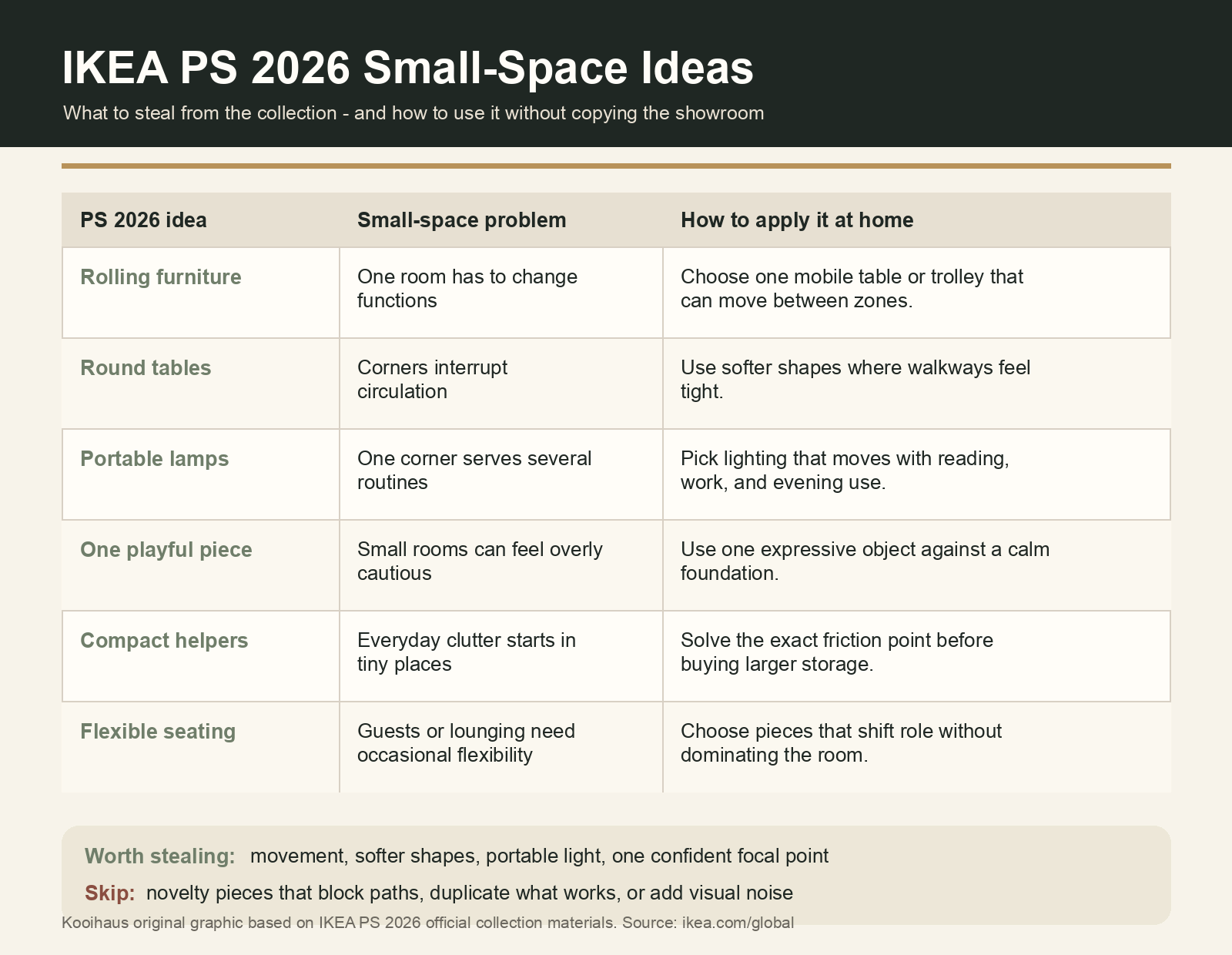
| PS 2026 idea | Small-space problem | How to apply it at home |
|---|---|---|
| Rolling furniture | One room has to change functions | Choose one mobile table or trolley that can move between zones |
| Round tables | Corners interrupt circulation | Use softer shapes where walkways feel tight |
| Bendable or portable lamps | One corner serves several routines | Pick lighting that moves with reading, work, and evening use |
| Playful statement pieces | Small rooms can feel overly cautious | Use one expressive object against a calm foundation |
| Compact storage helpers | Everyday clutter starts in tiny places | Solve the exact friction point before buying larger storage |
| Multifunctional seating | Guests or lounging need occasional flexibility | Choose pieces that can shift role without dominating the room |
What to skip from IKEA PS 2026
Skip anything that only performs novelty.
That is the sharpest test. A bright chair is not automatically brave. A rolling cart is not automatically flexible. A bendable lamp is not automatically useful. In a small home, clever furniture can become clutter faster than boring furniture because you give it permission to stay.
Skip the piece if it blocks a walkway.
Skip the piece if it needs empty space you do not have.
Skip the piece if it duplicates something that already works.
Skip the piece if the only reason you want it is that it makes the room feel more current.
The best small-space furniture should pass three tests:
- It solves a problem you can name.
- It works in more than one situation.
- It makes the room easier to reset, not harder.
If it does not pass those tests, enjoy it as a design idea and leave the product alone.
How to get the look without replacing everything
Start with the room, not the collection.
Walk into your smallest space and ask five questions:
- What do I move every day?
- What surface do I wish I had temporarily?
- Which corner changes purpose most often?
- Where does clutter begin?
- Which object feels too permanent for the way I actually live?
Then make one change.
A rolling side table can be enough. A smaller round table can be enough. A portable lamp can be enough. A bed pocket, pantry clip, or shelf divider can be enough if the real problem is tiny and repetitive.
That restraint is the difference between small-space design and small-space shopping. The goal is not to collect clever objects. The goal is to make the room easier to live in.
If your style leans warm, quiet, and natural, you can also translate the same ideas through Japandi furniture: lighter silhouettes, flexible pieces, fewer objects, better materials. The principle survives even when the color palette changes.
The takeaway
The best thing in IKEA PS 2026 is not furniture. It is an idea: small homes need pieces that can change role without taking over the room.
That is why the collection is worth watching even if you never buy a single item from it. It gives you a useful filter for your own space.
Move what needs to move. Soften what blocks the path. Let lighting follow the routine. Choose one playful piece only if the room has enough calm to support it.
Small spaces do not need less personality. They need furniture that knows when to step forward and when to get out of the way.
FAQ
Is IKEA PS 2026 good for small spaces?
Yes, the collection is strongly aligned with small-space living because many pieces emphasize movement, compact forms, flexible lighting, and multifunctional use. The best approach is to borrow the design ideas rather than buy every standout product.
What is the best IKEA PS 2026 idea for a small apartment?
The most useful idea is movable furniture. A rolling side table, compact trolley, or portable surface can help one room shift between work, dining, storage, and relaxing without adding permanent bulk.
Should I use colorful furniture in a small room?
Yes, but selectively. One playful or colorful piece can make a small room feel more intentional. Too many strong colors or unusual shapes can make the space feel busy, so keep the foundation calm.
Is the IKEA PS 2026 collection just a trend?
Some pieces are trend-led, but the underlying ideas are durable: flexible furniture, portable lighting, rounded shapes, and storage that solves specific daily problems. Those principles are useful beyond one collection.
What should I avoid when shopping for small-space furniture?
Avoid pieces that only look clever but do not improve daily use. In a small home, every item should either solve a problem, improve comfort, or make the room easier to move through.
For IKEA’s more art-led experiment, see our analysis of the IKEA KONSTRUNDA collection and the objects that deserve room to breathe.









 Blankets and Throws
 Home Accessories
 Furniture
 Rugs
Rugs Cushions
 Kitchen
 Cutlery and Dinnerware
 Drinkware
 Table Mats and Coasters
 Dining Accessories
 Tablecloths and Napkins
 Decorative Items
 Vases and Planters
 Wall Decor
 Bathroom Accessories
 Bathroom Storage
 Bath and Shower Mats
 Towels