FREE WORLDWIDE TRACKED SHIPPING
IKEA Calls This a Solid Birch Stool. Its Own Materials List Disagrees.
 By Alex Carter
IKEA's KOMPISHÄNG stools are tested for 220 lb and cost $60 a pair. The listing says solid birch; the materials list says the seat is painted fiberboard.
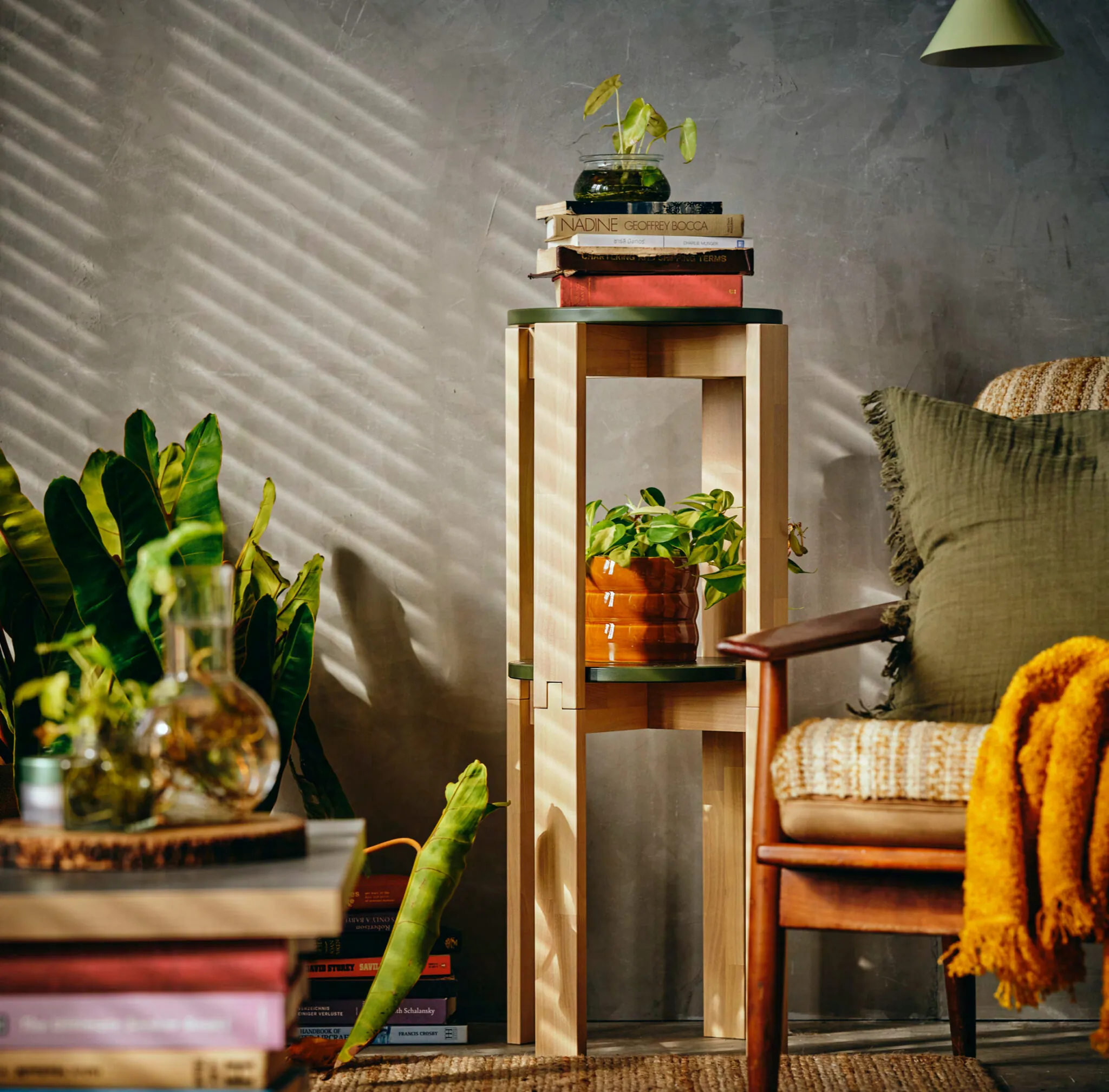
© Inter IKEA Systems B.V. 2026. Source: IKEA Newsroom press kit.
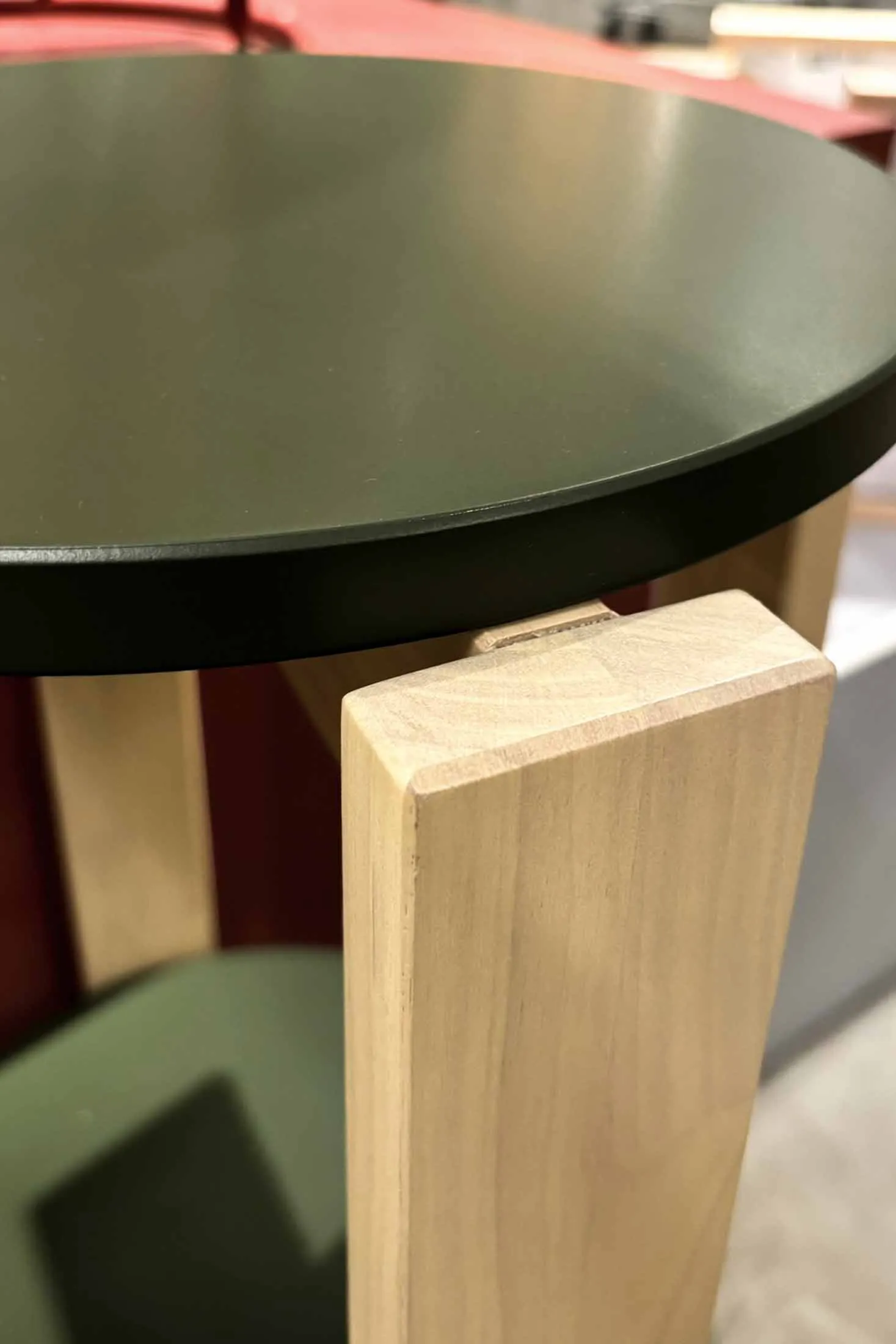
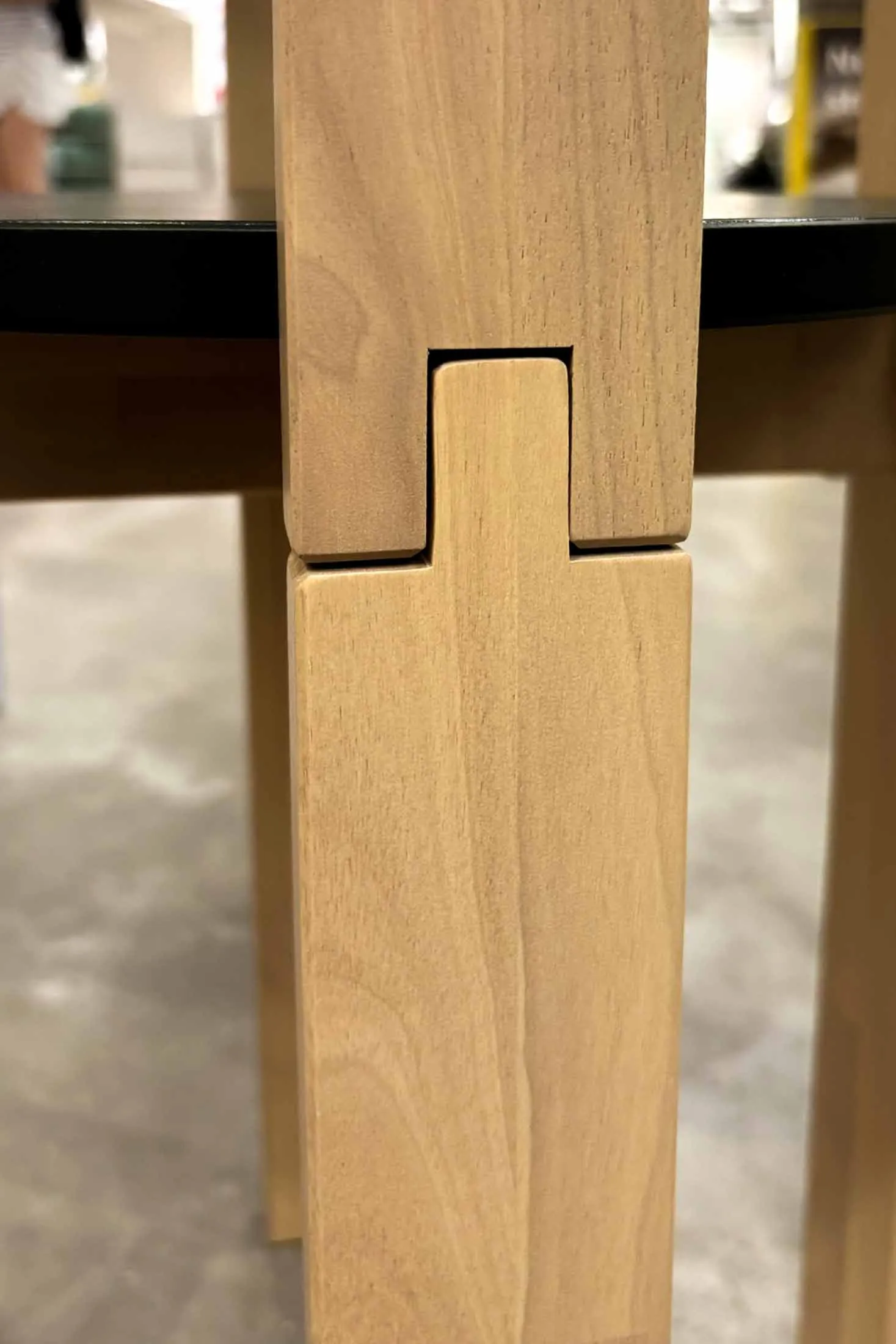
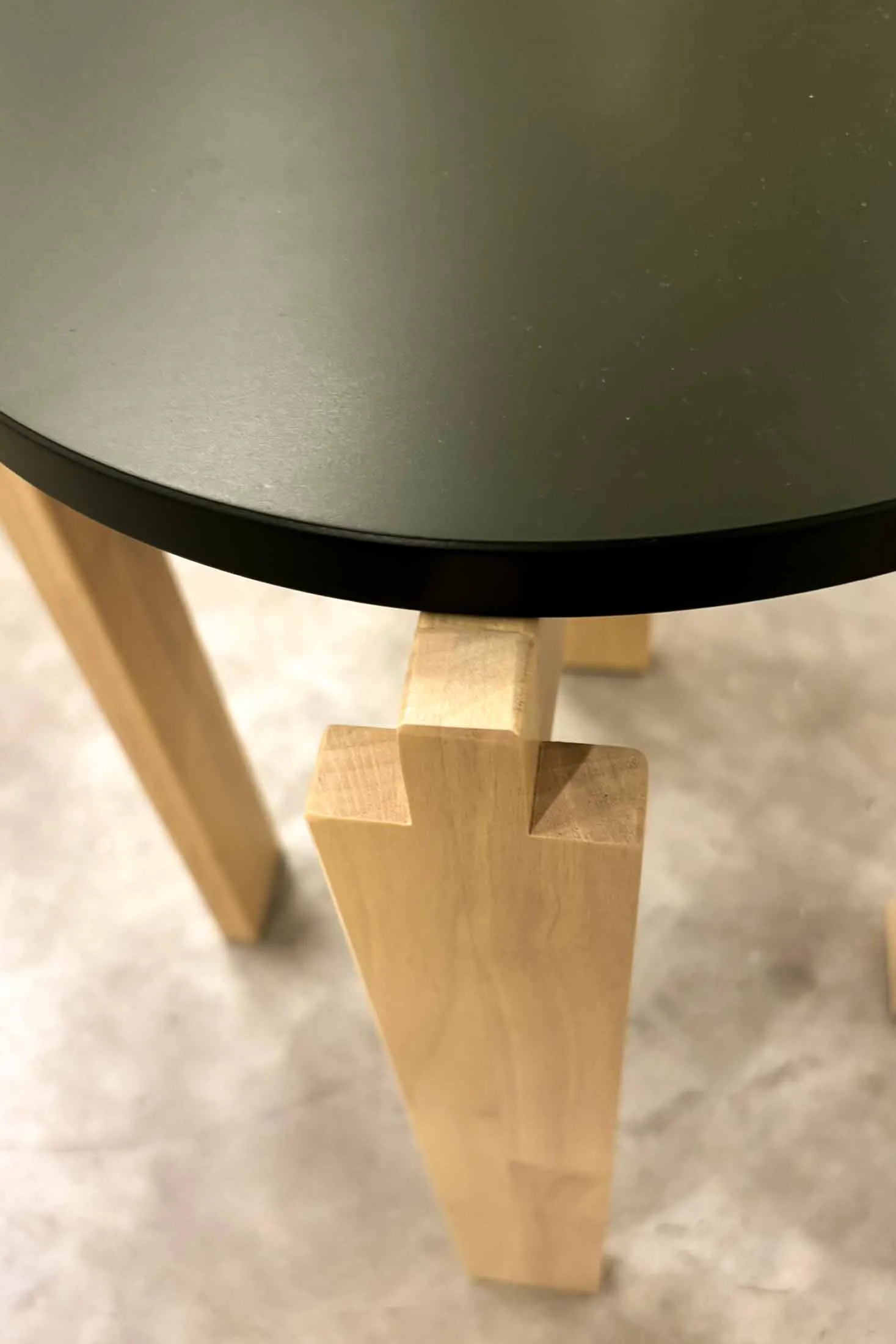
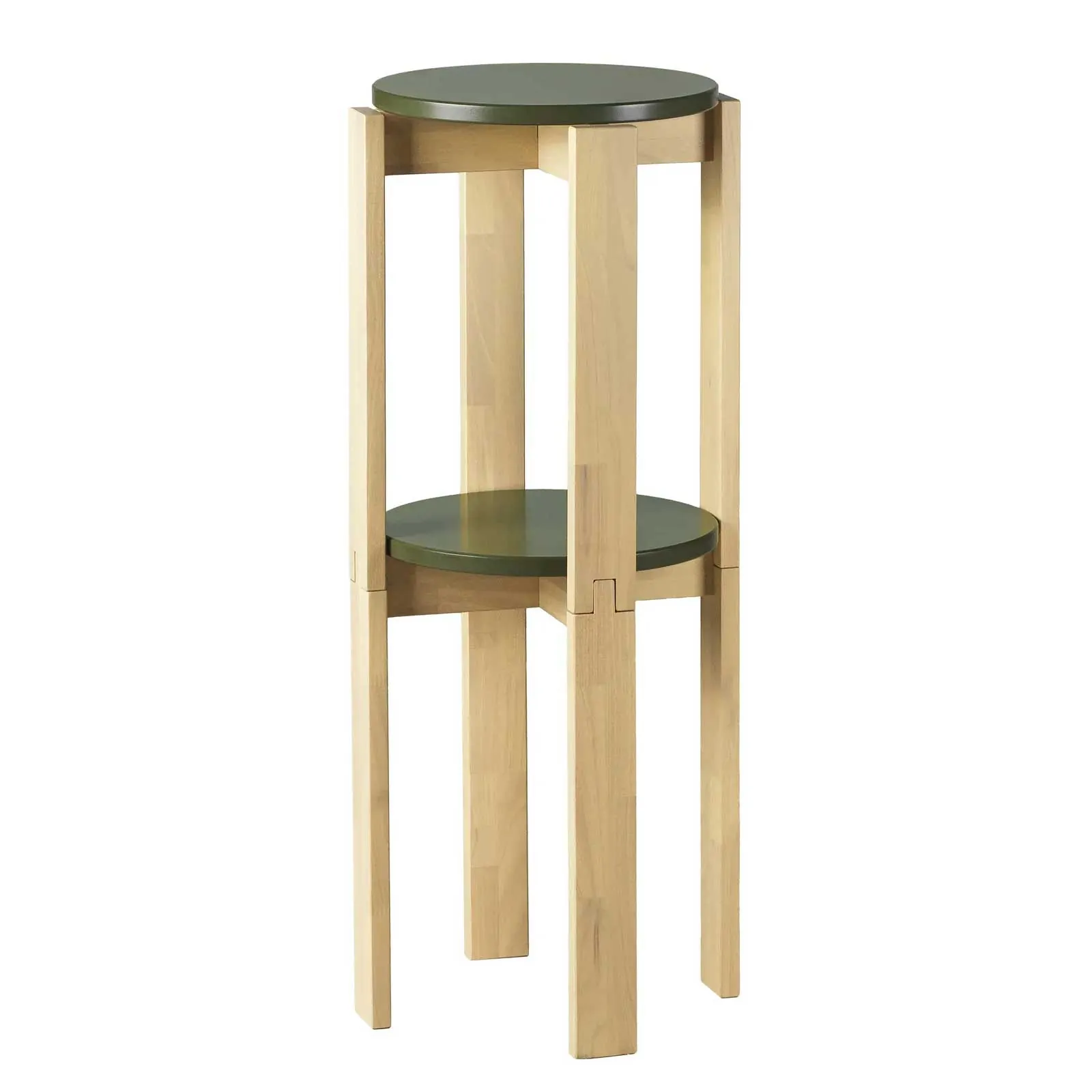
The notch is about the size of a thumbnail. It is cut into the inside face of each rectangular birch leg, near the top, and it is the only reason the KOMPISHÄNG stool does the second thing IKEA is selling it for. Slot the legs of one stool into the notches of another and the pair locks into a two-tier stand roughly 32 centimeters across. IKEA’s own product copy is specific about the purpose: the stools “can stand on top of each other to create a stylish and stable pedestal for your favorite plants.”
A set of two costs $60. Each stool is 46 centimeters tall with a 32-centimeter seat, the pair weighs 7.37 kilograms boxed, assembly is listed at six minutes, and the article number is 106.287.60. It was designed by Lukas Albrektsson and belongs to KOMPISHÄNG, an 11-piece collection that reached U.S. stores on July 31 and goes online August 15. IKEA publishes a load figure for it, which is more than most furniture at this price gets: tested for 220 pounds, or 100 kilograms.
So the number is there. The problem is the sentence next to it.
“Stools in solid birch” is not what the materials list says
As of publication, IKEA’s U.S. listing describes the product, in its own words, as “these stools in solid birch.” The materials specification for the same article number breaks it into two lines:
- Leg frame: solid birch
- Seat: fiberboard, acrylic paint
Both lines are accurate. The sales sentence above them collapses two materials into one. The legs are solid wood. The disc you sit on, and the disc IKEA suggests you stand a plant on, is painted fiberboard.
IKEA’s own press kit gets it right. The product sheet for the collection lists the stool as “Acrylic painted fibreboard and solid birch,” which is exactly what the specification says. The loose sentence is the one on the shop listing, where a two-material object becomes “stools in solid birch.” That is worth stating fairly: this is a retail copy problem, not a disclosure problem.
Lukas Albrektsson, who designed it, described what he was after in the press kit: “A stool is a very versatile object in itself. I wanted to add a feature without taking away from its simplistic expression.” The notch is that feature, and it does what he describes. Nothing about the material question takes that away.
The trade press split on the top, and it is worth recording who landed where. Apartment Therapy described a painted solid birch top. Livingetc described a painted fiberboard top. Livingetc had it right, and a reader who relied on the first description was expecting a different object than the one IKEA specifies.
What 100 kilograms actually tells you
A load rating is a static test. It establishes that the structure holds a stated weight under controlled conditions, and for a seat that is the question worth answering, because a person sits down, spreads their weight across the disc, and gets up again. One hundred kilograms is a serious figure for a $30 stool and IKEA deserves credit for publishing it.
It answers a different question than the pedestal use raises. A plant does not sit down and get up. It stays in one spot, it is watered, and a 10-inch ceramic pot with damp soil runs past nine kilograms concentrated on a few square centimeters of contact. The variable is not load. It is time, point pressure, and water meeting a painted fiberboard edge.
Fiberboard is not weak. It is dimensionally stable, it takes paint well, and it is why the stool costs $30 instead of $80. What it does not do is recover. A solid birch disc that takes a knock or a spill can be sanded and refinished. A painted fiberboard disc that gets chipped at the edge lets moisture into the core, and the swelling that follows does not come back down.
I looked for a separate figure covering the stacked pedestal configuration and did not find one published. That is not the same as saying none exists, and if IKEA lists it on the packaging or in the assembly instructions, this piece has an easy correction to make.
What this piece did and did not do
I read IKEA’s launch release, the product specification for article 106.287.60, and three trade write-ups, and compared their claims against each other. Then I went to a store and looked at the stool itself. The photographs of the seat edge and the leg joint in this piece are ours, taken there.
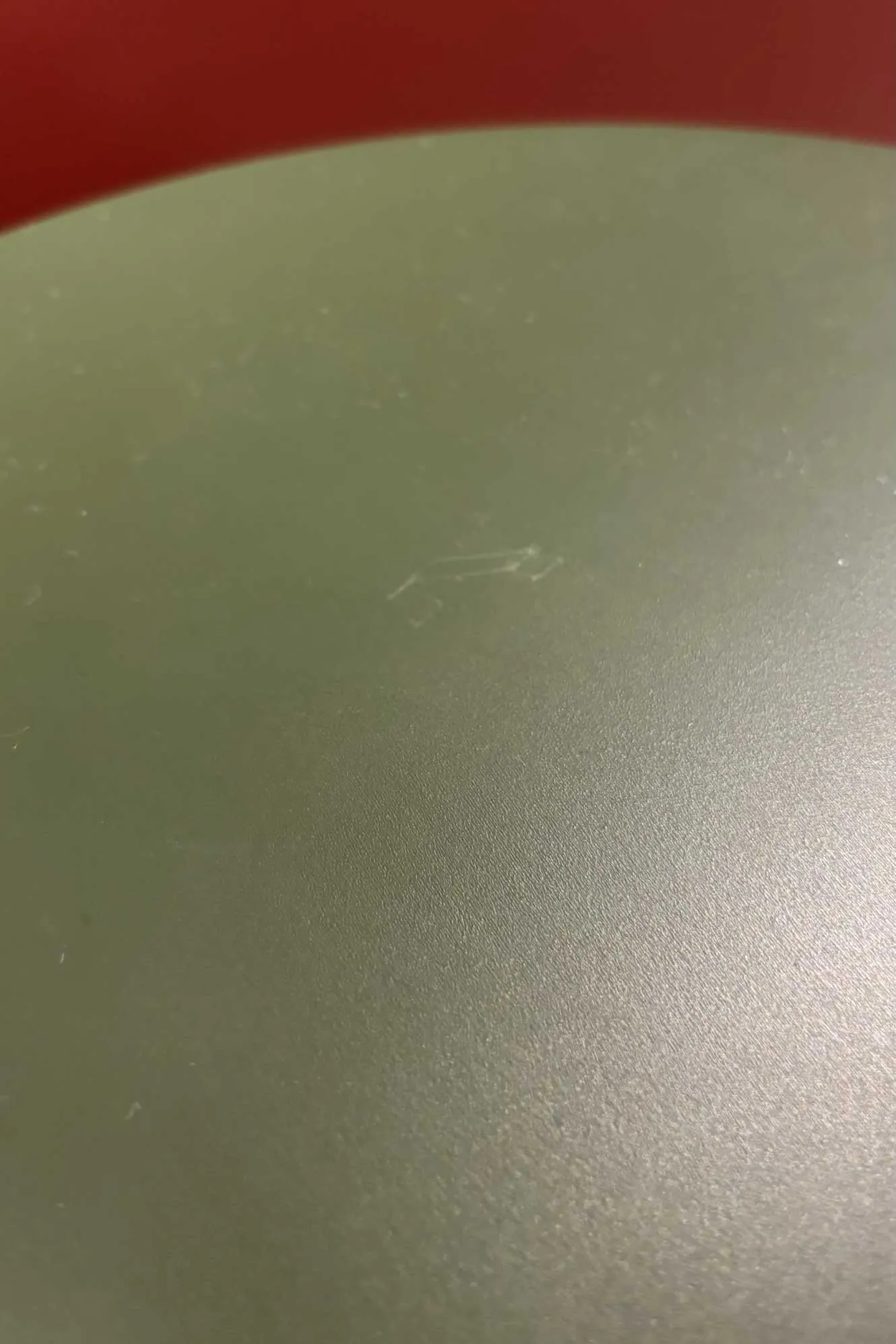
What the edge shows is worth reporting plainly: it is a uniform painted surface, with no grain visible anywhere around the rim. That is consistent with the fiberboard in the specification, though paint can hide grain and a photograph cannot settle the question on its own. The specification can, and does.
One display stool had a scuff across the seat, and it is worth being careful about what that does and does not mean. A floor model is handled by hundreds of people over weeks, so a mark on one says nothing about how the surface holds up in a home, and this piece makes no claim that it does. What the mark does show is what sits directly under the paint: a light, even material with no grain running through it.
I did not test the stool. I did not load one to 220 pounds, stack a weighted pot on the upper tier, or leave a wet planter on a seat for a month. Nothing here is a durability verdict, and any article offering one this week has not had the product long enough to earn it. What I can report is what IKEA’s own specification says, where its sales copy departs from it, which published description was accurate, and what the object looks like up close.
The collection around it
The stool is the piece worth talking about, but it is not the whole collection. KOMPISHÄNG runs to 11 items built around one premise: furniture a person can carry alone, set up without tools, and take with them. Dora Ding, a product developer at IKEA of Sweden, framed the reasoning better than the product copy does: “Even if you move often, you don’t want your home to feel temporary.” Wiebke Braasch, one of the designers, put the brief in a line: “We wanted to create a collection that could be moved with your body alone.”
That argument is a fair one. Furniture for people in transit has usually meant furniture that looks provisional, which is a quiet way of telling renters their situation does not deserve a finished room. A stool that becomes a plant stand refuses that, and it does it by making one object do two jobs in a room where floor space is the constraint. It is the same logic behind IKEA’s PS 2026 pieces for small spaces and a recurring move in this year’s Scandinavian design output.
The trade-off is worth naming plainly. Sixty dollars buys two stools that seat adults, stack to the floor area of one, and lock into a plant stand. What you give up is the surface. A dedicated plant stand has a top built to meet water. This one has a painted fiberboard disc rated for a person, not for a decade of watering cans.
The verdict
Buy it, use the pedestal, and put something under the pot.
The engineering is sound and the price is honest. The notch is a genuinely economical piece of thinking, the 100-kilogram rating is published where a lot of competitors publish nothing, and at $30 a stool this is priced where its buyers actually are. The one thing to fix is IKEA’s own sentence. A product described as “solid birch” that has a fiberboard seat is not a scandal, but it is the difference between a surface you can refinish and one you cannot, and that difference lands on the person deciding where to put a watered plant.
A saucer costs two dollars. Buy the stools, and buy the saucer at the same time.
The collection, as IKEA shows it
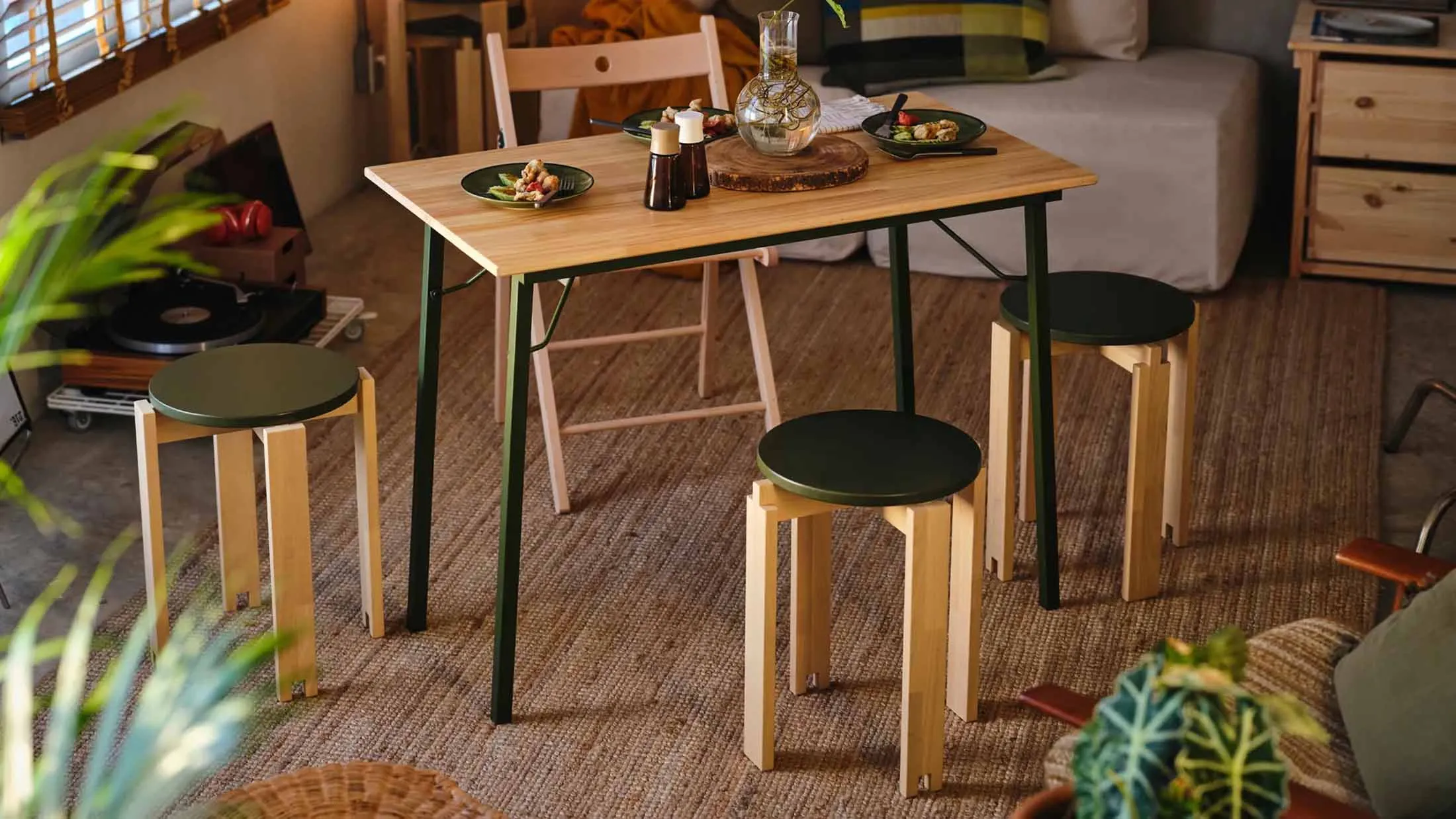
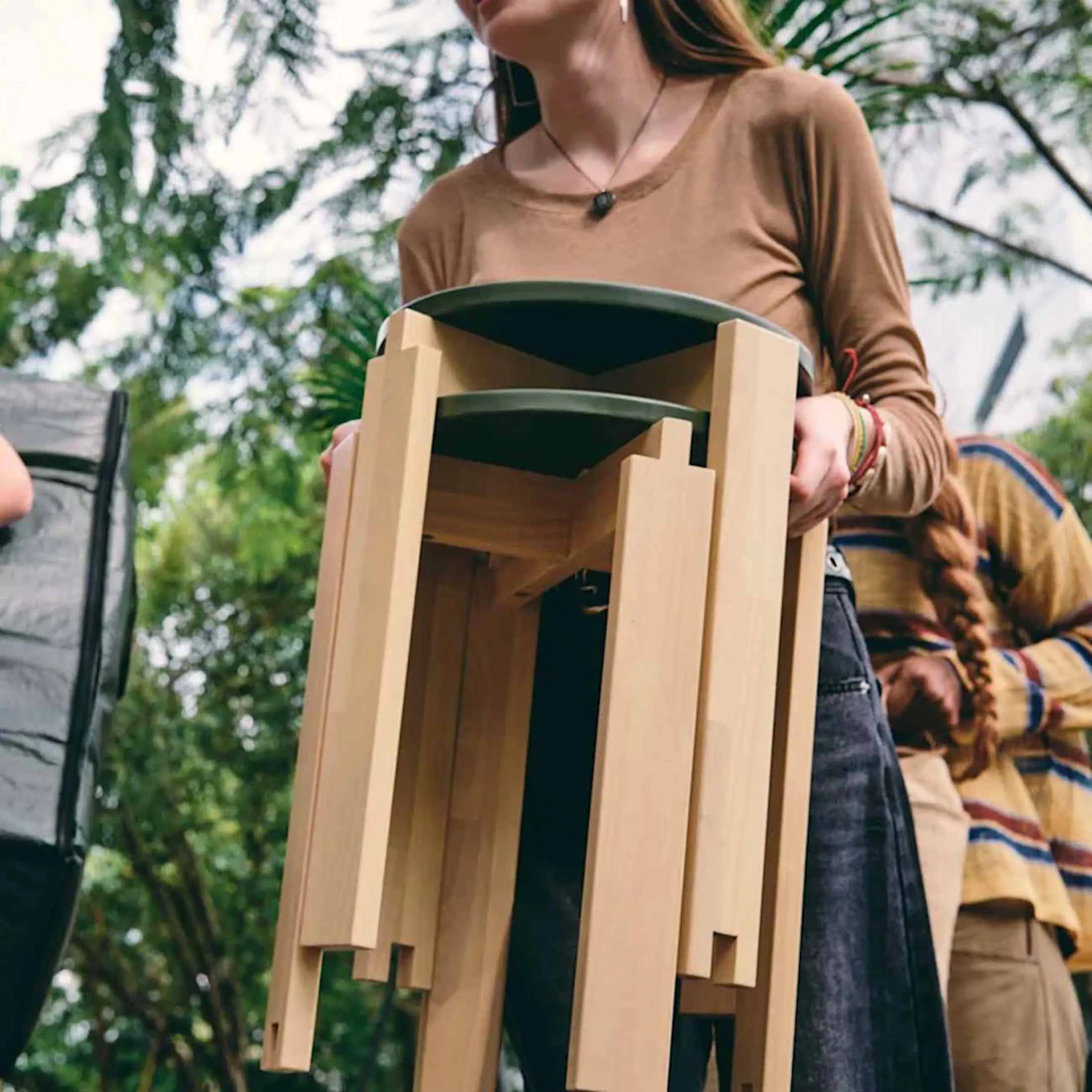
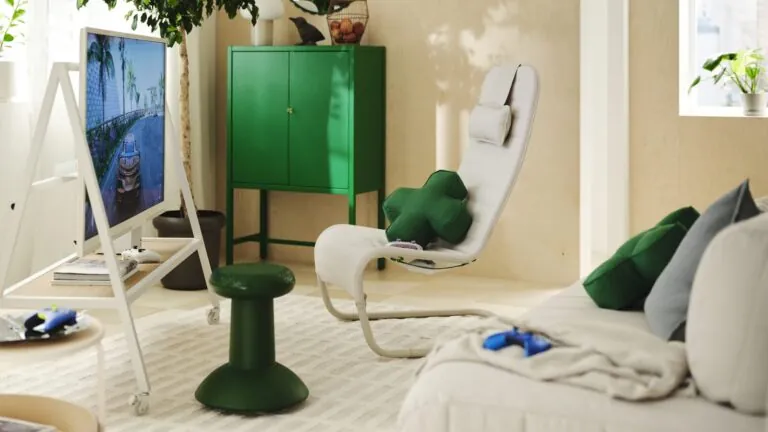
Three views from IKEA’s own launch material: the stools in a room, carried stacked, and locked together as the pedestal the copy describes.









 Blankets and Throws
 Home Accessories
 Furniture
 Rugs
Rugs Cushions
 Kitchen
 Cutlery and Dinnerware
 Drinkware
 Table Mats and Coasters
 Dining Accessories
 Tablecloths and Napkins
 Decorative Items
 Vases and Planters
 Wall Decor
 Bathroom Accessories
 Bathroom Storage
 Bath and Shower Mats
 Towels