FREE WORLDWIDE TRACKED SHIPPING

Integrated Pest Management for Residential and Commercial Properties: Evidence-Based Strategies for Sustainable Pest Control
 By Alex Carter
A practical look at integrated pest management for homes and commercial buildings, from the first inspection and sealed entry points to choosing the lowest-risk treatment that works

Photo by HONG SON on Pexels.
Spraying every perimeter on the first of the month feels productive, yet it often treats areas with no pests at all while missing the gap behind a dishwasher where the real problem lives. That gap between routine and results is why more property owners now ask how a provider decides when and where to treat. Anyone comparing options such as Elite pest and termite control will find the strongest programs share one foundation: integrated pest management.
Integrated Pest Management in Plain Terms
Integrated pest management (IPM) is a step-by-step method for controlling pests that relies on inspection, identification, prevention, and targeted treatment instead of routine blanket spraying. The U.S. Environmental Protection Agency describes it as an environmentally sensitive approach that manages pest damage by the most economical means and with the least possible hazard to people, property, and the environment.
Chemical products remain part of the toolkit. The difference is timing. They are used when evidence shows a need, in the smallest effective amount, and in the most precise location. Inspection-led services such as Elite pest and termite control follow this same principle, letting monitoring results decide when treatment is justified.
Where Routine Spraying Leaves Gaps
Calendar treatments assume pest pressure is constant, yet it rises and falls with seasons, weather, and occupancy.
Repeated use of the same chemistry also favors the pests that survive it. Research published in 2019 showed German cockroach populations building resistance to several insecticide classes at once, with product rotation alone failing to control them. IPM reduces that pressure by spreading the work across several methods.
Strategy One: Build an Inspection Baseline
Every sound program starts with a thorough first inspection. Technicians map entry points, moisture sources, harborage areas, and existing activity, then place monitors such as glue boards or bait stations at key spots. That baseline makes every later visit measurable.
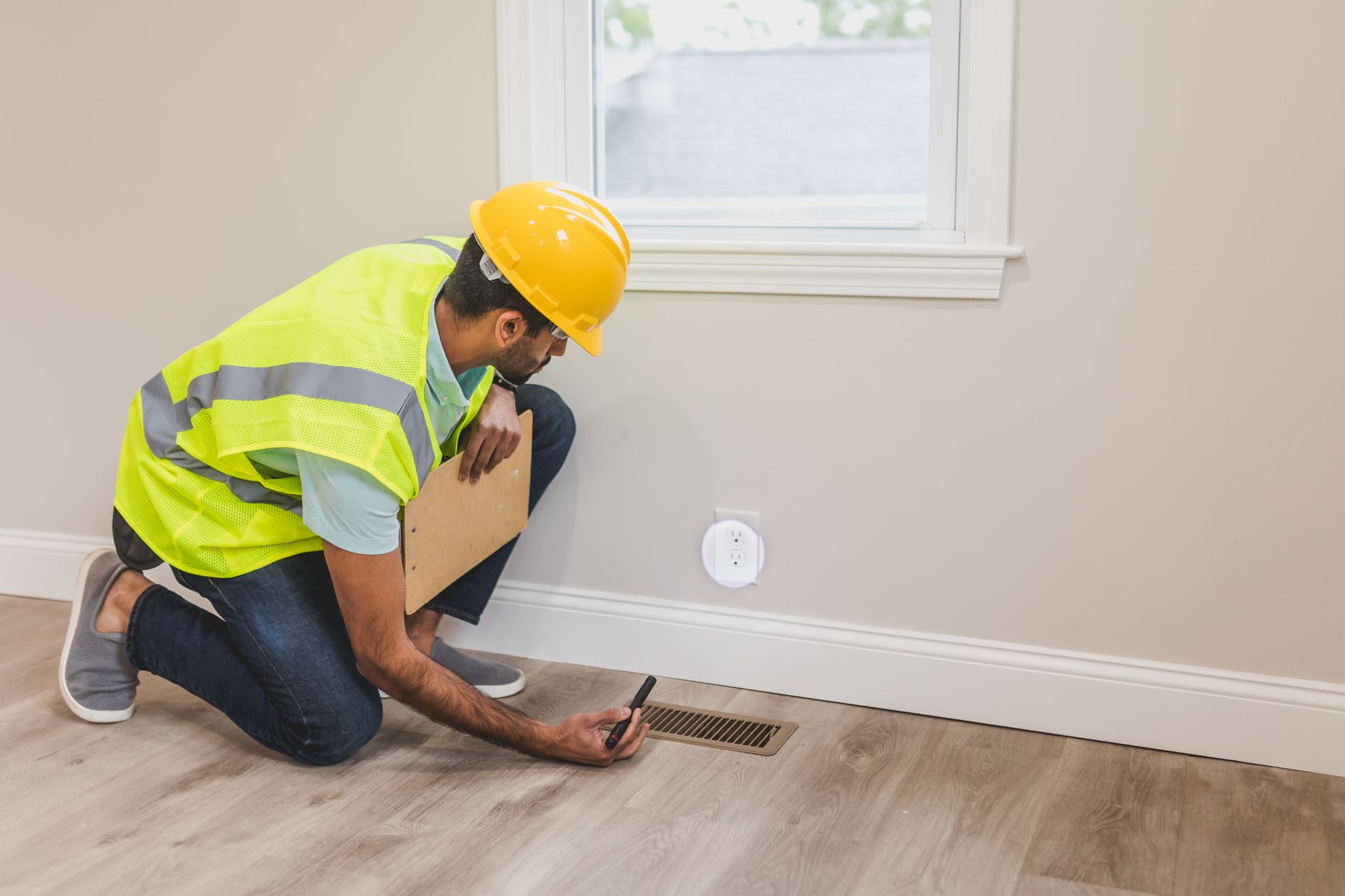
Accurate identification belongs in this step. Carpenter ants usually signal moisture-damaged wood, while pavement ants point toward food and cracks in slabs.
Strategy Two: Match the Threshold to the Space
An action threshold is the level of activity that triggers treatment. A few ants on an outdoor patio may sit comfortably below it. A single rodent near food storage in a restaurant crosses it immediately. Setting thresholds by zone keeps responses proportional and avoids treating out of habit.
Strategy Three: Close the Doors Pests Use
Prevention typically delivers the longest-lasting results. A house mouse can pass through an opening roughly a quarter inch wide, so sealing utility penetrations, adding door sweeps, and screening vents removes easy access. Moisture control matters just as much. Leaking pipes, clogged gutters, and poor grading feed cockroaches, silverfish, and termites alike.

This is where professional input and property upkeep meet. Trained technicians typically flag structural and sanitation issues during visits, while the owner or facility team handles repairs and cleaning. Programs where both sides follow through generally see activity decline steadily over the year.
Strategy Four: Choose the Lowest Risk Control That Works
When a threshold is crossed, IPM moves from the least disruptive option toward stronger measures only as needed. The comparison below shows how that plays out for common pests.
| Pest | Prevention First | Targeted Control When Needed |
|---|---|---|
| House mice | Seal gaps, store food in sealed containers | Snap traps, tamper-resistant bait stations |
| German cockroaches | Reduce moisture, remove clutter and grease | Gel baits in cracks, insect growth regulators |
| Subterranean termites | Remove wood-to-soil contact, fix drainage | Monitored bait systems, targeted soil treatment |
| Stored product pests | Rotate stock, inspect deliveries | Pheromone traps, removal of infested goods |
| Bed bugs | Reduce clutter, inspect secondhand furniture | Heat treatment, targeted product application |
Broad spraying of a nonspecific product stays at the very end of the list, used only when narrower methods fail.
Strategy Five: Track Results and Adjust the Plan
IPM works as a cycle. After each visit, monitor counts, new sightings, and completed repairs are compared with the original baseline. A falling trend confirms the plan is working, while a flat or rising one usually points to a missed entry point, a hidden moisture source, or food left out overnight. Short service reports noting where activity was found and what needs fixing make these quarterly reviews quick and keep the program focused on real conditions.
Applying IPM at Home Versus in Commercial Buildings
Homes usually need seasonal or quarterly monitoring, with attention on foundations, crawl spaces, attics, and landscaping. Stacking firewood away from exterior walls and storing pet food in sealed bins help more than most owners expect. In Ohio, where the eastern subterranean termite is the most common species and federal maps rate the risk as moderate to heavy, an annual termite inspection is a sensible part of any residential plan.
Commercial properties carry more moving parts. Restaurants, warehouses, and healthcare facilities often need monthly service, written pest management plans, trap maps, and corrective action logs for audits. Staff training also plays a larger role, since receiving teams and cleaning crews are often the first to spot activity.
Questions Property Owners Often Ask
Is IPM safer than traditional pest control?
It generally lowers exposure, since treatments are targeted and placed in cracks, voids, or secured stations rather than sprayed across open surfaces.
How soon does IPM show results?
Small issues often improve within weeks. Established infestations can take two to three months of monitoring and exclusion work to settle.
Does IPM cost more?
The first inspection and sealing work can cost more upfront, though fewer emergency treatments and less damage usually lower the total over time.
Final Thoughts
Sustainable pest control comes down to a simple order of operations: inspect, identify, prevent, and then treat only what the evidence supports. That sequence protects people, slows resistance, and keeps properties in better condition for the long term, whether the building is a family home or a busy commercial site. For owners ready to move away from guesswork, a professional inspection from a provider such as Elite Pest and termite control is a practical first step, giving a clear picture of current activity and a plan built around the property’s actual risks. Scheduling that inspection now puts the program in place before the next seasonal surge arrives.






 Blankets and Throws
 Home Accessories
 Furniture
 Rugs
 Cushions

 Kitchen
 Cutlery and Dinnerware
 Drinkware
 Table Mats and Coasters
 Dining Accessories
 Tablecloths and Napkins

 Decorative Items
 Vases and Planters
 Wall Decor

 Bathroom Accessories
 Bathroom Storage
 Bath and Shower Mats
 Towels