FREE WORLDWIDE TRACKED SHIPPING
How to Prepare Your Property for a New Construction Project
 By Alex Carter
A practical guide to preparing a property before construction begins, from site assessment and soil testing to permits, budget, contractors, and utilities
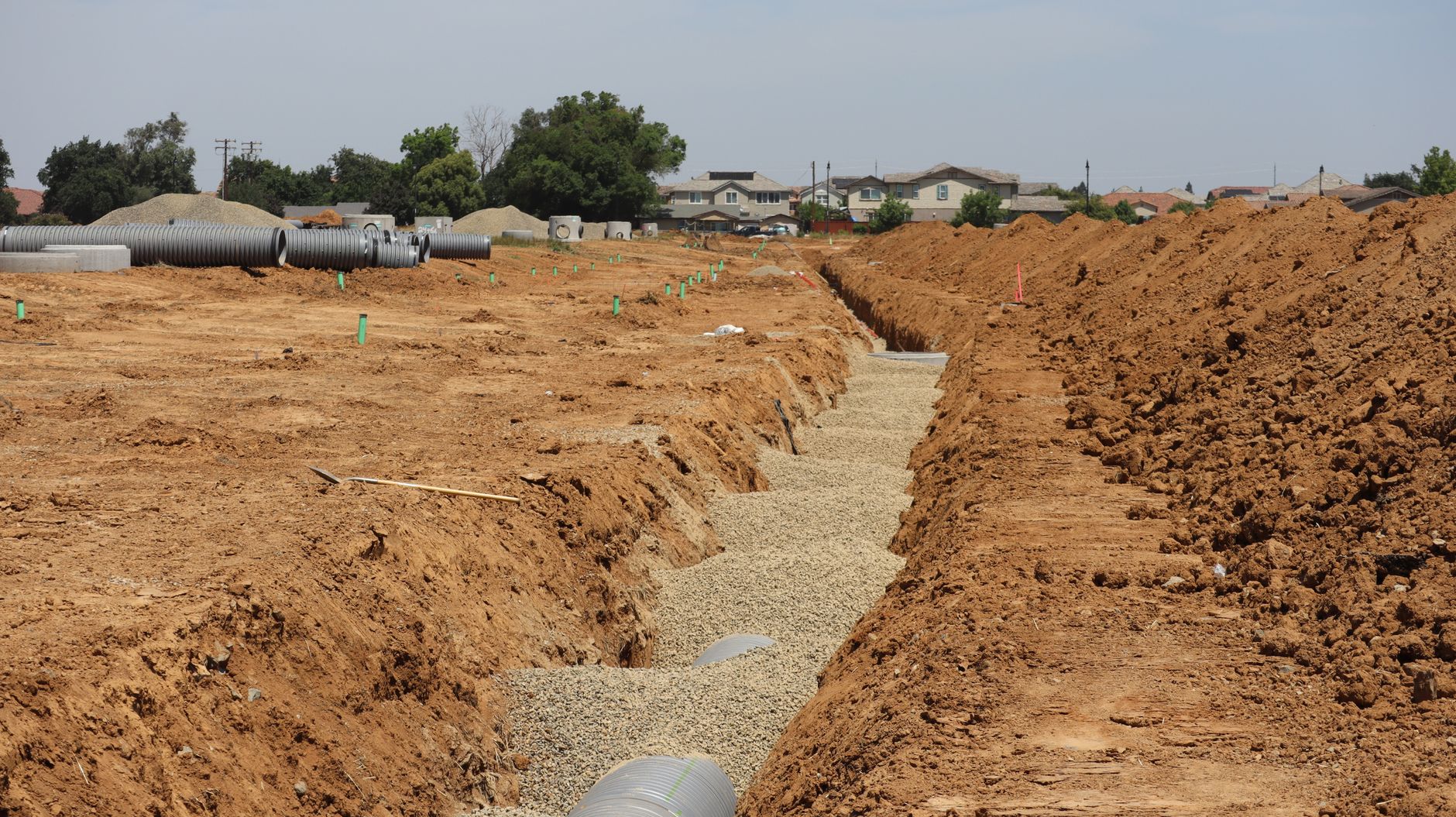
Photo by D Goug on Pexels. Illustrative stock photography.
Starting a new construction project is exciting, but there is plenty to organise before the first machine arrives on site. Whether you are building a new home, extending an existing property or developing a block of land, good preparation can save you time, money and plenty of headaches.
Think of preparation as laying the foundations for the project itself. Get the early stages right, and the construction process is far easier to manage.
Understand Why Preparation Matters
Construction rarely goes exactly according to plan. However, proper preparation can reduce many of the problems that cause delays and unexpected expenses.
Reduce Delays and Unexpected Costs
Before construction begins, you need a clear understanding of the site, approvals, access requirements and expected costs. Discovering an issue after work has started can be considerably more expensive than identifying it beforehand.
For example, poor drainage, difficult ground conditions or an unexpected underground service can affect both your schedule and budget.
Improve Site Safety
A properly prepared site is also safer for workers, contractors and visitors. Removing hazards, establishing safe access and clearly identifying work zones can help create a controlled construction environment from day one.
Assess Your Property Before Construction
Start by taking a detailed look at the property itself. What is the shape of the block? Is it sloped? Are there existing structures, trees, retaining walls or drainage problems?
These details can influence what can realistically be built and how the construction site needs to be prepared.
Review Land and Zoning Requirements
Check the zoning rules and planning controls that apply to your property. Local requirements may affect building height, setbacks, site coverage, parking, landscaping and the type of development permitted.
Check Property Boundaries and Restrictions
Confirm the legal boundaries of the property before any major work begins. You should also identify easements, covenants and other restrictions that could affect construction.
Getting this information early can prevent costly changes later.
Conduct a Site Survey and Soil Testing
A professional site survey provides accurate information about levels, boundaries and existing features. This information helps designers and builders understand exactly what they are working with.

Identify Ground Conditions
Soil testing is equally important. Different soil types behave differently under load, which can influence foundation and structural requirements.
Look for Drainage and Slope Issues
Pay close attention to how water moves across the property. A sloping site may require additional excavation, retaining structures or drainage solutions.
If vegetation, structures or other obstacles need to be removed before construction, make sure the work is properly planned. For larger properties, professional land clearing Sydney services may be required to safely prepare the site without creating unnecessary damage or access problems.
Obtain the Necessary Permits and Approvals
Do not assume you can start building as soon as you have architectural plans.
Understand Local Planning Requirements
Depending on your project and location, you may need development approval, a building permit or other relevant approvals before work can begin.
Your builder, architect or planning consultant can help identify the approvals required. Start this process early because waiting for paperwork can hold up an otherwise ready-to-go project.
Create a Realistic Construction Budget
Your budget should cover more than materials and labour. Include design fees, permits, site preparation, surveys, engineering, utility connections, waste removal and landscaping where applicable.
Allow for Unexpected Costs
It is sensible to keep a contingency amount available for unforeseen issues. Construction can uncover surprises once excavation begins, particularly on older or previously developed properties.
A realistic budget gives you breathing room instead of forcing difficult decisions halfway through the project.
Hire the Right Contractors and Professionals
The people working on your project can have a major impact on its outcome.
Check Experience and Credentials
Look for appropriately licensed and insured professionals with experience in projects similar to yours. Ask for references and make sure you understand exactly what each contractor is responsible for.
Do not choose solely on the lowest quote. A cheap price may not represent the best value if important work has been excluded.
Plan Utilities and Infrastructure
Before construction starts, establish where essential services are located and determine what needs to be installed, relocated or disconnected.
Organise Water, Power and Drainage
Electricity, water, sewerage, stormwater and telecommunications all need consideration. Confirm service locations and requirements before excavation begins.
Planning these connections early helps prevent clashes between contractors and reduces the chance of having to redo completed work.
Create a Construction Timeline
A clear schedule gives everyone a shared understanding of what should happen and when.
Break the project into stages such as site preparation, excavation, foundations, framing, services, internal work and finishing.
Build in Extra Time
Avoid creating a schedule with no flexibility. Weather, material shortages, approval delays and unexpected site conditions can all affect progress.
Allowing some contingency time makes the project easier to manage when something inevitably takes longer than expected.
Prepare for Disruption and Talk to Neighbours
Construction can affect people living around your property, particularly when there is heavy machinery, increased traffic, dust and noise.
Manage Noise, Dust and Access
Where practical, let neighbours know when major work is expected to occur. Clear communication can prevent misunderstandings and make the construction period less frustrating for everyone.
Your contractor should also have appropriate measures for controlling dust, managing waste and maintaining safe access around the site.
Complete Your Final Pre-Construction Checklist
Before breaking ground, review the entire project one more time. Confirm that approvals are in place, plans are finalised, contractors are engaged and utilities have been identified.
Check site access, temporary fencing, material storage, waste management and safety arrangements. It is much easier to correct a missing detail before construction begins than after machinery is already operating.
Conclusion
Preparing your property for construction is about more than clearing the site and calling the builder. You need to understand the land, investigate ground conditions, organise approvals, establish a realistic budget and coordinate the people and services involved. Take the time to prepare properly, and you give your construction project a much stronger starting point.











 Blankets and Throws
 Home Accessories
 Furniture
 Rugs
Rugs Cushions
 Kitchen
 Cutlery and Dinnerware
 Drinkware
 Table Mats and Coasters
 Dining Accessories
 Tablecloths and Napkins
 Decorative Items
 Vases and Planters
 Wall Decor
 Bathroom Accessories
 Bathroom Storage
 Bath and Shower Mats
 Towels