FREE WORLDWIDE TRACKED SHIPPING
What You Can’t See in a Reclining Chair: The Hidden Parts That Decide How Long It Lasts
 By Alex Carter
Learn which reclining chair parts affect durability and how to test the base, gas lift, tilt mechanism, footrest, castors and mesh before buying

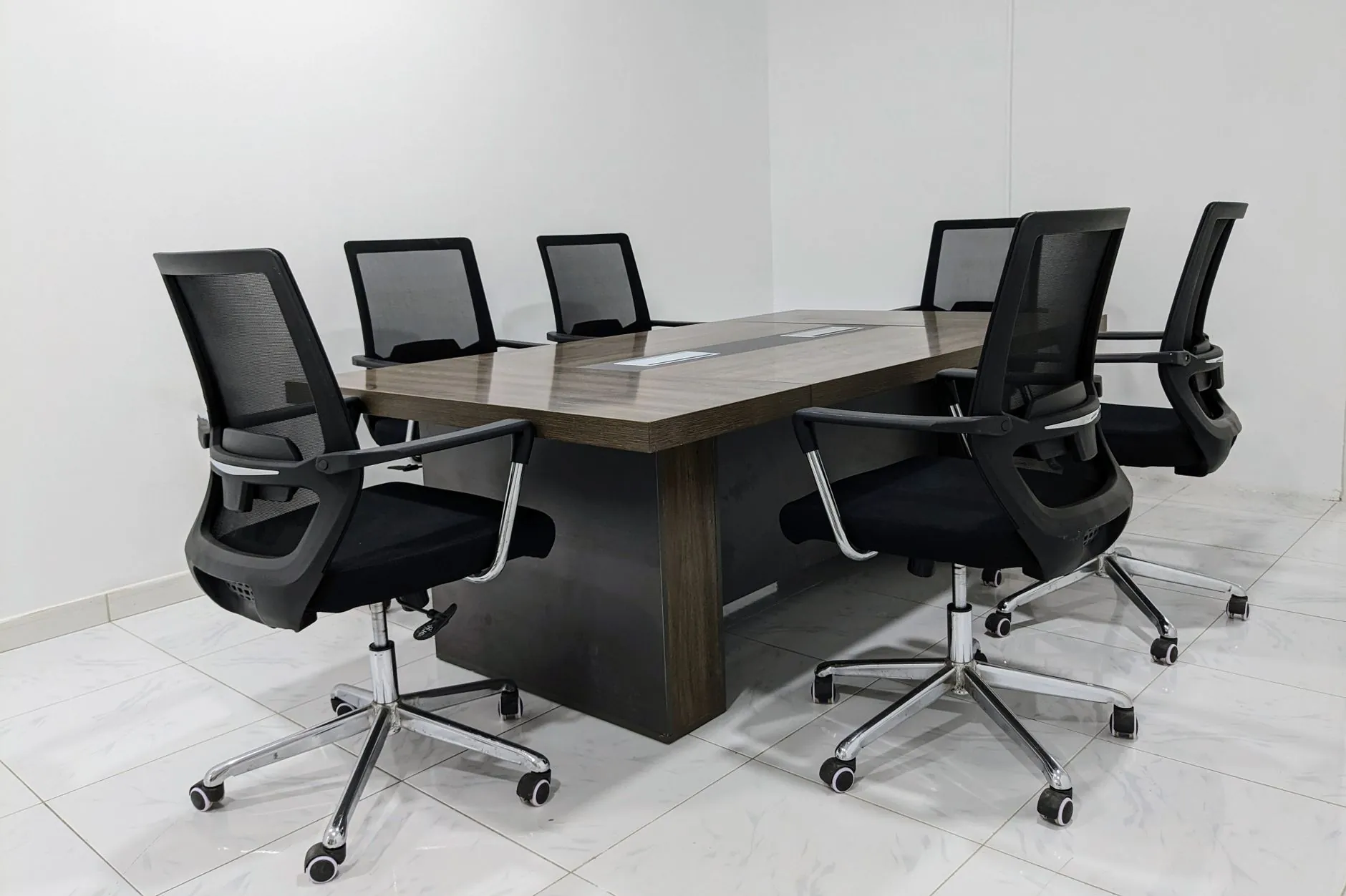
Photo by Josh Sorenson on Pexels.
The parts that decide a reclining chair’s lifespan are all underneath.
Most reclining chairs fail slowly: the seat sinks an inch by afternoon, the backrest lock starts to creep, or the footrest develops a rattle. None of this comes from the cushions or fabric in the photo. It comes from the frame, cylinder, tilt mechanism, and hinges – the parts a product listing shows least.
On a reclining home-office chair, those parts are mechanical: a five-star base, gas lift, tilt assembly, and folding footrest. A powered lounge recliner adds a motor and wiring. This guide covers the office type, with five checks you can do in a showroom in ten minutes and the questions to ask when buying online.
Why the hidden parts matter more than the cushions
Foam and mesh decide how a chair feels on day one; the mechanism decides how it feels in year three. When you recline, the load shifts toward the rear castors and tilt pivot. Extend the footrest and you add leverage at the front of the seat. A chair built for repeated movement stays controlled; one that is not can loosen with use.
Five hidden components worth checking
The base and frame
Start underneath. A wider five-star base can improve stability in full recline, but width alone is not proof of a safe chair. Lift the chair and check that the castor stems sit tightly, without wobble, and that the base shows no obvious flex where the arms meet the hub. Nylon, steel, and aluminium can all perform well when properly designed, so judge the assembled chair rather than the material name.
Then find the complete chair’s rated user weight and confirm that it suits the intended user.
The gas lift
The gas-lift cylinder sets the seat height, and a worn seal can cause the chair to sink during use. A cylinder described as Class 4 is commonly marketed as heavy-duty, but the label applies to the cylinder rather than the complete chair. Ask which standard and test report support the claim.
Test it simply: set the height, sit for a few minutes, shift your weight, then stand and check that the seat has not dropped. Adjustment should be smooth and quiet. Also ask whether the cylinder is available as a replacement part, because a replaceable cylinder can extend the chair’s useful life.

The tilt mechanism
Two designs are common. A synchronised tilt moves the seat and backrest together, often allowing the back to recline farther than the seat so your lower back stays supported. A back-only tilt pivots the backrest alone and can lift your thighs at full recline. Notice where the lumbar support ends up in each position.
Then test the locks. Recline, lock the chair, and apply steady pressure: the position should hold without creeping. Release it: you should not have to lean forward and fight the mechanism. Turn any tension knob through its range and confirm that the resistance changes. Multiple lock positions are useful only when each one engages clearly.
The footrest
An extended footrest acts as a lever at the front of the seat, concentrating stress around its hinges. Sit normally, extend it, rest your legs on it, then gently test the tip for side-to-side movement. Noticeable lateral play or grinding can signal looseness or wear.
Fold it away and check that it tucks in without catching. Never stand or sit on an extended footrest unless the manufacturer explicitly rates it for that use.
Castors and fabric
Match wheels to the floor: soft polyurethane treads are generally suited to hard floors, while harder nylon castors are commonly used on carpet. Spin each castor; all five should turn and swivel freely. A published castor-cycle result is meaningful only when the load, surface, and test method are stated.
For mesh, ask for an abrasion test result and the method used. Press the mesh at the front edge of the seat: if your fingers immediately reach the frame, the tension may be too low. Ask about cleaning and flammability, and remember that a test on a castor or fabric is evidence about that component, not the complete chair.

What BIFMA testing actually tells you
BIFMA, the Business and Institutional Furniture Manufacturers Association, publishes widely used office-furniture standards. ANSI/BIFMA X5.1 covers defined safety, durability, and structural-adequacy tests for general-purpose office chairs.
The scope matters. The standard is for general-purpose office seating, not powered lounge recliners, so motors and wiring need separate evidence. Accessories and configurations should also match the tested sample. A pass demonstrates performance of the tested model and configuration; it does not prove that a chair fits your body.
Ask which standard was used, whether the report names the exact model and configuration, and whether the footrest was included. For context on the companies behind the chairs, this overview of how chair manufacturers are assessed and compared is a useful starting point for a shortlist, though it does not replace the specification sheet and test report for the chair you intend to buy.
A ten-minute checklist before you buy
- Base: Check for castor wobble and base flex; find the complete chair’s rated user weight.
- Gas lift: Set the height, sit for a few minutes, then stand. The seat should not drop. Ask whether the cylinder is sold as a spare.
- Tilt: Recline, lock, and apply steady pressure. Look for a firm hold, easy release, and a tension knob that works.
- Footrest: Extend it while seated and gently test the tip sideways. Look for minimal play, no grinding, and clean storage.
- Castors and mesh: Confirm that the wheels suit your floor and spin freely, and that the mesh does not bottom out on the frame.
- Paperwork: Ask for the applicable test report for the exact model and configuration, plus clear warranty terms for the mechanism.
The takeaway
A reclining chair that will last feels predictable: the seat holds its height, the backrest stops where you lock it, and the footrest carries your legs without wobbling. None of that shows in a product photo, but all of it can be tested in minutes and supported by documents. Spend that time on the hidden parts before deciding whether the visible finish is worth the price.












 Blankets and Throws
 Home Accessories
 Furniture
 Rugs
Rugs Cushions
 Kitchen
 Cutlery and Dinnerware
 Drinkware
 Table Mats and Coasters
 Dining Accessories
 Tablecloths and Napkins
 Decorative Items
 Vases and Planters
 Wall Decor
 Bathroom Accessories
 Bathroom Storage
 Bath and Shower Mats
 Towels