FREE WORLDWIDE TRACKED SHIPPING
Why Drain Problems Often Go Unnoticed
 By Alex Carter
Learn why drain problems often go unnoticed at home, what early signs to watch for and how timely checks can prevent costly damage.
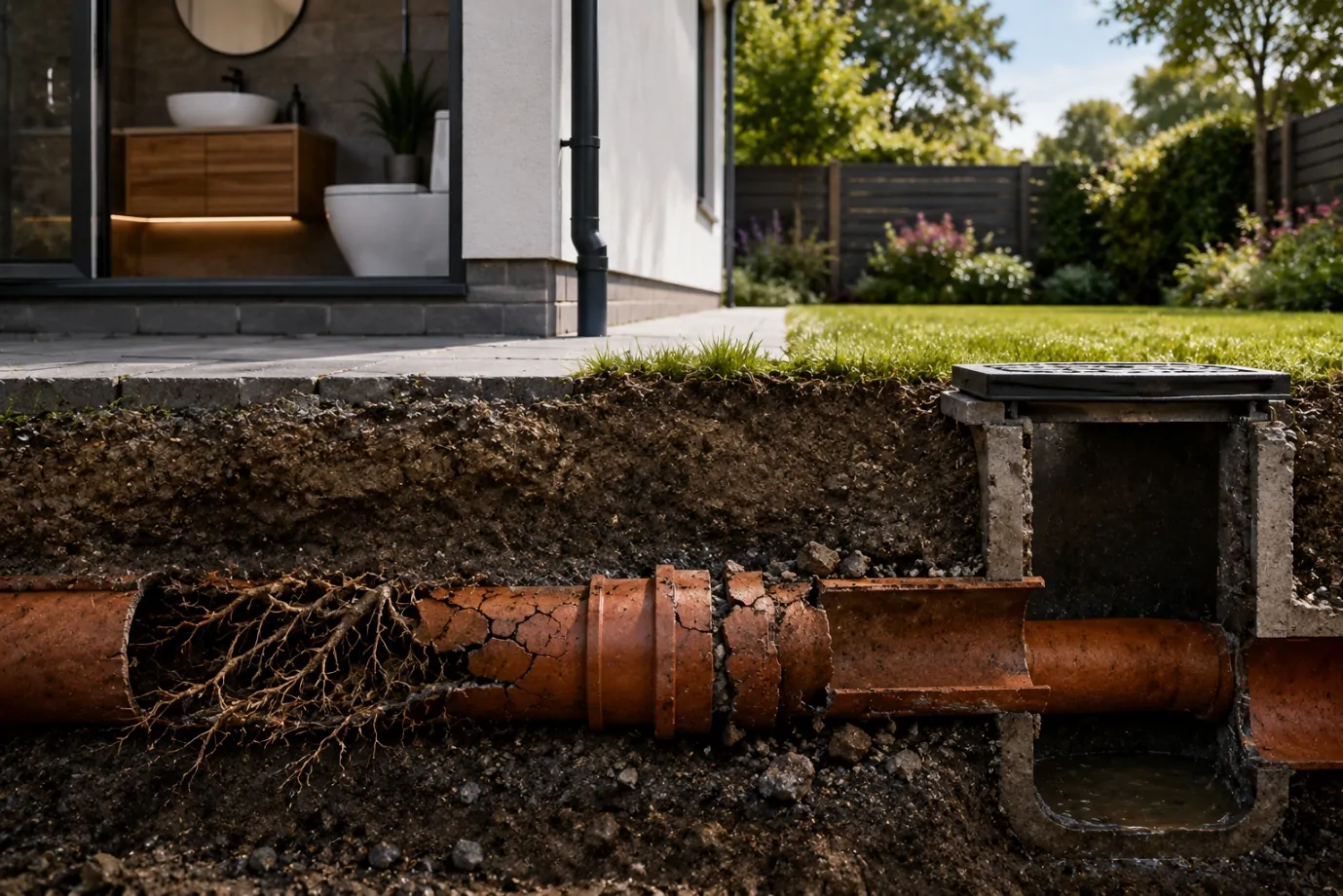
Hidden Drain Problems Every Homeowner Should Know
A beautifully designed home is not only about calming interiors, natural textures, or carefully chosen furniture. True comfort also depends on the systems working quietly behind the scenes — especially drainage. While drains are rarely part of everyday conversation, hidden drainage issues can slowly damage a home long before visible warning signs appear.
Many homeowners only discover a serious problem after unpleasant smells, damp patches, flooding, or structural damage begin to affect daily life. Understanding the most common hidden drain problems can help prevent expensive repairs while protecting the comfort and longevity of a home.
Why Drain Problems Often Go Unnoticed
Unlike surface repairs or cosmetic issues, drainage systems are hidden underground or behind walls. Because of this, small issues can continue developing for months — sometimes even years — before becoming obvious.
Modern homes depend heavily on efficient drainage to manage wastewater safely and maintain healthy indoor environments. When drains begin to fail, problems often spread gradually through foundations, walls, gardens, and flooring.
Early detection is one of the most effective ways to avoid larger structural concerns later on.
Tree Root Intrusion
Tree roots are one of the most common causes of hidden drain damage. Even small cracks in underground pipes can attract roots searching for moisture. Over time, these roots expand inside the pipework, restricting water flow and eventually causing blockages or pipe collapse.
Homes with mature gardens or older landscaping are particularly vulnerable to this issue. Because the damage occurs underground, homeowners may not realise there is a problem until drainage becomes noticeably slow or repeated blockages occur.
Signs of root-related drainage problems may include:
- Slow-draining sinks or toilets
- Gurgling sounds in pipes
- Recurring blockages
- Wet patches in gardens
- Unpleasant odours outdoors
Cracked or Collapsed Pipes
Drain pipes naturally deteriorate over time due to ground movement, age, corrosion, and pressure from surrounding soil. Older properties may still contain ageing clay pipe systems that are more vulnerable to cracking or shifting.
Even modern pipe systems can experience movement during heavy rainfall, nearby construction work, or seasonal soil expansion.
Small cracks often allow wastewater to leak slowly into surrounding areas, creating hidden moisture problems beneath flooring or around foundations.
Fat, Grease, and Debris Build-Up
One of the most preventable drainage problems comes from everyday household waste. Cooking oils, grease, soap residue, hair, wipes, and food particles gradually accumulate inside pipework.
At first, the build-up may only reduce water flow slightly. However, over time it can harden into major blockages that restrict the entire drainage system.
Modern households often unknowingly contribute to these issues by disposing of unsuitable materials down sinks or toilets. Products labelled as “flushable” may still create long-term drainage complications.
Hidden Water Damage
Drain leaks are not always dramatic. In many homes, slow leaks remain concealed beneath flooring, behind cabinetry, or inside walls for extended periods.
Hidden moisture can eventually lead to:
- Mold growth
- Damaged flooring
- Peeling paint
- Warped wood
- Structural weakening
- Poor indoor air quality
Homes designed around calm, intentional living benefit greatly from preventive maintenance that protects interior materials and preserves a healthier living environment.
Problems Caused by Poor Installation
Not all drainage issues are caused by age alone. Improper installation, incorrect pipe gradients, or low-quality materials can create long-term problems even in relatively new homes.
Poorly aligned pipes may trap waste and encourage recurring blockages. Inadequate sealing can also allow small leaks to develop around joints and fittings.
Unfortunately, these issues often remain hidden until significant disruption occurs.
How CCTV Drain Surveys Help Identify Problems
One of the most effective modern inspection methods is a CCTV drain survey. Using specialist cameras, professionals can inspect underground pipework without excavation, allowing hidden problems to be identified quickly and accurately.
CCTV inspections help homeowners detect:
- Pipe cracks
- Root intrusion
- Misaligned joints
- Corrosion
- Blockages
- Structural collapse
- Drainage build-up
Many homeowners also use these surveys before purchasing older properties to avoid unexpected repair costs later.
Understanding the potential cctv drain survey cost can help homeowners plan maintenance more effectively and determine when preventative inspections may be worthwhile.
Warning Signs Homeowners Should Never Ignore
Some drainage problems provide subtle warning signs before major damage develops. Ignoring these early symptoms can often lead to larger repair costs later.
Common warning signs include:
- Persistent unpleasant smells
- Frequent drain backups
- Bubbling or gurgling sounds
- Slow-draining water
- Damp spots on walls or floors
- Unexpected pest activity
- Sinking ground outside
Even seemingly minor drainage changes can indicate larger hidden issues beneath the surface.
Preventative Maintenance Makes a Difference
While not all drainage issues can be avoided, regular maintenance significantly reduces the risk of severe damage.
Simple preventative habits include:
- Avoid pouring grease down sinks
- Dispose of wipes and hygiene products properly
- Schedule periodic drain inspections
- Monitor outdoor drainage after heavy rainfall
- Address minor blockages early
- Maintain healthy ventilation indoors
Preventative care supports not only the structure of a home but also the calm and functional atmosphere many homeowners aim to create.
Final Thoughts
Modern homes rely on invisible systems that quietly support everyday comfort. Drainage may not be the most visible part of home design, but it plays a vital role in protecting interiors, preserving structural integrity, and maintaining a healthy environment.
Hidden drain problems can develop slowly and silently, often causing damage long before symptoms become obvious. By understanding the warning signs and investing in early inspections when needed, homeowners can protect both their property and their peace of mind.
A well-maintained home is not only beautiful to look at — it also functions reliably beneath the surface.











 Blankets and Throws
 Home Accessories
 Furniture
 Rugs
Rugs Cushions
 Kitchen
 Cutlery and Dinnerware
 Drinkware
 Table Mats and Coasters
 Dining Accessories
 Tablecloths and Napkins
 Decorative Items
 Vases and Planters
 Wall Decor
 Bathroom Accessories
 Bathroom Storage
 Bath and Shower Mats
 Towels