FREE WORLDWIDE TRACKED SHIPPING
Why Sealing Matters in Modern Homes
 By Alex Carter
Learn why sealing in modern homes matters for finish, durability and protection, plus where careful sealant work makes the most impact.
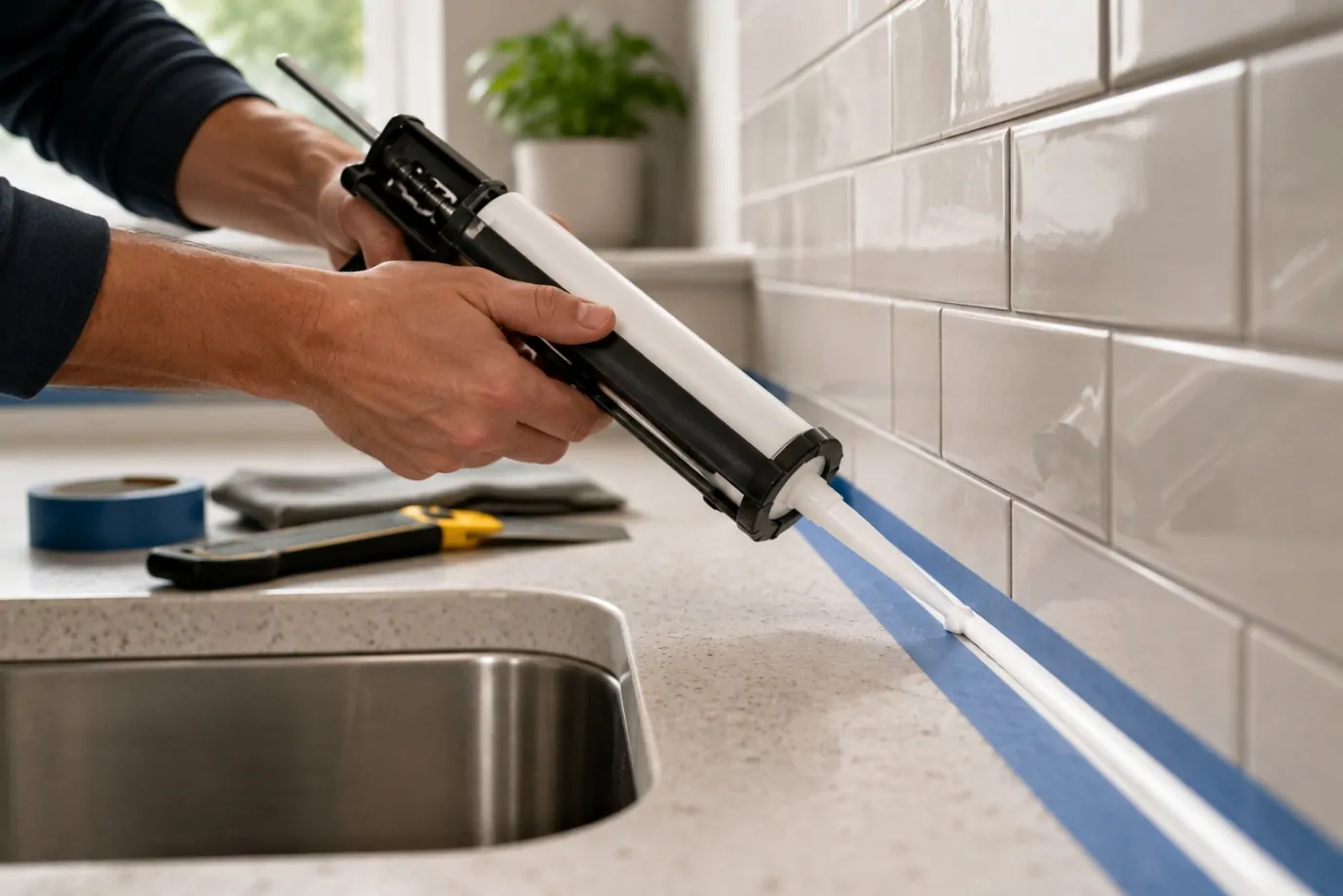
Modern Sealing Tips for Home Improvement Projects
Home improvement projects often focus on the visible details — paint colors, flooring, cabinetry, lighting, and furniture. Yet some of the most important finishing touches are the ones homeowners rarely notice until problems appear. Proper sealing around kitchens, bathrooms, windows, and flooring transitions plays a major role in protecting a home from moisture, drafts, cracking, and long-term wear.
Modern sealing solutions have evolved far beyond basic caulk lines. Today’s sealants are designed to support both durability and aesthetics, helping homeowners achieve cleaner finishes while improving energy efficiency and protecting surfaces from everyday damage.
Whether you are renovating a bathroom, refreshing a kitchen, or completing a full interior upgrade, understanding how to approach sealing properly can make a significant difference in the final result.
Why Sealing Matters in Modern Homes
Contemporary homes rely on tighter construction methods and cleaner design lines. This means gaps, joints, and transitions are more visible than ever before. Poor sealing can quickly undermine the appearance of a carefully designed space while also creating maintenance issues over time.
Areas exposed to water and temperature changes are especially vulnerable. Bathrooms, utility rooms, kitchens, and window frames require flexible sealing solutions that can withstand movement without cracking or shrinking. During a larger remodel, pest-proofing during renovation is also easiest while gaps around framing, utility lines, and wall cavities are still exposed.
Good sealing helps:
- Prevent water penetration
- Reduce mold and mildew risk
- Improve thermal efficiency
- Protect surfaces from deterioration
- Create smoother visual finishes
- Extend the lifespan of renovation work
Even small sealing failures can eventually lead to costly repairs if moisture reaches underlying materials.
Choosing the Right Sealant for the Job
Not all sealants perform the same way. Different projects require different levels of flexibility, durability, and moisture resistance.
Silicone sealants are commonly used in bathrooms and kitchens because they resist moisture and remain flexible over time. Acrylic sealants are often preferred for interior decorative work where paintability is important. Hybrid sealants combine multiple performance benefits and are increasingly used in modern construction projects.
Before starting a project, it is important to calculate how much sealant will actually be required. Overestimating can create unnecessary waste, while underestimating can interrupt installation work midway through a project.
Tools such as the mastic calculator help homeowners and contractors estimate sealant usage more accurately based on joint dimensions and project size.
Preparing Surfaces Properly
One of the most common mistakes during sealing projects is applying sealant to poorly prepared surfaces. Even high-quality products may fail prematurely if dust, grease, moisture, or old sealant residue remains in place.
Preparation typically involves:
- Removing old sealant completely
- Cleaning surfaces thoroughly
- Allowing areas to dry fully
- Applying masking tape for cleaner lines
- Using the correct primer where required
Taking extra time during preparation often produces cleaner, longer-lasting results.
Achieving a Cleaner Finish
Minimalist and contemporary interiors rely heavily on visual precision. Uneven or messy sealant lines can disrupt the clean appearance of a finished space.
Professional-looking results usually come down to consistency and technique. Applying steady pressure during application and tooling the sealant immediately afterward helps create smooth lines and even finishes.
Many homeowners now prefer subtle, color-matched sealants that blend naturally into tile joints, countertops, and trim details. This creates a softer, more integrated appearance that supports modern interior aesthetics.
Sealing Around Bathrooms and Kitchens
Bathrooms and kitchens remain the highest-priority areas for proper sealing because of constant moisture exposure.
In bathrooms, sealants protect vulnerable points around:
- Showers
- Bathtubs
- Sinks
- Floor edges
- Tile transitions
In kitchens, sealing supports hygiene and prevents water damage around countertops, splashbacks, sinks, and appliance gaps.
Modern open-plan homes often combine kitchens and living spaces into one connected environment. Because of this, homeowners are placing greater emphasis on finishing details that appear seamless and visually refined.
Energy Efficiency and Air Control
Sealing is not only about moisture protection. It also contributes to indoor comfort and energy efficiency.
Small air leaks around windows, doors, and flooring transitions can reduce insulation performance and increase heating or cooling demands. Proper sealing helps maintain more stable indoor temperatures while reducing unnecessary energy loss.
As homeowners continue prioritising sustainable living and efficient design, high-quality sealing work has become an important part of modern renovation planning.
Long-Term Maintenance Tips
Even the best sealants require occasional inspection. Over time, movement, cleaning chemicals, humidity, and temperature changes can gradually weaken joints.
To maintain long-lasting results:
- Inspect wet areas regularly
- Replace damaged or discolored sealant early
- Avoid harsh chemical cleaners
- Keep surfaces dry where possible
- Address ventilation issues promptly
Routine maintenance helps prevent minor issues from developing into larger structural or moisture-related problems.
Final Thoughts
Modern home improvement is about balancing style with long-term practicality. While sealants may seem like a small detail within a larger renovation, they play a major role in protecting surfaces, preserving design quality, and supporting everyday comfort.
From bathrooms and kitchens to windows and flooring transitions, careful sealing creates cleaner finishes and stronger protection throughout the home. With the right preparation, materials, and planning tools, homeowners can complete projects with greater confidence and achieve results that remain durable for years to come.












 Blankets and Throws
 Home Accessories
 Furniture
 Rugs
Rugs Cushions
 Kitchen
 Cutlery and Dinnerware
 Drinkware
 Table Mats and Coasters
 Dining Accessories
 Tablecloths and Napkins
 Decorative Items
 Vases and Planters
 Wall Decor
 Bathroom Accessories
 Bathroom Storage
 Bath and Shower Mats
 Towels